23 November 2025, 10:00
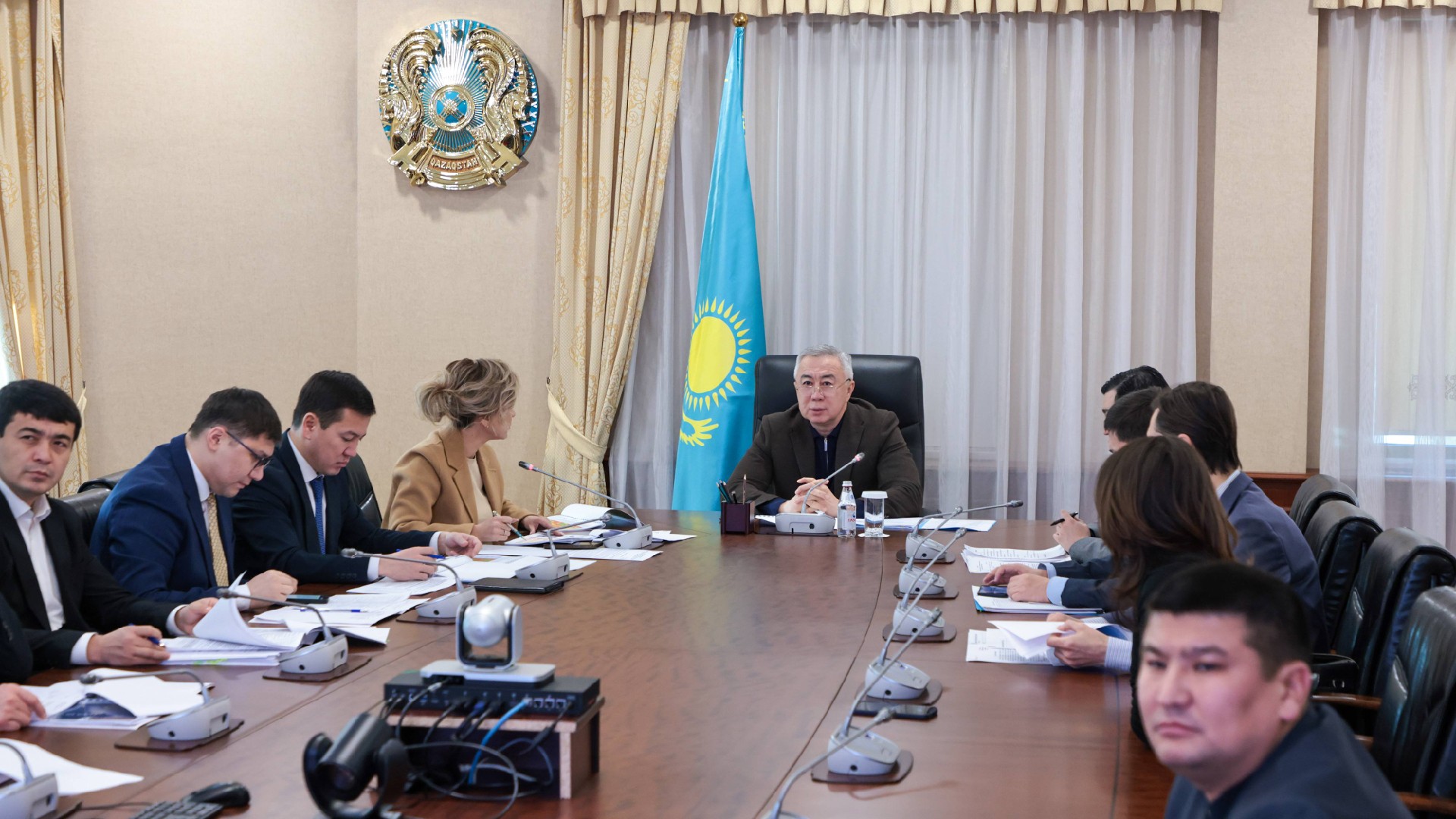 On Saturday, at the next meeting on stabilizing inflation, held under the chairmanship of Deputy Prime Minister – Minister of National Economy Serik Zhumangarin, preliminary results of the analysis of the food basket regarding the possible expansion of the list of socially significant goods were presented.
The third week of November passed with zero growth in prices for socially significant food products. According to First Vice Minister of Trade and Integration Aizhan Bizhanova, in October the largest contribution to food inflation came from tomatoes (15.8%), minced meat (3%), boneless beef (2.2%), bone-in horsemeat (1.5%), cucumbers (7.4%), fresh fish (2.6%), bananas (2.8%), and other food products. At the same time, in annual terms, compared to the first ten months of last year, tomatoes became cheaper by 36.6%, and cucumbers by 43.4%.
"Based on the results of the analysis of food inflation in all regions, we have formed a top-30 list of goods that make the largest contribution to price growth but are not included in the list of socially significant goods. These include various types of meat, fresh fish, apples, pears, lemons, tea, cheese, cold-smoked mackerel, bananas, tomatoes, cucumbers, and other items. Among them are goods with a high share of imports as well as those whose prices mainly affect monthly, but not annual, inflation. From this list, we have identified 23 positions that could potentially be included in the list of socially significant goods. We will now discuss these proposals with the business community," noted Aizhan Bizhanova.
For entrepreneurs, expansion of the list means compliance with established requirements: transaction transparency, contract execution, issuance of invoices and the registering of fiscal receipts, as well as compliance with the legislatively prescribed trade markup of no more than 15%.
These measures are aimed at ensuring transparency in the turnover of the most in-demand food products and minimizing the influence of unproductive intermediaries on the final price.
Following the meeting, Serik Zhumangarin instructed the Ministry of Trade and Integration to conduct discussions on each proposed item with the business community, industry associations, and the National Chamber of Entrepreneurs "Atameken", and to additionally analyze the structure of imports. Final decisions will be made only after all consultations are completed.



Stay updated about the events of the Prime minister and the Government of Kazakhstan - subscribe to the official Telegram channel
Subscribe