25 May 2026, 14:18
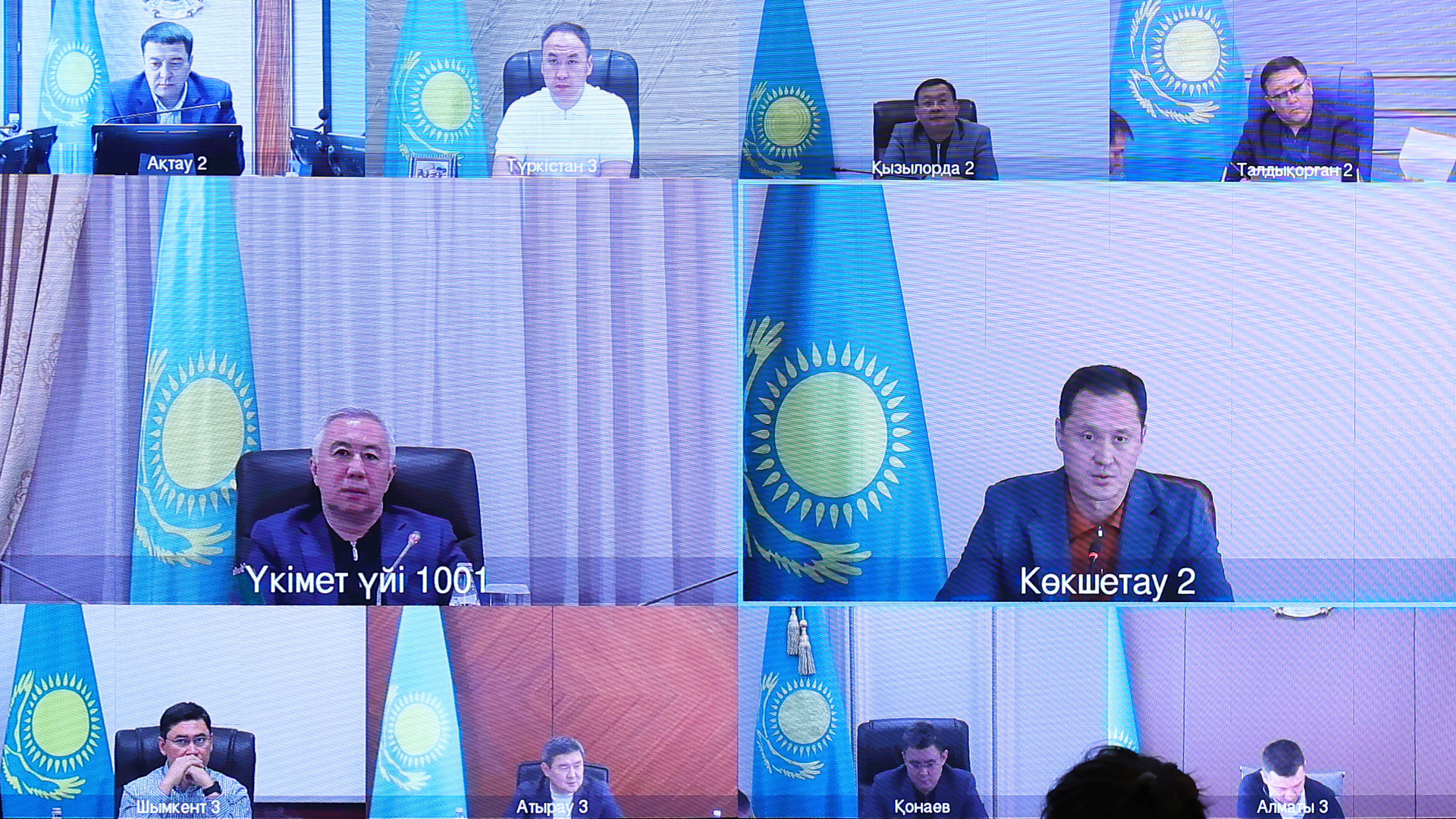
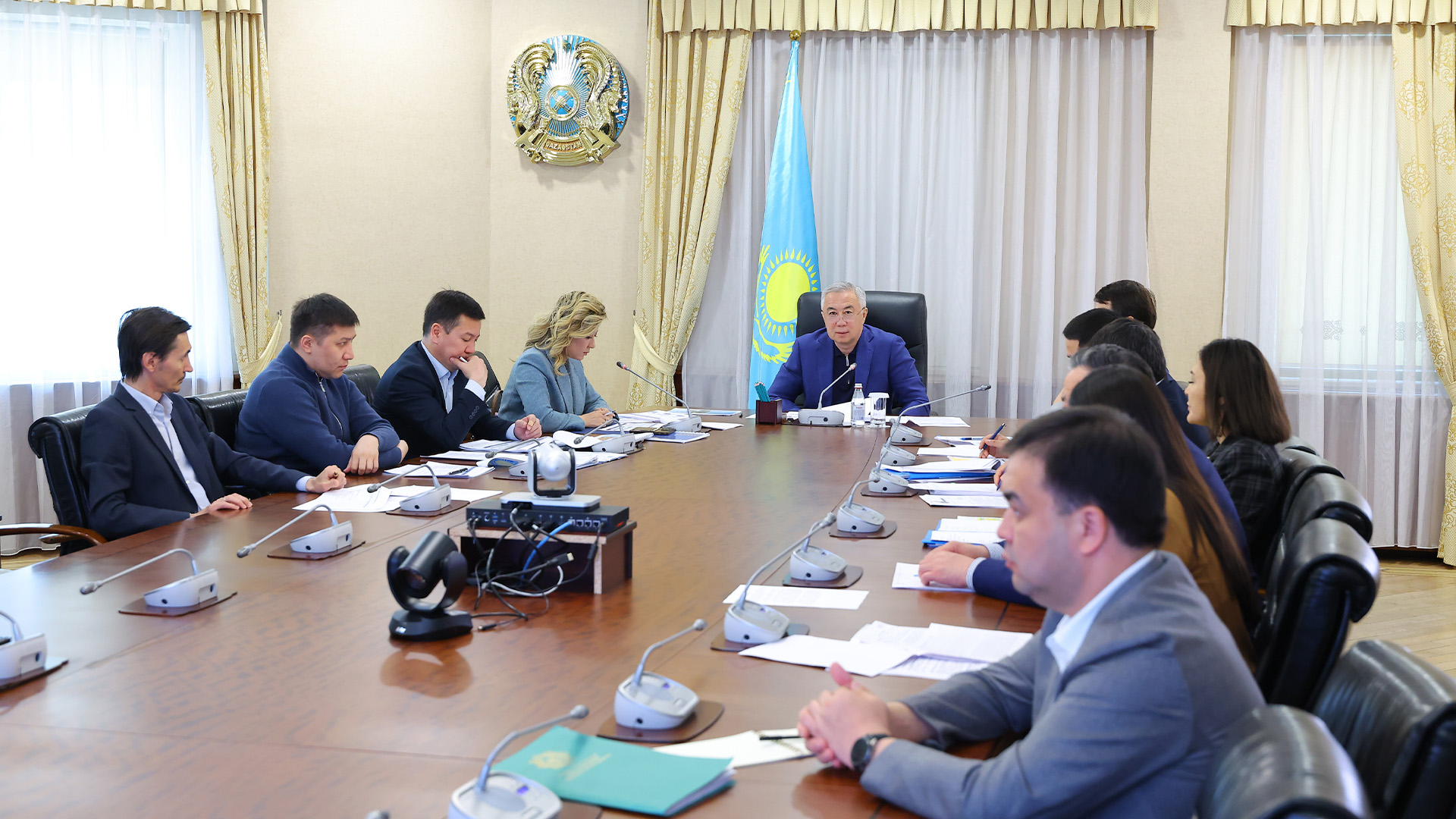 Under the chairmanship of Deputy Prime Minister – Minister of National Economy Serik Zhumangarin, the Government reviewed the current situation regarding food inflation and prices for socially significant food products.
In April 2026, food inflation stood at 0.7%, while annual inflation continues to slow and has decreased to 11.3% (13.5% in December 2025, 12.9% in January, 12.7% in February, and 11.7% in March).
For the third consecutive week, the price index for socially significant food products (SSFP) remains at zero. The main contribution to their stabilization came from major regions: in Astana and Almaty, price growth was 0%, in Shymkent and Turkistan Region a decrease of 0.1% was recorded, in Almaty Region — 0.5%, and in Akmola Region — 0.9%.
The largest price decreases were recorded for tomatoes (-25.6%), cabbage (-18.7%), as well as sunflower oil, fish, buckwheat groats, and flour. At the same time, growth continues for some vegetables: onions — by 28.6%, carrots — by 15.7%, and potatoes — by 10.4%. As fresh harvest arrives, price dynamics are expected to stabilize.
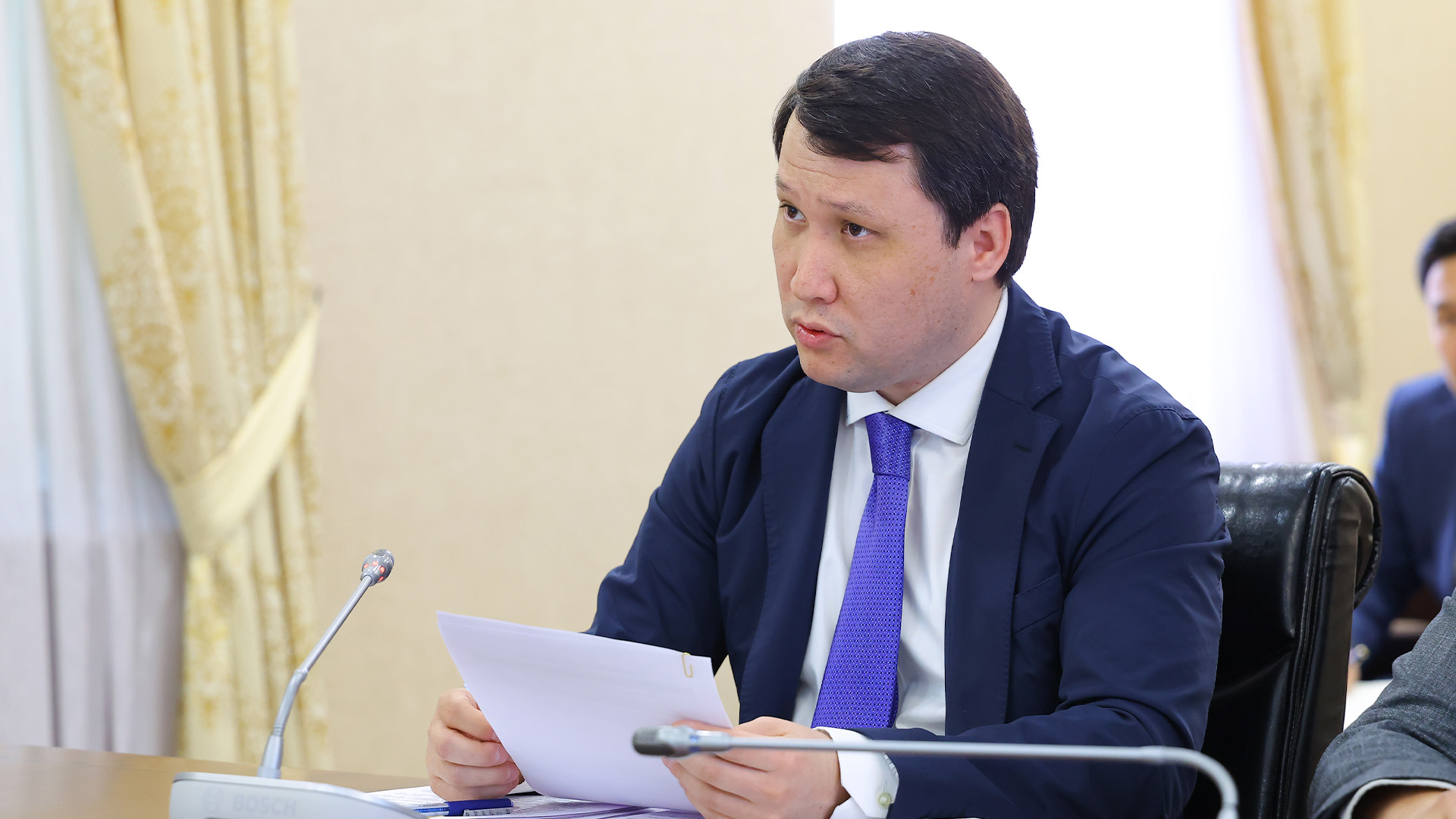
First Deputy Minister of Trade and Integration Aizhan Bizhanova noted that this year, supplies of fresh vegetables to the domestic market are being carried out steadily and in an organized manner, including through the implementation of the “Green Corridor” mechanism and saturating the domestic market with imported products. Through KTZ Express, supplies of about 20 thousand tons of potatoes, 10 thousand tons of carrots, more than 6 thousand tons of onions, and 22 thousand tons of cabbage from neighboring countries were ensured. This helped smooth out seasonal fluctuations and ensure stable supply until the mass arrival of the domestic harvest.
According to Vice Minister of Agriculture Yermek Kenzhekhanuly, early cabbage harvesting continues in Turkistan Region. Out of the planned 263.6 thousand tons, 158.6 thousand tons have already been harvested as of May 22.
Overall, this year it is planned to harvest 221.1 thousand tons of potatoes, 58.8 thousand tons of onions, and 34.7 thousand tons of carrots. The main volume will be provided by Turkistan Region. Additional supplies are also expected from Almaty and Zhambyl regions.
Work continues in parallel to eliminate unproductive intermediaries and restore order throughout the entire supply chain. Since the beginning of the year, the number of administrative fines has increased by 14.5%, and more than 1,500 administrative cases have been initiated. More than 400 wholesale suppliers, who provide deliveries to more than 3,500 retail trade entities, have been held accountable.
Also, according to the First Vice Minister of Trade and Integration, digital analysis of the supply chain continues. Since the beginning of the year, more than 17 thousand chains of electronic invoices have been analyzed, and about 2,500 risks of violations of trade, tax, and antimonopoly legislation have been identified.
Cases of significant overpricing are under constant control. The work is aimed both at suppressing violations and preventing unfair practices.
Aizhan Bizhanova presented the results of an experiment to promote domestic products — cheese — implemented by the National Analytical Center at NU together with the Magnum retail chain in Astana. As part of the project, banners, stickers, shelf tapes, and audio announcements with an emphasis on the “Made in Kazakhstan” marking were used in stores for four weeks. As a result, sales of Kazakh cheese in the pilot stores increased by 20%. From July 1, the project is planned to be scaled across Kazakhstan.
Following the meeting, Serik Zhumangarin instructed to strengthen control measures, continue contracting early vegetables with producers from the southern regions, and provide the regions with discounted grain.




Stay updated about the events of the Prime minister and the Government of Kazakhstan - subscribe to the official Telegram channel
Subscribe