08 September 2026, 12:30
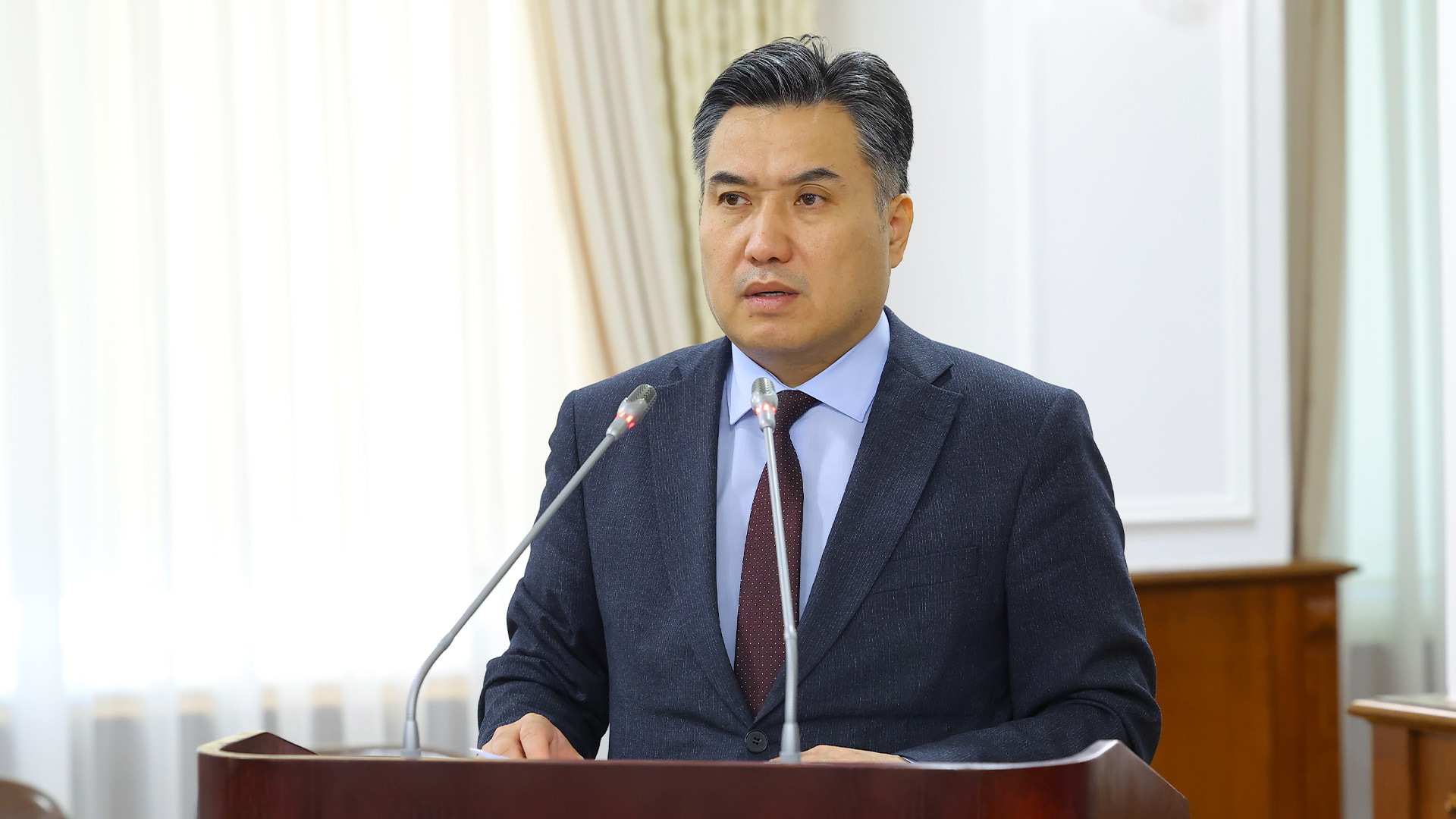 By 2035, Kazakhstan's economic demand for personnel will reach 2.9 million people, of whom 1.8 million will be blue-collar specialists. In this regard, the workforce training system must operate proactively to ensure qualifications align with current and future economic needs. Minister of Labour and Social Protection of the Population Askarbek Yertaev announced this at the Government session.
He noted that the country's labor force currently stands at 9.8 million people, with 9.4 million employed, bringing the employment rate to 96%. A significant portion of labor resources holds technical and vocational education. At the same time, the labor market maintains a high demand for blue-collar personnel—more than half of the vacancies posted on the Electronic Labour Exchange account for blue-collar professions. This indicates that the key task is not creating new jobs, but training specialists who meet the economy's requirements.
According to forecasts, the highest demand for personnel up to 2035 will be observed in industry, construction, agriculture, and information technology. Consequently, the list of most in-demand professions is expanding from 51 to 174 specialities. It includes professions in engineering, construction, manufacturing, biotechnology, green energy, and nuclear energy.
The Minister also emphasized that technological advancements and artificial intelligence are already reshaping the labor market structure. Some professions will gradually disappear, many will transform, and new areas of activity will simultaneously emerge. Under these conditions, it is necessary to identify promising professions in advance and update qualifications and educational programs in a timely manner so that the workforce training system meets modern economic demands.
Systemic measures are being adopted to strengthen sectoral interaction. In particular, occupational standards are being provided for blue-collar professions most in demand by the economy. A mandatory AI component will be embedded in the standards, covering digital skills, the use of AI tools, BI analytics, and cybersecurity. By the end of this year, occupational standards are planned to cover more than 600 blue-collar professions.
Furthermore, work is underway to automatically verify educational programs for compliance with occupational standards requirements by integrating education and labor information systems. An AI service has already been launched for developing occupational standards, and draft proposals for over 100 occupational standards have been sent to state bodies.
Another measure is the development of the professional qualifications system across five areas. The first is the regulation of short-term training: in the first quarter of 2027, a unified registry of short-term training organizations will be established on the Career Enbek platform with unified quality requirements for educational programs based on occupational standards and mandatory recognition of results through certification. The second is the introduction of a workforce passport for investment projects at the planning stage. The third is strengthening interagency interaction: approving sectoral qualification development plans for 2027–2029 with specific KPIs; the plan has already been approved by the ministry. The fourth is a phased transition from qualification handbooks to occupational standards, with completion targeted by 2030. The fifth is involving employers in the qualification system: engaging major companies in the recognition of professional qualifications.
It was noted that a unified digital ecosystem will be created in Kazakhstan, combining vocational training, qualification confirmation, employment, and further professional development of citizens. Implementing modern digital solutions will increase procedural transparency, personnel forecasting accuracy, and labor market management efficiency.
The entire qualification recognition journey—from center accreditation to certificate issuance—will be digitalized. This will ensure procedural transparency and make the professional recognition system more accessible to citizens. Based on Big Data and artificial intelligence technologies, forecasting economic manpower needs will be upgraded. State educational orders will be allocated considering real demand across sectors and regions.
"Digital tracking of an individual's career trajectory will also be introduced—from career choice and education to employment and ongoing professional development. Thus, digitalisation must shift from simple data accounting to effective management decision-making," Askarbek Yertaev emphasized.
Special focus is placed on building an inclusive labor market that guarantees equal access to education and employment for persons with disabilities. To achieve this, a unified support system will be created—ranging from vocational guidance and training to workforce entry and job retention.
#Employment #Government session #Ministry of Labor



Stay updated about the events of the Prime minister and the Government of Kazakhstan - subscribe to the official Telegram channel
Subscribe