07 April 2026, 12:00
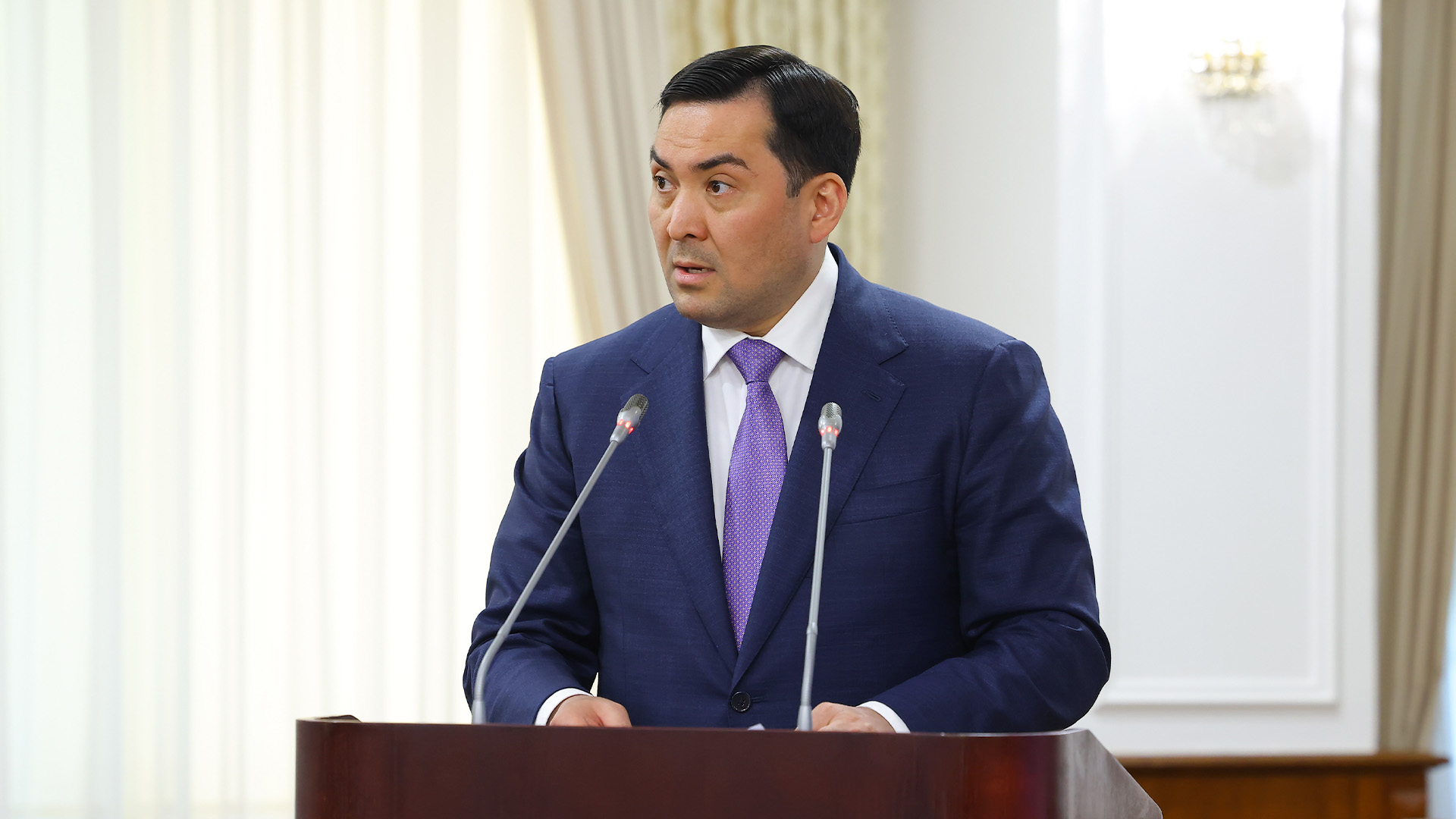 Minister of Energy of the Republic of Kazakhstan Yerlan Akkenzhenov reported at the Government session on the measures being taken to implement the Head of State’s instruction on the development of coal generation.
He noted that in fulfillment of the instruction of the Head of State to grant the development of coal generation the status of a national project, the Government approved the National Project “Development of Coal Generation” on March 20, 2026. The document provides for the implementation of a set of investment projects with a total installed capacity of approximately 7.8 GW. The key areas of the national project are:
“Overall, the structure of this project is not focused on narrow development of coal generation, but on the comprehensive and holistic development of the entire industry. It is about a balanced approach that covers generation, investment attraction, development of fuel and logistics infrastructure, strengthening human resources, and related areas. This systematic approach will ensure a multiplier effect and contribute to the sustainable development of the economy as a whole,” Yerlan Akkenzhenov emphasized.
The Minister stated that Kazakhstan possesses significant coal reserves and ranks 10th in the world by this indicator — enough for more than 300 years at current production levels. The largest coal deposits are located in two main regions:
According to the ministry, the country’s total coal reserves amount to 33.6 billion tons. The industry is showing growth in production, ensuring stable supply to the domestic market and increasing export deliveries. The majority of extracted coal is directed to the domestic market and used in electricity generation, the housing and utilities sector, and industry. The level of coal exports remains stable. In 2025, coal production reached approximately 115.9 million tons, a 7% increase compared to 2024. Of this, 85.9 million tons were used for domestic consumption and housing and utilities needs, while coal exports reached 30 million tons. The main export destinations are the Russian Federation, Poland, Uzbekistan, Turkey, India, Malaysia, and others.
Currently, 40 subsoil users are operating in the solid minerals (coal) sector under 41 contracts. Systematic work is underway to attract new investments into the coal industry. In 2025, investment in the coal sector under working programs to contracts amounted to 305 billion tenge, and in 2026 it is expected to reach approximately 553.5 billion tenge.
“It should be noted that about 32,000 people are employed in the coal industry. With sustainable development of this sector, an increase in jobs is expected. The ministry pays special attention to the development of geological exploration in the coal sector. By the end of this year, an auction is planned for granting subsoil use rights to approximately 10 coal deposit sites,” Yerlan Akkenzhenov added.
It was noted that in August 2025, the functions of the competent authority in the coal industry were transferred to the Ministry of Energy of the Republic of Kazakhstan, which made it possible to consolidate state regulation of the sector and ensure a comprehensive approach to its further development.
Special attention is being paid to the development of coal geological exploration. By the end of the current year, an auction is planned for granting subsoil use rights for approximately 10 coal deposit sites.
Within the framework of the National Project “Development of Coal Generation”, special emphasis is placed on the application of “clean coal” technologies aimed at improving the environmental friendliness and efficiency of coal generation. This includes the construction of high-efficiency coal-fired power plants using advanced technological solutions that ensure high efficiency and reduced specific emissions.
In parallel, the introduction of modern flue gas cleaning systems, including deep filtration technologies for capturing particulate matter and heavy metals, will significantly reduce the negative environmental impact. A promising area is the development of coal gasification, which opens opportunities for more environmentally friendly use of coal resources. The implementation of these measures is expected to bring coal generation to a qualitatively new technological level, increase its competitiveness, and ensure a balance between economic development and environmental requirements.
As a result of the national project implementation, the following key effects are expected:
The National Project provides for the comprehensive development of generating capacities, including the construction of 8 new coal generation facilities with a capacity of 5.3 GW, as well as the modernization, expansion, reconstruction, and technical re-equipment of 11 existing energy sources with a capacity of 2.5 GW.
One of the key areas in the development of the coal industry is the development of coal chemistry. Currently, 3 projects are being implemented in the coal chemistry sector:
Another 3 projects are at the development stage:
“The coal industry retains its strategic importance for the country’s economy, ensuring energy security and export potential. Kazakhstan’s rich coal resources will allow the creation of new production facilities in the coal chemistry sector. At the same time, the development of coal chemistry is accompanied by factors such as high capital intensity, technological complexity of projects, limited experience in implementing modern technologies, the need to develop human resources, and the regulatory framework still being formed,” Yerlan Akkenzhenov noted.
At the same time, positive effects for the economy are expected, including:
Further development of the industry will be linked to increasing the depth of coal processing, attracting new investments, technological modernization of mining operations, and the development of the coal chemistry direction.
An important area for improving industry efficiency is digitalization. Currently, digital services for monitoring the autumn-winter period, digitalization of tariff regulation, and artificial intelligence solutions for diagnosing thermal and electrical networks are being implemented in the electric power industry. These measures are aimed at improving the reliability of energy supply, increasing process transparency, and reducing production costs.
In addition, considering coal’s key role in electricity and heat generation, the ministry is working on the introduction of a “Coal Distribution” subsystem as part of the Unified State System for Management of the Fuel and Energy Complex. To date, a model of current processes has been developed and specifications for the software are being formed, allowing the transition to building the target architecture for digital coal distribution management. The implementation of this subsystem is aimed at eliminating systemic imbalances in the industry, including imbalances in supply and demand, limited transparency in distribution, and inefficient logistics.
#Energy #Government session #President's instruction“The implementation of the project will create a single digital contour for state-level coal distribution management, ensuring operational monitoring, forecasting, and management decision-making, as well as increasing transparency, manageability of distribution, and optimization of logistics. The ministry will continue systematic work to maintain the positive dynamics of development in the coal industry and generation,” Yerlan Akkenzhenov concluded.



Stay updated about the events of the Prime minister and the Government of Kazakhstan - subscribe to the official Telegram channel
Subscribe