23 December 2025, 11:15
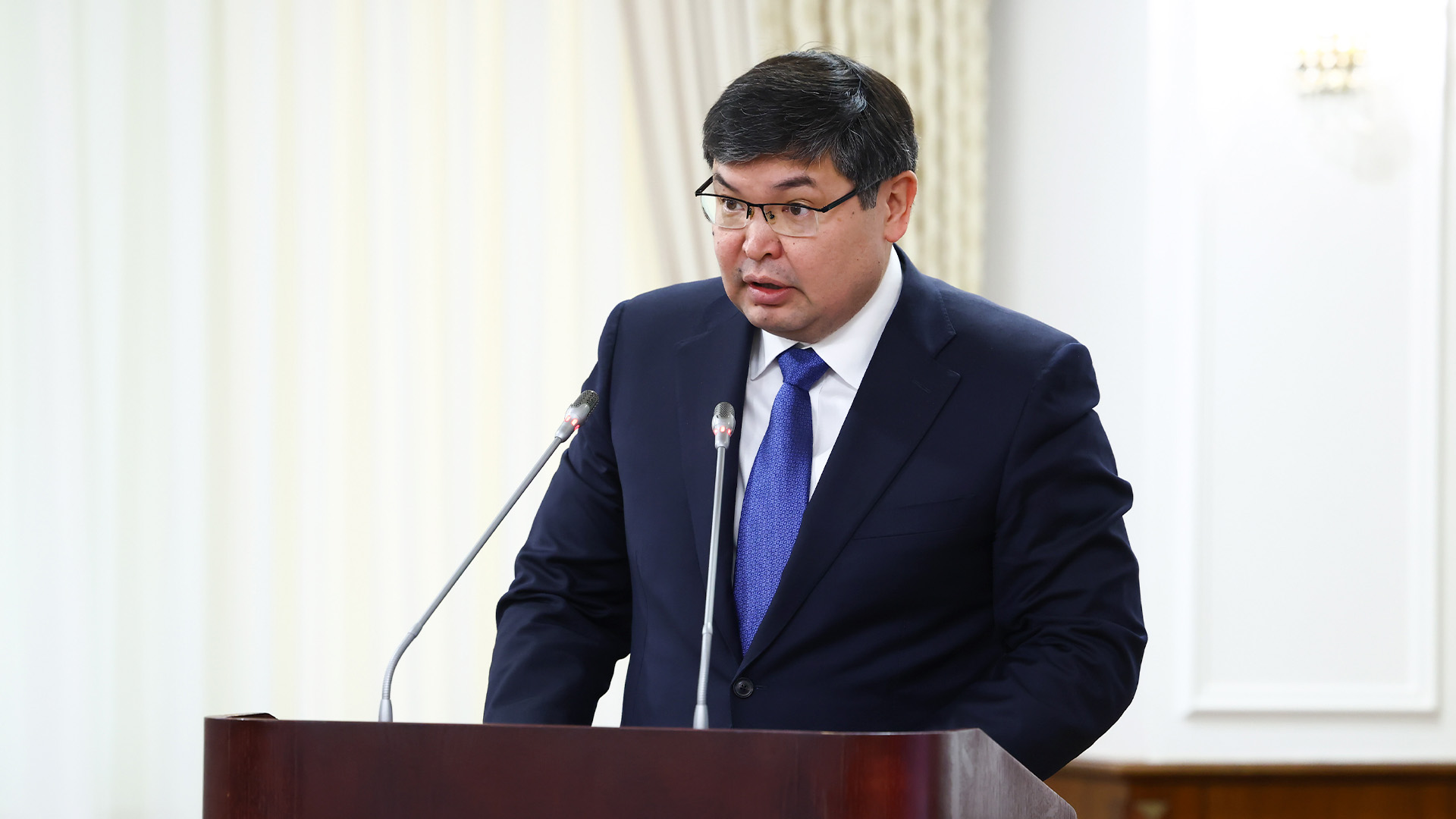 Minister of Finance of the Republic of Kazakhstan Madi Takiyev reported at a Government meeting on the measures being taken to support micro and small businesses.
He noted that the country is implementing a transition to a new model of tax administration. The key approach is a shift from “control for the sake of control” to service-based support of the taxpayer, starting from the moment of registration and throughout the entire period of business activity.
“This will be ensured through the development of electronic services and integrations on the platforms of the State Revenue Committee, second-tier banks, and other digital channels,” Madi Takiyev уточнил.
Among the solutions:
The Minister explained that after registering as a VAT payer, an entrepreneur will undergo basic training on the State Revenue Committee platform (in the Electronic Invoices Information System) on the following issues:
Madi Takiyev also reported on the reduction of tax reporting requirements for entrepreneurs. According to him, the number of tax reporting forms has been decreasing annually; for example, since 2009 it has been reduced from 70 to 28, or by 60%. Now, additionally, from January 1, 2026, for those whose amount of obligations does not exceed 1 million tenge, quarterly calculations of current payments for property tax, transport tax, and land tax will be abolished. An entrepreneur will submit one declaration at the end of the year and make payment based on the annual results.
An important innovation is the departure from the practice of imposing “penalties” for failure to submit reports. If a declaration is not submitted, it will be considered as filed with zero indicators, while the right to submit additional reporting and correctly clarify the data is retained.
“We are significantly changing approaches to the forced collection of tax arrears so that measures are proportionate and do not ‘put pressure’ on micro and small businesses because of small amounts,” Madi Takiyev explained.
It was noted that the main change is the increase in thresholds at which enforcement measures begin. Previously, tax arrears collection began at about 26 thousand tenge or 6 MCI, and for social contributions there was effectively no threshold. Now, for tax arrears, the threshold is increased to 87 thousand tenge or 20 MCI, and for social payments to about 26 thousand tenge or 6 MCI.
According to the ministry, currently, due to the absence of a threshold for social payments, it is small businesses that often fall under enforcement measures—about 72% of debtors have debts of up to 6 MCI. Now the measures being applied become clear:
The new Tax Code also provides for important support measures. For taxpayers with arrears of up to 1,500 MCI (about 6.5 million tenge), a deferral or installment plan of up to one year will be available without collateral or a bank guarantee. This means less bureaucracy, no need for valuation and insurance of collateral, and shorter processing times for installment arrangements. For participants in horizontal monitoring, installment plans will also be provided without collateral and guarantees for up to 12 months.
Additionally, for manufacturers, a deferral of VAT payment on imports of goods for production purposes is provided for a period of up to one year.
In execution of the instructions of the Head of State, from January 1, 2026, tax administration for micro and small businesses will be conducted “from scratch”:
Overall, according to the ministry’s estimates, these measures will positively affect about 2 million micro and small business entities.
In addition, the Ministry of Finance is initiating the “People’s Accountant” campaign to assist entrepreneurs with tax accounting. The goal of the campaign is to provide advisory assistance to individual entrepreneurs and small businesses in preparing and submitting accounting and tax reports. The formats include:
The following will be involved in the campaign:
The campaign will be conducted during the first half of the year. The State Revenue Committee, for its part, will intensify efforts to implement the service-based model and improve the quality of public services for businesses.
#Government session #Ministry of Finance #SME



Stay updated about the events of the Prime minister and the Government of Kazakhstan - subscribe to the official Telegram channel
Subscribe