22 July 2025, 12:30
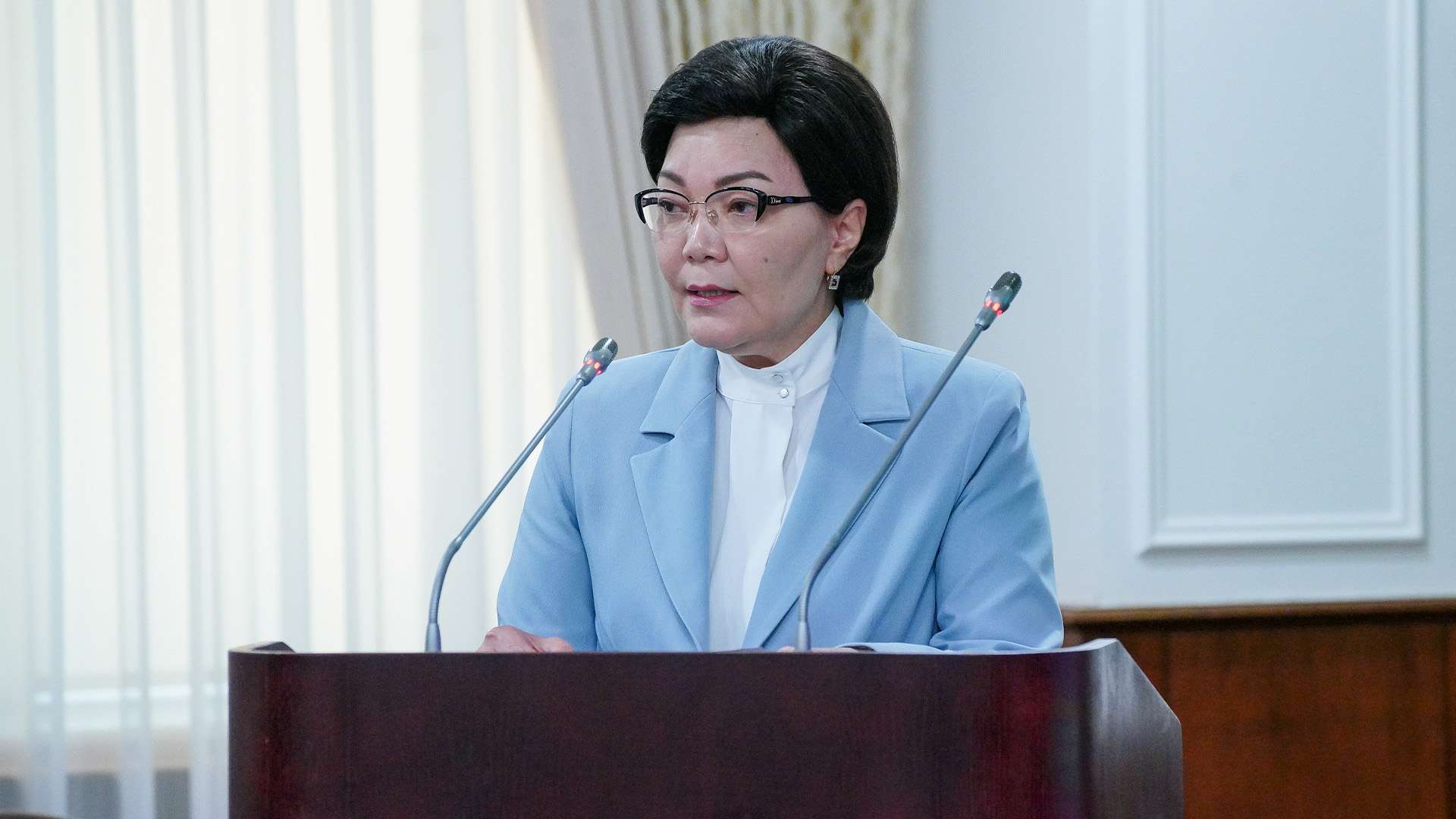 At a Government session, Minister of Labour and Social Protection of the Population Svetlana Zhakupova reported on the migration situation in the country.
She noted that the Concept of Migration Policy for 2023–2027 is currently being implemented. As of today, 83% of the activities under the concept have been completed. As a direct result, a positive migration balance has been maintained. In recent years, internal labour mobility has shown increased economic activity. Since 2022, approximately 28,000 people have been relocated under the voluntary resettlement programme. Overall, the negative migration balance in resettlement regions has been reduced fourfold.
“In the current period, the measures taken to adapt and integrate resettlers and kandas have contributed to reducing their outflow from northern regions to zero,” Svetlana Zhakupova added.
The minister also announced that Kazakhstan has begun developing a new strategic document on the development of migration and demographic policy through 2030. As part of one of its strategic directions, the document proposes the implementation of a unified digital labour migration platform to manage international and labour migration in Kazakhstan. It envisions the introduction of electronic mechanisms for the selection, registration, and integration of labour migrants, prioritizing skilled personnel.
The document will also include enhanced control over illegal employment, the shadow economy, and fictitious labour contracts. There will be monitoring of working conditions and the protection of foreign workers' rights, a review of quotas for labour-shortage sectors, and an expansion of organised migration channels.
To stimulate internal labour mobility, a comprehensive approach is proposed: first, the creation of infrastructure, followed by relocation. Additionally, new motivational mechanisms will be introduced to attract labour to regions experiencing workforce shortages through the employment system.
In terms of developing the ethnic repatriation institution, the main tasks will be to revise the approaches to the status, registration, and support of kandas, including via the “Kandas” digital platform. Regional settlement programmes will be developed for labour-deficient areas, taking into account their specific characteristics. Ethnic Kazakhs will be resettled only in regions with demographic deficits. Further improvements will also be made to adaptation measures: housing, education, language integration, and professional orientation. Integration success will be monitored along with feedback mechanisms.
Measures are also proposed to enhance demographic resilience. This goal involves developing family policies aimed at supporting families and childbirth. It includes revising support measures for active longevity and integrating elderly people into social and economic life, forecasting demographic pressure, and developing infrastructure solutions based on new growth scenarios.
It was noted that educational migration must be enhanced. The new management model will focus on the following areas:
Development of technical and vocational education in line with labour market demands;
Equal opportunities for students regardless of socio-economic background;
Balanced migration measures aligned with the needs of the economy, education, and regional development.
The need to establish an intelligent digital migration management ecosystem was also emphasized. It is essential to ensure digital manageability, transparency, and predictability of migration and demographic processes. A national unified platform integrating state information systems will be implemented. Digital services for citizens will be expanded, including notifications, status updates, and online support.
“In the face of increasing demographic and migration challenges, Kazakhstan needs a unified analytical centre capable of responding swiftly to all migration and demographic issues and formulating scientifically grounded recommendations. Therefore, within the seventh strategic direction, we propose establishing a specialised development centre under the Ministry of Labour and Social Protection to ensure effective coordination and high-quality implementation of migration and demographic policy. The creation and operation of this centre will not require any budgetary expenditure,” Svetlana Zhakupova stressed.
In conclusion, the minister added that state migration policy will be supported by modern information systems and big data processing technologies to develop predictive scenarios for the short, medium, and long term—thus forming a highly transparent scoring system to support quality decision-making.
This will improve both the accuracy of forecasting and the effectiveness of planned and implemented decisions, while ensuring continuous oversight of the implementation of activities.
#Government session #Migration #Social Security



Stay updated about the events of the Prime minister and the Government of Kazakhstan - subscribe to the official Telegram channel
Subscribe