05 March 2026, 11:10
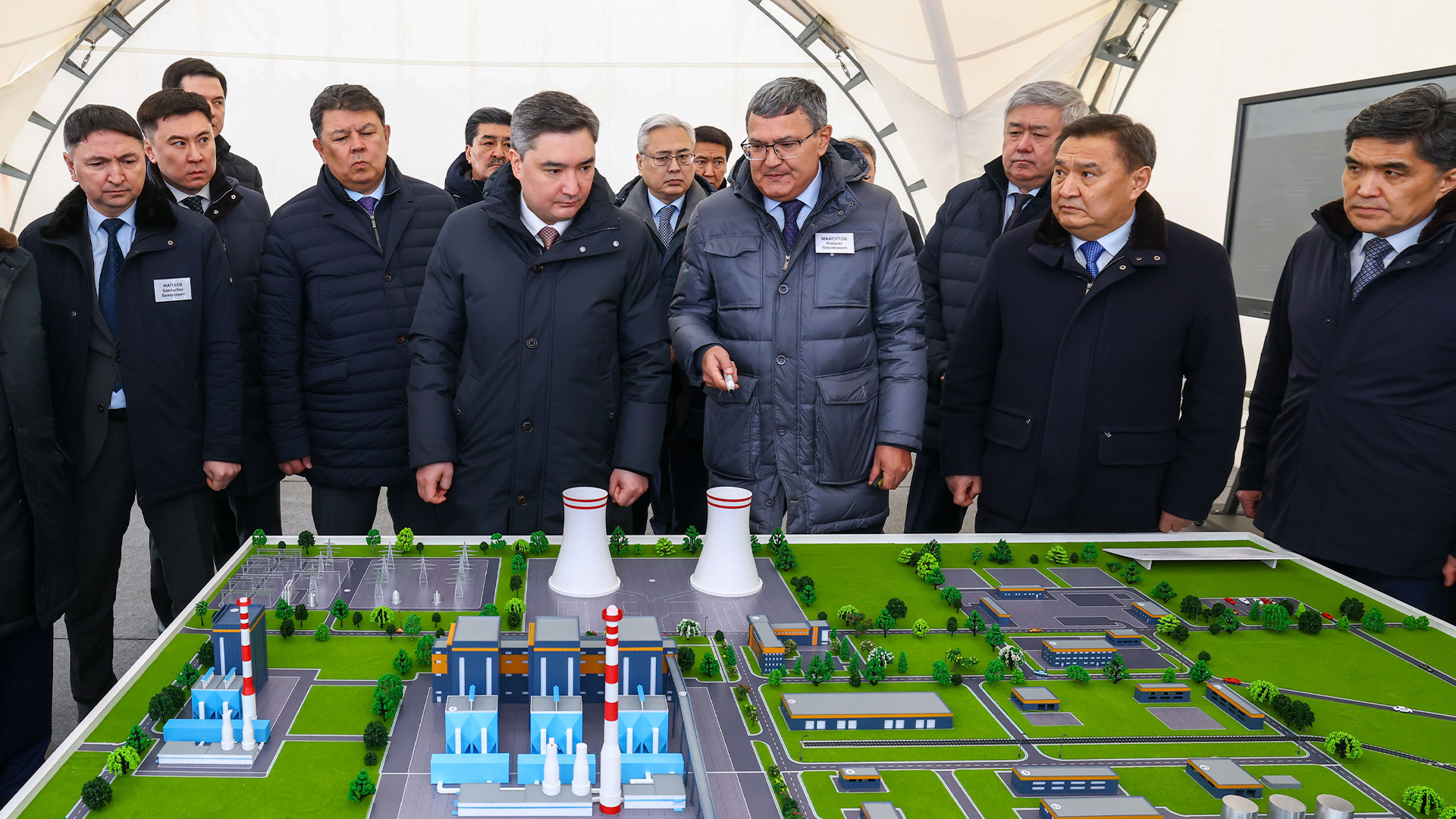
Prime Minister of the Republic of Kazakhstan Olzhas Bektenov, as part of a working visit to the Akmola Region, inspected the implementation of the President’s instructions on strengthening energy security, increasing new generation capacities, and developing the region’s infrastructure. Particular attention was given to the implementation of a strategically important project in the city of Kokshetau to construct a combined heat and power plant (CHP). The facility is included in the list of CHP plants, along with stations in Semey and Ust-Kamenogorsk, to which the Head of State attaches special importance.
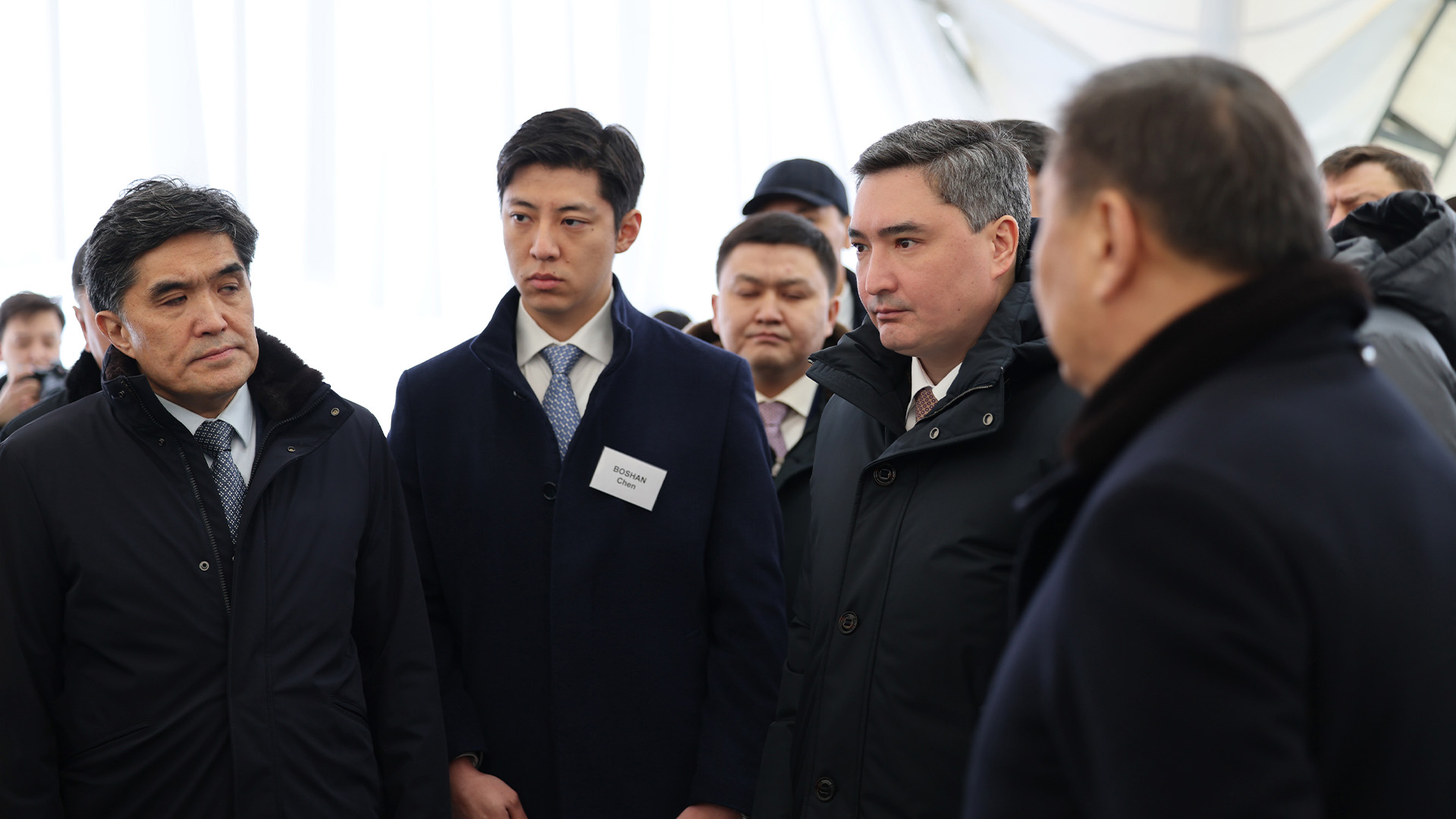
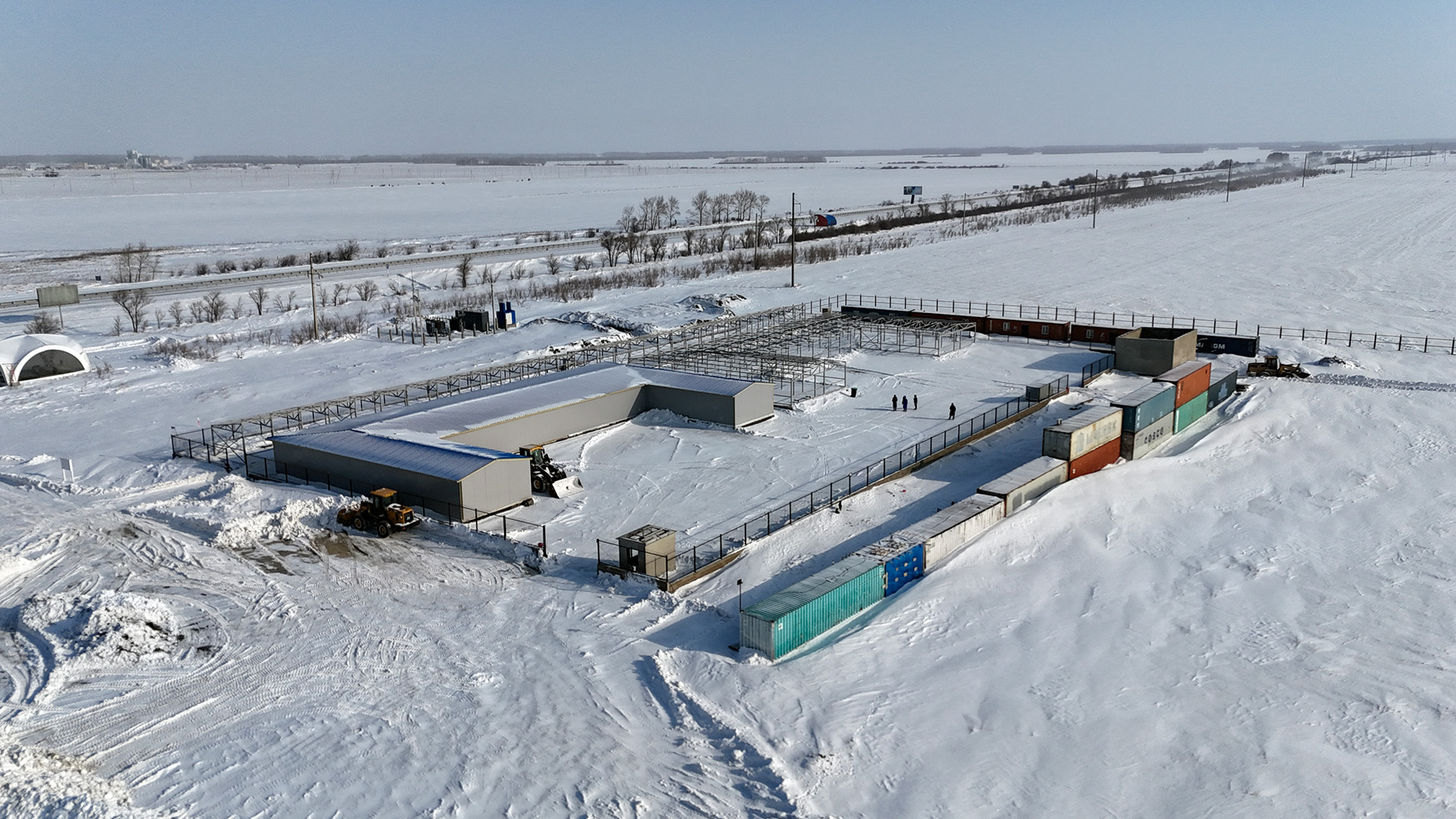
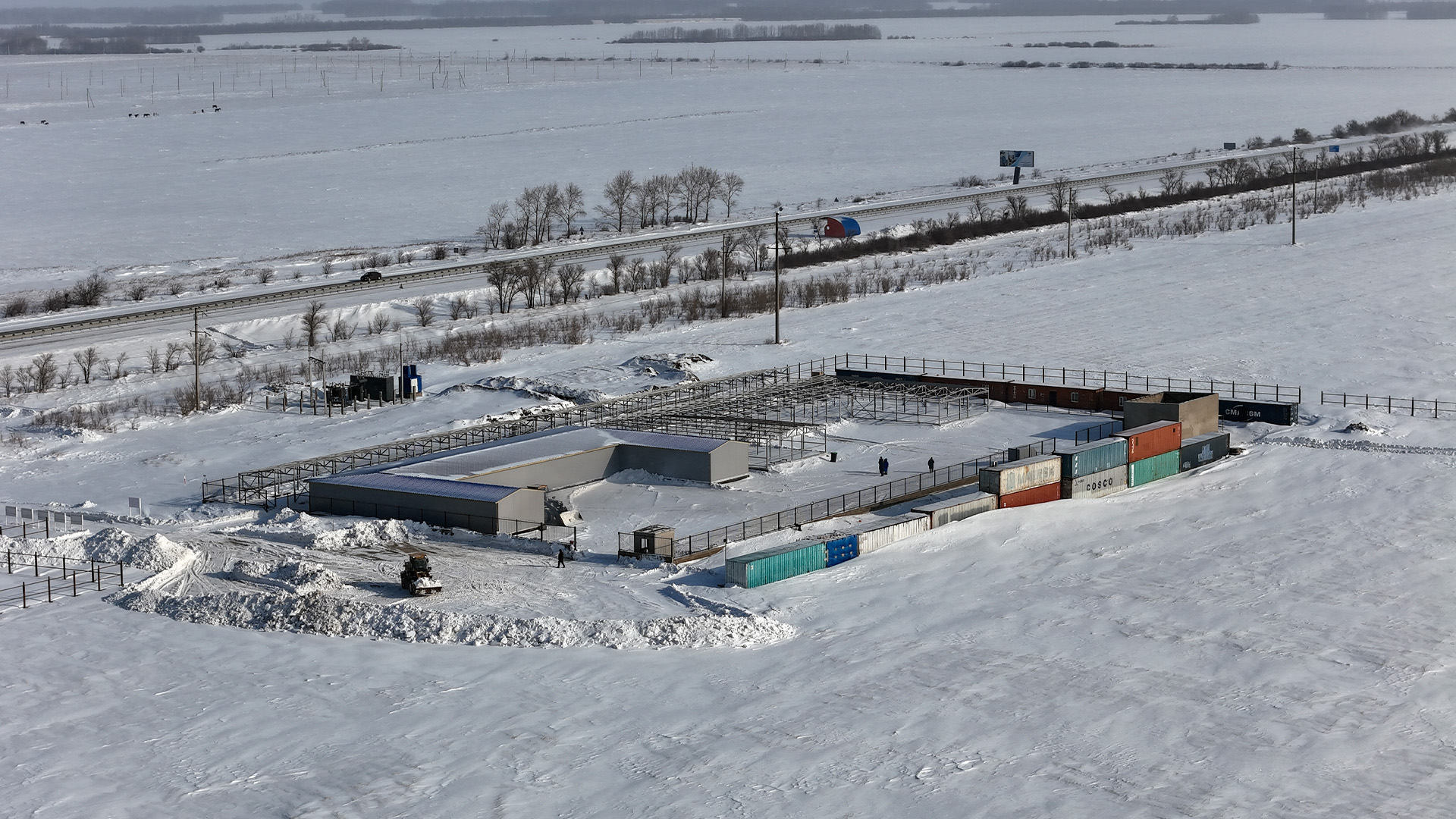
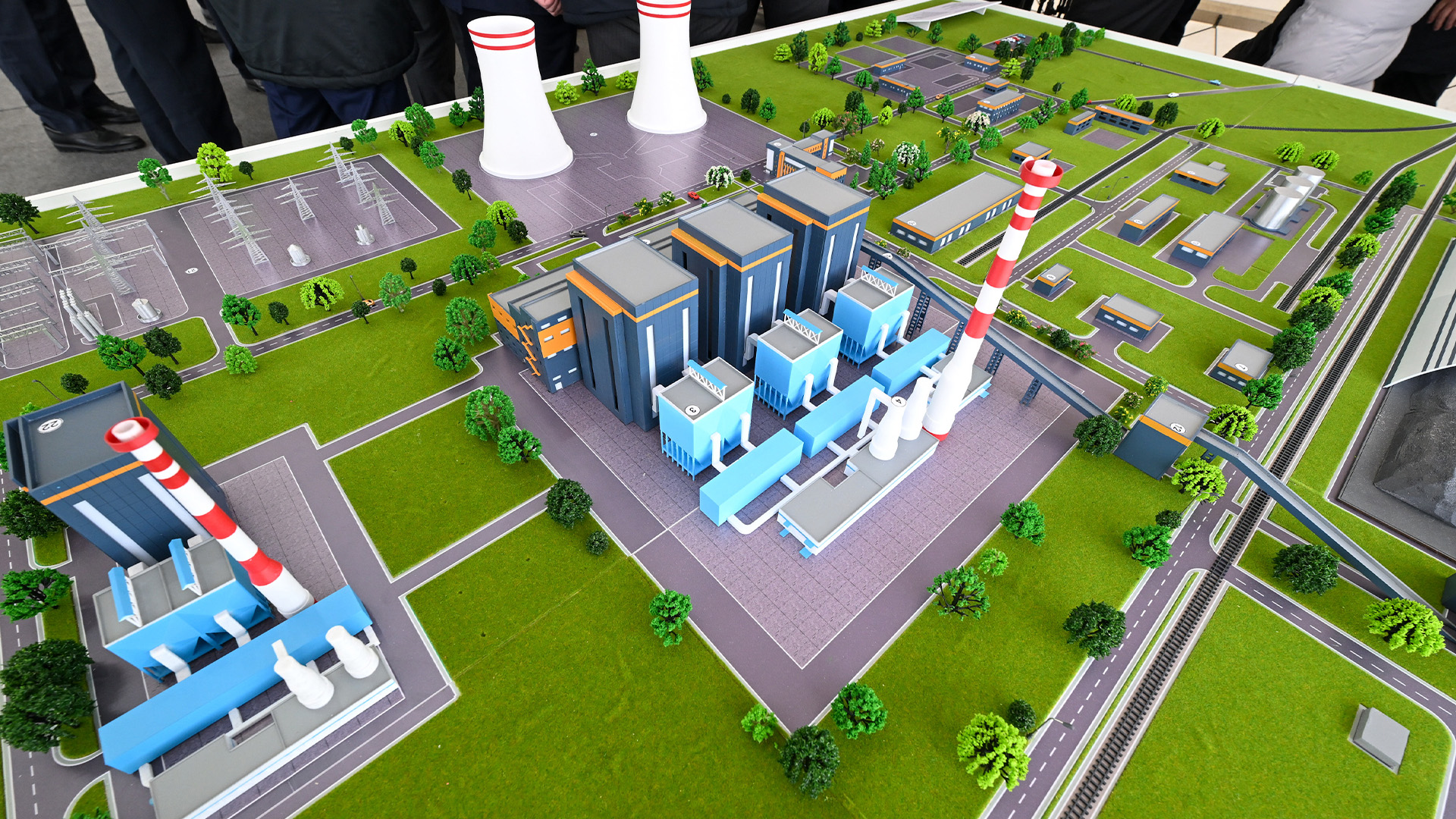
During an inspection of the site allocated for the CHP plant, the Prime Minister familiarized himself with the current status of work and the technical parameters of the future energy facility. Chairman of the Management Board of Samruk-Energo JSC Kairat Maksutov reported that a land plot of 227 hectares has been allocated for the construction of the CHP plant, and an additional 130 hectares have been allocated for the ash and slag storage area. The design capacity of the plant will be about 240 MW, while its thermal capacity will be no less than 520 Gcal/h. At the same time, taking into account the prospective growth of the city and the needs of the region, the possibility of increasing the thermal capacity by an additional 300 Gcal/h through the installation of additional hot-water boilers is being considered.
At present, the initial works have already been completed: a power transformer has been installed, temporary roads have been arranged, and a construction headquarters has been erected. Kairat Maksutov reported that starting next month the project will move into the active construction phase. Equipment deliveries to the site are expected in the first quarter of 2027. About 2,500 people will be involved in the construction of the energy facility, and about 400 permanent jobs will be created during the operational stage.
Emphasis was also placed on the environmental performance of the enterprise — the CHP plant will implement “clean coal” technology. A comprehensive flue gas purification system includes the use of low-emission burners, catalysts, and electrostatic precipitators. A unique element will be a desulfurization reactor in which gypsum suitable for use in the construction industry will be produced during the treatment of flue gases. Thus, the station will comply with the requirements of the Environmental Code of the Republic of Kazakhstan.
Olzhas Bektenov emphasized the particular importance of the construction of the Kokshetau CHP plant for infrastructure development and for providing the population with reliable and high-quality electricity and heat supply, taking into account the growing needs of the region. In Kokshetau alone, demand for heat by 2035 is estimated at more than 840 Gcal/h. Each year from 200 to 240 thousand square meters of housing are commissioned in the city, and new social facilities — schools, hospitals, and sports institutions — are being opened.
The commissioning of the plant will make it possible to cover growing demand, create a reserve of capacity, and ensure the reliable operation of the heat supply system in the long term. As a result of the project’s implementation, heat supply will potentially be provided to more than 195 thousand residents of Kokshetau, including the population of the Stantsionny settlement, and about 600 multi-apartment residential buildings will be supplied with hot water. The construction of the CHP plant will give a serious impetus to the development of the city and the creation of new enterprises. According to Samruk-Energo JSC, the completion of the project is scheduled for March 2029.
In general, according to the Ministry of Energy of the Republic of Kazakhstan, the number of CHP plants in emergency condition across the country has significantly decreased in recent years. Previously, out of 37 operating CHP plants, 19 were in the “red zone,” 11 in the “yellow zone,” and 7 in the “green zone.” Following the past heating season, the situation improved: 9 plants moved from the red to the yellow zone, and another 3 from the yellow to the green zone. As a result, there are currently 17 CHP plants in the “yellow zone” and 10 in the “green zone.”
Following the inspection of the facility, the Prime Minister instructed the ministries, the regional administration, and responsible organizations to promptly resolve emerging issues and ensure that all necessary work is carried out on time, avoiding any delays.





Stay updated about the events of the Prime minister and the Government of Kazakhstan - subscribe to the official Telegram channel
Subscribe