27 October 2026, 13:25
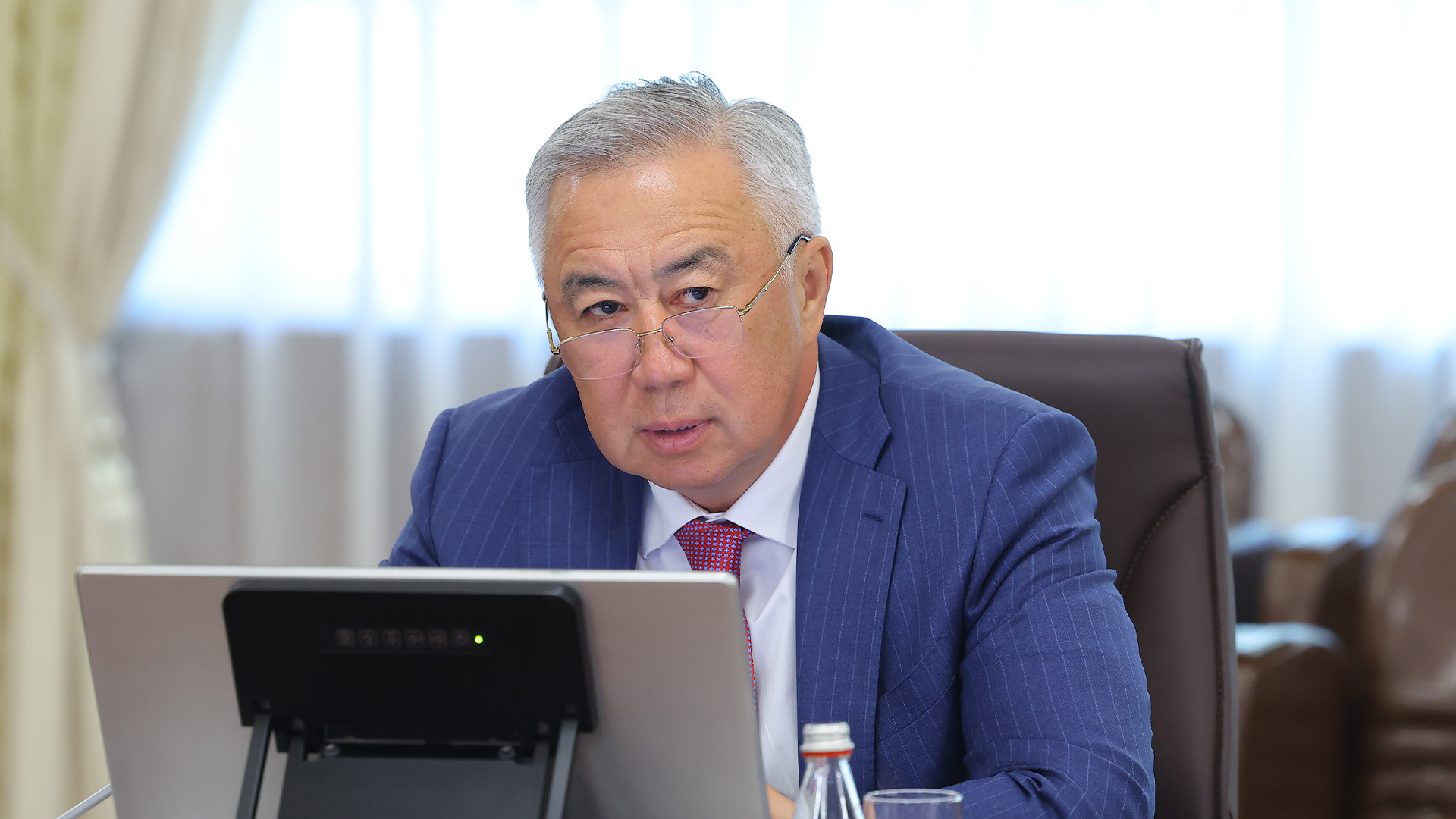
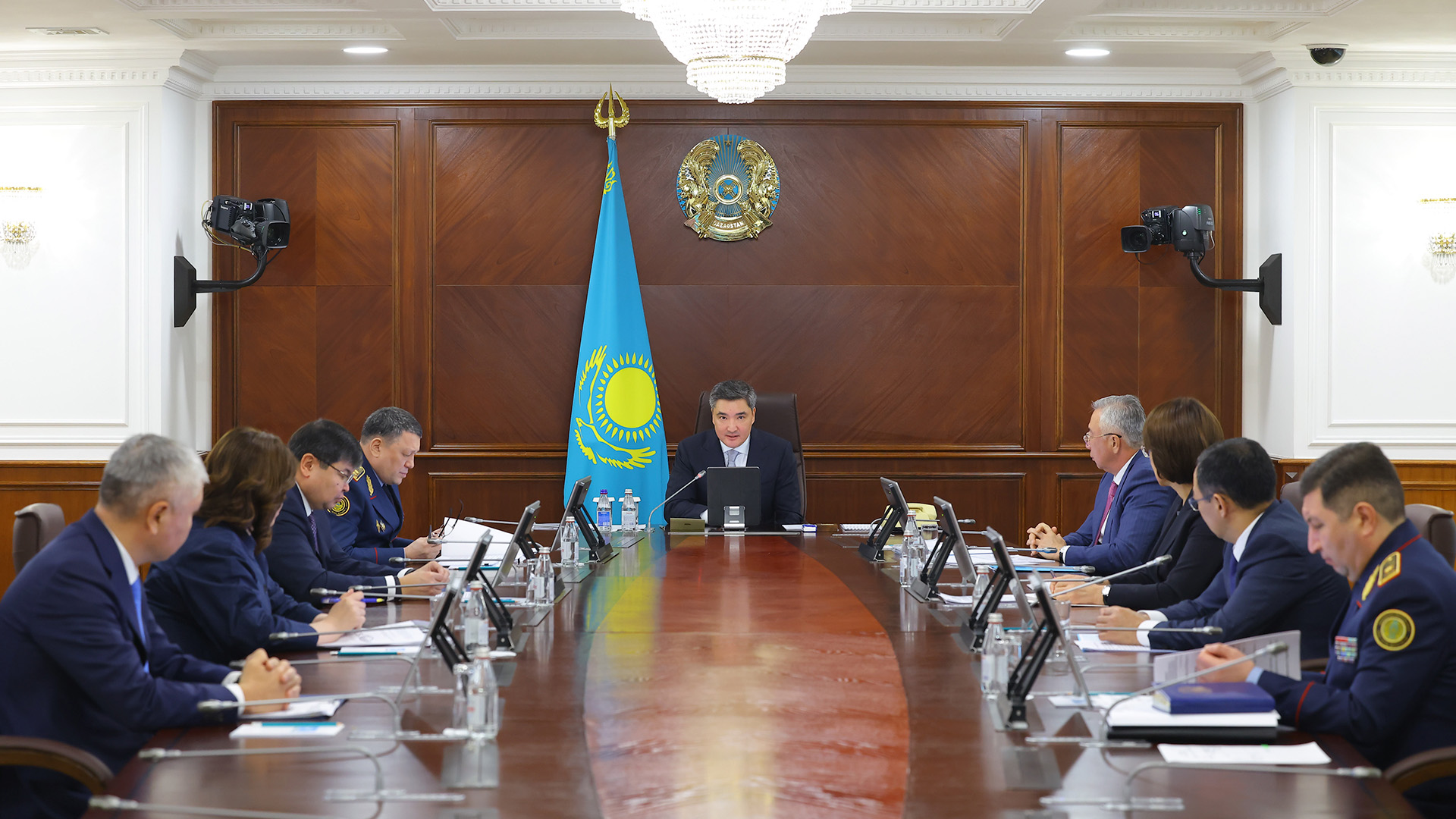 Prime Minister of Kazakhstan Olzhas Bektenov chaired a meeting of the Interdepartmental Commission on the implementation of the constitutional principle "Law and Order".
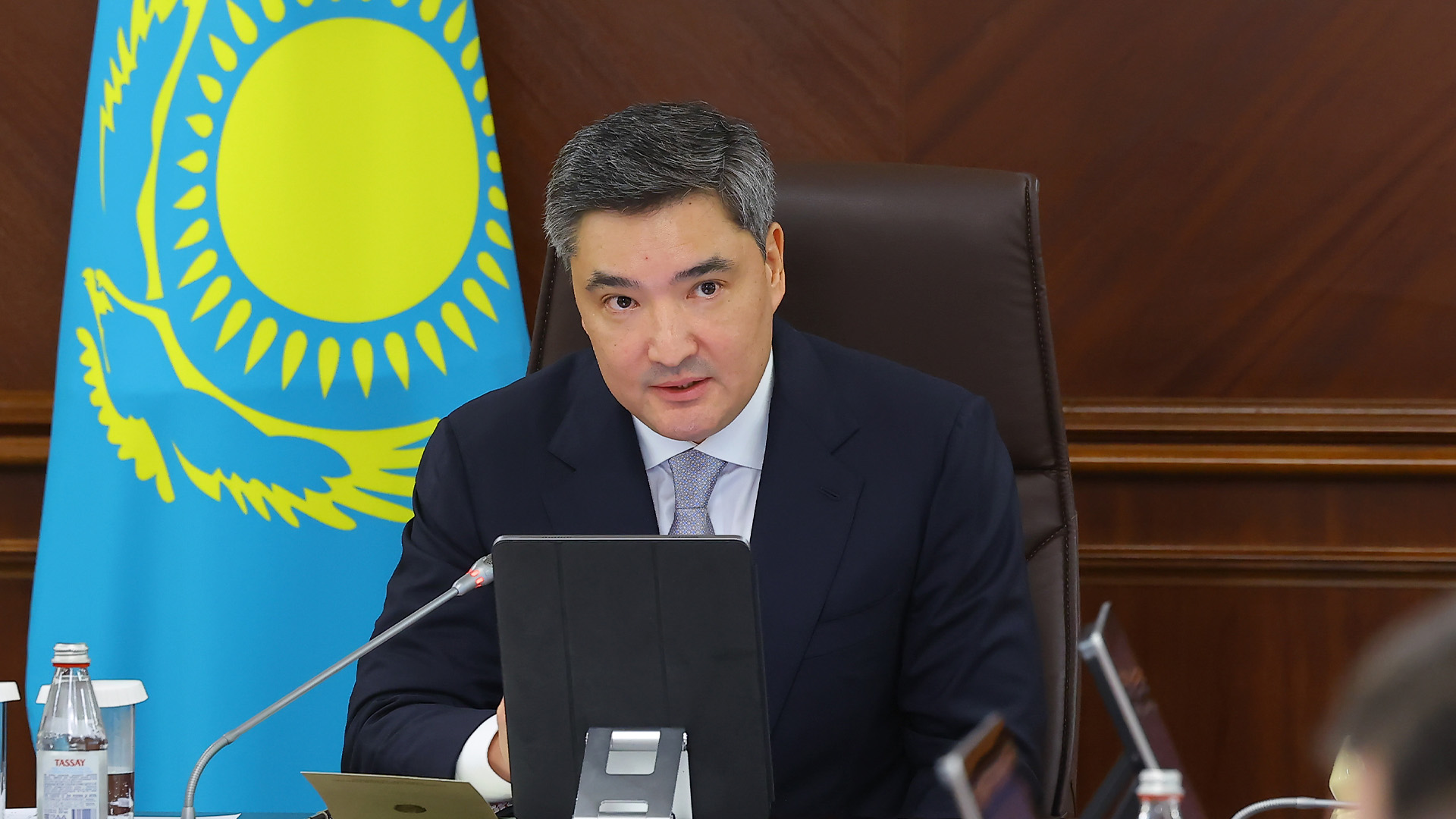
“The 'Law and Order' principle is one of the main principles of our state, enshrined at the highest constitutional level. As the President repeatedly emphasizes, a true patriot is, first and foremost, a hardworking, educated person who obeys the law, maintains order, values cleanliness, and takes care of nature. Therefore, we must all recognize, promote, and advance precisely these values. Without compliance with the rule of law, achieving the economic, social, political, and other goals of the country is impossible,” Olzhas Bektenov emphasized.
It was noted that the "Law and Order" principle is aimed at strengthening legality and public safety, while the interdepartmental commission is designed to ensure the coordination of government agencies in crime prevention.
The progress of implementing the measures of the Concept for Promoting the "Law and Order" Ideology in Society and measures for crime prevention were reviewed.
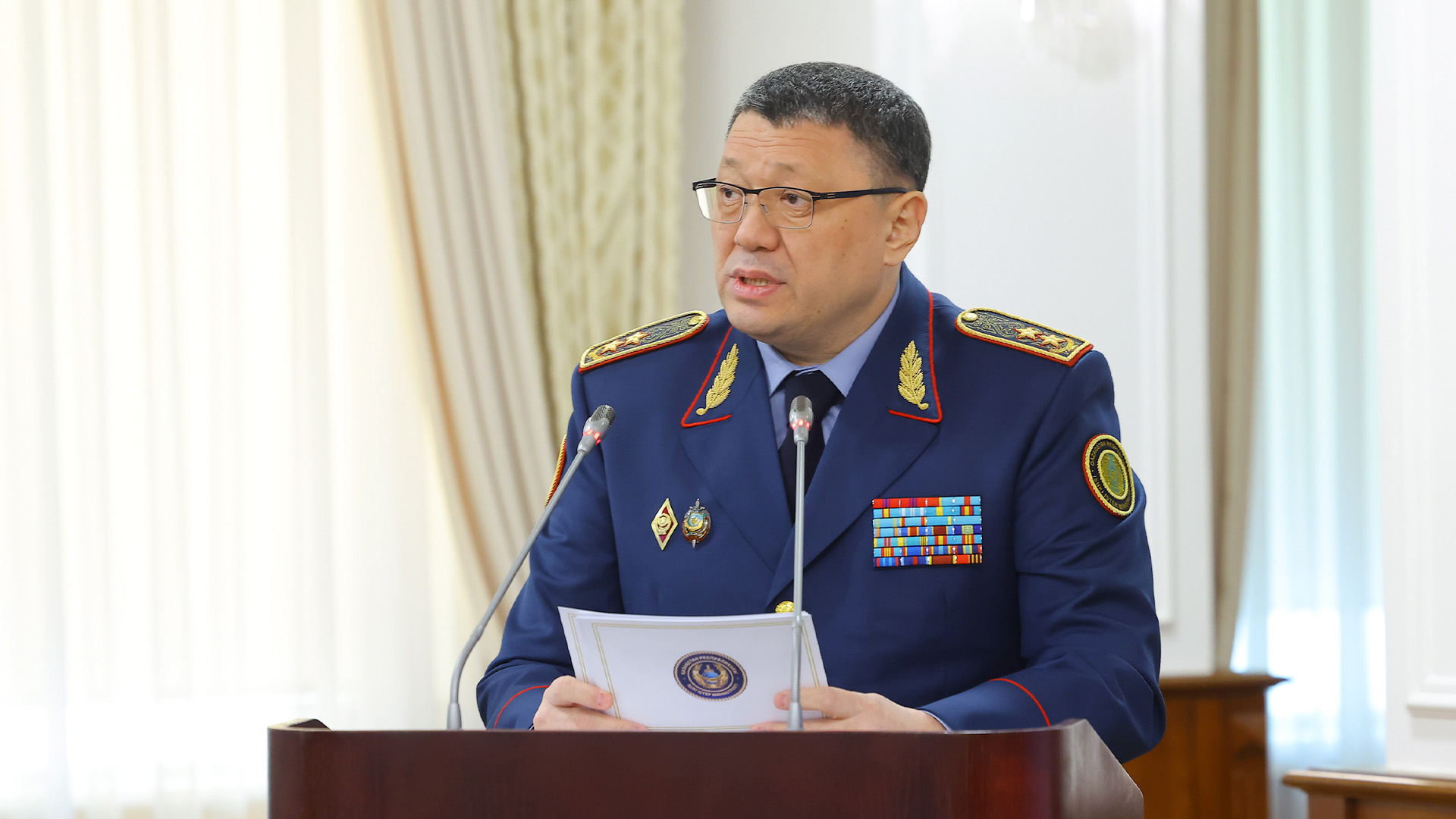
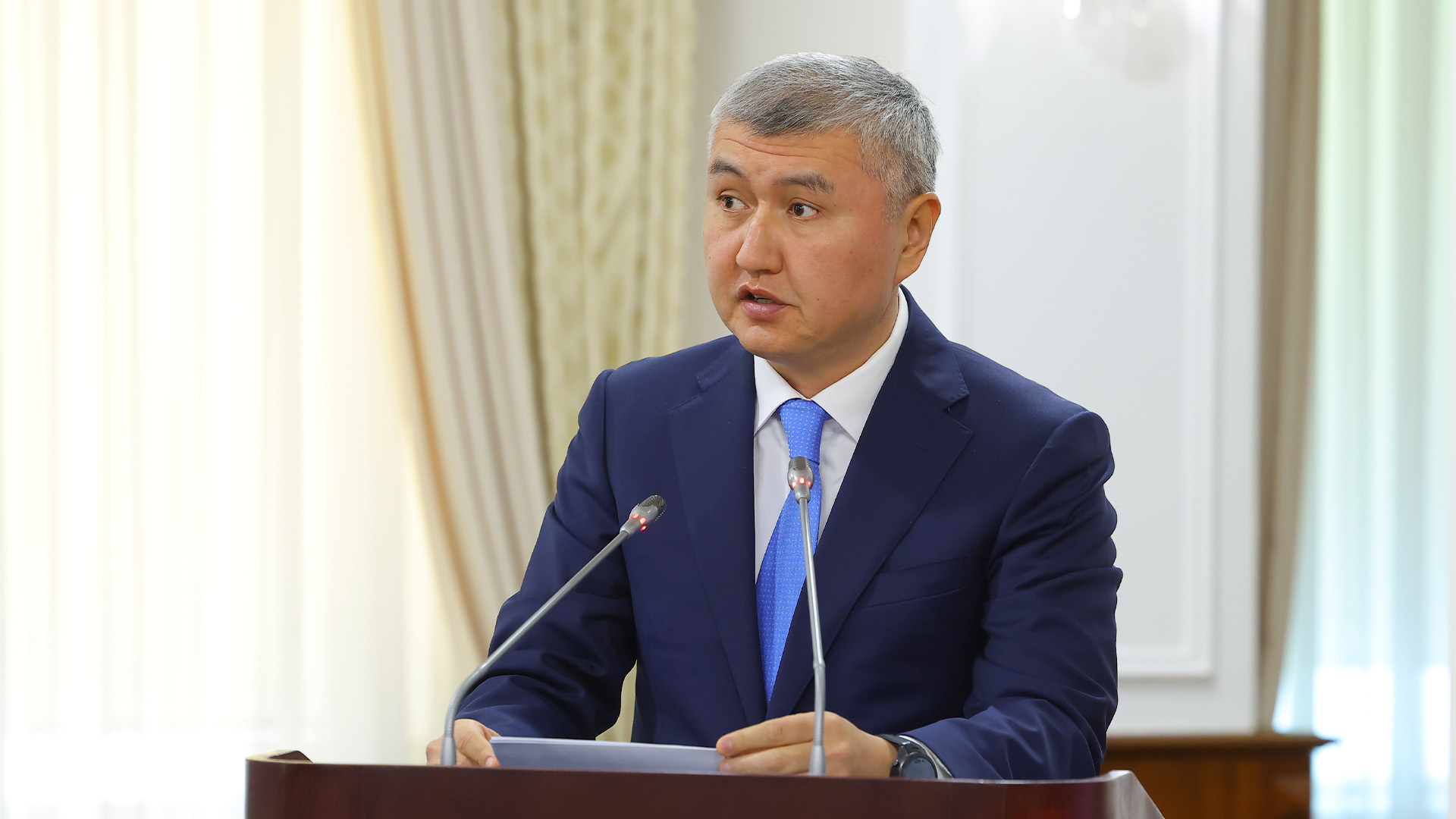
Minister of Internal Affairs of the Republic of Kazakhstan Yerzhan Sadenov reported on the implementation of the main five areas of the Concept for Promoting the "Law and Order" Ideology in Society.
First. Formation of a culture of law-abiding behavior and increasing legal awareness. Since the beginning of the year, crime in Kazakhstan has decreased by 15%, crime detection has increased by 5%, and 13.7 million administrative offenses have been suppressed. According to the new domestic violence risk assessment standard, 58 thousand persons were checked, 2 thousand of whom were categorized as at-risk. For the legal and patriotic education of youth, 8 thousand police officers were assigned to schools, and 267 "Zhas Saqshy" and 69 "Zhas Burkit" classes are operational: over 1.5 thousand juvenile crimes have already been prevented, and the total number of crimes committed by minors decreased by 9%.
Second. Creation of a safe and favorable environment for living. As part of enhancing safety in public places, the video surveillance system is being expanded. According to the Ministry of Internal Affairs, 1.8 million cameras have been installed in the country. Video surveillance covers 65 thousand courtyards. As a result, 13.8 thousand crimes were solved and more than 763 thousand administrative offenses were suppressed. The expansion of the network of operational control centers in cities and district centers continues.
Third. Ensuring the openness of authorities. The police are expanding interaction with the population: meetings with citizens are held, and precinct inspectors maintain communication with residents through residential chat groups. A total of 138 thousand appeals were received through mobile applications, 80 thousand of which were submitted via the "Law and Order" service available in eGov and banking applications.
Fourth and fifth. Development of partnership with civil society in promoting the ideology of law and order, and stimulating civic activity. Volunteers and public assistants are involved in crime prevention, with whose assistance 20 thousand administrative offenses were suppressed and 300 crimes were solved. Businesses are also joining in promoting the "Law and Order" ideology.
As part of the digitalization of the public safety system, the equipping of police officers with smart badges continues, allowing for prompt coordination of their actions and the application of AI technologies. The country operates 51 thousand cameras with video analytics functions, with plans to increase their number to 60 thousand by the end of the year. Preparations are also underway to create a National Video Monitoring System.
Attention was paid to involving non-governmental organizations and the civil sector in promoting the "Law and Order" principle. Minister of Culture and Information Arman Kyrykbayev noted that the priority in this work is shaping a legal culture, strengthening the principles of legality, and countering disinformation. Around 500 social projects are being implemented in the country aimed at protecting the rights and legitimate interests of citizens and organizations, increasing the legal culture and literacy of the population, fostering respect for the law, and strengthening the rule of law. Together with the Civil Alliance of Kazakhstan, a Republican Project Office was created to promote nationwide principles, including the "Law and Order" principle: 20 project offices operate in the regions, providing about 1 thousand legal consultations for NGOs and citizens, with volunteers and volunteer organizations involved in information and explanatory work.
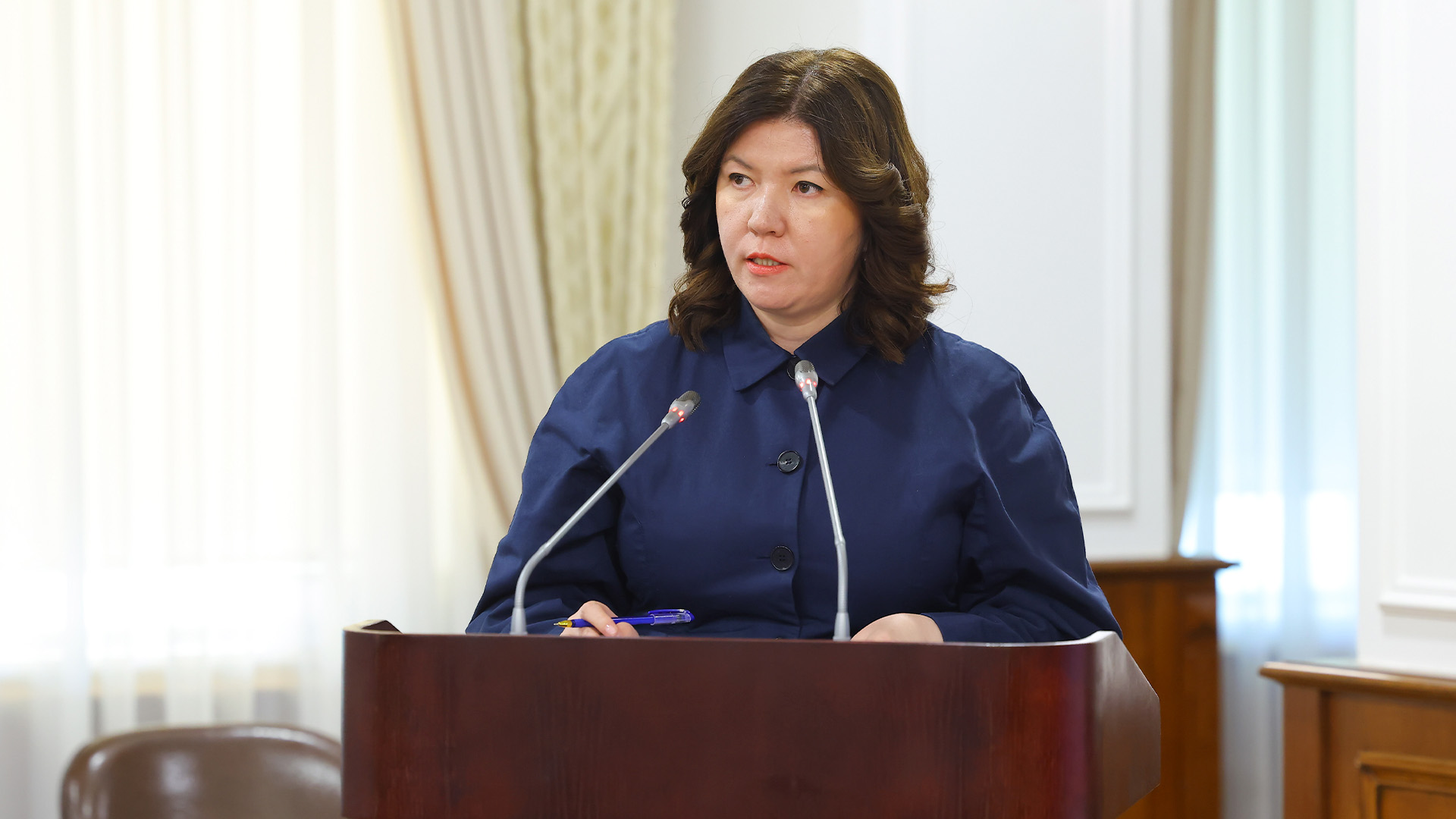
Minister of Education Zhuldyz Suleimenova reported on improving the legal literacy of schoolchildren and forming a culture of law-abiding behavior. Within the framework of the constitutional principle "Adal Azamat", implemented on the instructions of President Kassym-Jomart Tokayev, courses "Taza Qazaqstan", "Law and Order", "Man of Labor", "Fundamentals of the Constitution", and "Personal Safety" were introduced in schools, and the subject "Fundamentals of Law" was updated. Fostering legal norms and safe behavior skills among schoolchildren is complemented by work to build a healthy psychological climate in the school environment. Over the nine months of 2026, psychological support centers provided assistance to nearly 17 thousand children and 9 thousand parents. To enhance the qualifications of educational psychologists, 21 thousand methodological events were held. For bullying prevention, the "DosbolLIKE" program is being implemented, under which 14,850 teachers have been trained and 70 training events conducted.
Deputy Prosecutor General Yerlan Utegenov reported that as a result of strengthening prevention measures, the number of criminal offenses decreased by 14.6%. Crime in public places fell by 22%, and in streets by 20%. To protect citizens from internet fraud, a joint project of the General Prosecutor's Office and Kazakhtelecom JSC called "Anti-Call Center" is being implemented: over 1.6 million fraudulent calls were intercepted, preventing the issuance of 766 loans totaling 389 million tenge. The number of fraud cases decreased by 20%, and cyber fraud by 22%.
In countering drug-related crime, the National Targeting Center identified four drug laboratories in four regions of the country. About 360 kg of synthetic drugs were seized. The number of drug offenses decreased by 7.3%.
For the prevention of juvenile crime, the "Sanaly Urpaq" and "Talimger" projects are being implemented. In 500 schools and colleges, veterans of the prosecutor's office and police act as mentors for students.
Legal education is conducted through the "People's Lawyer" campaigns with the participation of the Zakon.kz online publication and "Legal Pharmacy". Annually, about 150 thousand citizens in 250 cities and villages receive free legal advice. Over the entire period of project implementation, more than 1 million people have received assistance.
Following the review of the matter, the Prime Minister instructed state bodies to ensure the implementation of measures provided for in the Action Plan. The Ministry of Internal Affairs needs to ensure constant monitoring and coordination of the work of government agencies.
During the IMC meeting, measures for preventing offenses committed in a state of alcohol intoxication and issues of improving medical care for this category of persons were also reviewed.
Minister of Internal Affairs Yerzhan Sadenov reported that since the beginning of the year, the number of criminal offenses committed in a state of intoxication has decreased by 2.5% — to 6.9 thousand cases. Over 184 thousand cases of alcohol consumption and appearance in public places in a state of intoxication were suppressed. More than 68.7 thousand people were brought to responsibility for offenses in the domestic sphere, and courts issued 17.5 thousand bans on alcohol consumption. In addition, control over compliance with alcohol sales rules was tightened: since the beginning of the year, police suppressed 9 thousand violations in alcohol circulation. A total of 4.5 thousand entrepreneurs were deprived of licenses, and fines totaling 932.4 million tenge were imposed. Since the beginning of the year, the Financial Monitoring Agency liquidated 10 underground alcohol production workshops. A total of 67 thousand liters of alcohol-containing products were seized, and 15 criminal cases are under investigation.
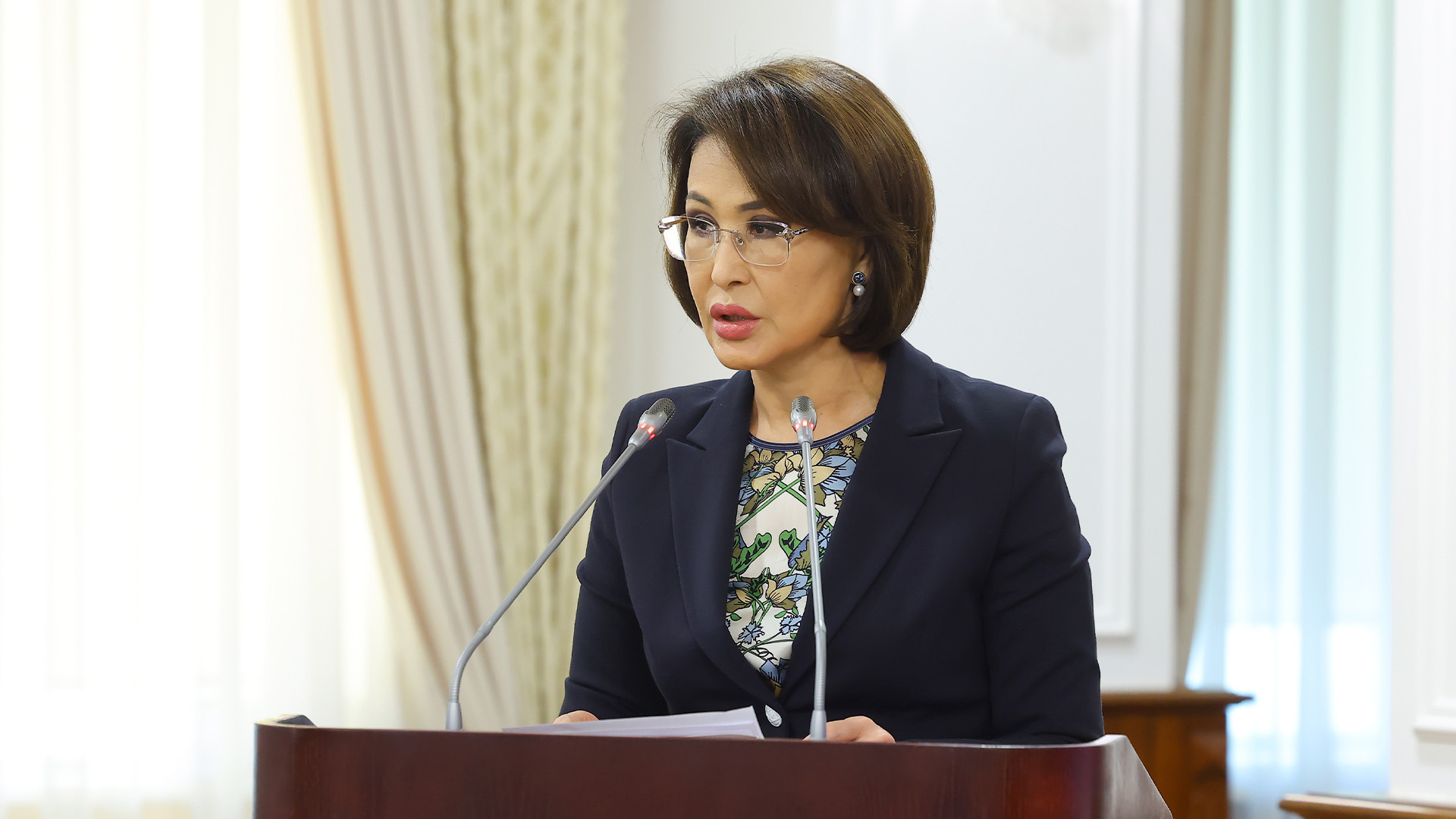
Minister of Healthcare Akmaral Alnazarova presented measures to improve medical assistance and rehabilitation for citizens with alcohol dependence. Over the nine months of 2026, more than 3.6 thousand patients underwent rehabilitation, which is twice as many as in the same period last year. Since the beginning of the year, within the framework of the Public Safety Concept, seven new temporary adaptation centers were opened in the regions, expanding the network to 47 centers with a total capacity of over 700 beds. Furthermore, over 3.5 thousand health schools operate under medical organizations in the country, providing advisory assistance to citizens on healthy lifestyles and risk factor prevention. To reduce alcohol consumption among youth, prevention work has been intensified, including working with families and early detection of risk factors. A draft Comprehensive Plan for Mental Health Protection for 2027–2031 has been developed, providing for the development of medical and social rehabilitation, early addiction detection, and interdepartmental patient support.
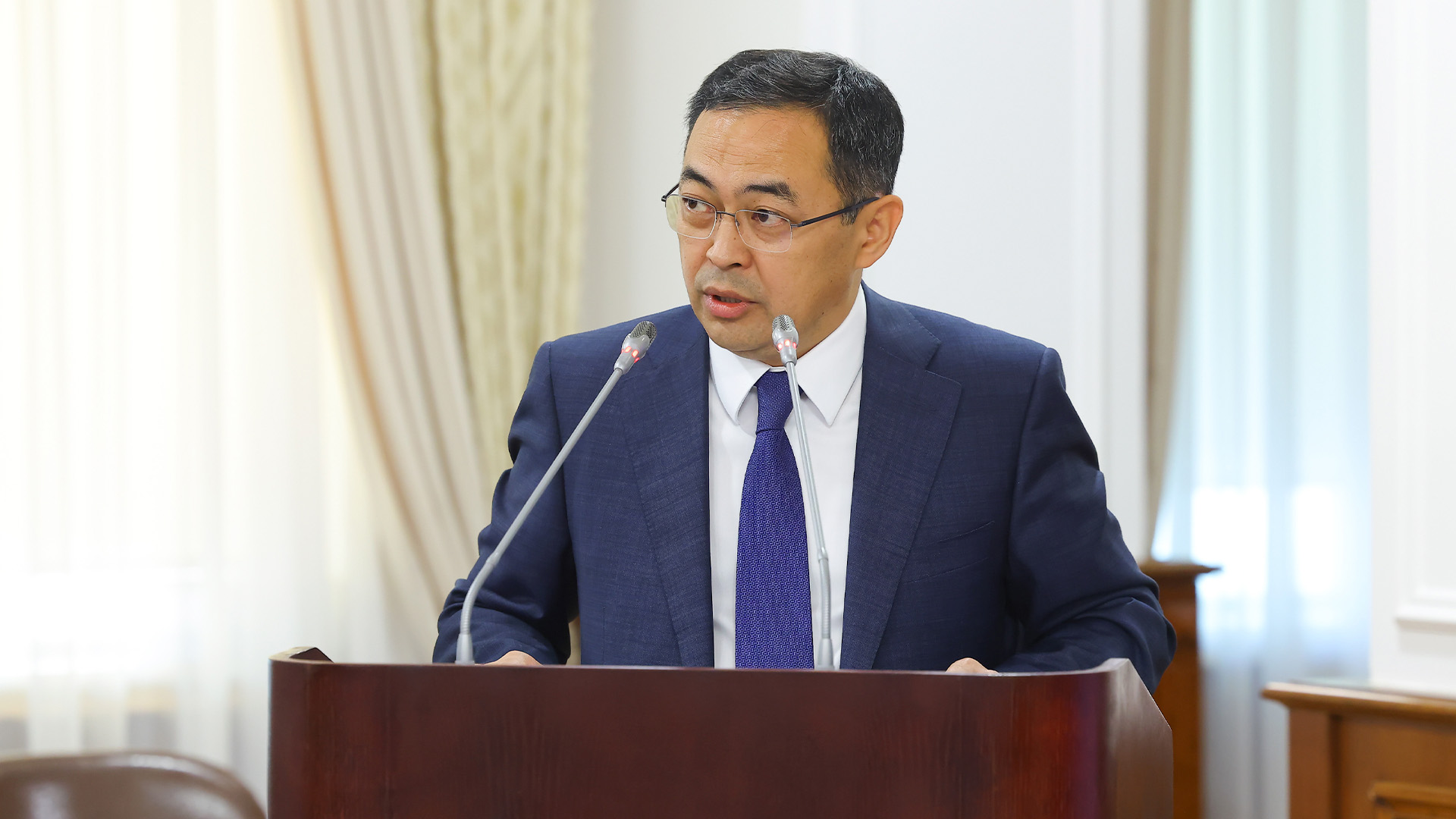
Minister of Finance Madi Takiyev reported on the regulation of the alcohol market, the improvement of excise policy, and the strengthening of control over legal product turnover. In countering illegal alcohol turnover over the nine months of this year, 5.6 million liters of illegal products were detected — eight times more than in the same period last year. Violations in executing accompanying documents and instances of underground alcohol production with counterfeit excise stamps were identified.
Following the meeting, the Prime Minister noted the need to transition to a comprehensive model for preventing offenses committed in a state of intoxication, as well as creating a single interdepartmental mechanism for monitoring persons presenting a heightened risk to public and road safety. Measures must be aimed at crime prevention.


Stay updated about the events of the Prime minister and the Government of Kazakhstan - subscribe to the official Telegram channel
Subscribe