23 May 2026, 19:30
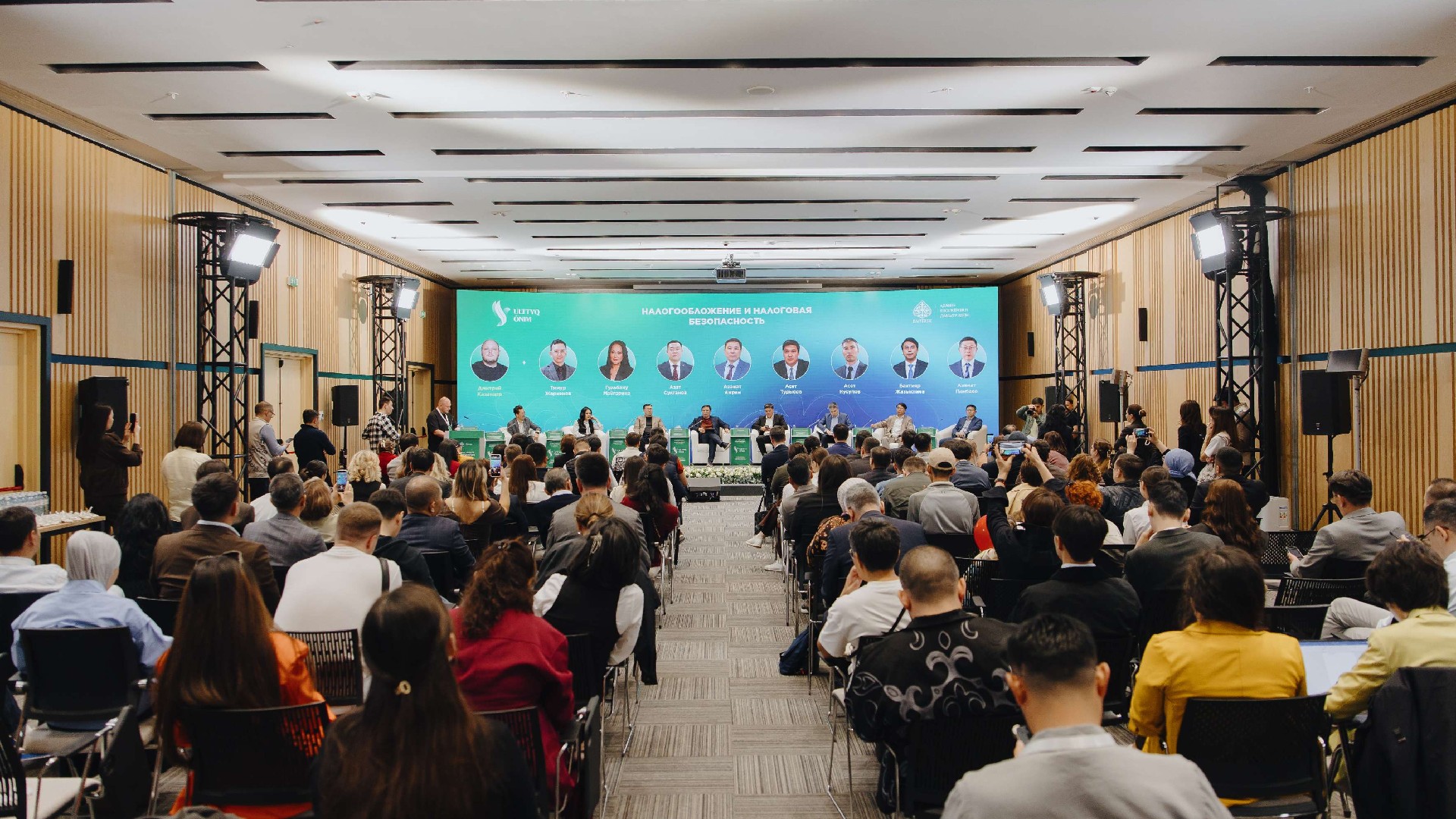
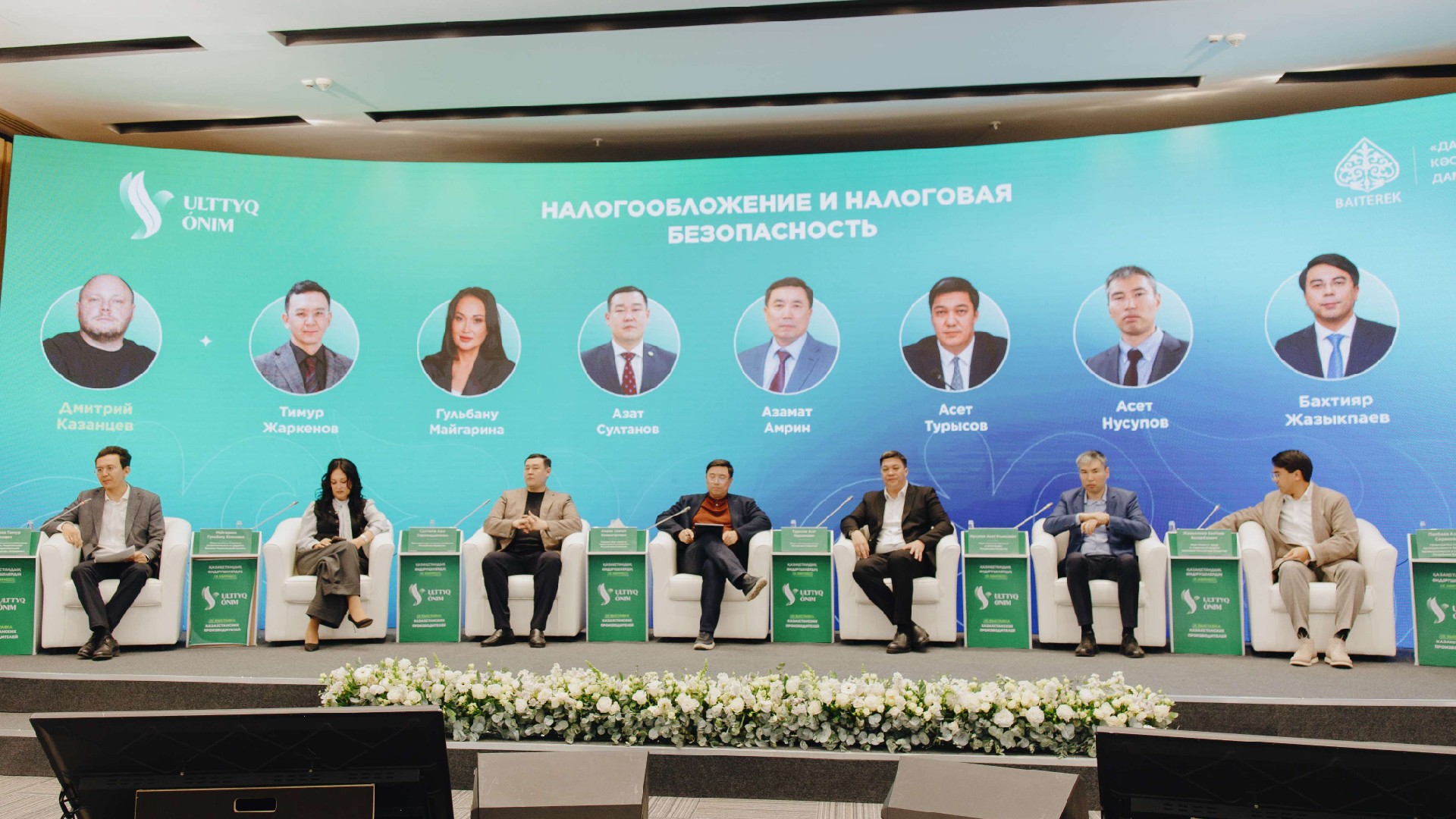 In the capital, on the sidelines of the annual IX Exhibition of Kazakhstani Producers “Ulttyq Ónim – 2026”, an offsite meeting of the Project Office for the Implementation of the New Tax Code was held.
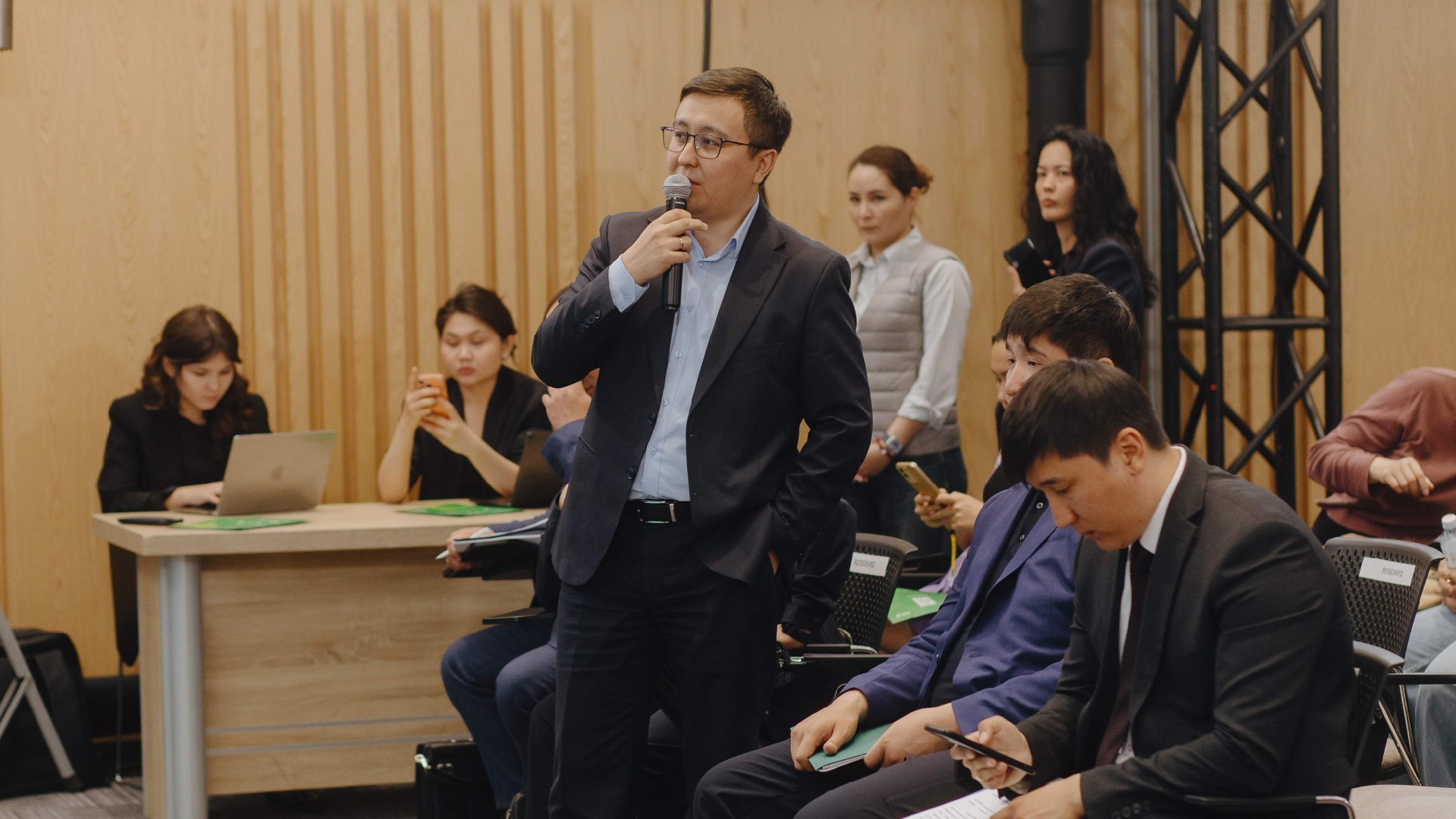
The event, organized in an open dialogue format, brought together more than 100 participants: heads of domestic enterprises, representatives of central state bodies, the National Chamber of Entrepreneurs “Atameken”, and industry experts. The main goal of the offsite meeting was to discuss the practical aspects of implementing the new tax legislation, issues of modernizing tax administration, and developing effective measures of state support for domestic producers.
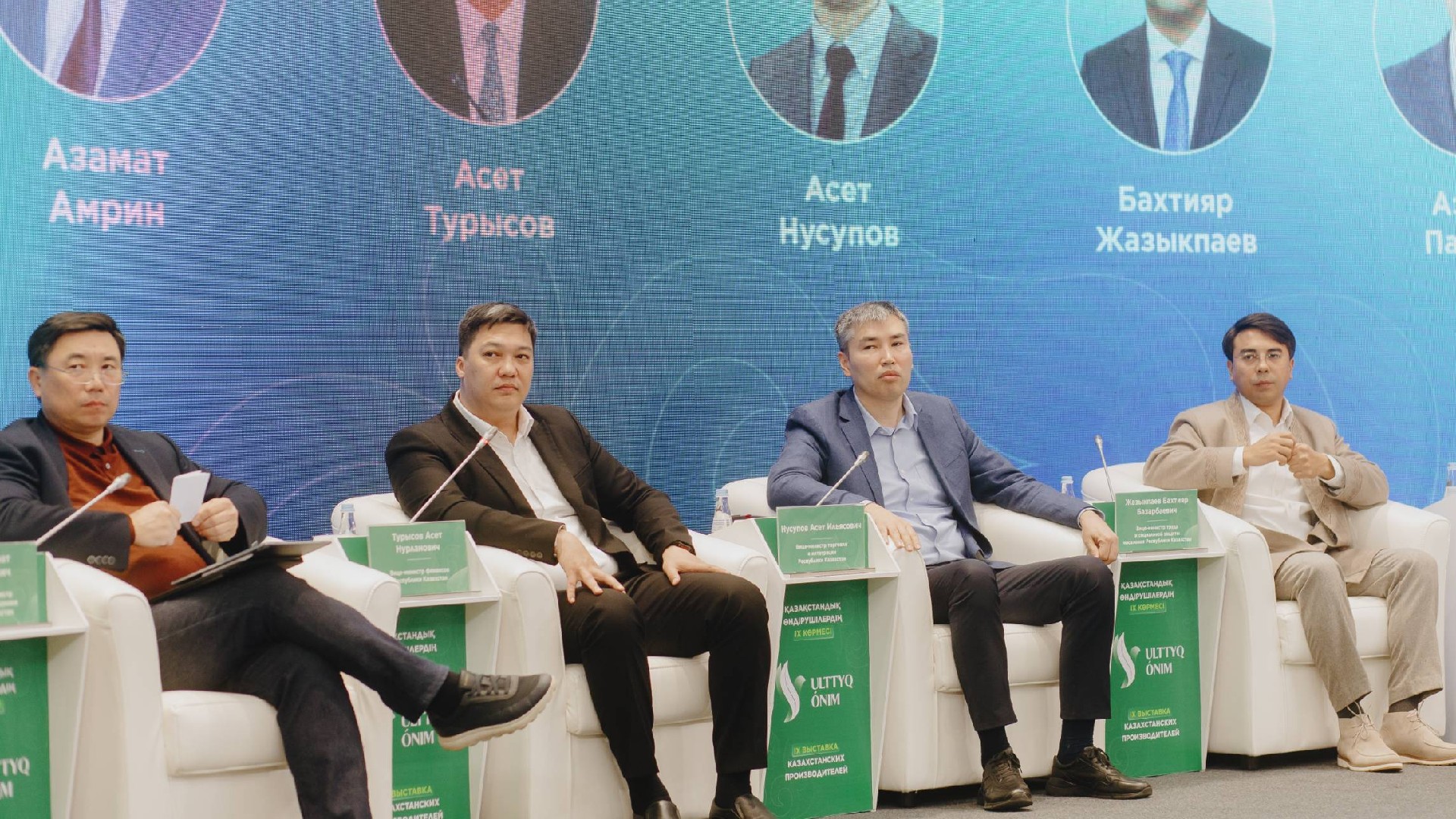
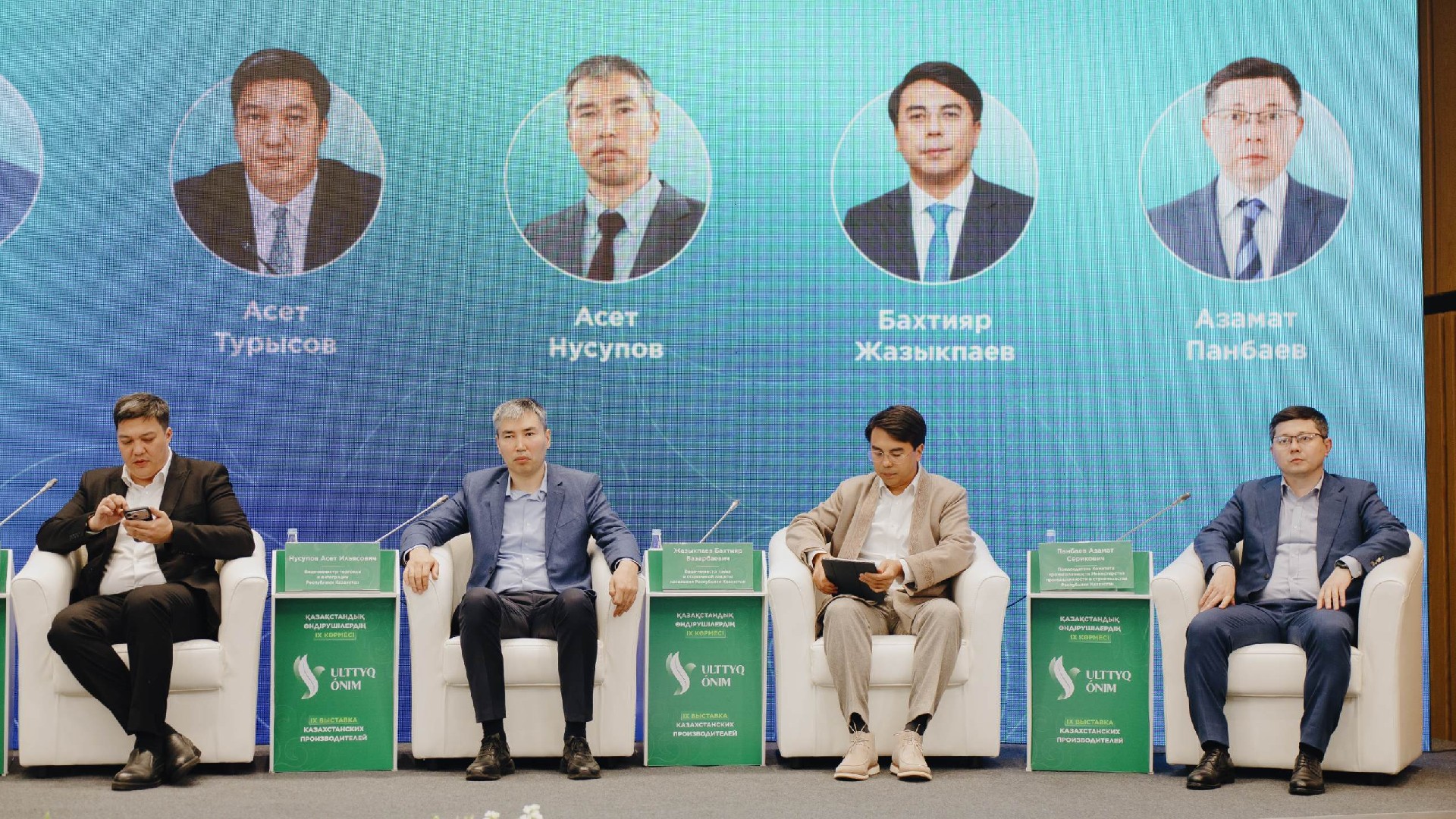
Tax consultant Dmitry Kazantsev acted as the moderator of the panel session. Business representatives had the opportunity to directly ask questions of interest, identify systemic problems, and immediately receive answers from the heads and specialized specialists of key departments: the Ministries of National Economy, Finance, Trade and Integration, Agriculture, Industry and Construction, Labor and Social Protection of the Population, the State Revenue Committee of the Ministry of Finance of the Republic of Kazakhstan, and the National Chamber of Entrepreneurs “Atameken”.
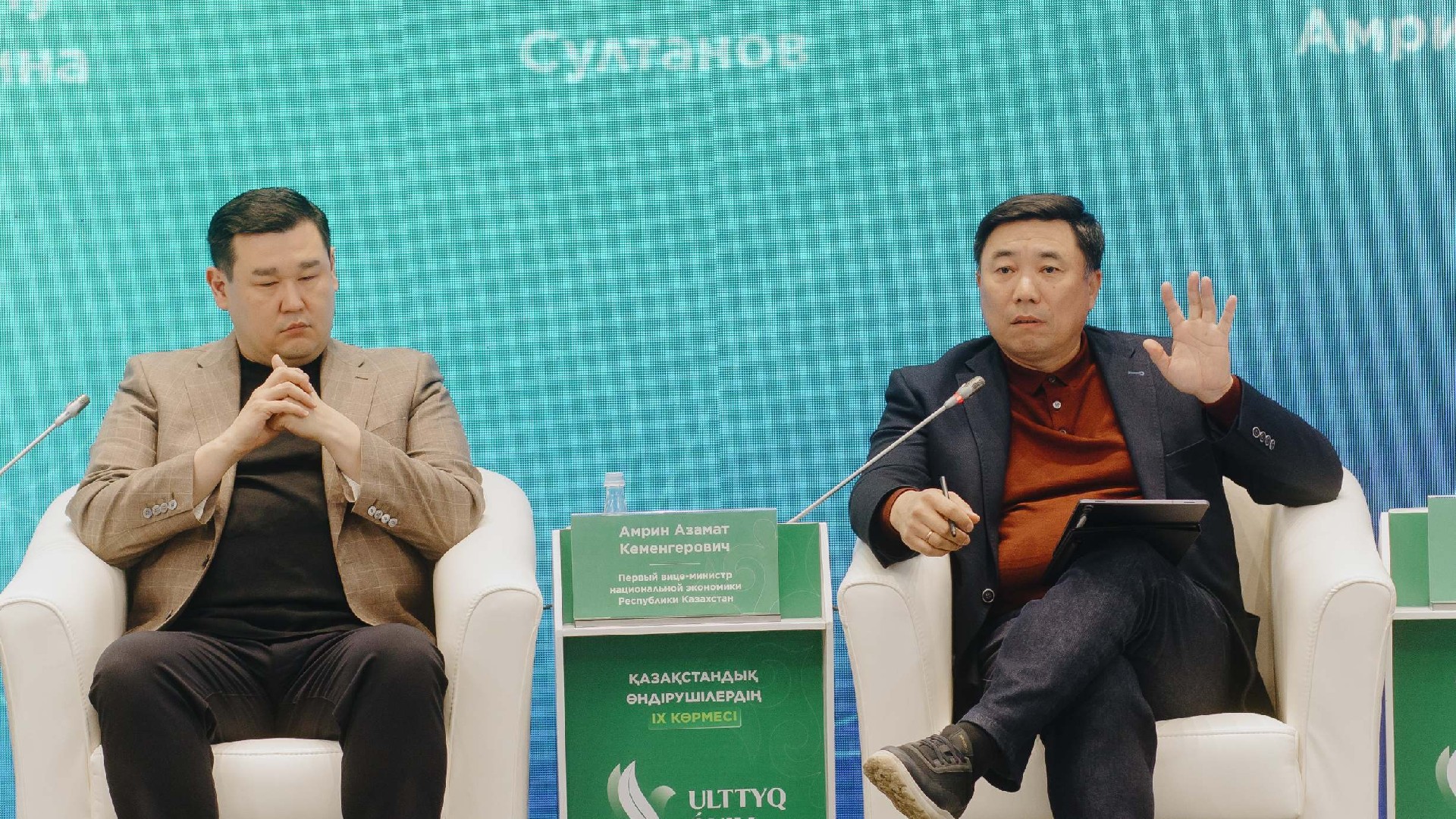
Opening the meeting, First Vice Minister of National Economy of the Republic of Kazakhstan Azamat Amrin emphasized that holding the offsite meeting of the Project Office directly at the exhibition site, where more than 600 entrepreneurs from all over Kazakhstan had gathered, makes it possible to ensure maximum coverage of the business community, hear the consolidated opinion of the real sector of the economy, and promptly respond to entrepreneurs’ requests.
Form 200 and Social Protection of Employees
One of the acute topics of discussion was reporting under the simplified regime, in particular Form 200. Representatives of the Ministries of National Economy and Labor and Social Protection of the Population explained why maintaining this form is fundamentally important. The reporting accumulates key payments for the employee: social and medical insurance, pension contributions, individual income tax, and social tax. It is from the regularity of these contributions that payments from the Social Insurance Fund for pregnancy and childbirth, childcare, loss of breadwinner, loss of ability to work, and unemployment directly depend. To confirm this, Azamat Amrin cited illustrative figures: at the end of last year, the average salary in the country was 435 thousand tenge, while 54% of entrepreneurs show the minimum wage of 85 thousand tenge for their employees.
“When entrepreneurs pay for their employees based on the minimum wage and give salaries in envelopes, they do not socially protect their employees. That is why the state has to do it, as this is one of its main functions. We have 1.3 million individual entrepreneurs and 9 million employees, and we make decisions comprehensively: not only in favor of business, but also ordinary citizens. If the salary is 300 thousand, then it is with this amount that contributions must be shown and paid to all funds. This is not paid to the state. This is paid to the person himself, so that he can go to the hospital, so that if you fire him tomorrow, he receives not 50-60 thousand for six months, but 120 thousand and can support his family,” Azamat Amrin emphasized.
Self-Employed: The Regime Should Not Replace Employment Relations
An equally significant topic of discussion was the correct application of the special tax regime for the self-employed. Tax consultant Dmitry Kazantsev addressed Kazakhstani entrepreneurs with a direct warning: businesses that transfer employees to self-employed status to save on taxes risk exposing both themselves and the regime itself.
“Businesses, by dismissing employees and transferring them to self-employed status, believe that the state does not see this and that the State Revenue Committee does not notice how the employee continues to go to work from nine to six and receives the same salary every month, only now in the format of a self-employed person. In business, we sometimes go too far and may bring the situation to the point where they begin to curtail the opportunities that were given to the self-employed: closing B2B work, reducing maximum income amounts,” Dmitry Kazantsev said.
The business community’s concerns were confirmed by First Vice Minister of National Economy Azamat Amrin. He noted that the authorized bodies are conducting systematic monitoring of the regime’s application and emphasized that in case of mass abuses, the state is ready to review the very list of permitted types of activities for the self-employed.
“If such abuses occur in large numbers, we will simply remove these types of activities. When we introduced this norm, we initially said that this would be the case. This is a two-way road: please work, register, all taxes are paid only to yourself. But if the regime is used as a tool to evade taxes, we will take measures,” Azamat Amrin stated.
According to the State Revenue Committee of the Ministry of Finance of the Republic of Kazakhstan, as of today, the special tax regime for the self-employed is used by 521 thousand individuals. Of these, about 125 thousand people regularly issue checks on a monthly basis.
ISNA and “Clean Slate”
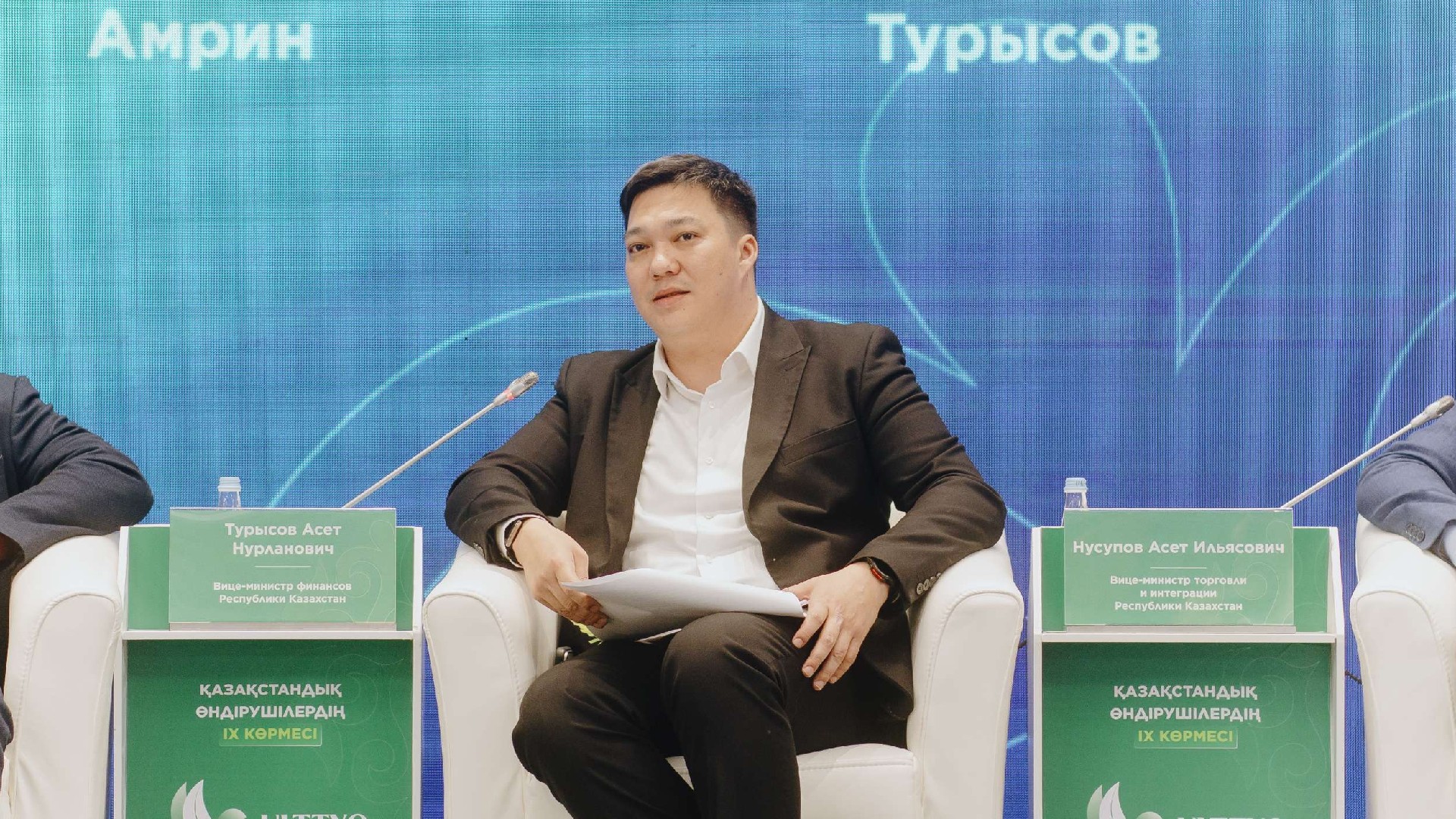
A separate block of the discussion was devoted to the operation of the Tax Administration Information System (ISNA) and the unified Taxpayer’s Cabinet. Vice Minister of Finance of the Republic of Kazakhstan Asset Turysoy explained that the system replaced seven previous disparate systems and was put into industrial operation last year. The parallel existence of the old and new cabinets in the first quarter was maintained at the direct request of business associations and the National Chamber of Entrepreneurs “Atameken”, so that entrepreneurs could submit reports under the new code in the familiar format. It was this transitional regime, according to the Vice Minister, that became the source of most data discrepancies and user appeals.
“The old taxpayer’s cabinet must become a thing of the past. We love it, but new technologies will only be in the new taxpayer’s cabinet. Moving away from the old system will make it easier for both us and businesses. Maintaining two systems in the first quarter was a step towards business, but it also creates additional risks. Based on the results of the first quarter, ISNA accepted all reporting forms,” Turysoy noted.
The Vice Minister also reported that the Ministry of Finance is preparing to launch a unified call center for consultations on tax issues and information systems, and the issue of centralizing notifications has already been taken up at the operational headquarters together with business associations.
Continuing the topic of tax administration, meeting participants discussed the results of the “Clean Slate” program aimed at releasing micro and small businesses from tax arrears. According to the State Revenue Committee, 19 thousand micro and small businesses took advantage of the program. For them, repayment of arrears amounting to 13 billion tenge was ensured, and penalties and fines totaling 9.3 billion tenge were written off, including penalties of 4.4 billion tenge and fines of 4.9 billion tenge. To understand the scale: as of January 1, 2026, there were more than 157 thousand debtors in Kazakhstan with a total tax debt of 1.1 trillion tenge, of which more than 101 thousand were micro and small business entities with a total debt of 801 billion tenge.
Business Model Must Change
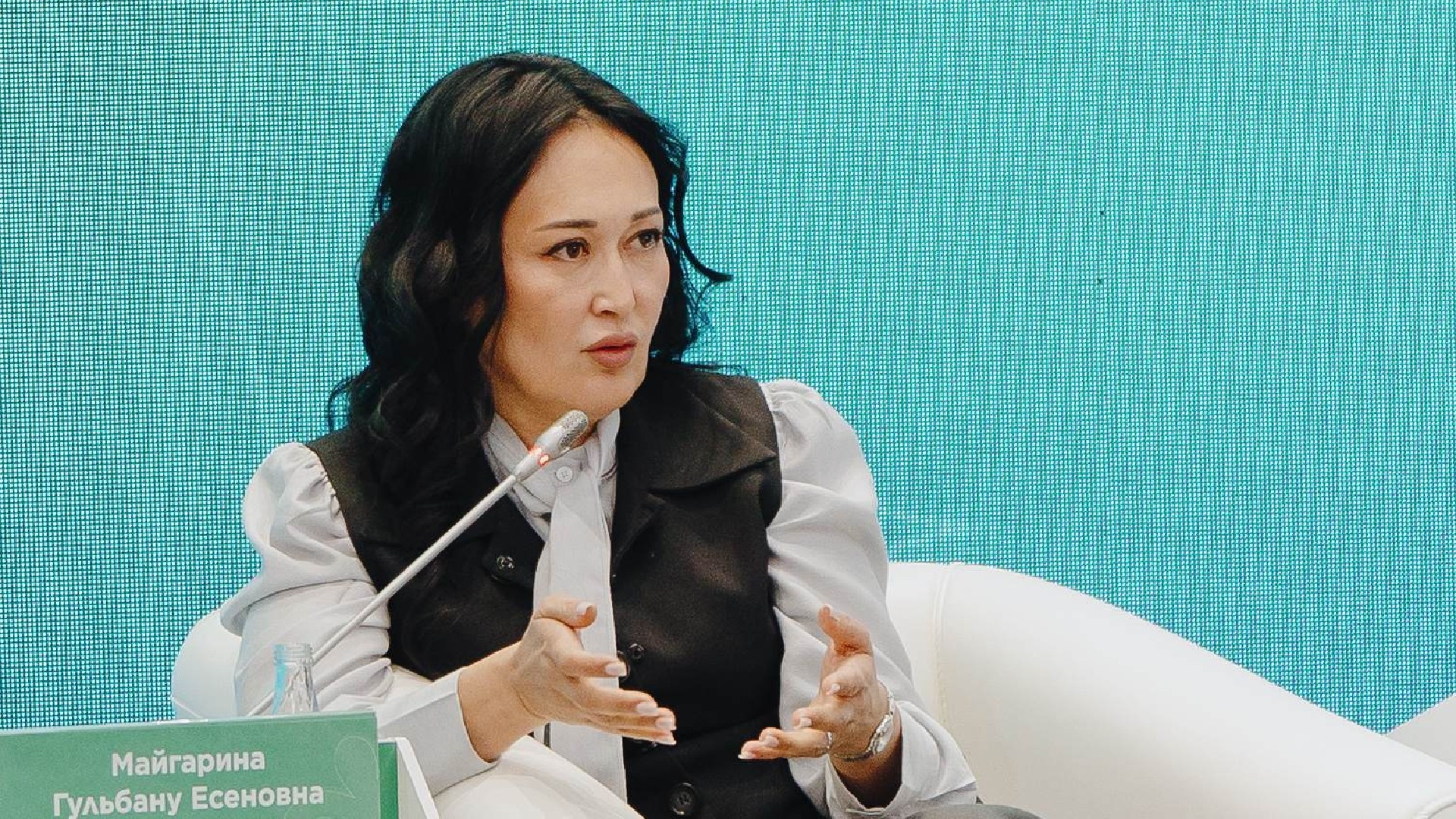
On behalf of the business community, Gulbanu Maigarina, Chairwoman of the SME Development Committee of the National Chamber of Entrepreneurs “Atameken” and General Director of LLP “LANZHOU COMPANY”, spoke. She noted that along with changes in tax administration, entrepreneurs should not lose sight of their own business model. According to her, the old approaches, where it was enough to open a store door or put a product on the shelf to get a stable result, no longer work.
“Today we are sorely lacking knowledge, primarily financial knowledge. According to the results of our survey, 68% of micro and small business entrepreneurs practically work without marketing. Today’s customer is won in a completely different way, and if an entrepreneur does not use modern tools, does not know what digital is, does not understand where his customer came from, this is no longer business management. Business today needs to be managed through numbers. All decisions must be made exclusively through numbers. Those who really manage their business, and do not imitate its presence, will become strong in this period,” Gulbanu Maigarina emphasized.
In conclusion, she thanked the state bodies and the National Chamber of Entrepreneurs “Atameken” for the unique platform of direct dialogue and emphasized the importance of further joint work to adapt the business community to the new tax realities.
Following the offsite meeting, all proposals and systemic issues received from entrepreneurs will be worked out within the framework of the Project Office for the Implementation of the Tax Code with the participation of sectoral state bodies, the State Revenue Committee, and the National Chamber of Entrepreneurs “Atameken”.




Stay updated about the events of the Prime minister and the Government of Kazakhstan - subscribe to the official Telegram channel
Subscribe