03 July 2026, 10:30
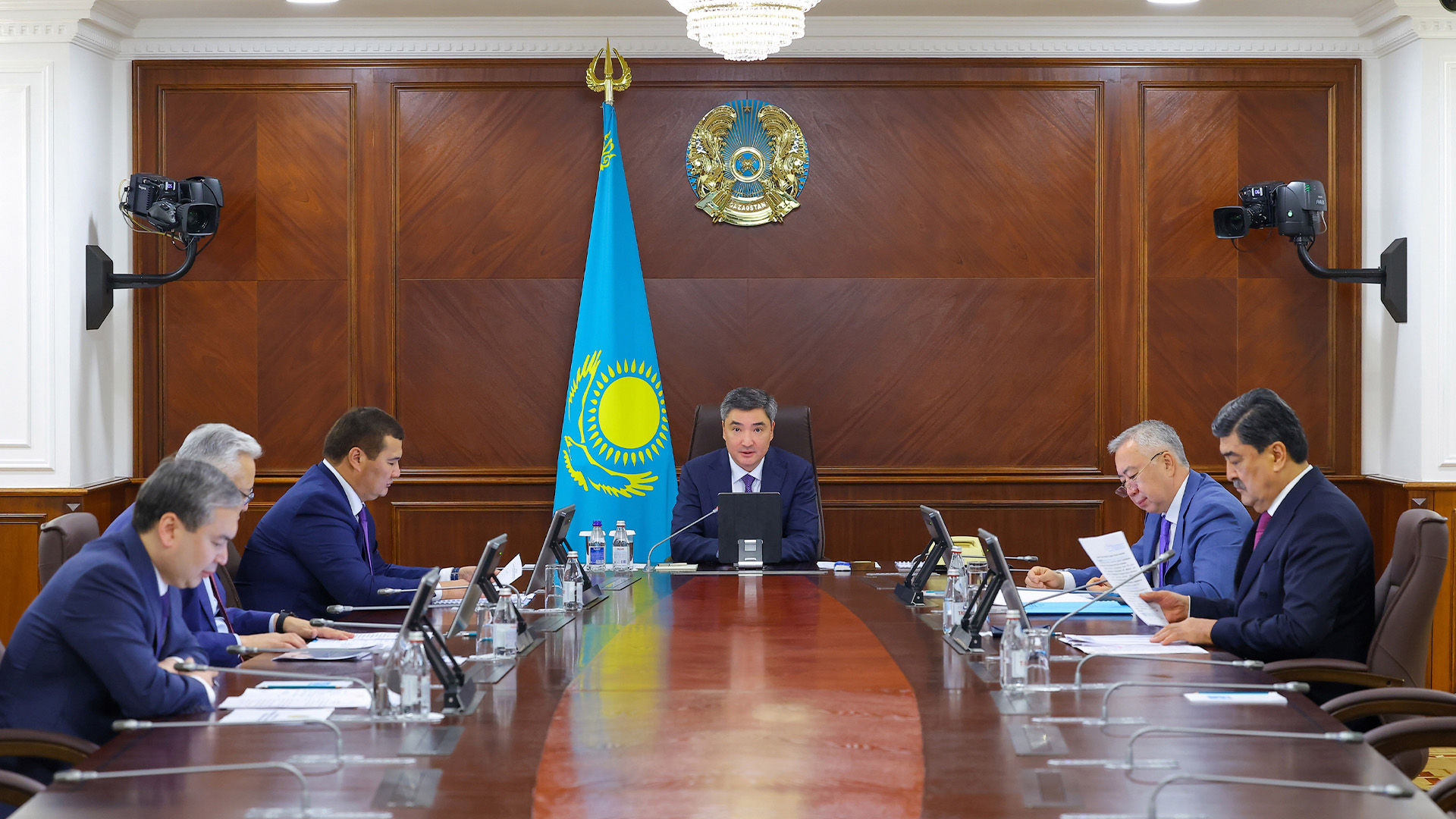 Prime Minister Olzhas Bektenov chaired a meeting of the Council for the Transition to a “Green Economy” under the President of the Republic of Kazakhstan.
The progress of the implementation of the Head of State’s initiative “Taza Kazakhstan” was reviewed.
“In the New Constitution of the Republic of Kazakhstan, environmental protection and careful attitude toward natural resources are enshrined as one of the main duties of every citizen. The fundamental principles of the country’s activities are the formation of a high environmental culture. In this regard, the Head of State’s initiative “Taza Kazakhstan” is progressively implemented as a key principle enshrined in the Constitution. A vivid example of our commitment to this principle was the large-scale work to involve all representatives of the public, volunteers, and business in jointly solving environmental issues. We strive to make a careful attitude toward nature and keeping cleanliness an internal need and everyday norm of life for every citizen of Kazakhstan,” Olzhas Bektenov emphasized.
According to the Ministry of Ecology and Natural Resources, within the framework of “Taza Kazakhstan” more than 1 million trees have been planted since the beginning of this year, over 200 environmental events have been held with the participation of more than 4 million people, including 510 thousand volunteers. More than 76 thousand hectares of territories have been cleaned, 413 thousand tons of waste have been collected and removed, and 115.7 thousand tons of waste have been sent for recycling. In total, since the launch of the nationwide movement “Taza Kazakhstan” over three years, over 5.6 million trees have been planted in settlements and over 1 billion seedlings and saplings in the state forest fund. The head of the Government heard reports from akims of a number of regions.
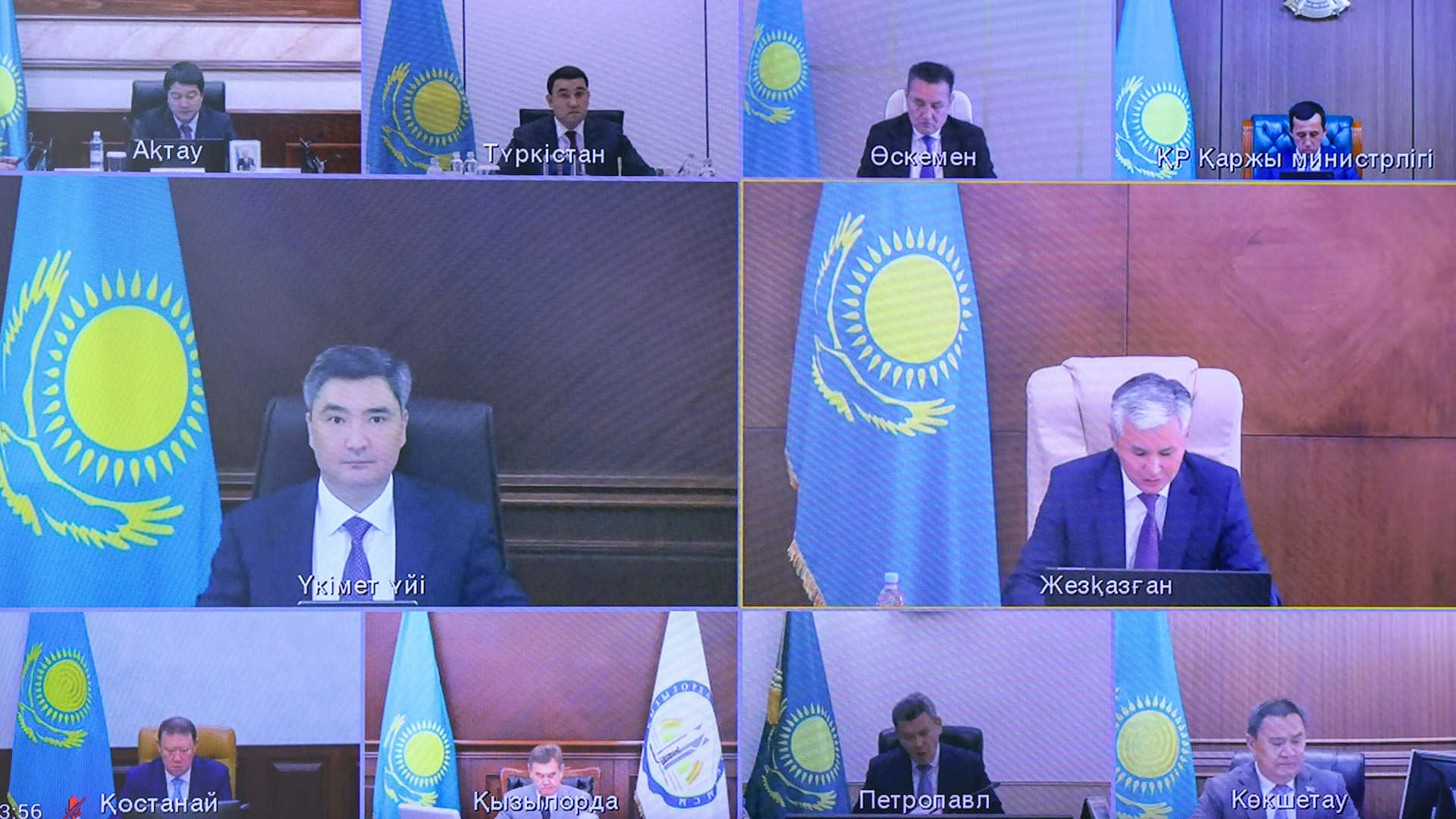 Akim of Ulytau Region Dastan Ryspayev reported that over 900 hectares of territories have been cleaned since the beginning of the year, and 3.5 thousand tons of solid household waste have been removed. Of the 30 thousand trees planned for planting this year, 19 thousand saplings and shrubs have already been planted in the spring period. By 2027, it is planned to launch a paper and rubber waste processing workshop in the region.
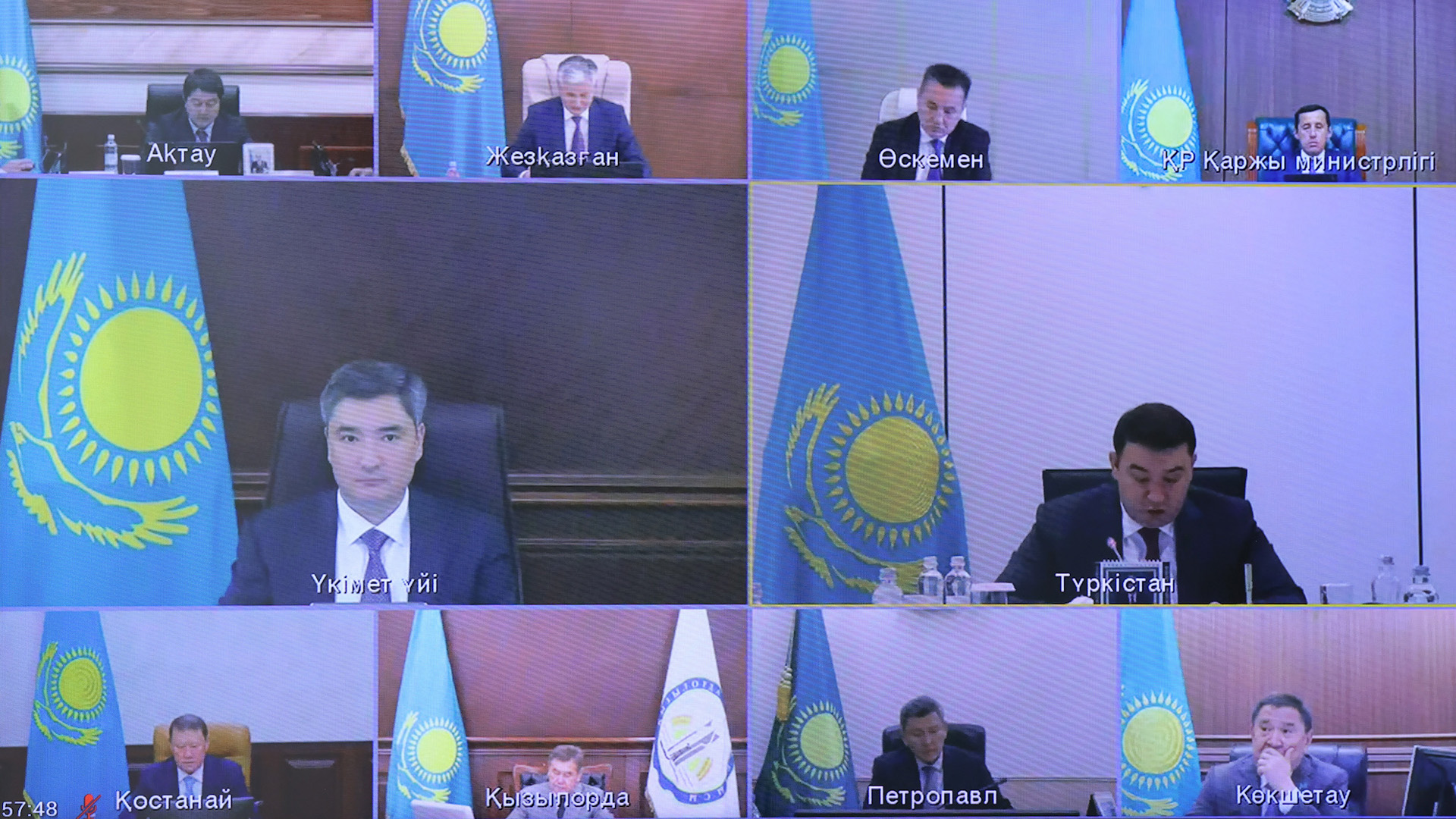 According to the report of Akim of Turkestan Region Nuralhan Kusherov, over 332 thousand trees have been planted in the region. More than 3 thousand environmental actions and subbotniks involved over 355 thousand residents and more than 1.2 thousand units of special equipment. As a result, 380 tons of garbage were removed. The “Ecopark Turkestan” was opened, and 33 electric buses with charging stations were launched.
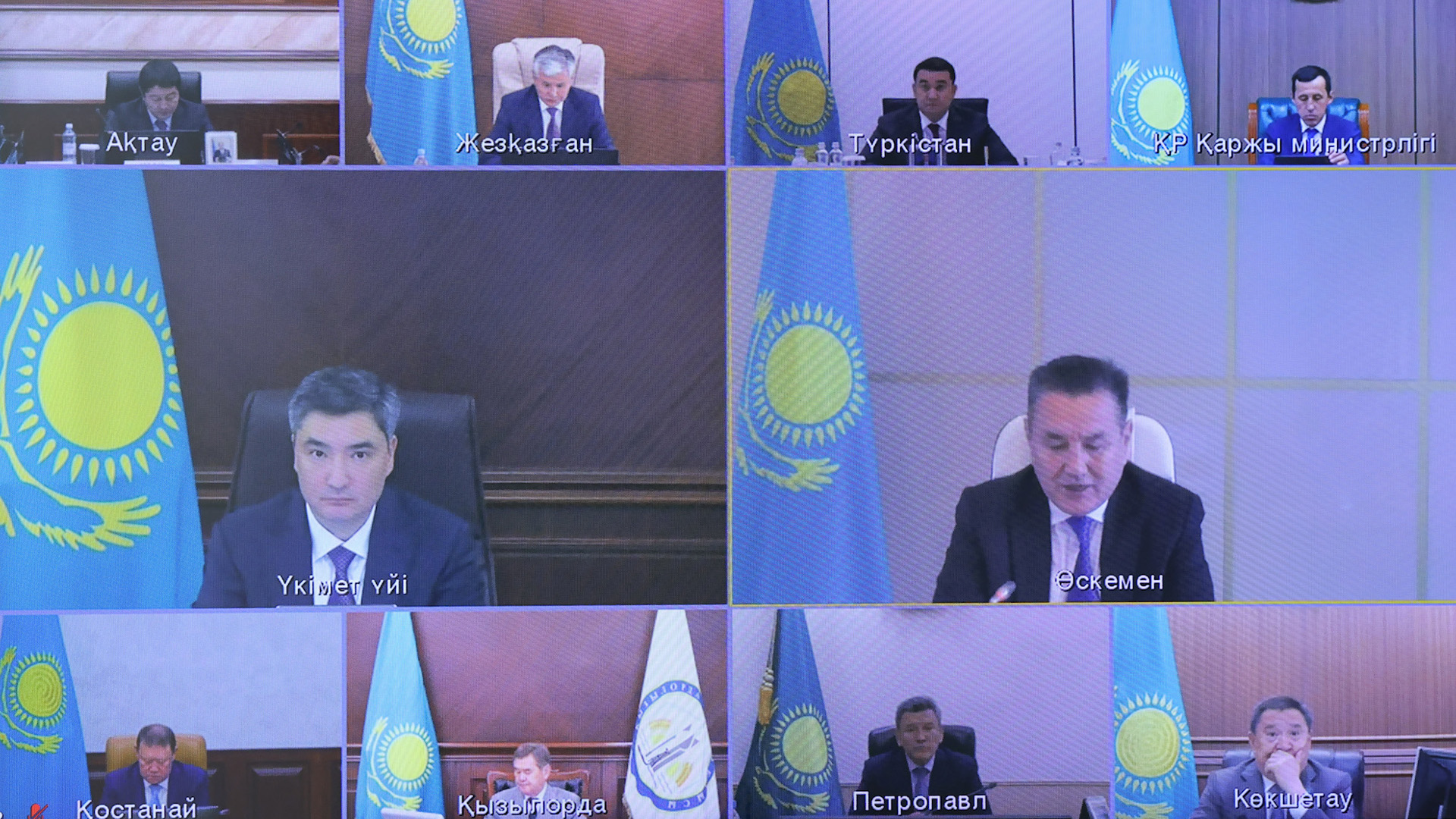 Akim of East Kazakhstan Region Nurymbet Saktaganov reported on the removal of over 22 thousand tons of garbage. Large ecoparks are being created in the region, including “Taza Kazakhstan” in Ust-Kamenogorsk, “Berezovaya Roshcha,” “Zhasyl Aimak,” and “Gornaya Ulbinka.” In total, more than 330 thousand people and 19 thousand volunteers took part in eco-actions.
The Prime Minister noted that the Concept for the Development of Environmental Culture “Taza Kazakhstan” has already transformed from the format of one-time environmental actions into a consistent state policy for the formation of environmental culture, increasing citizens’ responsibility for the state of the environment, and improving the quality of life.
“The effectiveness of the implementation of the Head of State’s initiative “Taza Kazakhstan” is assessed not by the number of events held, but by specific changes in the condition of settlements, the level of environmental culture of the population, and the sustainability of the achieved results. To achieve this, systematic work by central and local executive bodies is needed on the improvement of settlements, the development of appropriate infrastructure, including that related to waste processing, and the prevention of environmental offenses,” Olzhas Bektenov emphasized.
The Head of the Government instructed:
***
At the meeting of the Council for the Transition to a “Green Economy,” the current situation and measures being taken for waste management were considered. In particular, in the field of developing recycling infrastructure, energy utilization, modernization of solid household waste landfills, as well as energy saving and improving the energy efficiency of the economy.
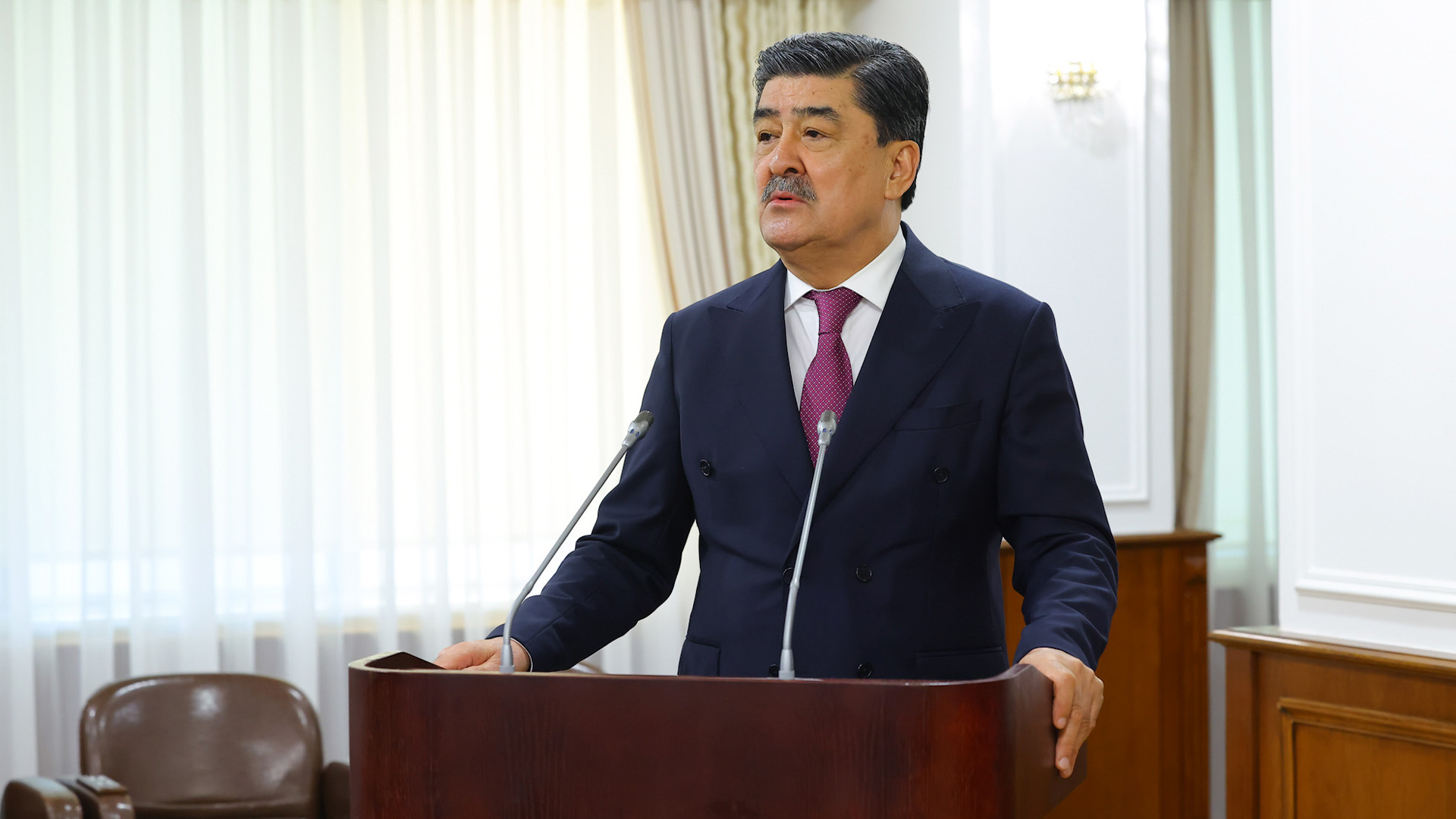 A report by Minister of Ecology and Natural Resources Yerlan Nysanbayev was heard:
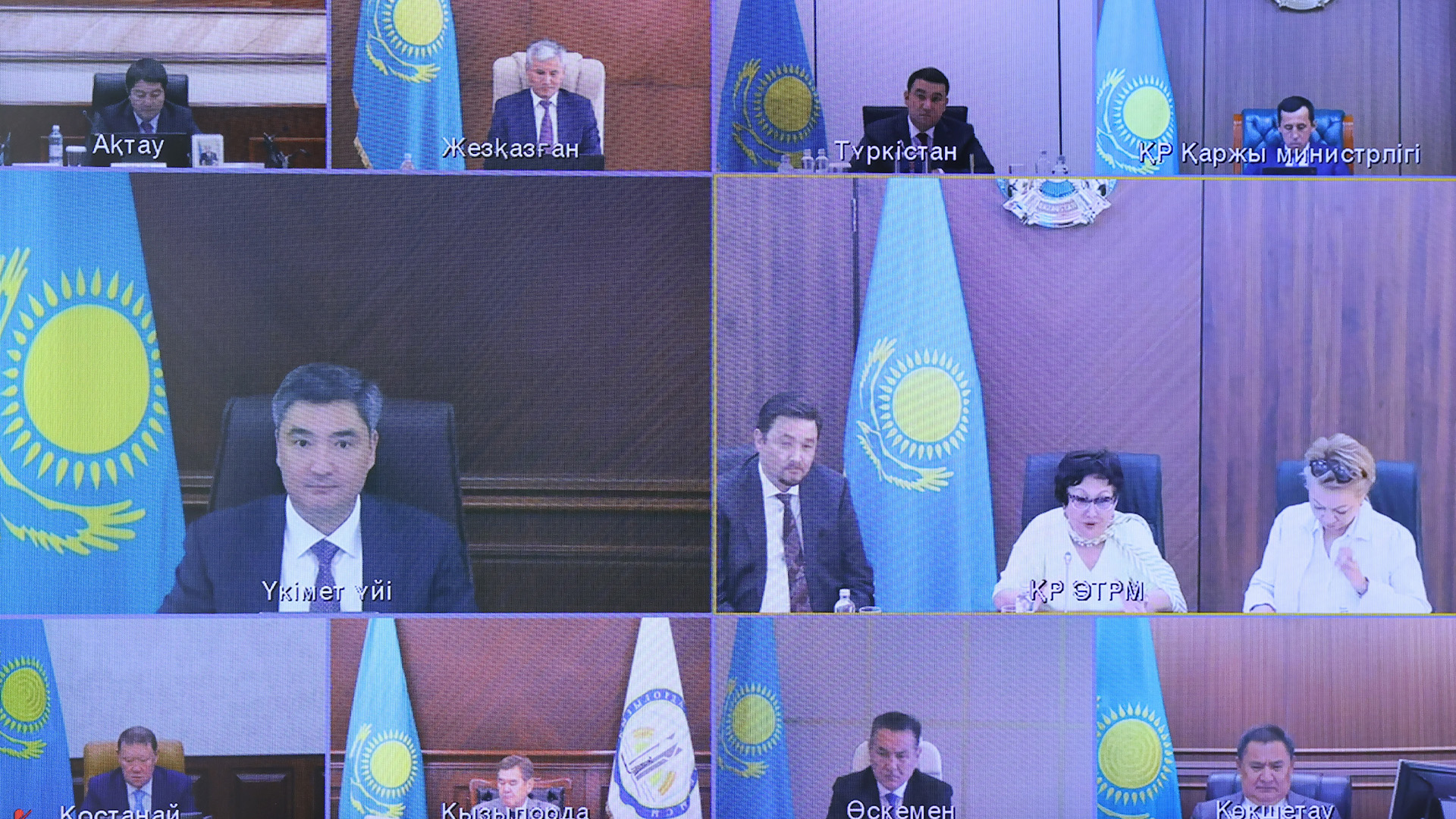 The discussion was attended by Director of the Scientific and Educational Center “Green Academy” Bakyt Yesekina, Chairman of the Board of the Public Association “Association of Environmental Organizations of Kazakhstan” Aigul Solovyeva, Chairman of the Board of the Public Association “Coalition for a ‘Green Economy’ and G-Global Development” Askhat Suleimenov, Chairman of the Board of the NAO “International Center for Green Technologies and Investment Projects” Saken Kalkamanov, and Executive Director of the Kazakhstan Waste Management Association “KazWaste” Vera Mustafina. In particular, proposals were voiced for the introduction of digital tools and AI solutions for assessing the quality of improvement, sanitary cleaning, and landscaping of settlements, as well as their impact on the environment. In addition, it was proposed to strengthen coordination work on accompanying “green” projects to consult regions, introduce modern technologies, and disseminate best international practices. The Prime Minister emphasized that the work being carried out should create comfortable places and new points of attraction for residents, contributing to improving the quality of life and forming a favorable ecosystem.
“The Head of State pays special attention to the issue of solid household waste management as one of the important environmental tasks. The Concept for the Management of All Types of Waste has been approved, the necessary regulatory acts for the construction of new solid household waste landfills have been adopted, and a mechanism for preferential lending to the industry is being implemented. Constant work is being carried out to eliminate unauthorized landfills. However, there are a number of issues that require solutions,” Olzhas Bektenov emphasized.
Instructions of the Head of the Government:
“In advanced countries of the world, the concept of a ‘Circular Economy’ has been quite successfully implemented, the main principle of which is the prevention of waste generation. For example, in Sweden, less than 1% of garbage goes to landfills. The country even imports waste from neighboring countries. In Germany, more than 67% of household waste is returned to circulation. The list can be continued. Waste recycling is what we should strive for. However, there are facts when the implementation of waste recycling projects is delayed. In this regard, the Ministry of Ecology should, within one week, conduct a review of projects in the field of waste reuse and submit specific solutions for their implementation,” the Prime Minister emphasized.
***
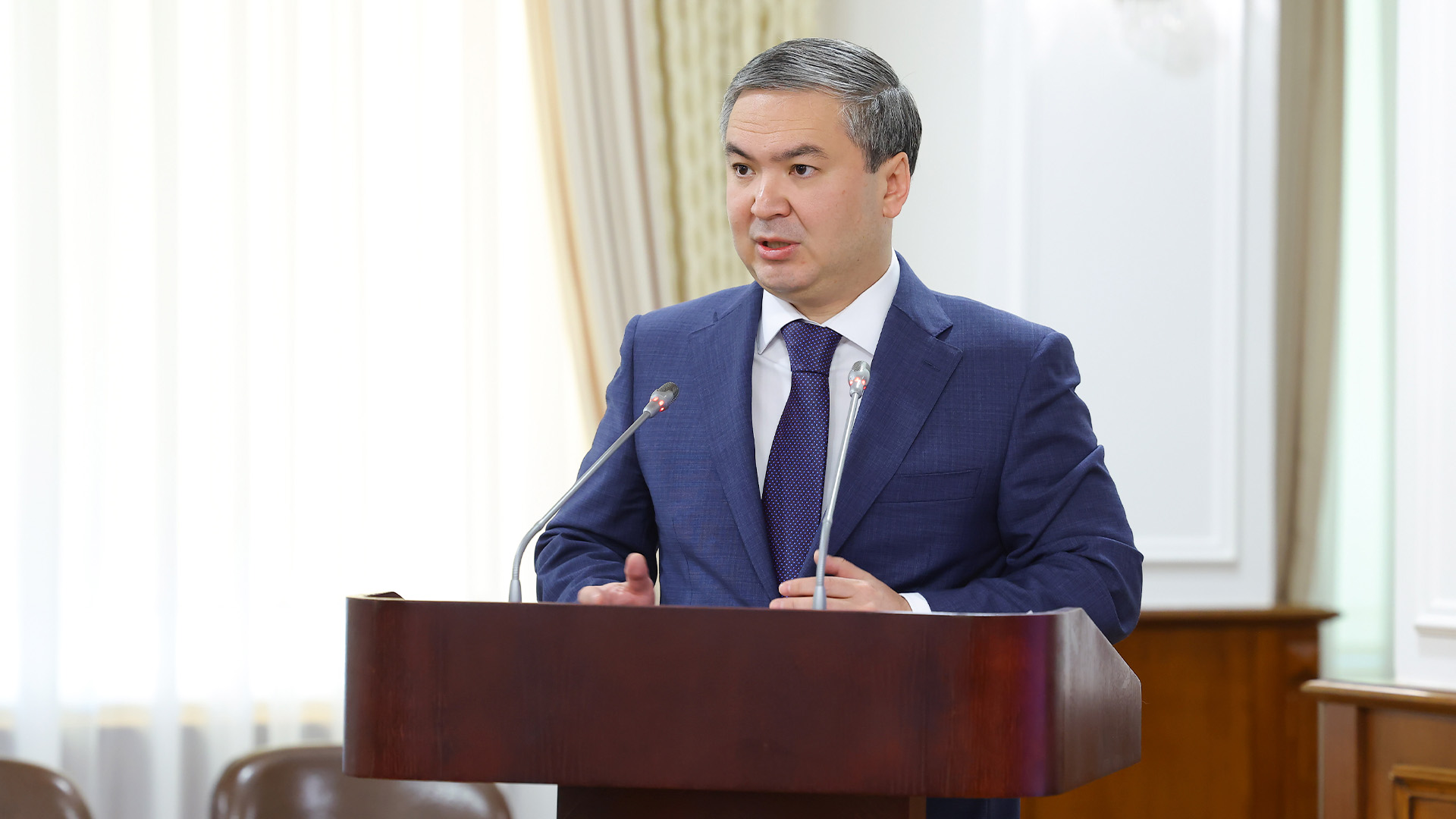 In addition, attention was paid to the work being carried out in the field of energy saving and plans for the development of the industry. Minister of Industry and Construction Yersaiyn Nagaspayev reported that in the industrial sector, a 32% reduction in energy intensity has been achieved through work with large enterprises. Individual target indicators for energy efficiency have been developed for them. Energy audits have been carried out at about 300 large industrial facilities, and a number of energy-saving measures worth 113 billion tenge have been implemented, ensuring significant savings in the industry. Work is currently underway on more than 300 more facilities. Overall, the energy intensity of Kazakhstan’s economy decreased by 5% by the end of 2024.
The Prime Minister emphasized the importance of introducing best practices in the field of energy saving and energy efficiency.
“The Head of State recently noted that the energy intensity of Kazakhstan’s economy is 2 times higher than the world average and 3.5 times higher than the indicators of OECD countries. The global trend recorded by the International Energy Agency remains a steady decline in energy intensity – the global economy is learning to produce more benefits using fewer resources. Therefore, it is necessary to actively introduce best practices in the field of energy saving and energy efficiency,” Olzhas Bektenov noted.
The attention of the meeting participants was focused on world experience. Thus, in Germany and Japan, excess heat from metallurgical and chemical plants is not released into the atmosphere, but is captured by heat pumps and directed to heat nearby residential areas. In many European countries, when constructing new buildings, super-tight thermal insulation, energy-saving windows, and air recovery systems are used.
“The Head of State has set the Government the task of reducing energy consumption and the energy intensity of the economy by 15% by 2029. All industrial entities must approve their action plans for energy saving and improving energy efficiency. Within one week, akimats of Akmola, East Kazakhstan, Aktobe, and Kyzylorda regions, and the city of Astana must approve the relevant Roadmaps. The Ministry of Industry must keep this issue under special control,” the Prime Minister instructed.
The Ministry of Industry, together with responsible agencies and akimats, must take appropriate measures to achieve the planned indicators.
#Olzhas Bektenov #Ecology #President's instruction



Stay updated about the events of the Prime minister and the Government of Kazakhstan - subscribe to the official Telegram channel
Subscribe