11 November 2025, 14:00
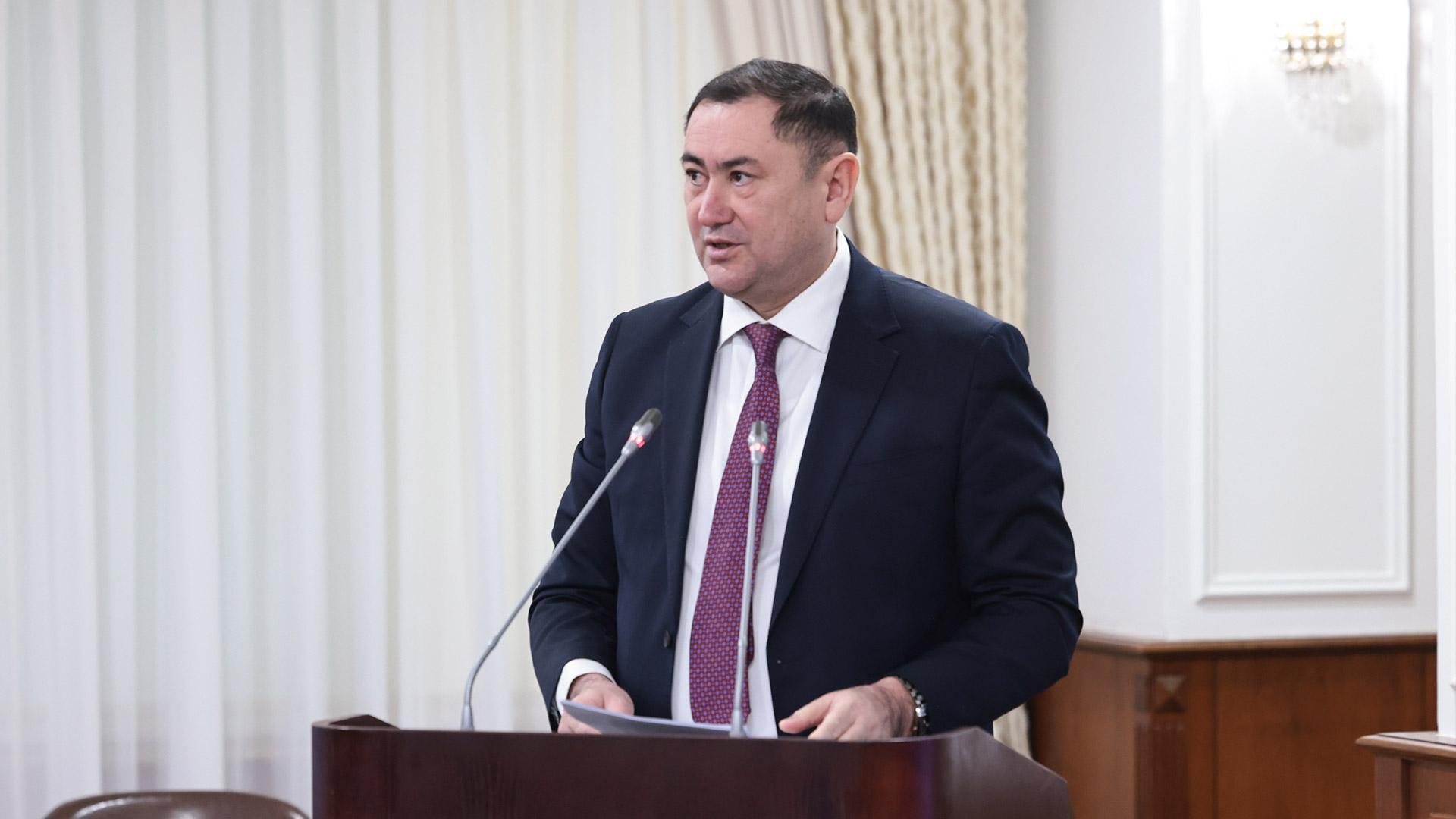 At the Government session, Deputy Minister of Healthcare Timur Muratov reported on the ongoing work to ensure the accessibility of safe and high-quality medicines.
Currently, there are over 10,000 pharmacies operating in Kazakhstan, including 2,700 in rural areas. To serve residents in remote regions, 11 mobile pharmacy units are functioning. According to the Vice Minister, to further improve access to medicines for rural residents, new pharmacy outlets will be opened at rural medical facilities next year. At present, 2,174 pharmacies comply with GDP (Good Distribution Practice) standards.
In total, 20,476 medicinal products and medical devices are registered in the country, with Kazakhstani manufacturers accounting for more than 15%. Among the WHO-recommended list of essential medicines, domestic products make up 37%.
Timur Muratov highlighted the ongoing work on medicine registration within the Eurasian Economic Union (EAEU) framework. This measure, he noted, will increase the total number of registered medicines by 60%, including over 300 Kazakhstani products. To accelerate the process, the cost of examination has been reduced by 90%, and a dedicated call center has been established.
Regarding quality control, the Vice Minister noted that two laboratories are currently operating in the country. This year, 1,723 medicines were tested, and 43 were withdrawn from the market due to non-compliance. The Ministry is strengthening oversight — 100% of medicines purchased under the state procurement system will now undergo mandatory examination.
Special attention was given to the reform of pricing mechanisms, implemented in line with the President’s directive. The Vice Minister reported that marketing and transportation expenses have been excluded from pricing structures, and the maximum price for generic drugs has been reduced by 30% compared to original medicines.
According to him, prices for nearly 2,900 medicines covered under the State Health Benefits Package (SHBP) and Compulsory Social Health Insurance (CSHI), as well as 4,900 retail medicines, have been revised. As a result, the Unified Distributor saved 70.5 billion tenge in 2025, which was redirected toward additional procurement. In October, retail prices for high-demand medicines fell by an average of 11%.
He also announced the launch of a mobile application “Naqty Onim”, developed jointly with Kazakhtelecom, through which citizens can check maximum retail prices and file complaints about price violations.
The Deputy Minister reported a significant increase in funding for outpatient drug provision — since 2020, it has grown by 48%, reaching 262 billion tenge. Over the first ten months, three million patients have received free medicines worth 219.7 billion tenge. A stabilization fund of 21 billion tenge has been established to ensure uninterrupted supplies.
Addressing the transition of certain diseases from SHBP to CSHI, the Deputy Minister clarified that only the source of financing has changed, while all state guarantees remain fully intact for patients with chronic conditions such as diabetes, cerebral palsy, and others.
He also reported on the implementation of a composite “one-stop-shop” service introduced in April 2025, which has halved the time required for expert review and registration, and for medicines from high-regulation countries, reduced it to 15 days.
Since July 2024, the Ministry has introduced a medicine labeling and traceability system, which has already generated 24 billion tenge in tax revenue and helped uncover cases of illegal sales of free medicines. Investigations are underway, and the Ministry warned that strict measures will be taken against violators. In December, a pilot project on labeling medical devices and dietary supplements (BADS) will be launched.
As part of the Ministry’s digitalization efforts, the integration of electronic prescription and pharmaceutical supply systems has halved prescription processing time.
Additionally, the Ministry is developing a co-payment mechanism to decentralize medicine provision, which will be voluntary. For supply chain planning, counterfeit prescription detection, and market participant support, the Ministry plans to use an AI-based consultation system (“AI Consultant”).



Stay updated about the events of the Prime minister and the Government of Kazakhstan - subscribe to the official Telegram channel
Subscribe