18 March 2026, 13:00
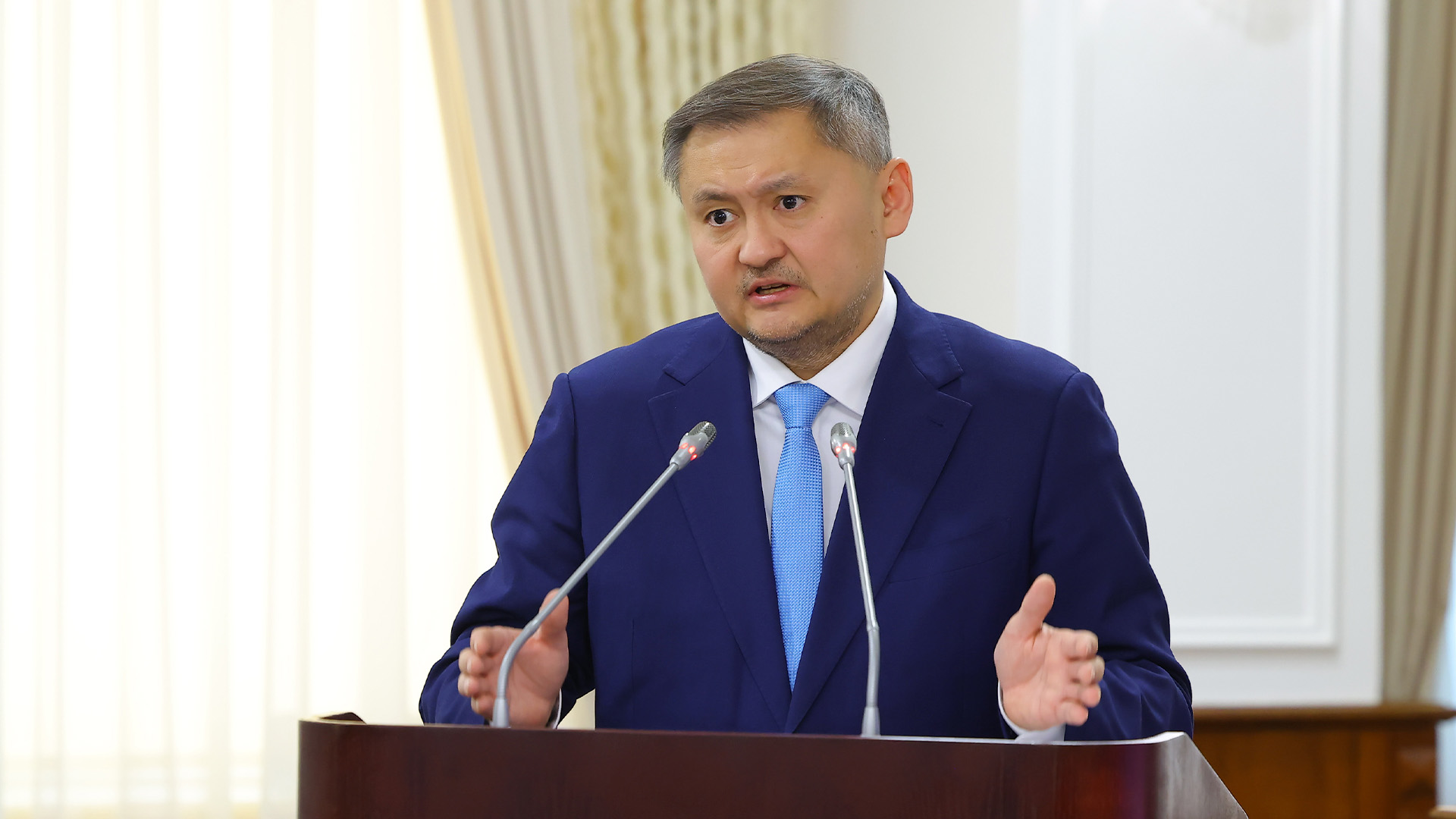
Minister of Science and Higher Education Sayasat Nurbek reported at the Government session on the implementation of the provisions of the new Constitution, emphasizing that the updated Basic Law enshrines Kazakhstan’s strategic shift toward a knowledge-based economy.
The Minister noted that the focus of state policy is now on citizens’ intellect, their professional competencies and research culture. According to the new wording of Article 3 of the Constitution and the updated Preamble, the development of human capital, science and innovation is закреплено as a strategic priority, effectively equating science with the fundamental foundations of statehood.
As part of the education reform, the Ministry is introducing a new model of university funding oriented toward the needs of the real economy. Sayasat Nurbek reported that starting from 2026, a National University Ranking will be introduced, the results of which will become decisive in the allocation of state educational grants. Universities with high performance indicators will receive expanded academic autonomy, including the right to independently determine the structure of programs and award PhD degrees.
An important step in diversifying university revenues has been the development of endowment funds: in February 2026, the country’s first fund, “Gylym zhane bilim endowment qory,” was officially registered under a new legislative model.
Special attention was paid to the systemic support of scientists and the development of scientific infrastructure. A draft law under consideration in the Mazhilis introduces the concept of a “young scientist” and закрепляет guarantees of academic freedom. To ensure equal access of researchers to modern equipment, shared-use laboratories are being created, integrated into the digital platform e-Lab and the “Kazakhstan Science” system. In addition, on the поручение of the Head of State, a legal framework is being formed for the establishment of science cities and science and technology parks, which will turn science into a productive force of the economy.
The Minister also noted a new model of regional innovation systems (RIS), according to which universities and research institutes become centers of technological development in the regions. Innovation policy has now been fully transferred under the authority of the Ministry of Science and Higher Education, making it possible to consolidate the potential of technoparks, venture funds and commercialization offices. It is expected that by 2029, the contribution of innovation activity to gross regional product will reach 1%.
Sayasat Nurbek emphasized that the provisions of the new Constitution are already being integrated into university educational programs. The methodological guide developed by scholars of Al-Farabi Kazakh National University is being used as a basis, which will help foster a high level of civic responsibility and understanding of constitutional values among young people. The Minister concluded that the new Basic Law creates a foundation for the country’s intellectual independence and the transformation of human potential into the main source of sustainable growth.
#Government session #Ministry of Science and Higher Education #President's instruction



Stay updated about the events of the Prime minister and the Government of Kazakhstan - subscribe to the official Telegram channel
Subscribe