23 February 2026, 16:32
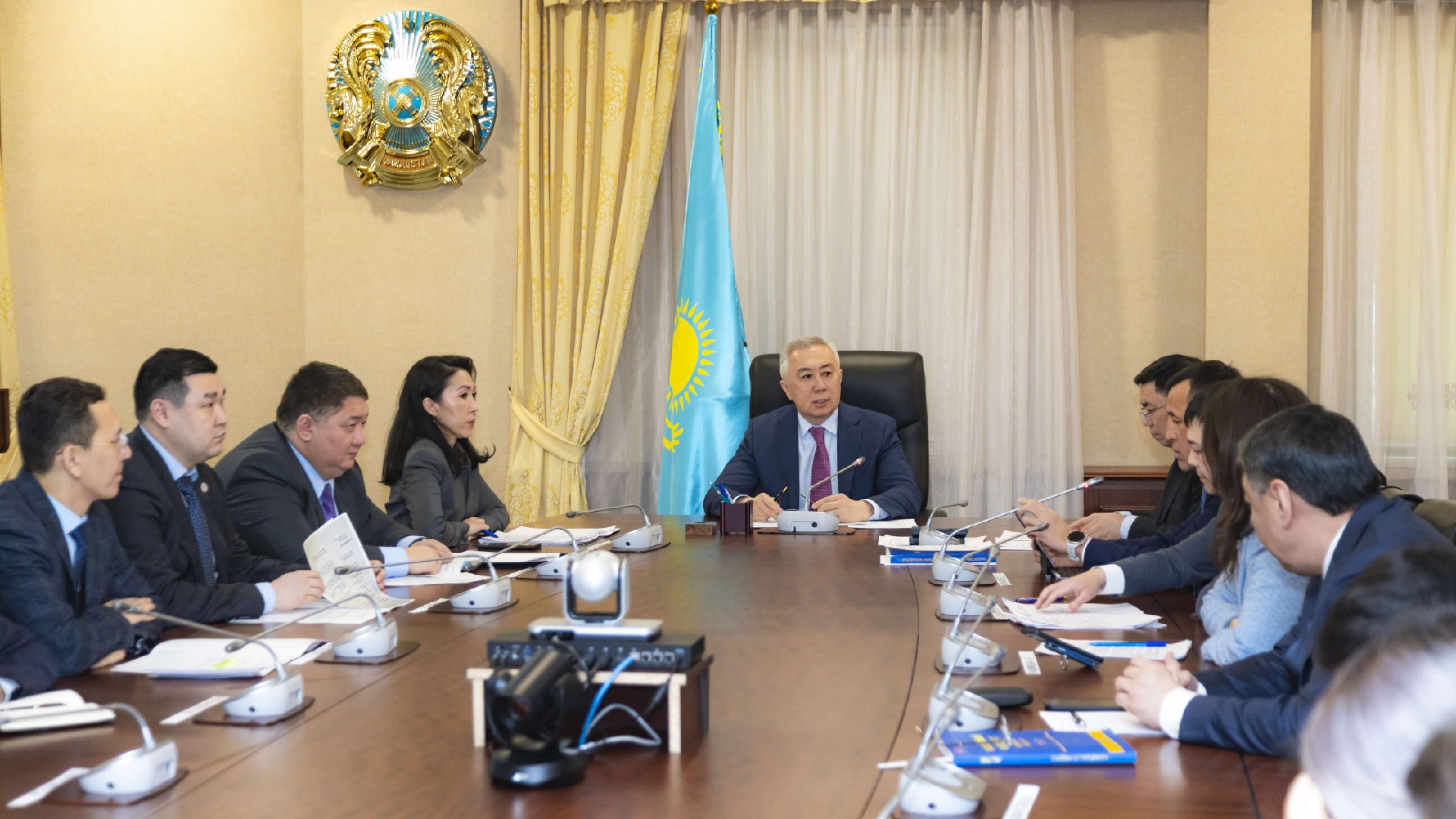
Another set of issues related to the implementation of the new Tax Code was discussed at the sixth meeting of the Project Office chaired by Deputy Prime Minister – Minister of National Economy Serik Zhumangarin.
Gardening Associations: Is VAT Registration Required?
In particular, appeals from gardening unions were reviewed. Gardening associations are registered as non-profit organizations in the form of consumer cooperatives. Following the reduction of the mandatory VAT registration threshold to 40 million tenge, they raised the question of whether they are required to register as VAT payers.
As explained by Vice Minister of Finance Yerzhan Birzhanov, a consumer cooperative is an association of citizens who form a common fund through membership contributions to cover shared expenses. Such contributions are not considered payment for goods or services and therefore do not constitute taxable turnover for VAT purposes. Accordingly, no VAT arises from membership contributions, no invoices are issued for them, and there is no requirement to register for VAT.
A VAT obligation may arise only if the cooperative conducts additional entrepreneurial activities and earns income from the sale of goods or services.
If activities are limited to collecting contributions and spending them for the needs of cooperative members, no taxable income arises.
VAT Exemption on Fuel Imports
The meeting also discussed Article 479 of the Tax Code, which provides for VAT exemption on the import of fuels and lubricants used by aircraft in international transportation. The article предусматривает additional confirmation from diplomatic or consular institutions regarding the intended use of fuel. Participants recognized such requirements as excessive. To avoid unnecessary bureaucracy, this condition will not be applied.
Invoices for Services Provided by Non-Residents
Starting from 2026, a requirement will be introduced to issue invoices when purchasing works and services from non-residents. The procedure will differ for VAT payers and non-payers. The State Revenue Committee will soon provide official clarifications on the practical application of these provisions.
Expenses in Working with the Self-Employed and Confirmation of Agricultural Production
Issues requiring more detailed consideration and comprehensive analysis were also taken into review. These include the possibility for limited liability partnerships operating under the general taxation regime to deduct corporate income tax expenses under contracts with an individual applying the special tax regime for the self-employed, if that individual is simultaneously a founder of the partnership.
Currently, the Tax Code does not prohibit the deduction of such expenses. The additional status of an individual (including that of a founder) in itself is not grounds for denying deductions.
At the same time, it was emphasized that the self-employed regime is originally intended for individuals not engaged in other entrepreneurial activities. The substitution of labor relations with civil law contracts is unacceptable.
This issue will be further reviewed at the next Project Office meeting.
The meeting also addressed issues related to confirming production by peasant farms applying the special tax regime. This is necessary to prevent grey imports in agricultural trade. In livestock farming, the origin of animals is confirmed through an information system, while in crop production, a traceability system is currently under development. The confirmation mechanism requires further refinement. The issue will be elaborated jointly with the relevant state body and submitted for consideration at a subsequent Project Office meeting.



Stay updated about the events of the Prime minister and the Government of Kazakhstan - subscribe to the official Telegram channel
Subscribe