06 October 2026, 10:42
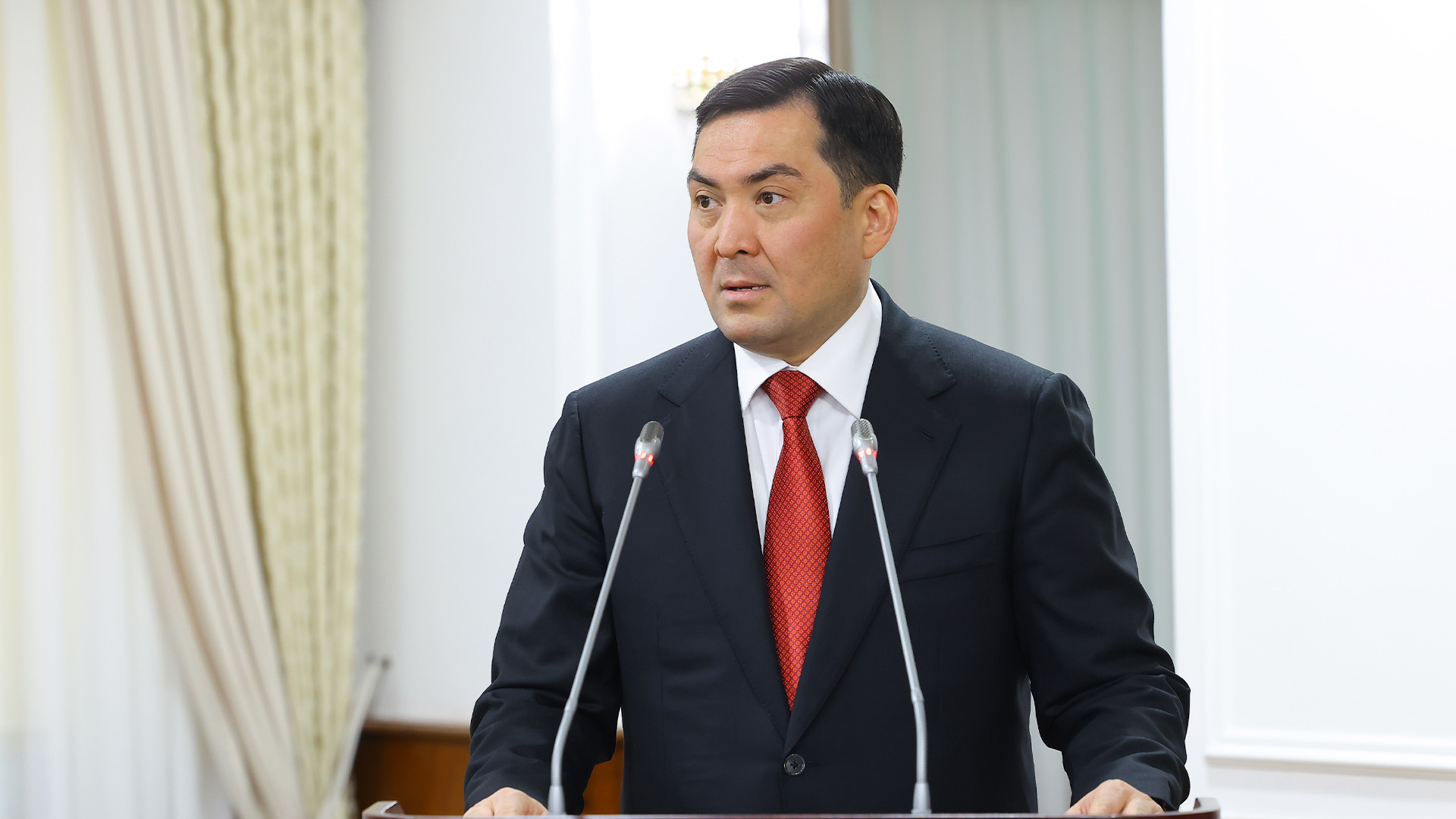 The economic impact of implementing artificial intelligence-based solutions in the fuel and energy complex will amount to approximately 23 billion tenge. This was announced by Minister of Energy Yerlan Akkenzhenov while presenting approaches to the implementation of digital technologies that will enable a transition from reacting to emerging issues to forecasting them.
Under the Digital Qazaqstan Strategy, the Ministry of Energy is responsible for the digitalization of the fuel and energy complex. The primary goal of digitalization in the energy sector is the online monitoring of equipment conditions and the reduction of losses. This will ensure a stable supply of electricity, heat, and fuel to consumers.
The Ministry is implementing 20 initiatives across three main areas: digital twins, artificial intelligence, and cyber-physical security. These initiatives will be implemented in phases through 2029.
As a result, an accident rate reduction of 25% at facilities is expected, along with a reduction in energy resource losses of up to 90%. The economic impact of implementing AI-based solutions will be around 23 billion tenge per year. The main objective is to shift to proactive management of the sector based on preliminary risk forecasting.
By the end of the year, in collaboration with the authorized state body, three key documents are scheduled for approval:
Consequently, enterprises will be able to apply standardized solutions and rapidly scale successful projects across the entire industry.
A digital twin is a virtual model reflecting the actual condition of a production facility. It allows for the evaluation of equipment performance and the advance forecasting of potential outcomes of decisions being made.
In the oil and gas sector, a pilot project is underway at the Embamunaigas field. Within this project, data on the reservoir, wells, and production infrastructure are integrated into a single system. Following full-scale implementation of the solution, additional oil production is projected to increase by up to 2.9 million tons.
"In the energy sector, digital twins of the capital's energy complex are being developed jointly with the Akimat of Astana. The expected result is fuel savings of over 2.5%. Our task is to approve the target architecture of digital twins based on data from these pilot projects," noted Akkenzhenov.
The second area is artificial intelligence. To date, a portfolio of 45 AI projects has been formed in the sector, 34 of which are currently in the implementation stage. The main objective is to improve forecasting accuracy, optimize production processes, and enhance safety.
The combined economic impact of these three solutions stands at approximately 23 billion tenge per year.
The third area is cyber-physical security. Primary focus is placed on the security of systems that directly manage technological processes. This is because such systems control the operation of power plants, grids, and production equipment.
This year, the first industry-specific cyber drills, ENERFORT-2026, were conducted at the Kazakh National University, featuring more than 120 specialists. It is planned to conduct these drills annually.
A separate focus area is the online monitoring of equipment conditions. The share of core equipment whose condition is monitored online is planned to increase from 20% in 2026, to 50% in 2027, and to 70% in 2028. To achieve this, digital twins of generation and transmission facilities will be deployed, and core equipment will be equipped with sensors.
"This will allow for the early detection of malfunctions and the timely planning of repairs. As a result, a 25% reduction in accident rates is anticipated. For consumers, this translates to increased reliability in power and heat supply," explained the minister.
The second key indicator is ensuring full traceability of energy resources from production to consumption. This indicator will increase incrementally:
To accomplish this, tracking of oil and petroleum product movements from the wellhead to the gas station will be implemented. This will make it possible to reconcile data, identify discrepancies, and ensure accurate resource accounting, resulting in a reduction of energy resource losses by up to 90%.
The work will be carried out in stages:
By 2029, the implementation of all 20 initiatives is planned to be complete, transitioning the industry to data-driven management.
The immediate goal is to establish a unified technological foundation, evaluate the results of pilot projects, and scale effective digital solutions. This will ultimately increase the reliability of energy sector facilities while reducing accident rates and losses, with the ultimate objective of driving overall industry efficiency.
#Digitalization #Energy #Government session



Stay updated about the events of the Prime minister and the Government of Kazakhstan - subscribe to the official Telegram channel
Subscribe