22 April 2026, 22:07
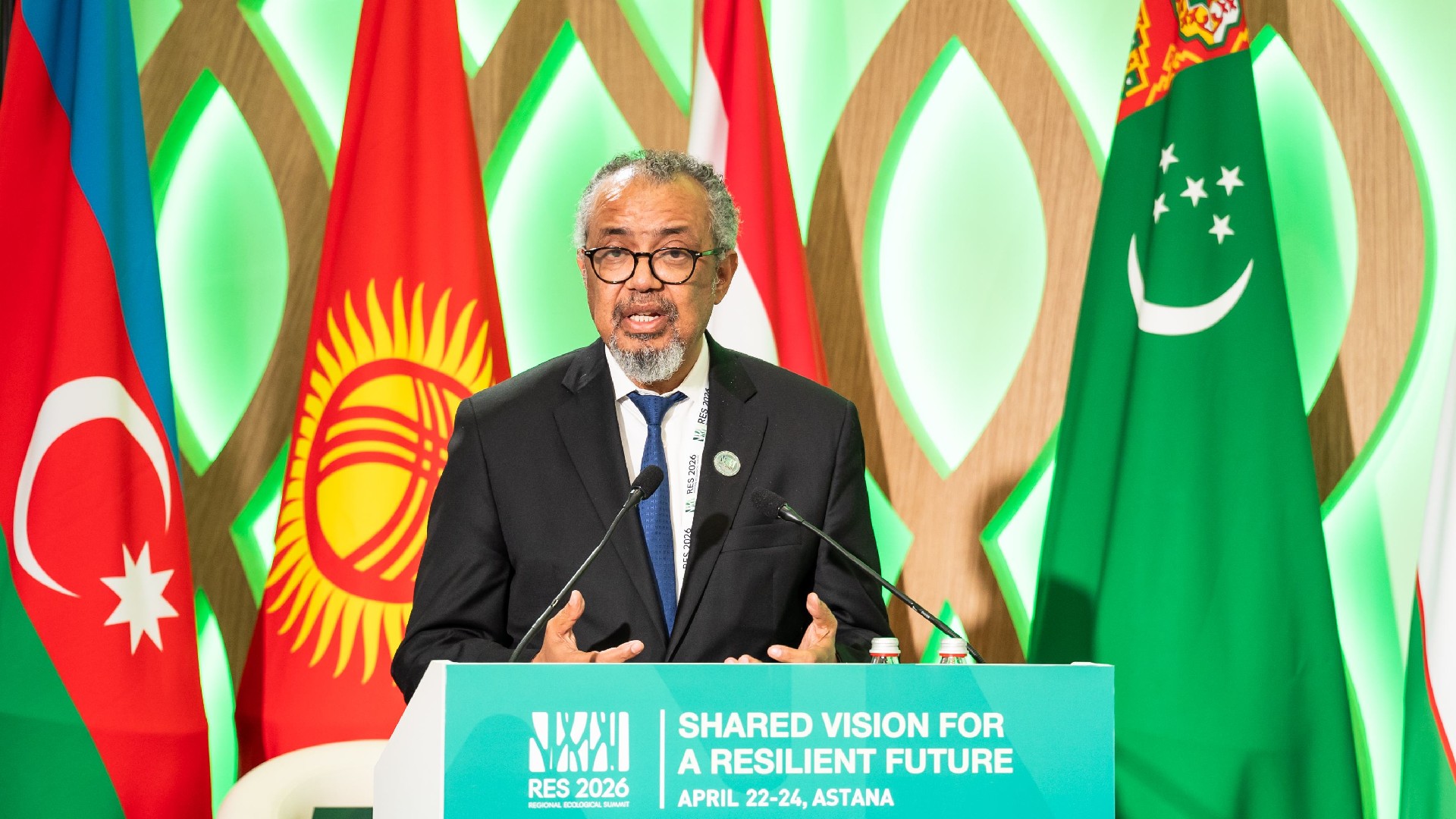
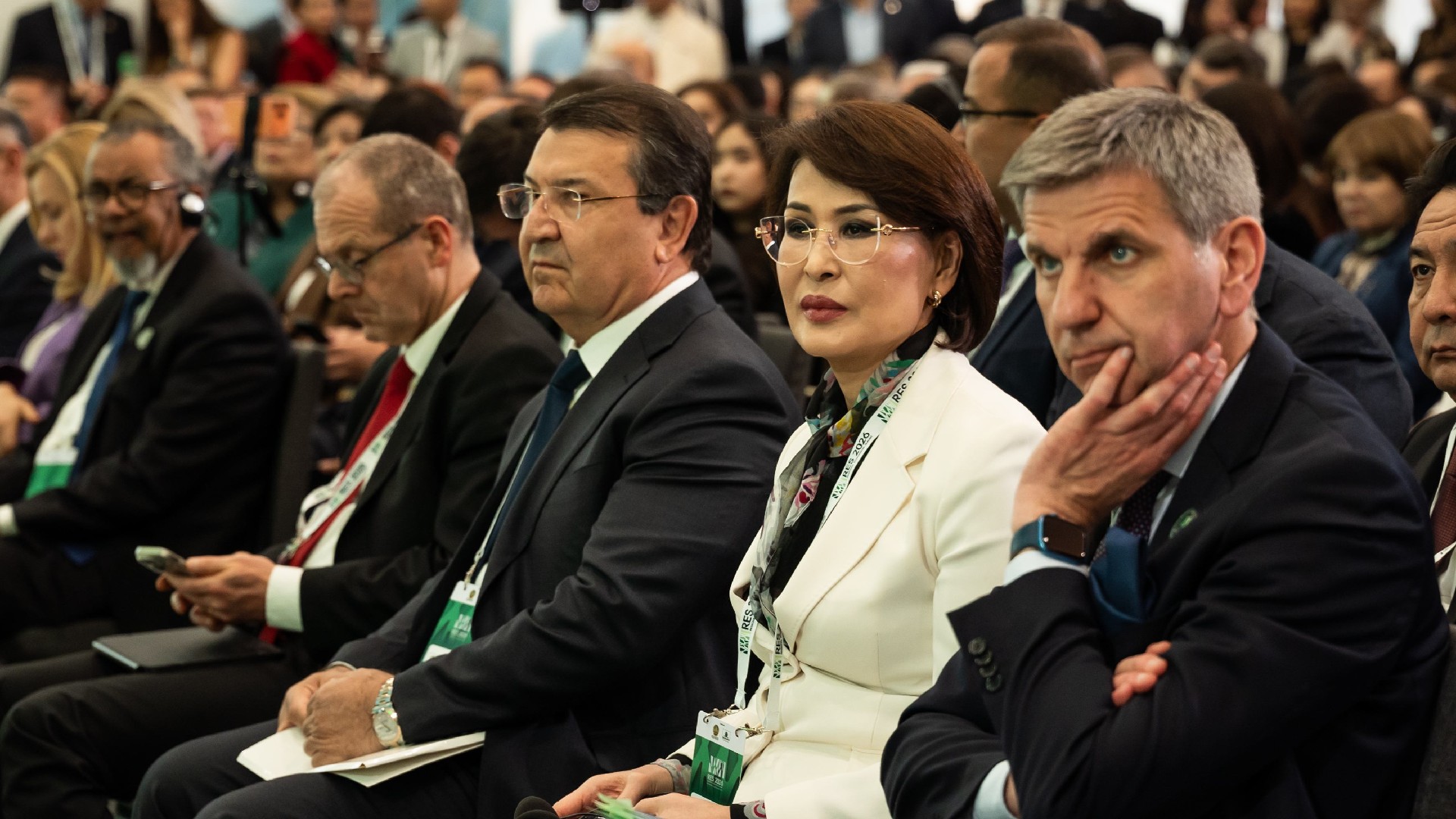
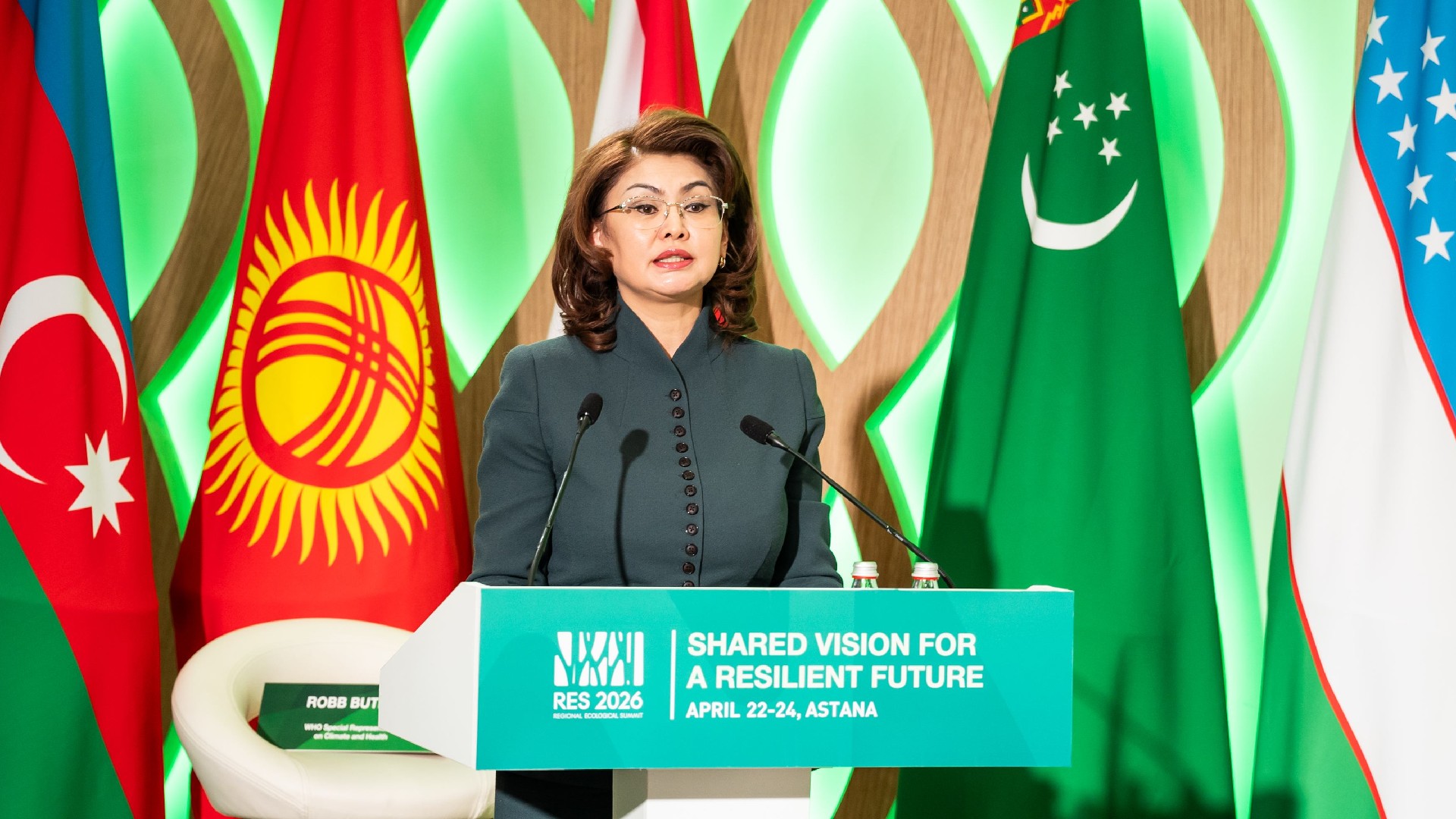 A panel session titled “Protecting Future Generations: Health at the Center of the Environmental Agenda – Lessons and Solutions from the Aral Sea” was held at the 2026 Regional Environmental Forum in Astana.
The session was attended by Deputy Prime Minister – Minister of Culture and Information of Kazakhstan Aida Balaeva, Ministers of Health from Central Asian countries and Azerbaijan, WHO Director-General Tedros Adhanom Ghebreyesus, and WHO Regional Director for Europe Hans Kluge.
In her welcoming remarks, Aida Balaeva highlighted the personal role of President of Kazakhstan in shaping environmental culture and the international environmental agenda.
“Speaking at the plenary session of the REF, Kassym-Jomart Tokayev clearly stated: ecology is not a narrow sectoral issue, but an ideology of development and a way of life. It is based on responsibility to future generations, a just ecological transition, and the unifying role of international cooperation. In this context, the Taza Kazakhstan movement is forming a new environmental culture — a culture of personal responsibility, careful attitude toward nature, and civic engagement,” Aida Balaeva emphasized.
The Deputy Prime Minister separately focused on the measures being taken to improve the health situation in Kyzylorda Region, which is at the epicenter of the Aral crisis. She noted that work is being carried out in four key directions. First, efforts to combat environmentally induced diseases are being strengthened, especially among the most vulnerable groups. At the same time, medical infrastructure is being developed and access to high-tech care in rural areas is being improved. The issue of personnel shortages is being addressed consistently through support measures and specialist training. In addition, systemic steps are being taken in the region to provide the population with safe drinking water, improve sanitary conditions, and monitor environmental quality.
According to the Ministry of Healthcare of Kazakhstan, more than 3 million people live in the Aral Sea region, and up to 40% of diseases are linked to environmental factors.
Among the consequences of the ecological crisis are an increase in respiratory and cardiovascular diseases, and a high prevalence of anemia, especially among women and children.
Participants discussed priority measures to protect the health of future generations and presented a draft Roadmap “Healthy Future in the Aral Sea Region,” aimed at reducing environmental risks and strengthening healthcare systems.
Following the session, a joint document was signed between Kazakhstan, Kyrgyzstan, Tajikistan, Turkmenistan, Uzbekistan, Azerbaijan, and the WHO Regional Office for Europe, formalizing agreed measures to improve the health of the population in the region. Several memorandums were also signed.




Stay updated about the events of the Prime minister and the Government of Kazakhstan - subscribe to the official Telegram channel
Subscribe