21 April 2026, 10:23
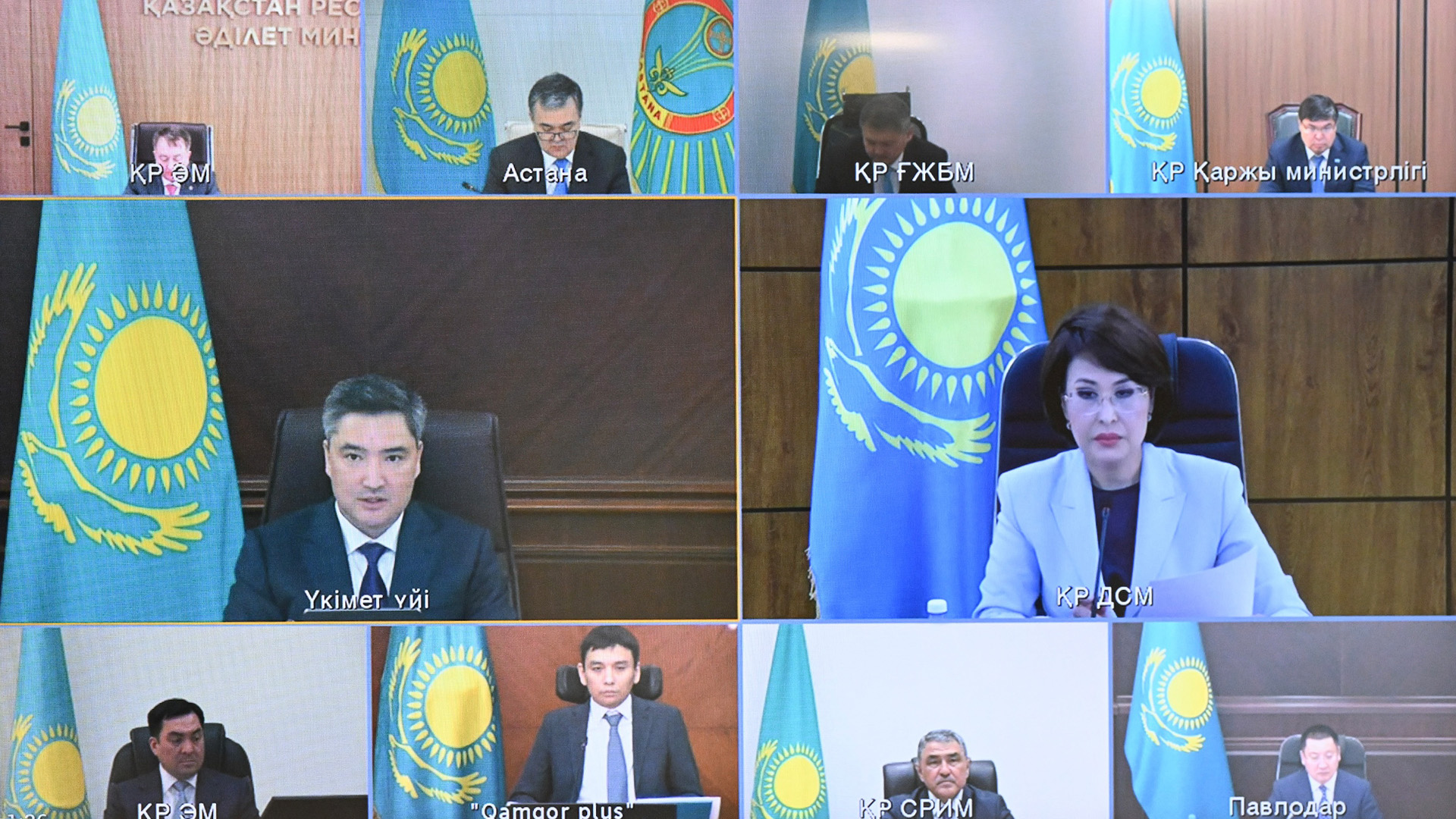 Minister of Healthcare of the Republic of Kazakhstan Akmaral Alnazarova reported at the Government session on the work being carried out to improve the quality of life for people with special needs.
The Minister noted that, in order to create an inclusive environment, the Healthcare Development Concept includes measures to reduce inequality in access to medical care, improve its quality, and introduce an integrated approach and digital tools.
“The systemic measures being implemented are helping to improve the quality of life of people with disabilities, reduce disability rates, and lower mortality,” Akmaral Alnazarova emphasized.
According to the Ministry, six types of screening are currently conducted in the country for early detection of disorders, three of which are carried out in maternity hospitals.
As a result of audiological screening, cochlear implants costing approximately 6.5 million tenge have been installed for 523 children with complete hearing loss.
Following ophthalmological screening, timely treatment was provided to 721 premature newborns with detected eye pathologies, preserving their vision.
Overall, screening coverage has increased by 25% and reached 93%, the number of referrals for pedagogical correction has doubled, and 85,000 children are now under observation.
Screening coverage for pregnant women has increased by 9%, detection rates by 12%, and the disability rate due to congenital malformations has decreased by 7%.
Over the past two years, special attention has been paid to the development of pediatric services: last year, 372 centers for development and early intervention and 366 pediatric departments were opened, covering 80% of the need. The remaining facilities will be opened by the end of the year.
The progressive patronage model has proven effective in identifying medical and social risks in families. Last year, 95% of children under 3 years old — 1.3 million children — were covered by patronage.
As a result, inter-agency cooperation has increased by 36%, mortality at home has decreased by 22%, and cases of late hospitalization have dropped by 5%.
Work continues to improve access to medical rehabilitation for children. Over the past two years, 20 centers have been opened, including 6 in rural districts, bringing the total to 81 centers. This year, another 11 district-level centers are planned to open. Rehabilitation coverage across the country has increased by 35%, with assistance provided to 243,000 children.
To improve access to medical care, from January 1 of this year, under the law adopted on the instruction of the Head of State, more than 800,000 citizens who were previously not covered by the Compulsory Social Health Insurance system have received insured status. Approximately 200,000 of them have already received medical assistance.
Screening programs in the country have been modernized:
This has allowed an additional 300,000 people to be covered.
As a result of screening, 320,000 people have been placed under dynamic observation. Early detection of oncological diseases has increased to 35%, and coverage with effective examinations has risen from 4% to 38%.
The country is actively developing a network of stroke centers — currently, 85 modern centers fully meet the demand.
48 coronary angiography centers are operating to provide care for heart attacks, ensuring compliance with the “golden hour” principle. Such centers are also being opened at the rural level.
Out of 98,000 hospital beds in the country, 12,000 are dedicated to rehabilitation.
#Government session #Healthcare #President's instruction“In order to reduce waiting times for hospitalization, the rehabilitation standard has been updated and requirements for clinics have been strengthened to improve the quality of services. Work in this direction will continue,” Akmaral Alnazarova concluded.



Stay updated about the events of the Prime minister and the Government of Kazakhstan - subscribe to the official Telegram channel
Subscribe