15 October 2026, 10:15
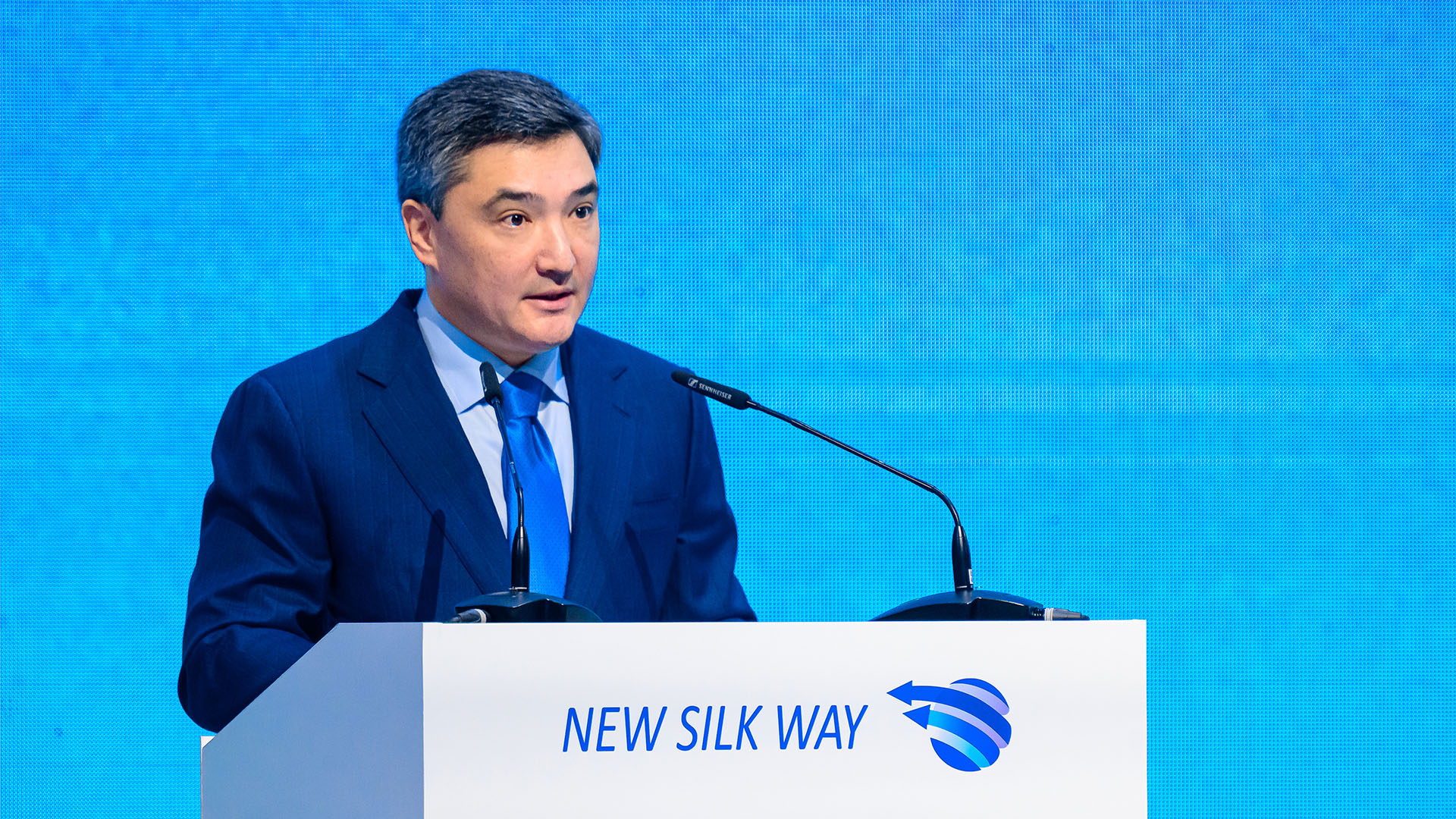 The issue of unlocking the potential of the transport and logistics sector was discussed in Astana as part of Kazakhstan Transport Week. Attention was focused on the development of rail, road, maritime, and air transport, the implementation of digital solutions, enhancing the efficiency of international freight transportation, and training industry personnel. Measures to strengthen cooperation among states along the East–West, North–South, and Trans-Caspian International Transport Routes were reviewed.
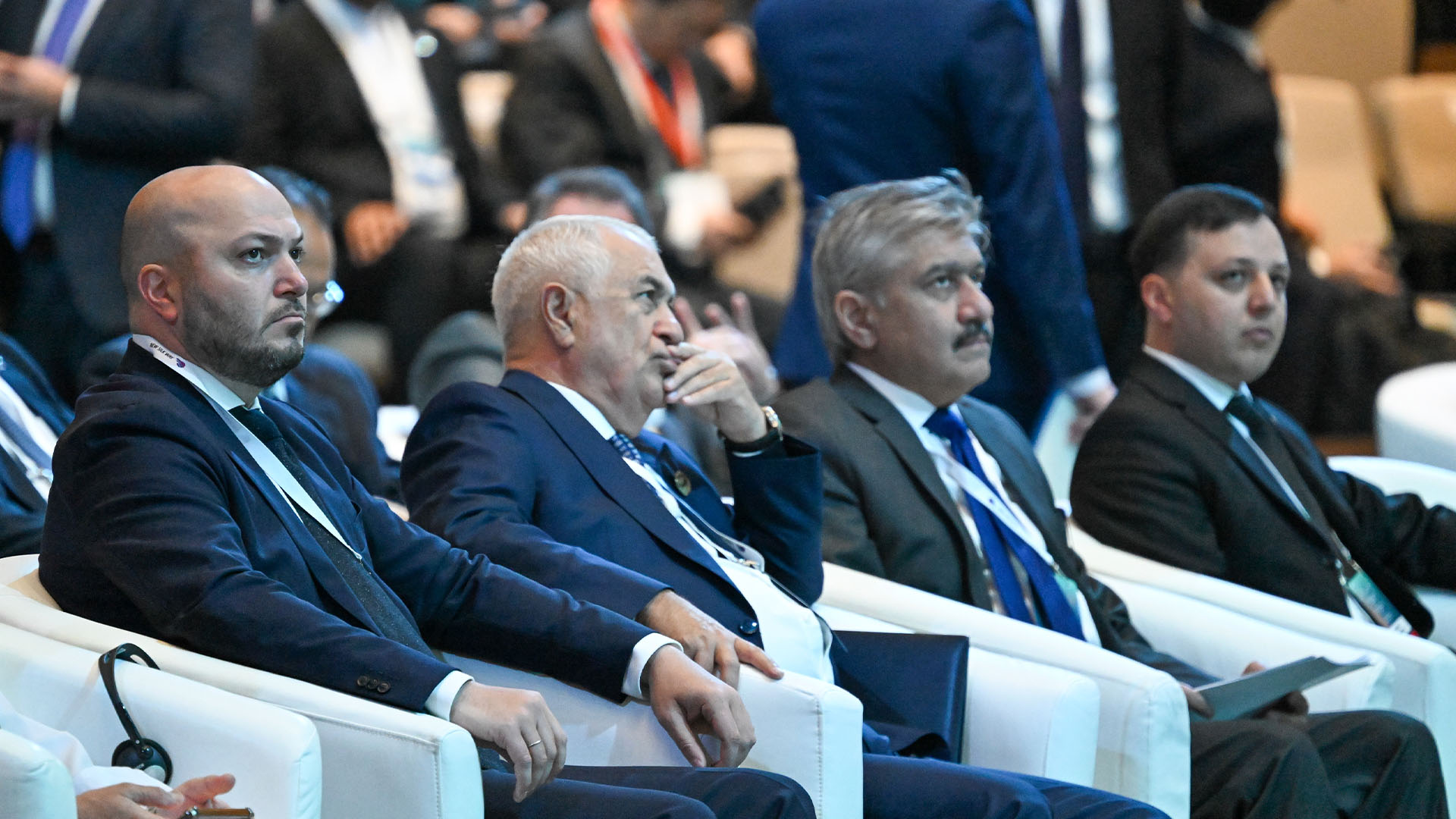
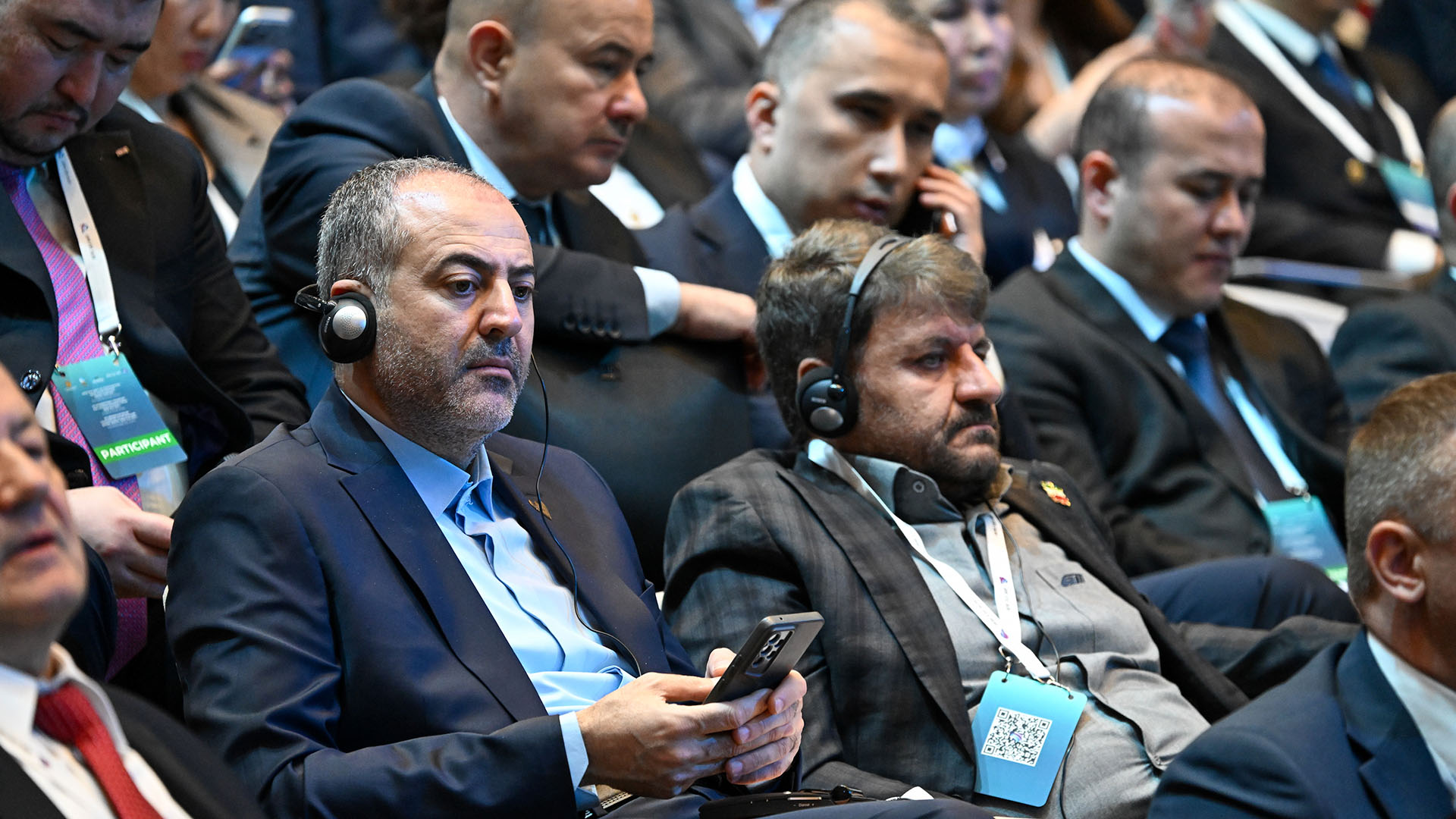
Industry experts from about 40 countries gathered at a single platform. Forum participants included the leadership of transport authorities from Azerbaijan, Armenia, Afghanistan, Belarus, Georgia, Iran, Kyrgyzstan, Pakistan, Russia, Turkmenistan, Türkiye, Uzbekistan, and the Czech Republic, as well as representatives of international organizations, major transport and logistics enterprises, and the diplomatic corps.
Based on the results of 9 months of 2026, growth in the transport sector reached 7.2%. The industry ranks among the leaders. According to World Bank estimates, combining infrastructure investments with trade facilitation and the reduction of border delays will increase the GDP of countries by approximately 15%. Prime Minister of Kazakhstan Olzhas Bektenov noted the significance of the transport and logistics sector in the GDP structure and the state's intention to increase its share in the country's economy.
“President of Kazakhstan Kassym-Jomart Tokayev has defined the development of transport and logistics potential as one of the country's strategic priorities. Modern transport infrastructure contributes to the expansion of international trade, attraction of investments, creation of new production facilities, and strengthening of economic ties between states,” Olzhas Bektenov emphasized.
A large-scale transport infrastructure development program is being implemented in Kazakhstan. Over the past 7 years, 36.3 thousand km of roads have been constructed and repaired, and over 5 years, 5 thousand km of railways have been built and modernized. Border, maritime, and airport infrastructure is being developed, with the aviation safety level reaching 95.7%. Following the results of 2025, the volume of transit traffic through Kazakhstan grew by 18%, reaching 39.1 million tons. According to the Ministry of Transport, in 2035 it is planned to increase the capacity of seaports by 4 times, fleet capacity by 5 times, and bring the volume of transit traffic up to 100 million tons per year.
The Prime Minister focused participants' attention on the prospects for improving approaches to organizing international logistics and strengthening the connectivity of the East–West, North–South, Trans-Caspian, and prospective Trans-Afghan transport corridors. The development of infrastructure, digitalization of logistics, and ensuring seamless transit were named as important areas of joint work among states. Priorities include removing infrastructure constraints and administrative barriers, implementing "green corridors" and the "single window" principle, which will simplify cross-border transportation and reduce the delivery time and cost of cargo. The importance of transitioning to the implementation of joint investment and infrastructure projects was emphasized.



Stay updated about the events of the Prime minister and the Government of Kazakhstan - subscribe to the official Telegram channel
Subscribe