18 May 2026, 20:53
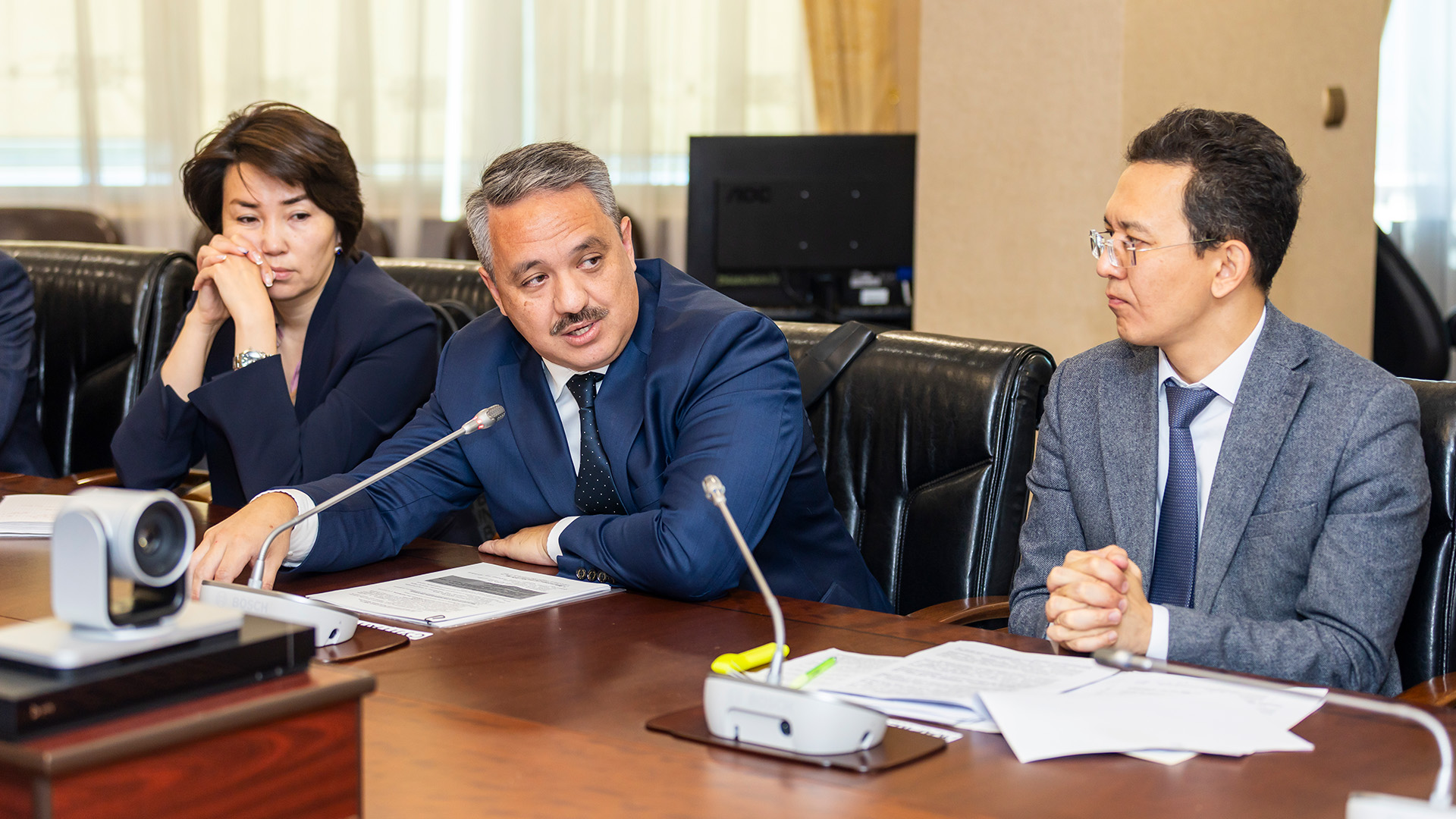
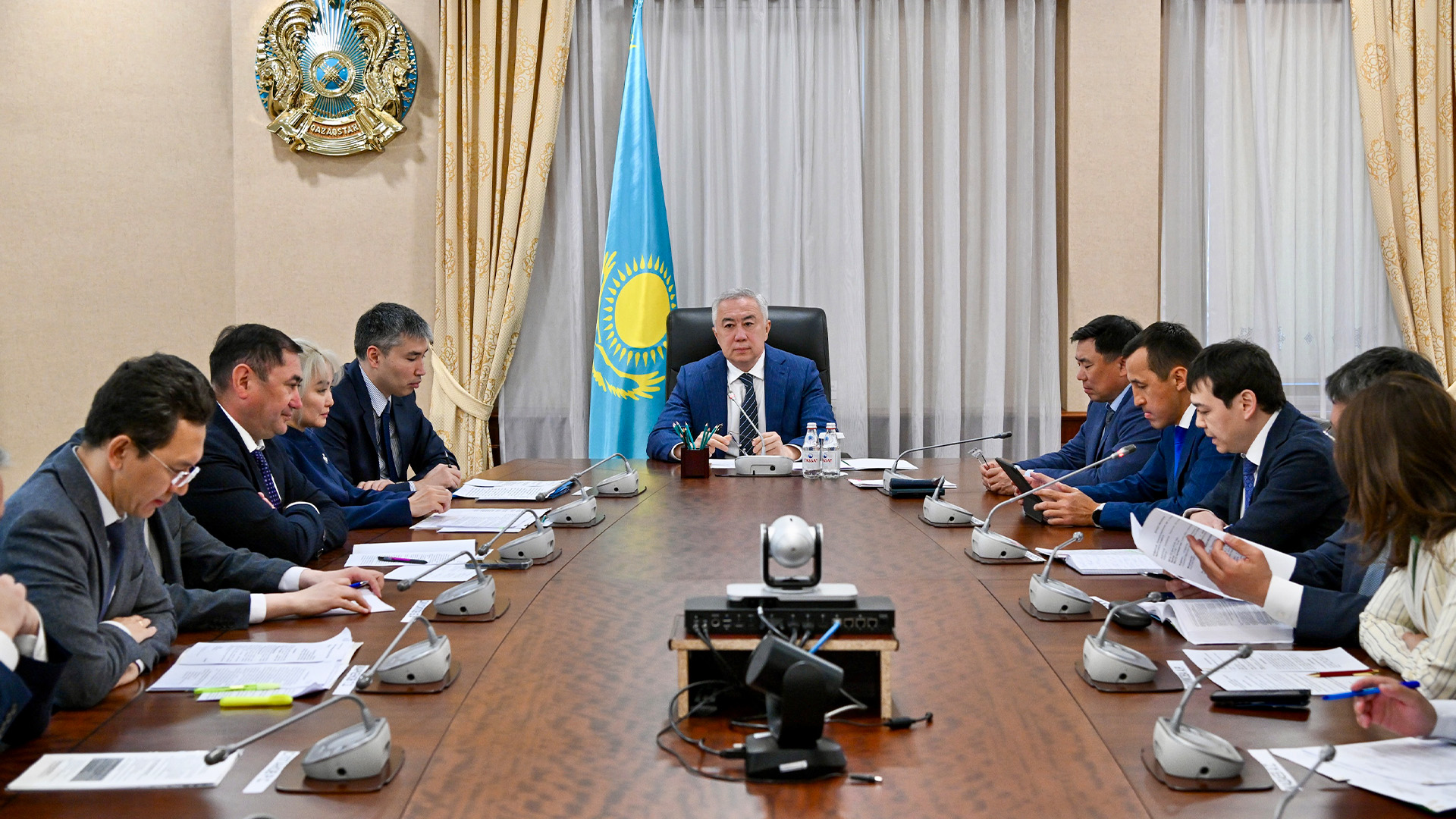 At the 15th meeting of the Project Office for the Implementation of the Tax Code, chaired by Deputy Prime Minister – Minister of National Economy Serik Zhumangarin, the next package of issues concerning tax administration and sectoral regulation was reviewed.
One of the topics of the meeting was the taxation of income from monetary and credit market operations. From January 1, 2025, to January 1, 2026, a special procedure for taxing certain types of income from monetary and credit market operations was in effect. In this regard, corporate income tax payers faced the need to adjust the procedure for calculating and paying advance payments of corporate income tax, as well as the rules for preparing tax reporting.
According to the norms of the previous Tax Code, income from monetary and credit market operations for 2025 was taxed at a rate of 10%. At the same time, the tax base was formed exclusively based on the results of the completed tax period and had a one-time, non-periodic nature.
However, the current norms require that the amount of such tax be included in the calculation of advance payments for corporate income tax. According to a representative of the National Bank, this leads to an unjustified increase in the amount of advance payments, since in 2026 operations in the monetary and credit market are no longer subject to additional taxation.
In this regard, it was proposed to amend the procedure for calculating and paying advance payments of corporate income tax, as well as the rules for preparing tax reporting, including the calculation of the difference between the amount of calculated advance payments and the amount of calculated corporate income tax. The Ministry of Finance supported this proposal and accepted it for further work.
The meeting also revisited the possibility of introducing a single flat VAT rate in the healthcare sector. Participants agreed that a single rate is necessary, but discussions continue regarding its level.
It should be recalled that from January 1, 2026, a reduced VAT rate of 5% was established for the sale and import of medicines, medical products, components, and technical auxiliary means, and from January 1, 2027, it will be 10%.
At the same time, the sale and import of medicines and medical services provided under the Guaranteed Volume of Free Medical Care and Compulsory Social Health Insurance, including the treatment of orphan and socially significant diseases, are exempt from VAT. According to meeting participants, the combination of preferential and exempt regimes creates difficulties in tax administration.
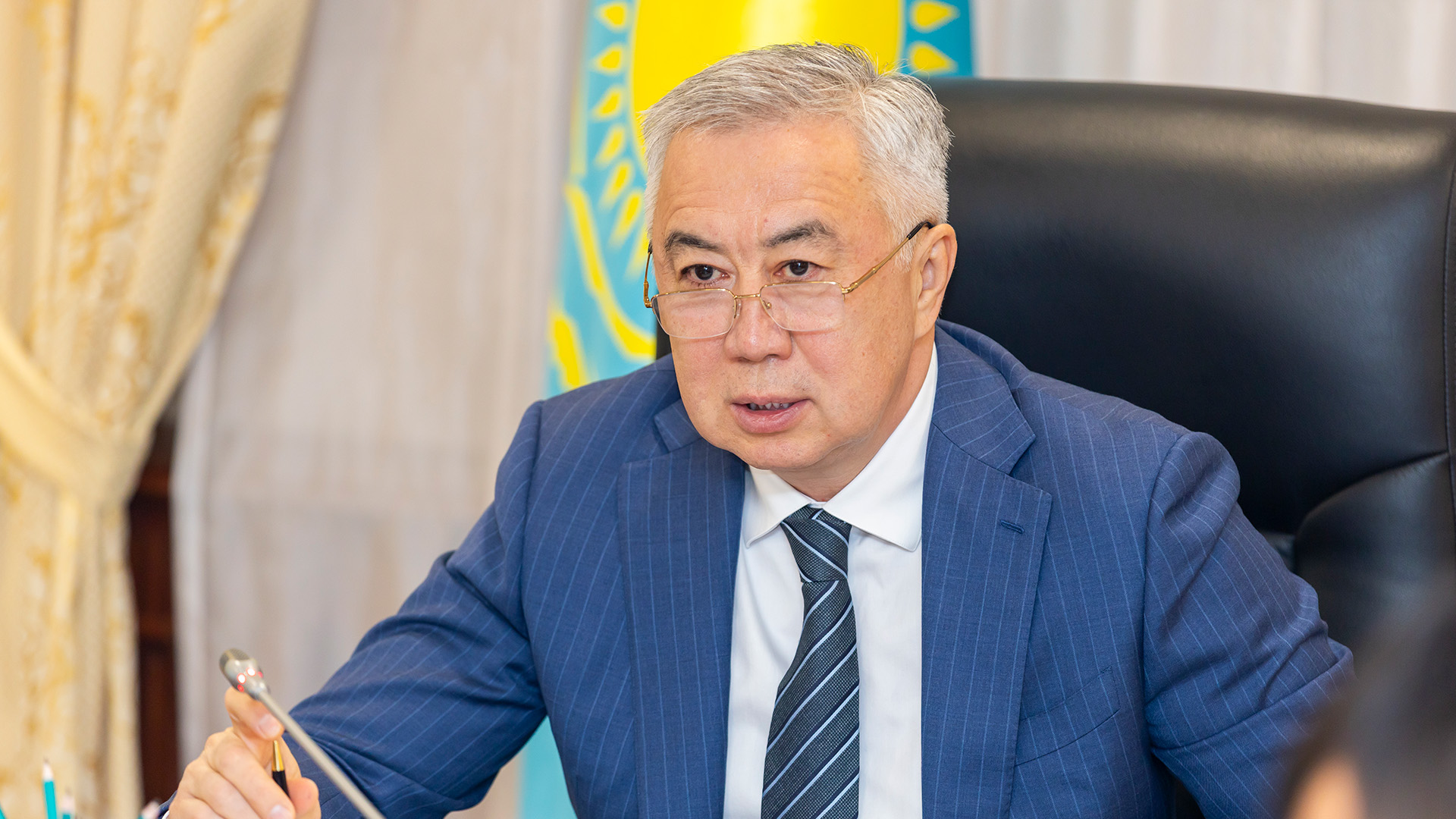 Following the discussion, Serik Zhumangarin instructed to further calculate the parameters of a possible rate and its impact on the industry and the budget.
Another issue discussed was the possibility of canceling the obligation to submit Form 200 for entities applying the simplified tax regime.
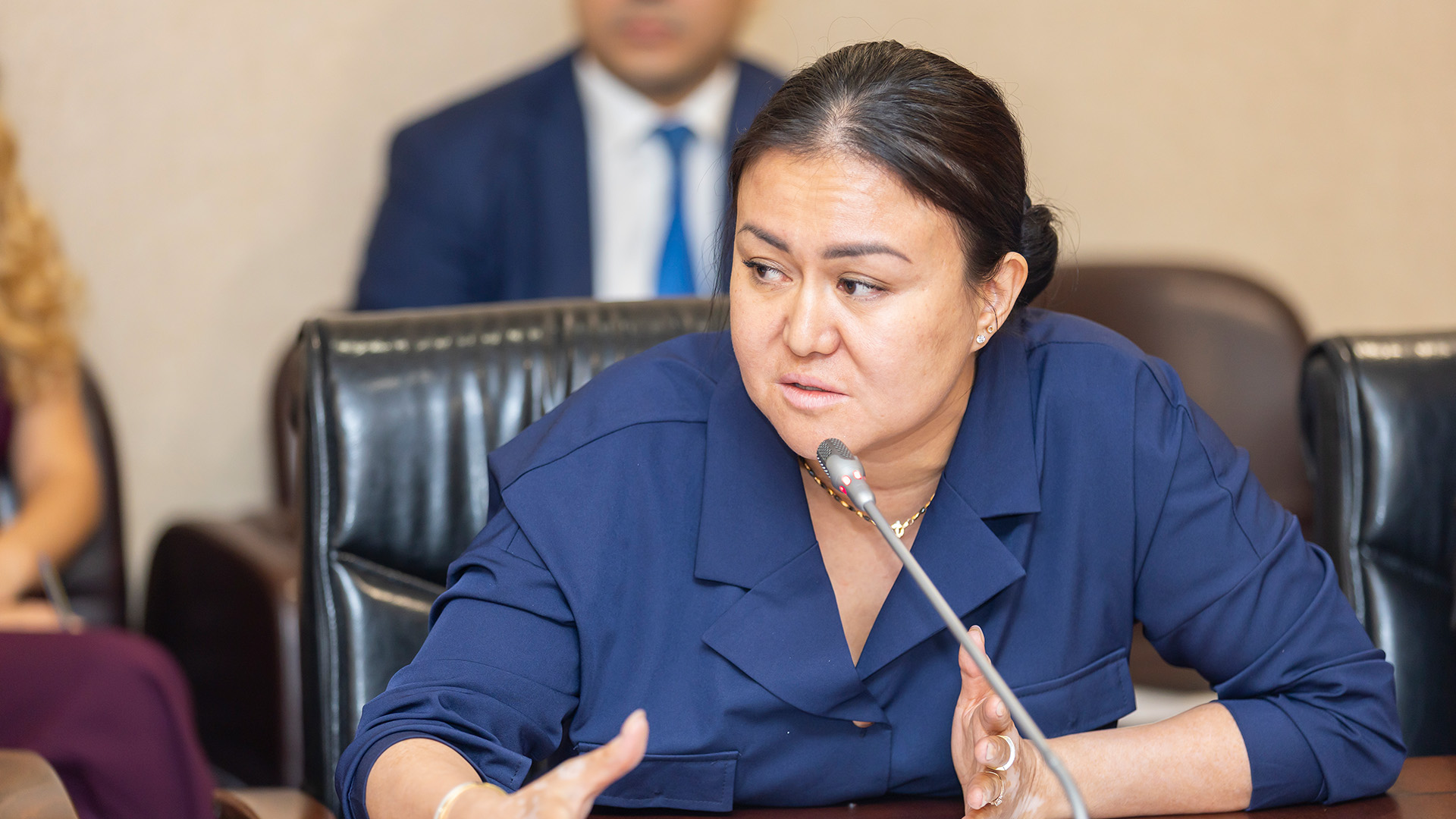 Tax consultant Aizhan Balakeshova noted that currently this reporting is submitted not only by large companies but also by small businesses with a small number of employees. According to her, this increases the administrative burden, requires more detailed accounting, additional costs for accounting support, and increases the risks of errors and fines.
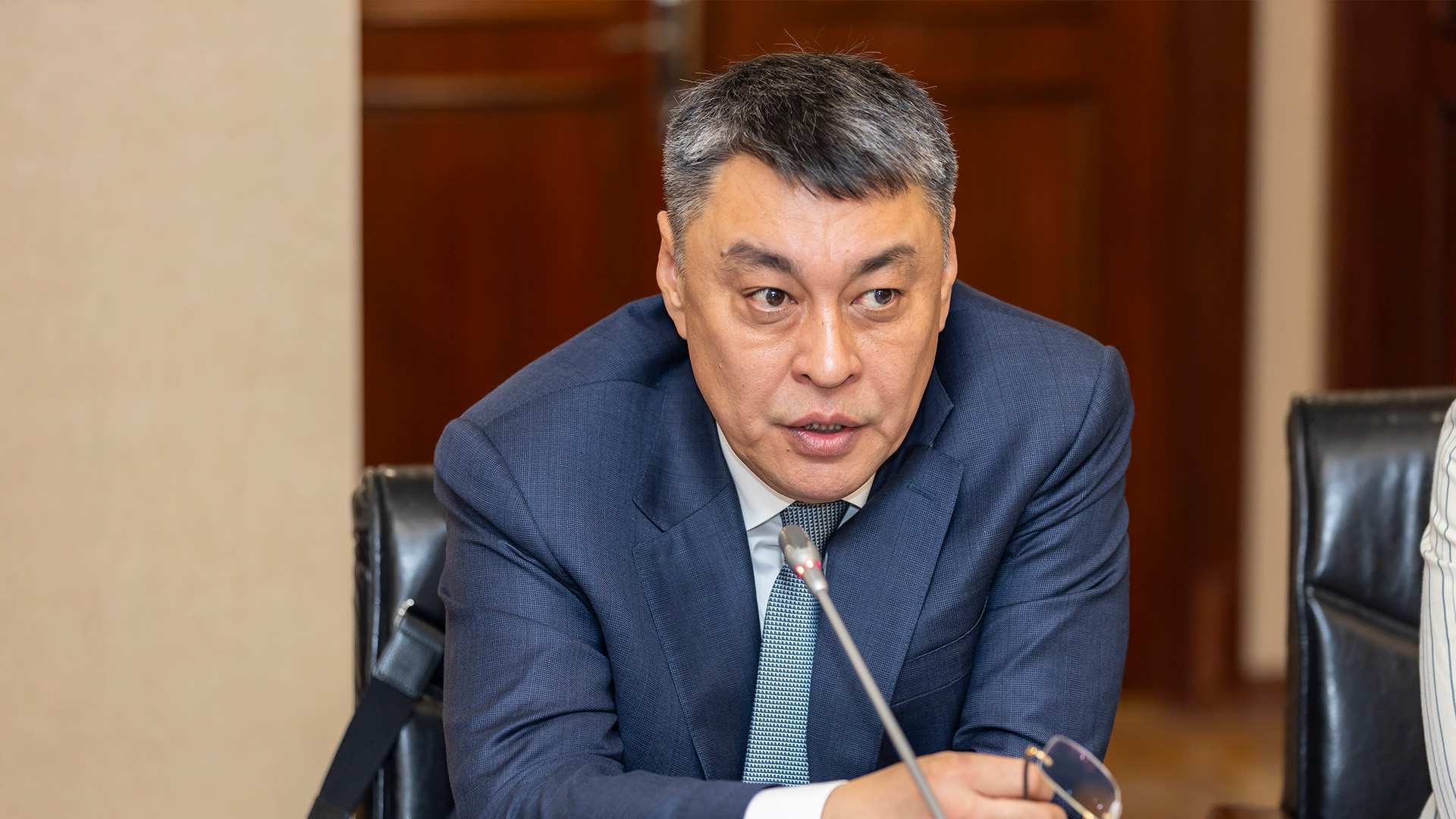 Deputy Chairman of the State Revenue Committee Zhanybek Nurzhanov explained that Form 200 is intended only for companies with employees and is primarily necessary for the timely recording of social payments and the protection of workers’ rights.
He also noted that the current special tax regime differs significantly from the previous one: the threshold for applying the simplified regime is now 2.6 billion tenge, and companies can use deductions for labor costs upon reaching a turnover of 103.8 million tenge per year and operate without VAT registration.
According to the State Revenue Committee, out of 1.2 million taxpayers who submitted a simplified declaration in February this year, about 800,000 had arrears in social payments. The department believes that quarterly reporting allows the burden on business to be distributed evenly and reduces the risk of debt accumulation.
The position of the State Revenue Committee was supported by representatives of the Ministry of Labor and Social Protection of the Population, who noted that Form 200 is necessary for the transparency of accounting for employees’ income and control over social obligations.
Following the meeting, Serik Zhumangarin instructed to conduct an additional analysis of the need to retain Form 200 for small and medium-sized businesses.




Stay updated about the events of the Prime minister and the Government of Kazakhstan - subscribe to the official Telegram channel
Subscribe