08 September 2026, 12:50
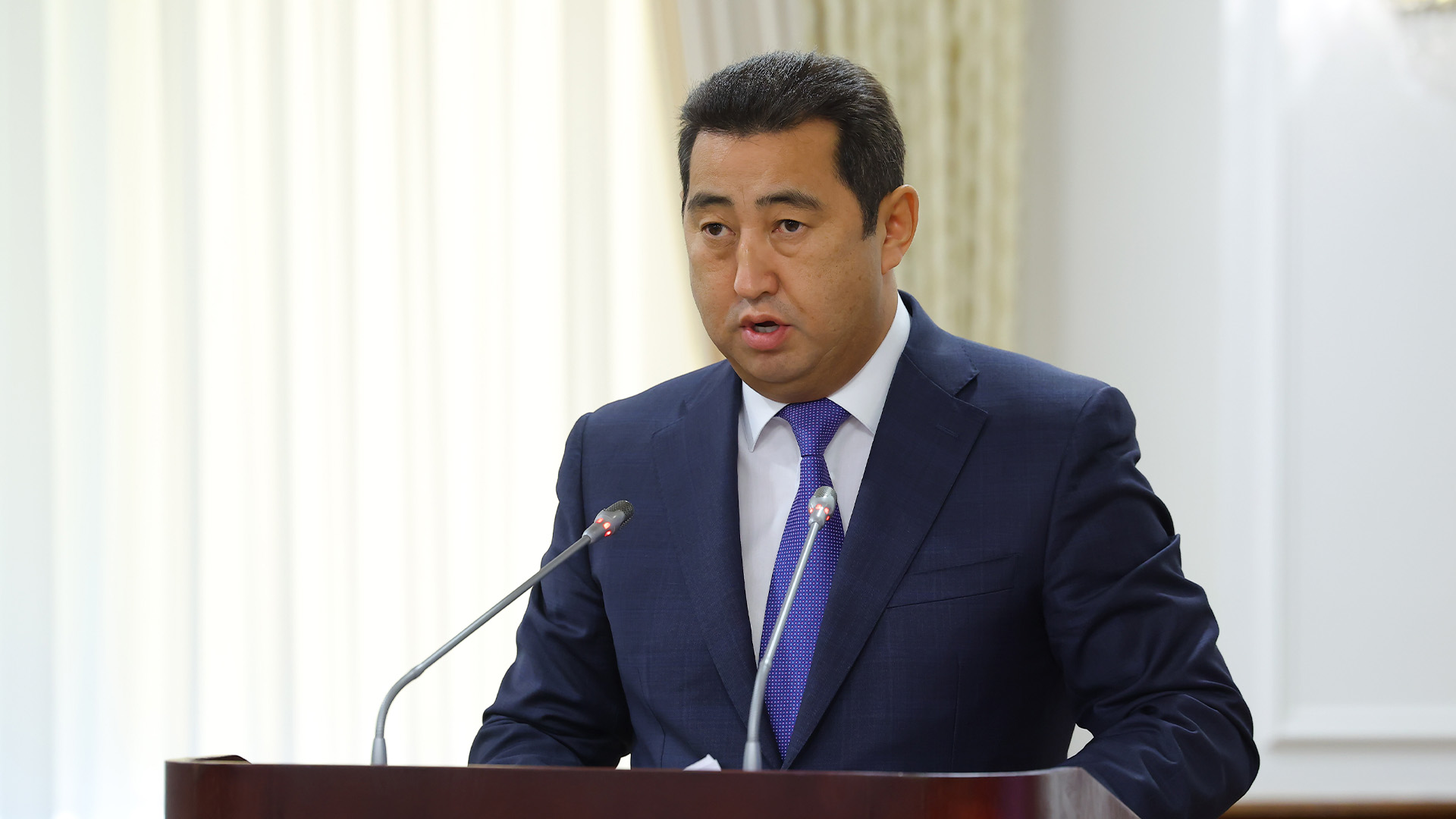 Around 1.1 million people currently work in Kazakhstan's agro-industrial complex (AIC), of whom 595,000, or 55%, are blue-collar specialists. Taking into account the development of the sector, the AIC will require approximately 73,000 qualified blue-collar workers by 2035. Minister of Agriculture Aidarbek Saparov announced this at the Government session.
It was noted that around 300,000 agricultural producers currently operate in the country, providing employment for the population. Every year, about 4,800 students enroll in agricultural colleges, 3,800 of whom study under the state educational order.
Workforce training for the agro-industrial complex is conducted across 17 specialities and 61 qualifications. Educational programs cover crop production, livestock farming, veterinary medicine, fisheries, agricultural processing, mechanization, and other areas.
Special attention is paid to the development of dual education. Cooperation between colleges and agricultural enterprises is expanding, and employers are actively participating in organizing practical training and preparing future specialists.
In all regions of the country, agreements are being signed with agricultural producers to organize practical training and subsequent graduate employment. This approach enables students to acquire practical skills directly in production and increases their demand in the labor market.
According to the ministry, 19 occupational standards were developed and updated in 2025 to improve the quality of workforce training. In 2026, 13 occupational standards will be updated and approved, 5 of which have already been approved. This will make it possible to train specialists in modern professions related to the application of high technologies.
An important direction is early vocational guidance—the creation of agro-classes, which will build a continuous "school – college/university – enterprise" chain and prepare specialists based on the needs of a specific region's agricultural sector. A similar approach is implemented in many countries worldwide, including Russia, the United States, Germany, and others.
It was noted that, in accordance with the Comprehensive Plan for the Development of Livestock Farming, a pilot project is scheduled for implementation in cooperation with universities, employers, and colleges in Akmola, North Kazakhstan, and Kostanay regions. In turn, the Ministry organized a delegation visit to the Omsk region of the Russian Federation to study the experience of creating agro-classes. Following the trip, a list of schools and strategic partners ready to participate in the pilot project was formed.
The Ministry is also continuously working to create new jobs through investment projects in the AIC. Overall, this year, it is planned to create over 6,600 jobs through the implementation of 160 projects totaling 1.2 trillion tenge.
#Agriculture #Employment #Government session #Ministry of Agriculture"Overall, the ministry, together with interested state bodies and organizations, is carrying out systematic work to train qualified personnel capable of working effectively in modern agricultural production. Precisely this workforce approach will ensure the technological renewal of agriculture, boost labor productivity, and make the agro-industrial complex attractive to a new generation of specialists," Aidarbek Saparov concluded.



Stay updated about the events of the Prime minister and the Government of Kazakhstan - subscribe to the official Telegram channel
Subscribe