17 April 2026, 09:10
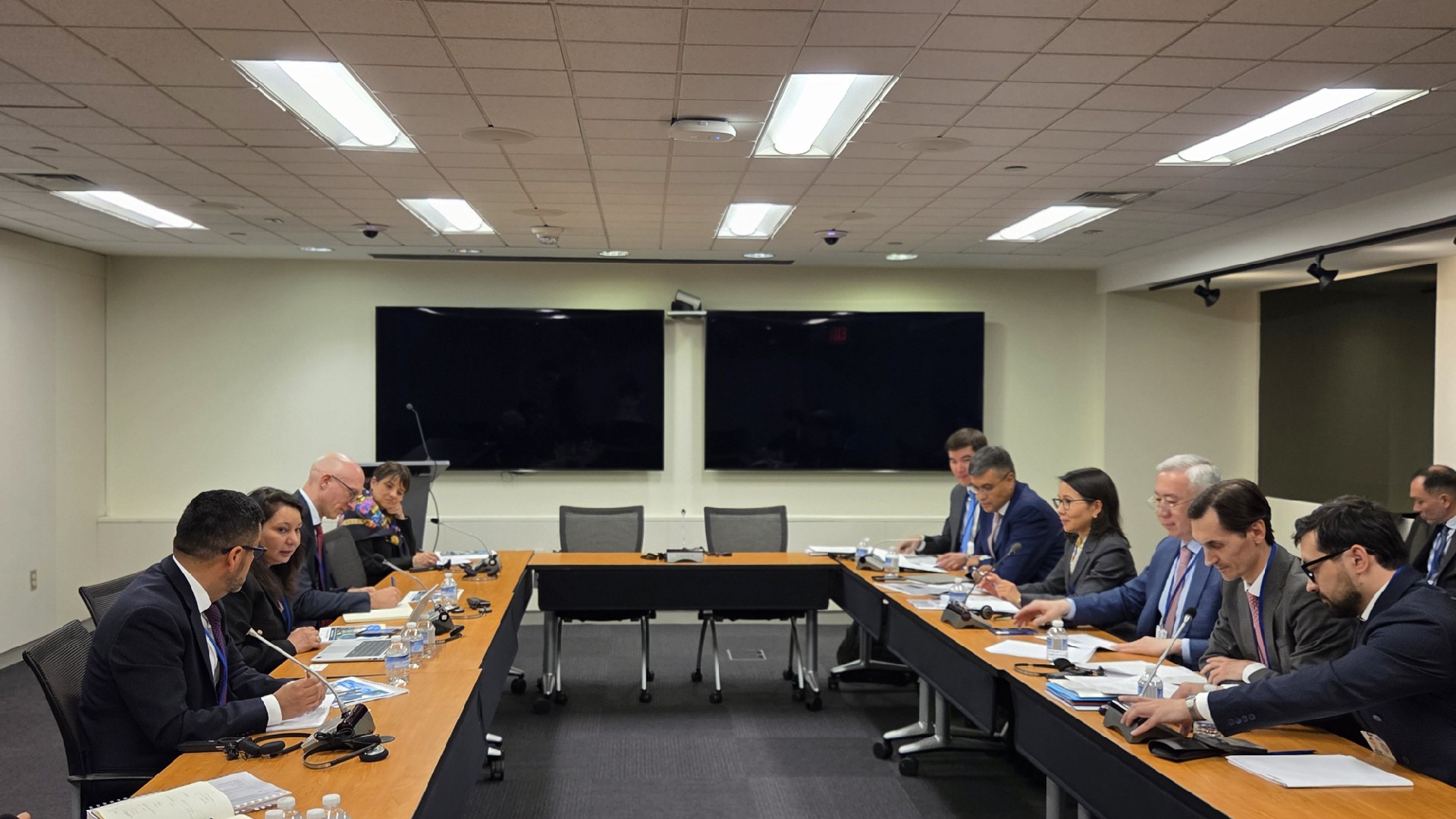
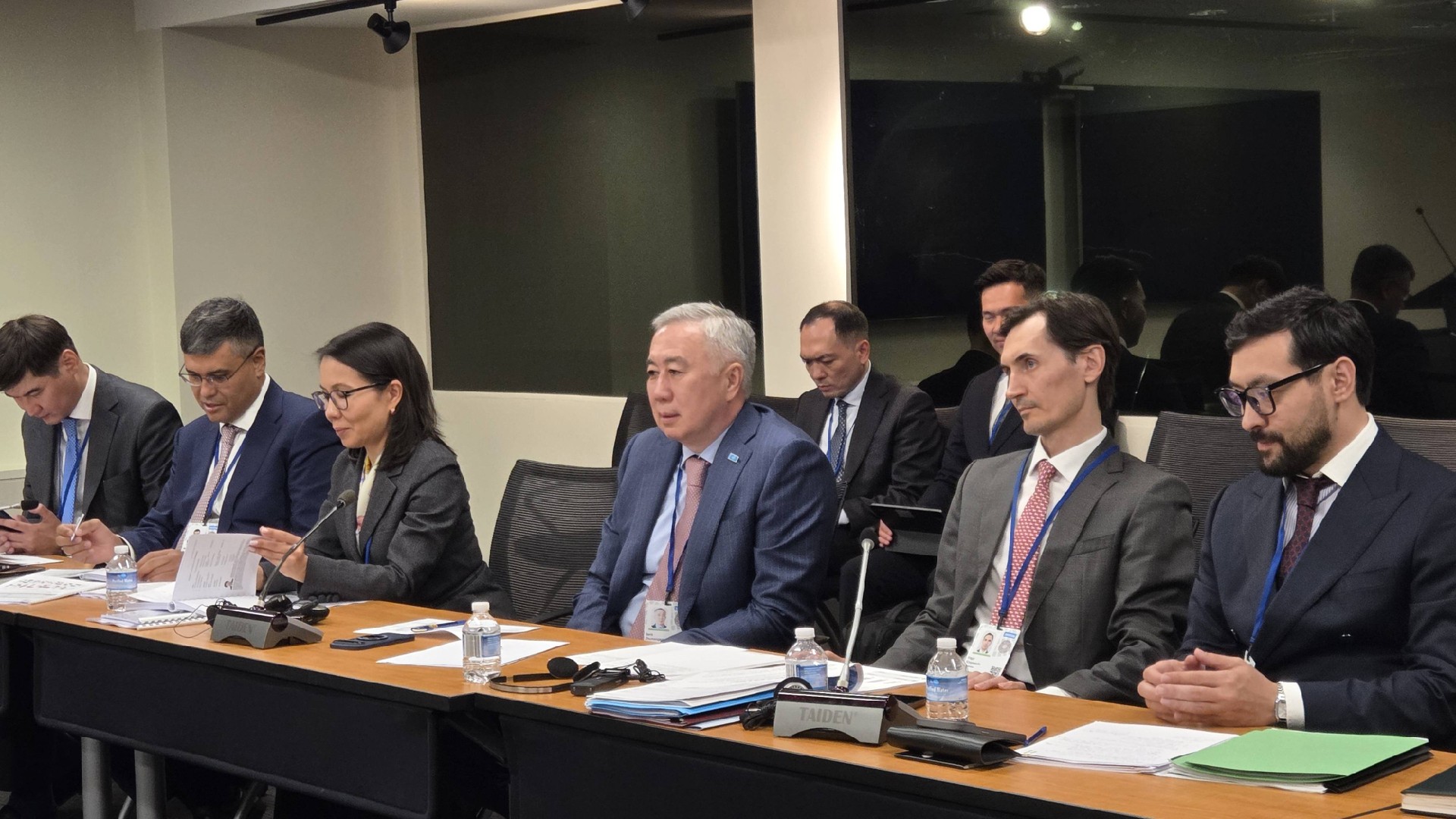
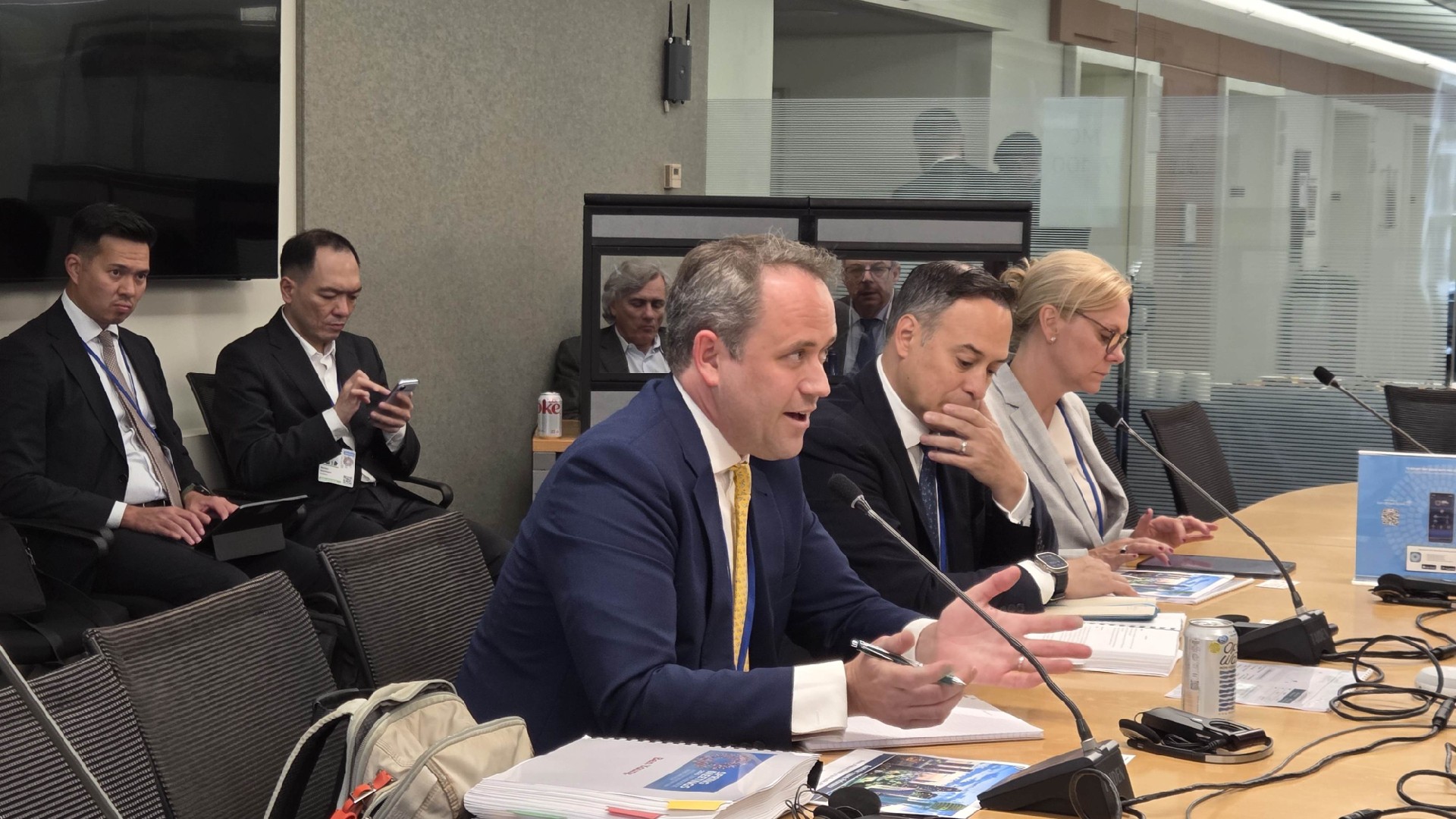
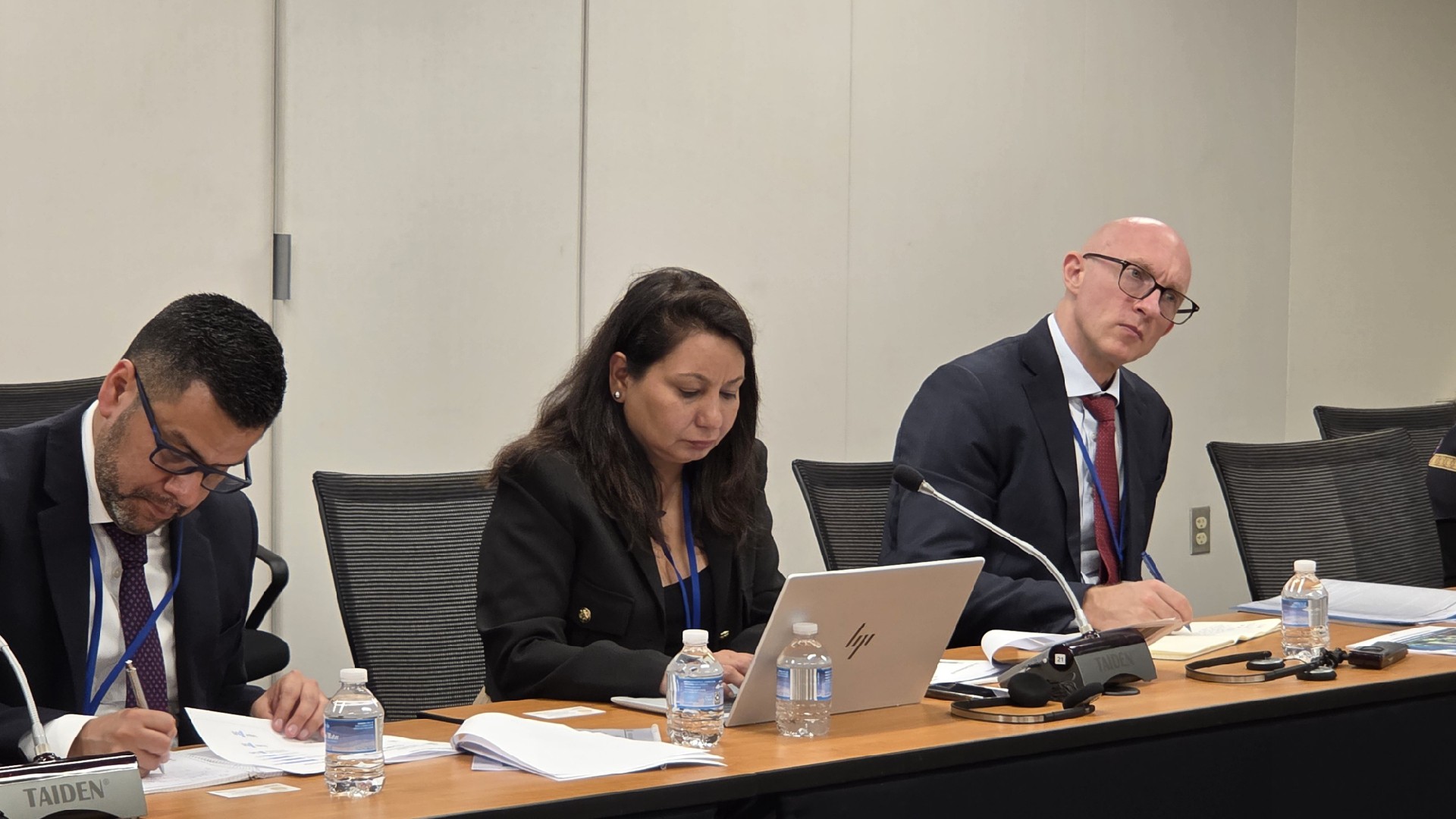
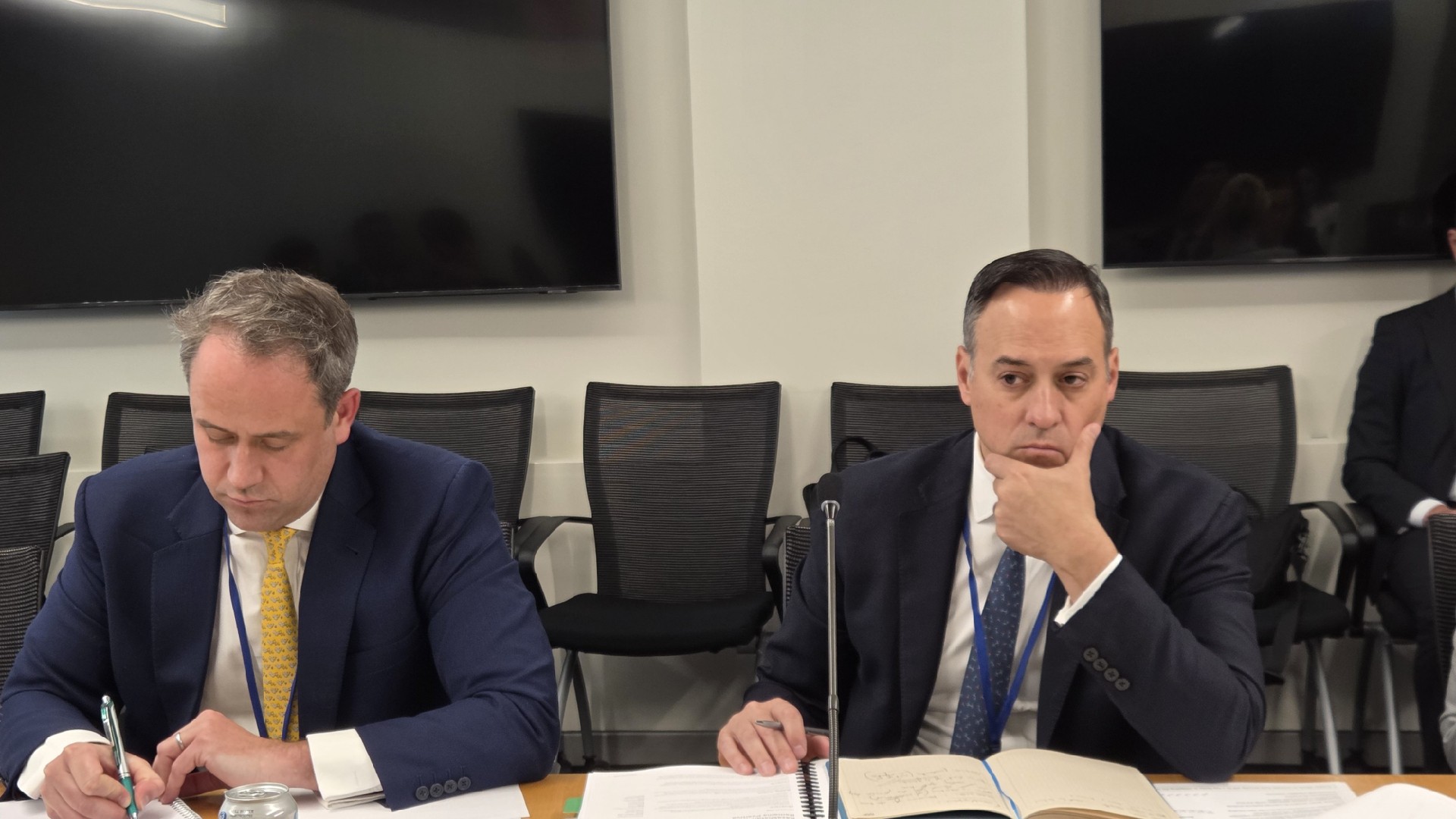
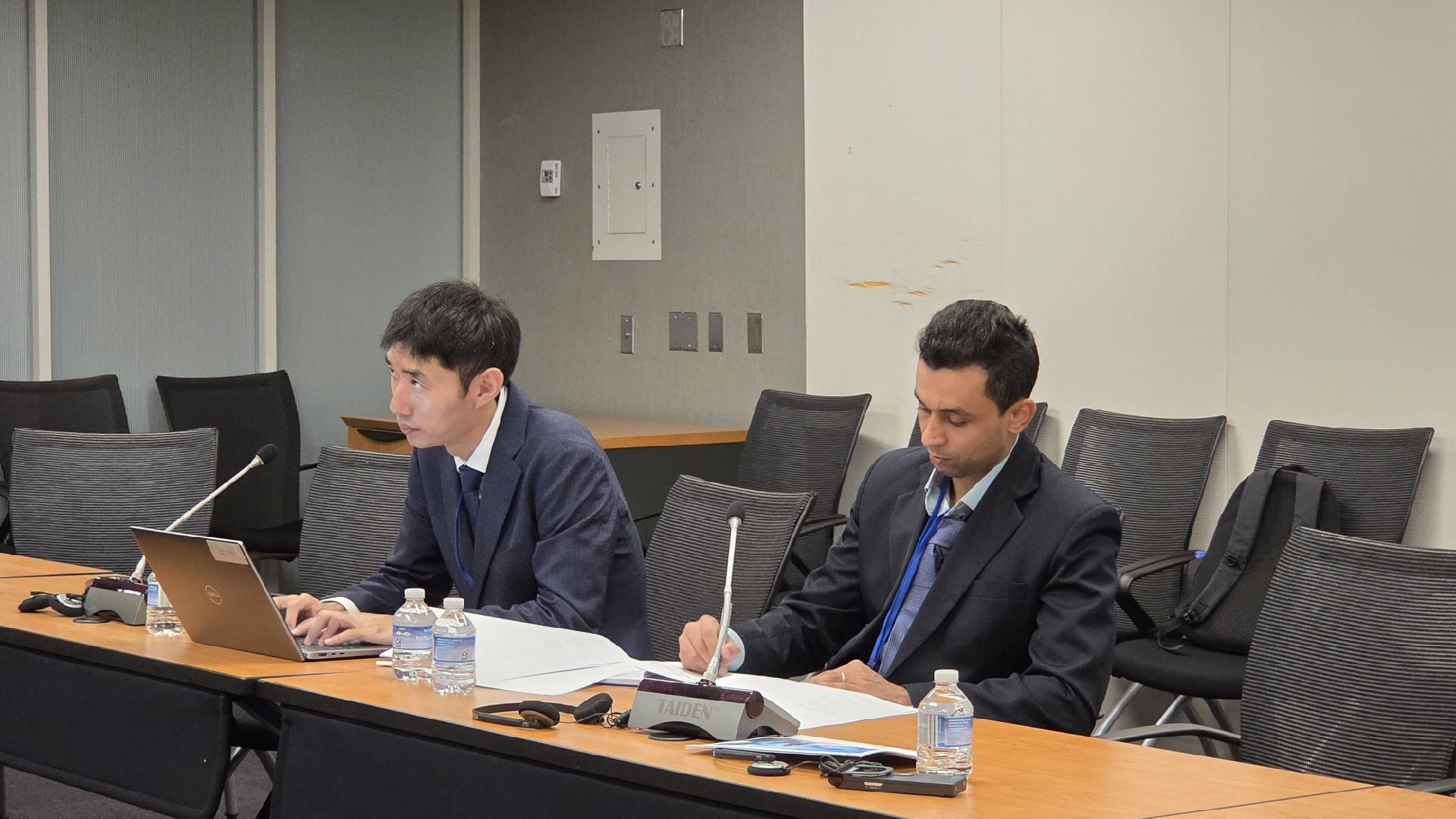
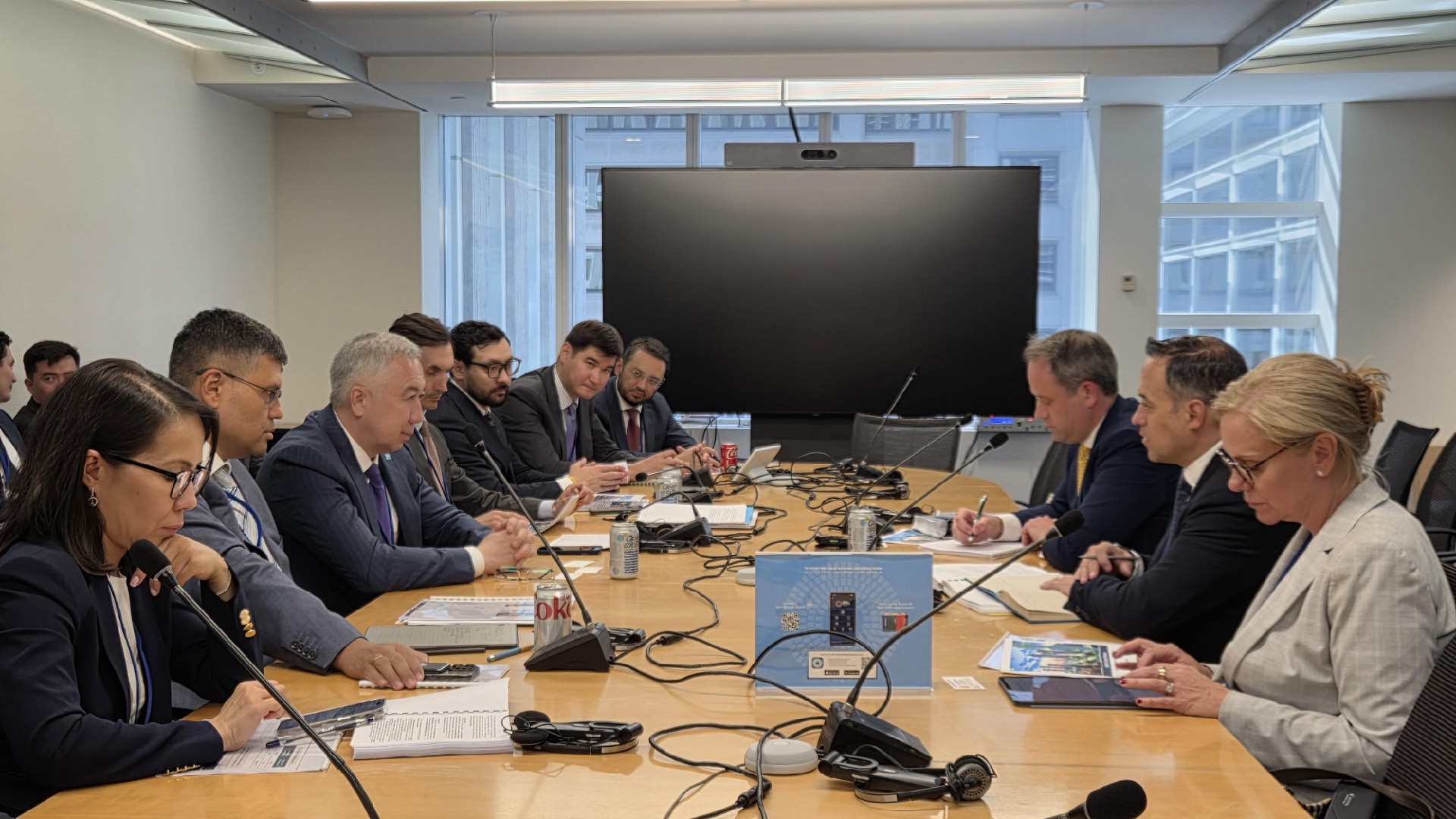 Constitutional reforms in Kazakhstan were one of the central topics during meetings held by Deputy Prime Minister – Minister of National Economy Serik Zhumangarin with representatives of the Big Three rating agencies — S&P, Moody’s, and Fitch — in Washington.
The annual consultations with international rating agencies traditionally focus on assessing the current macroeconomic situation and discussing factors affecting the country’s credit rating. During the spring session, particular attention was paid to constitutional reforms, inflation, dynamics of household incomes, and sources of economic growth amid external instability.
Serik Zhumangarin noted that sustainable development of a modern economy requires not only resources, but above all effective institutions, predictability, and trust. These principles are enshrined in the country’s new Constitution. Among the priorities are the development of education, science, innovation, and human capital as a strategic direction of state policy. In essence, the new Fundamental Law lays the foundation for a knowledge-based economy, where competitiveness is formed through intellect, technology, and professionalism. It also guarantees equal protection of all forms of property, which is of key importance for the investment climate and business development.
Real GDP growth remains at a high level. In 2025, the economy grew by 6.5%. This year, growth is expected at 5–5.5%. In the first quarter, GDP grew by 3%, excluding temporary factors related to oil production.
Structural transformation of the economy continues. The share of the oil sector in GDP has decreased from 16.5% in 2010 to 8.1% in 2024. At the same time, the manufacturing industry has been growing for the second consecutive year and reached 12.7% of GDP, surpassing the share of the extractive sector.
The priorities of Kazakhstan’s new economic policy focus on diversification and digitalization. The goal is to ensure not only the pace of growth, but also its sustainability, accompanied by an increase in real household incomes and employment. In this regard, emphasis is placed on active investment attraction. Key sectors have been identified: oil and gas, chemicals, agro-industrial complex, pharmaceuticals, artificial intelligence, and metallurgy.
To balance the goals of economic growth and inflation control, coordination between the Government, the National Bank, and the Agency for Regulation and Development of the Financial Market has been strengthened. In November 2025, a joint action program for 2026–2028 was approved. It provides for annual GDP growth of no less than 5% and real income growth of 2–3% above inflation.
Special attention is paid to budget consolidation. As Serik Zhumangarin noted, in recent years large transfers from the National Fund, exceeding 5 trillion tenge annually, have significantly contributed to inflation. In 2026, for the first time in recent years, the Government refused a targeted transfer (in 2025 it amounted to 3.25 trillion tenge). At the same time, optimization of budget expenditures is being carried out.
One of the constraints remains the insufficient development of consumer goods production. As stimulating measures, programs in the agro-industrial complex and processing sector are being implemented — over 200 projects, including dairy and meat livestock breeding, poultry farming, and fisheries. The non-oil sector is also being actively developed to reduce import dependence.
Inflation continues to slow: from 12.3% at the end of 2025 to 11% in the first quarter. By the end of the year, it is forecast to fall below 10% while the economy grows by 5–5.5%.
Representatives of the rating agencies noted that achieving a balance between inflation and growth amid active economic expansion is a complex task. At the same time, real incomes remain the key indicator for the population.
Given the significant role of agriculture in Kazakhstan’s economy, the issue of providing the sector with mineral fertilizers and dependence on their imports was discussed separately. The Deputy Prime Minister noted that 27 producers operate in Kazakhstan, including large enterprises — JSC “KazAzot” and LLP “Kazphosphate”. Domestic production covers about 56% of the demand for mineral fertilizers. The main imports come from Russia, with which Kazakhstan is part of the Eurasian Economic Union.
“We have significantly increased fertilizer application volumes: three years ago we used only 600 thousand tons, which was clearly insufficient for intensive agricultural development, while last year the figure reached 1.8 million tons. The target for this year is 2.3 million tons,” the Deputy Prime Minister noted.



Stay updated about the events of the Prime minister and the Government of Kazakhstan - subscribe to the official Telegram channel
Subscribe