25 June 2025, 14:41
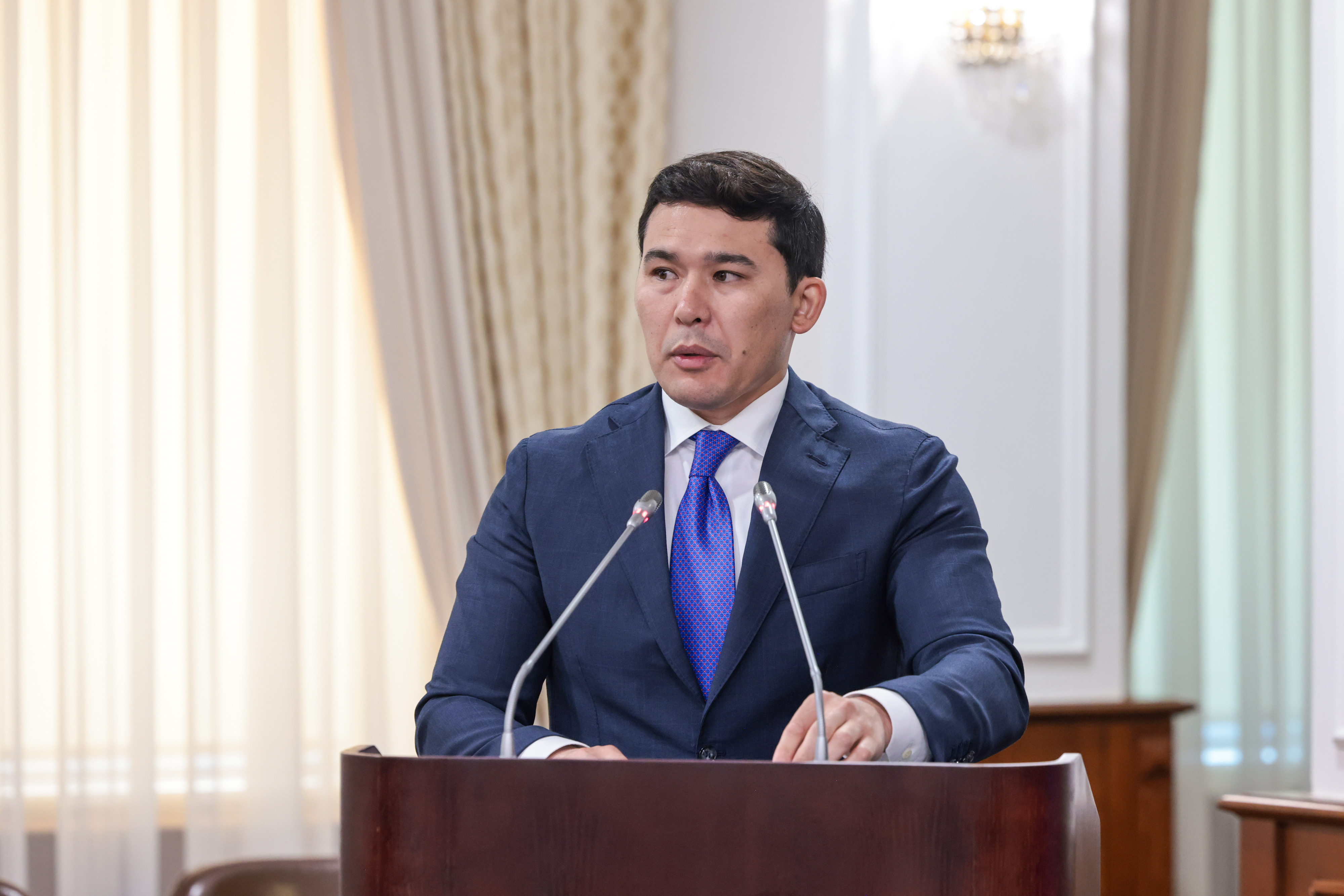 At a Government session, Minister of Tourism and Sports Yerbol Myrzabossynov reported that, within the framework of the national environmental campaign “Taza Kazakhstan”, the ministry is implementing consistent measures to promote ecotourism and foster a culture of healthy living.
At the heart of this initiative, he noted, lies the philosophy “Taza tän, taza jan, taza oi” – “Clean body, clean soul, clean mind”, aimed at fostering personal harmony and a responsible attitude toward the environment.
The minister emphasized that developing ecotourism is one of the ministry’s top priorities. This form of tourism, he stated, helps instill environmental awareness and care for nature. To implement systemic measures in this area, the National Standard, originally adopted in 2017, was updated. The new version incorporates international best practices, recommendations from the Global Sustainable Tourism Council, and current sustainable development requirements.
The updated standard defines the concept and principles of “ecological tourism” and sets clear criteria for service quality, environmental standards for products and transport, and the preservation of biodiversity and cultural heritage. It also revises requirements for tourism organizations, establishing unified rules to balance nature conservation with infrastructure development.
Myrzabossynov added that rural tourism is also being actively promoted. This segment, he noted, supports traditional lifestyles and sustainable regional development. In this context, the “Best Tourism Village – 2025” competition was organized to identify promising settlements and engage local communities in tourism development.
To legally regulate agritourism, a draft law is being developed to formally allow the combination of agricultural and tourism activities. In collaboration with the Ministry of Agriculture, new Rules on Agritourism are being created to support small and family businesses. A methodological guide has also been prepared, incorporating elements of ethnographic tourism, tailored for farmers and guesthouse owners.
According to the ministry, over 900 rural residents have completed specialized training programs teaching them how to open guesthouses and organize tourism services in line with local traditions. Additionally, 10 regional coordinators received training in the Community-Based Tourism model. One example cited was a guidebook created for agritourism routes in the Akmola Region.
As part of the “Alatau Amanaty” project, 1,200 km of tourism trails will be developed in Almaty and the Almaty Region, connecting villages with natural attractions to stimulate eco- and ethnotourism.
All these efforts, the minister noted, aim to stimulate rural tourism, create new jobs, and diversify income sources in the regions.
Myrzabossynov also highlighted positive trends in ecotourism in Kazakhstan, driven by the country’s natural diversity, state support, and growing public interest. In 2024, national parks welcomed over 2.8 million visitors, an 18% increase from the previous year. The most visited parks included Ile-Alatau, Charyn, Altyn-Emel, and Kolsai Lakes.
Over the past five years, eight ecotourism projects have been implemented in national parks with 2.1 billion tenge in private investment, including the construction of several visitor centers—most recently in Mangystau Region. Facilities in Sairam-Ugam National Park and Butakovka Gorge are scheduled for completion by the end of 2025.
Today, 137 tourist routes and 54 trails are available across 14 national parks, with infrastructure improvements continuing. Proposed future measures include the creation of new routes with digital platforms, improving transport access, and attracting strategic investors.
As part of efforts to promote healthy lifestyles, the Ministry is implementing a series of programs to engage the public in regular physical activity. As of the end of 2024, 41.4% of Kazakhstanis (over 8.4 million people) regularly engage in sports. The target is to reach 50% by 2029.
Each year, over 25,000 mass sports events are held nationwide, with growing popularity for marathons, cycling races, family festivals, and mass skating. For example, in the first quarter of 2025, Astana hosted more than 240 events with over 29,000 participants.
Astana now has 77.5 km of bike paths, around 25 km of running tracks, and 2,833 sports clubs serving over 270,000 residents. Social programs such as free outdoor workouts (Aula Fit), the Funny Sport family project, and children’s tournaments are also actively implemented.
The minister also mentioned themed challenges promoting wellness, such as “My Favorite Sport”, the “From Altai to Ural” bike tour, and the “One Day Without a Car” campaign.
In conclusion, Minister Myrzabossynov stressed that developing ecotourism, supporting rural areas, and promoting a healthy lifestyle are not only sectoral tasks but also national policy priorities. He reaffirmed the Ministry’s readiness to mobilize all available resources while maintaining close cooperation with regional authorities, civil society, and state institutions.
#Government session #President's instruction #Tourism



Stay updated about the events of the Prime minister and the Government of Kazakhstan - subscribe to the official Telegram channel
Subscribe