21 April 2026, 10:10
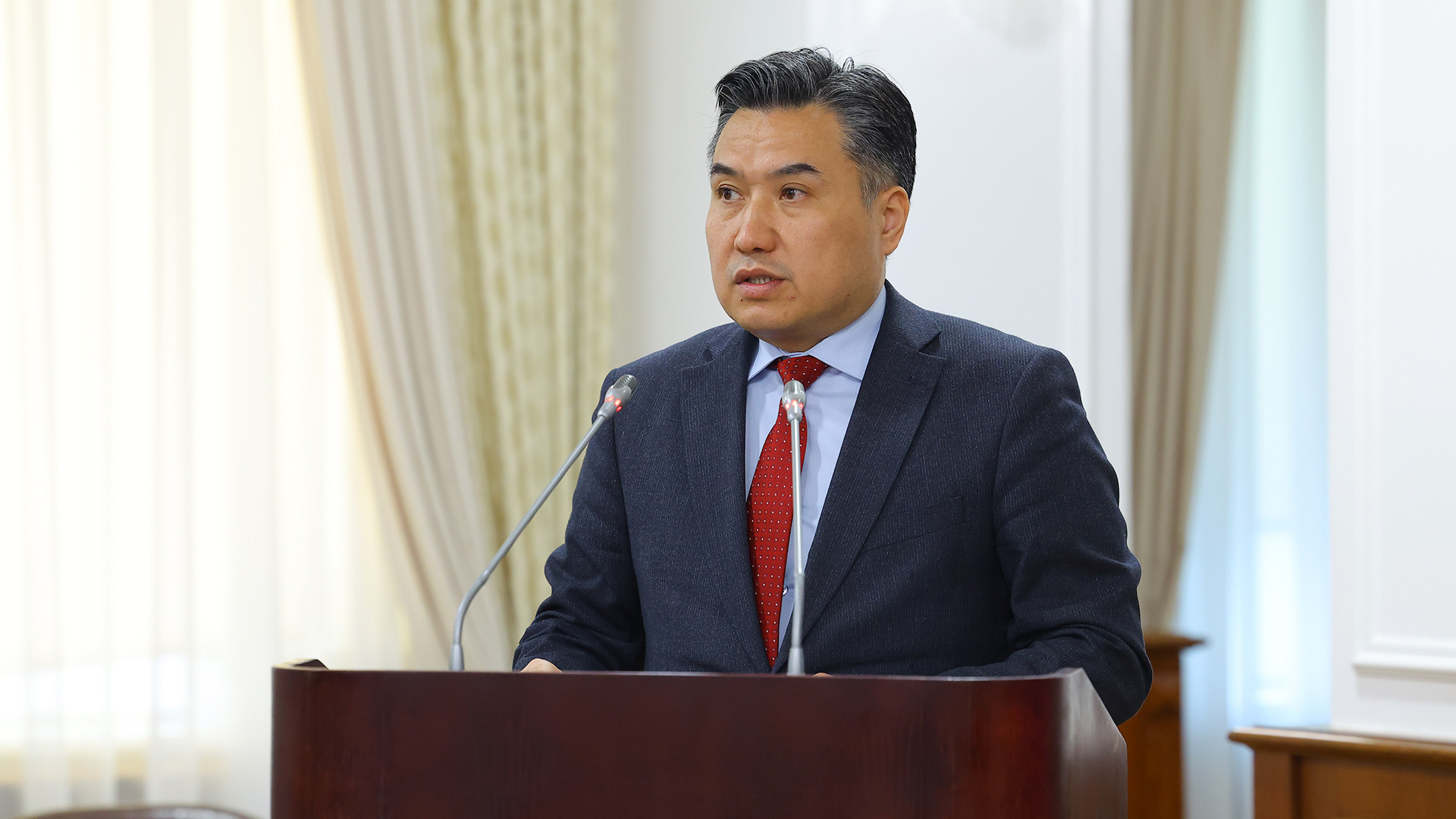 Issues of implementing inclusive policy and modernizing the social protection system were discussed at the Government session chaired by Prime Minister Olzhas Bektenov. Minister of Labor and Social Protection of the Population Askarbek Yertayev delivered the main report.
Currently, approximately 752,000 persons with special needs live in the country, accounting for 3.7% of the total population. In this category, 56% are of working age, 29% are of retirement age, and 15% are children.
Total expenditures from the state budget and the State Social Insurance Fund for the current year are planned at 1.1 trillion tenge. The Minister emphasized that Kazakhstan’s inclusive policy until 2030 is focused on transitioning to a social and rights-based model that eliminates barriers.
Interaction with service providers has been fully transferred to a digital format. The following have been registered on the Social Services Portal:
In 2025, 413,100 technical rehabilitation aids were provided through the Portal, 28,400 individual assistant services, 120,400 sanatorium-resort treatment services, and 8,800 sign language services. In addition, in the first quarter of 2026, a new Methodology for determining compensation amounts for technical rehabilitation aids based on electronic store data was introduced.
About 43,000 facilities have been registered on the interactive accessibility map. Currently, 28,500 facilities (67%) are fully adapted. In 2024, this figure was 53%, and in 2025 — 64%.
“The task for 2026 is to increase the level of accessibility to 80%, ensuring the adaptation of 34,000 administrative and social facilities. The leaders are Zhetisu, West Kazakhstan, and Almaty regions. Lagging behind are Mangystau Region and Ulytau Region,” Askarbek Yertayev reported.
Regarding infrastructure development, there are currently 33 rehabilitation centers operating in the country. In May this year, a new center will open in Atyrau, and construction and design work is underway for another 7 facilities. Special attention is being paid to children with autism — 15 specialized centers with 1,825 places are operating for them.
Out of 413,700 working-age persons with disabilities, 110,800 were employed last year. Under the quota system, 8,100 citizens found jobs.
There are 12,000 social workers in the sector. A unified register has been created, and a qualification recognition system has been introduced, which 2,447 specialists have already completed. This year, the number of certified specialists is planned to reach 5,000.
The Minister initiated the transition from fragmented assistance to a comprehensive, technology-driven model:
The Minister noted that further transformation of the sector will be linked to the transition of state organizations to per capita financing and the implementation of mapping of centers for precise planning of social services.
#Digitalization #Employment #Government session



Stay updated about the events of the Prime minister and the Government of Kazakhstan - subscribe to the official Telegram channel
Subscribe