10 September 2026, 13:00
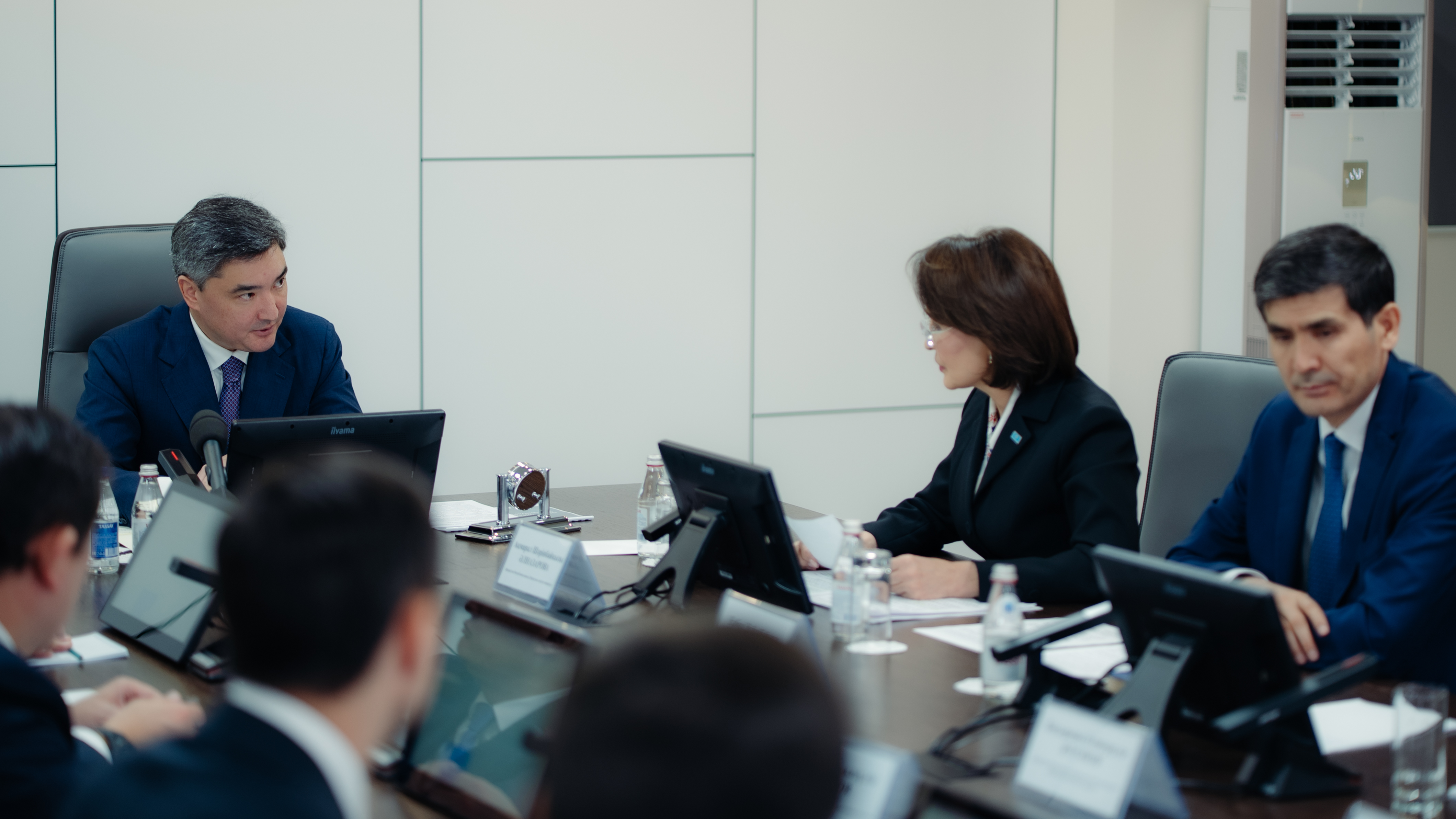
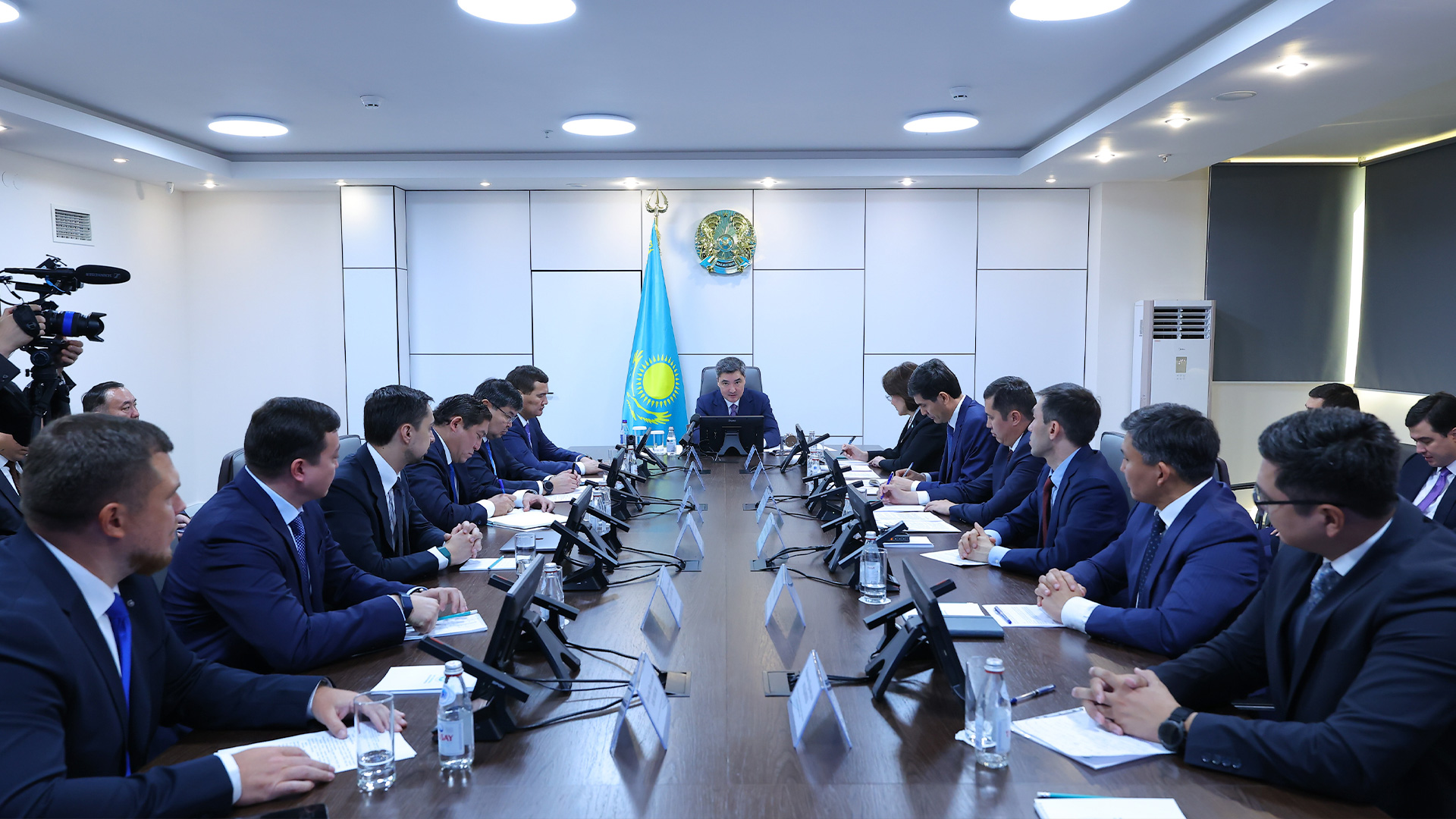 Prime Minister Olzhas Bektenov held a meeting with the leadership of the Ministries of Healthcare, Artificial Intelligence and Digital Development, as well as representatives of domestic IT companies.
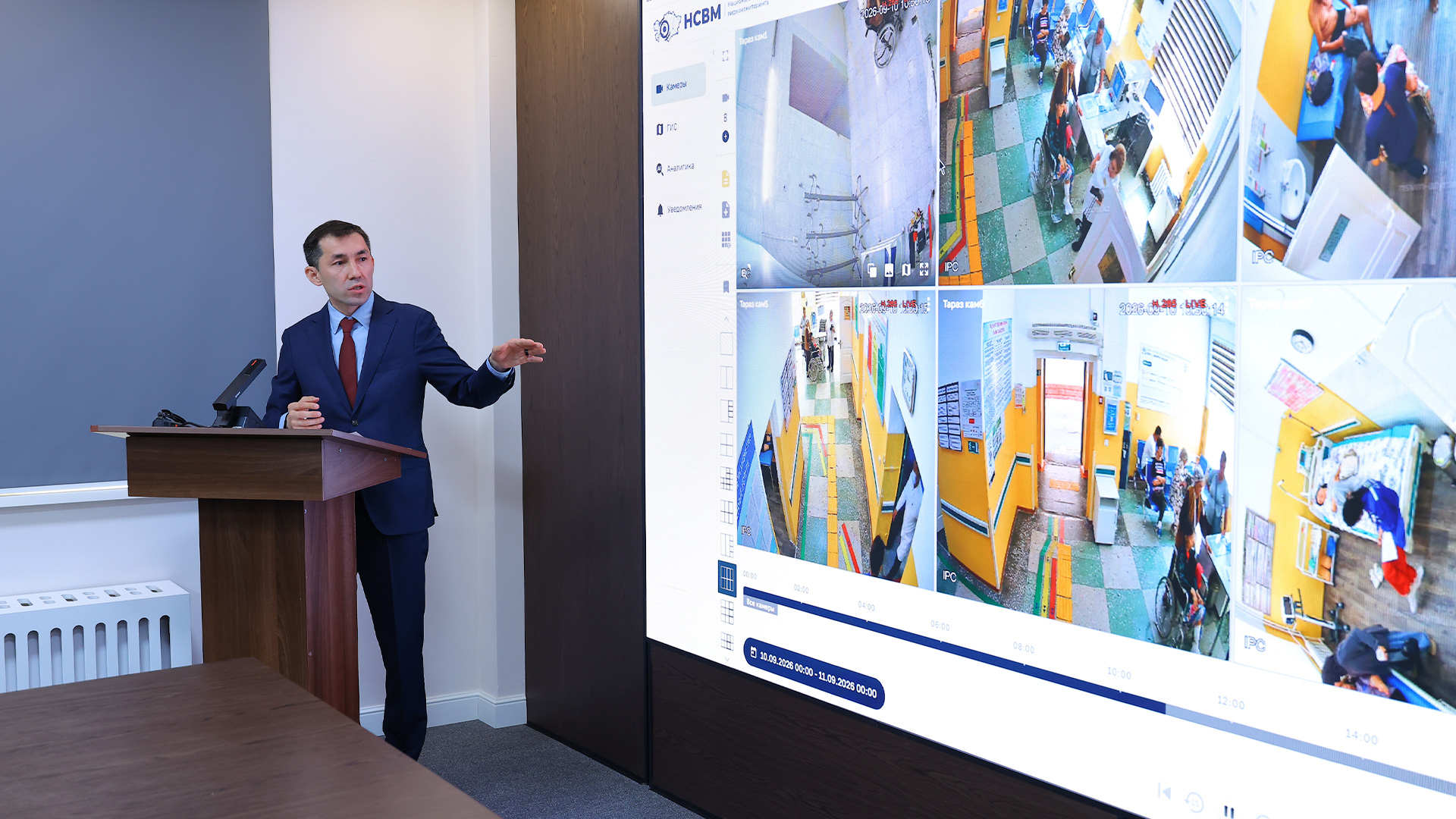
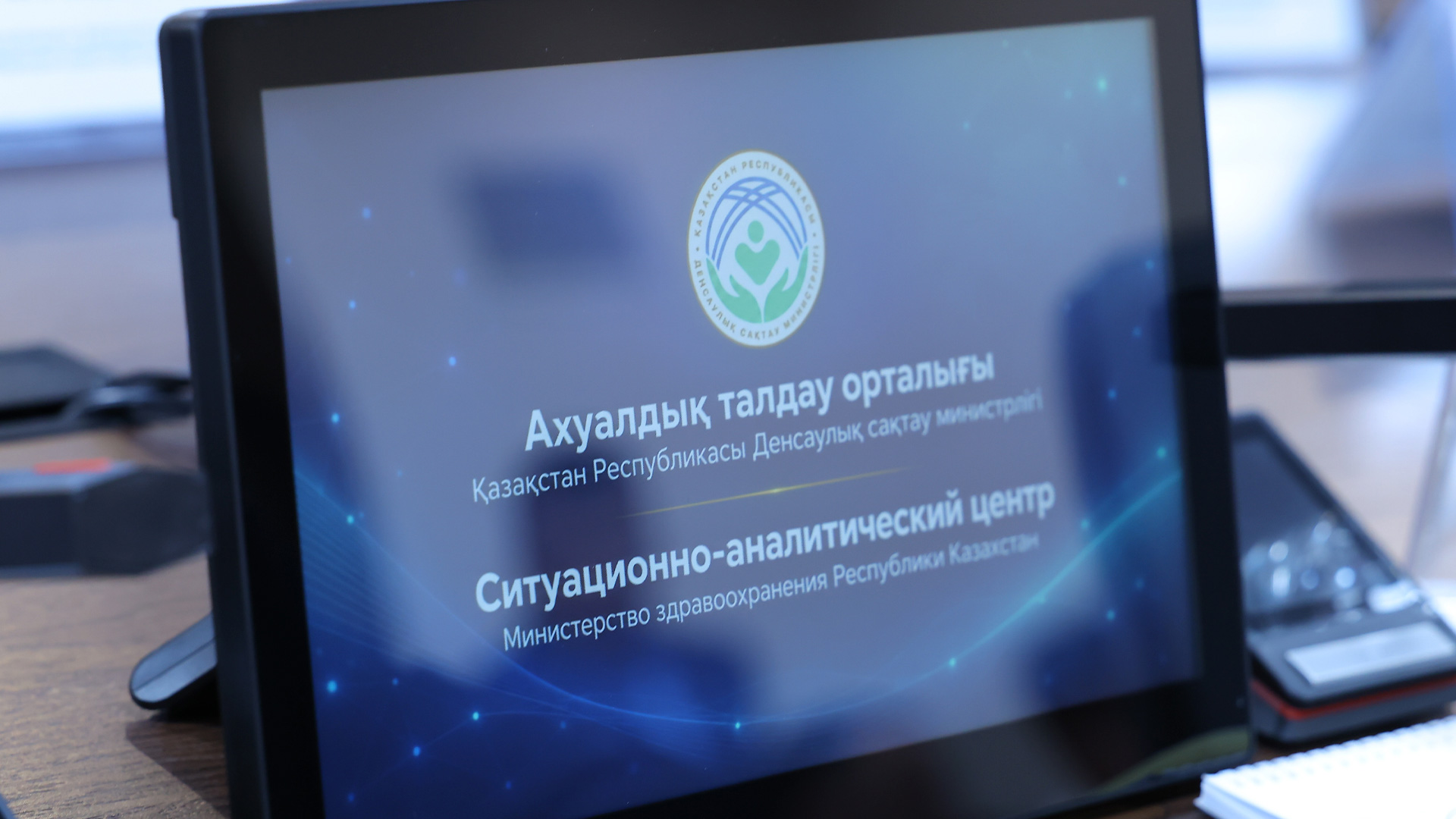
The progress in implementing the instructions of the Head of State on the digitalisation of the healthcare sector, given in the State of the Nation Address "Just Kazakhstan: Law and Order, Economic Growth, Public Optimism," was reviewed. In particular, the Head of Government learned about elements of the new system for monitoring the quality and volume of medical services using AI technologies.
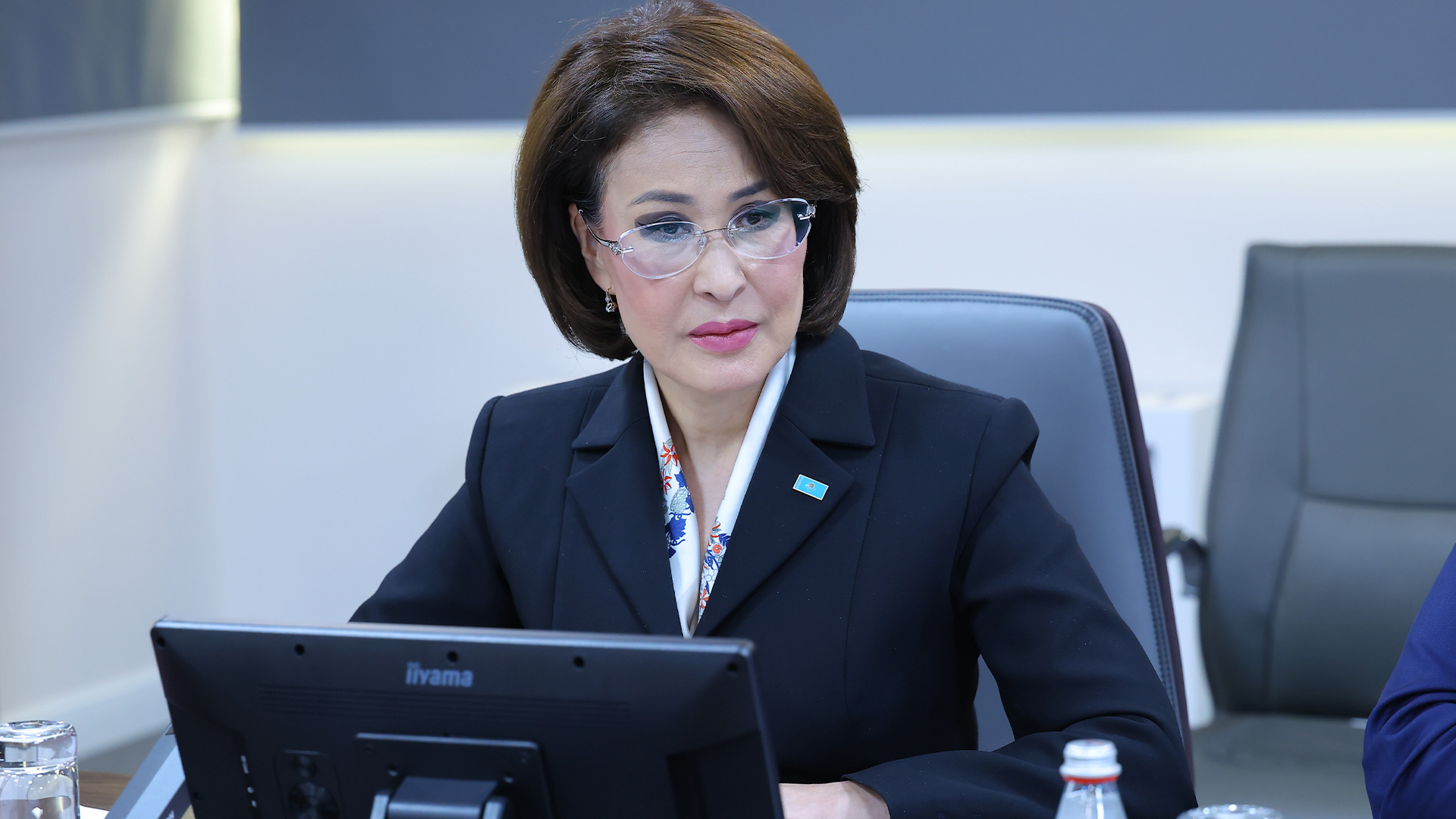
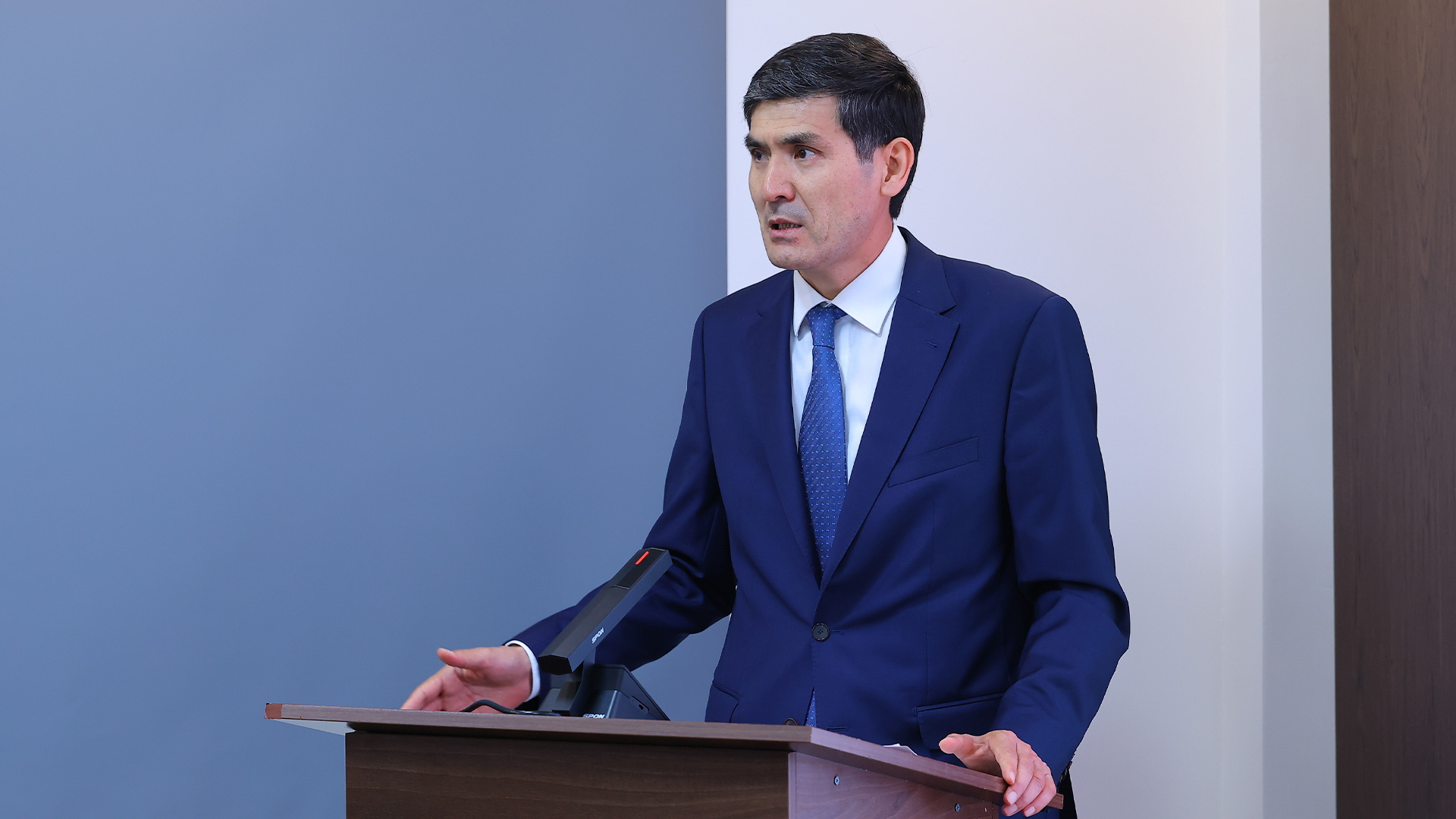
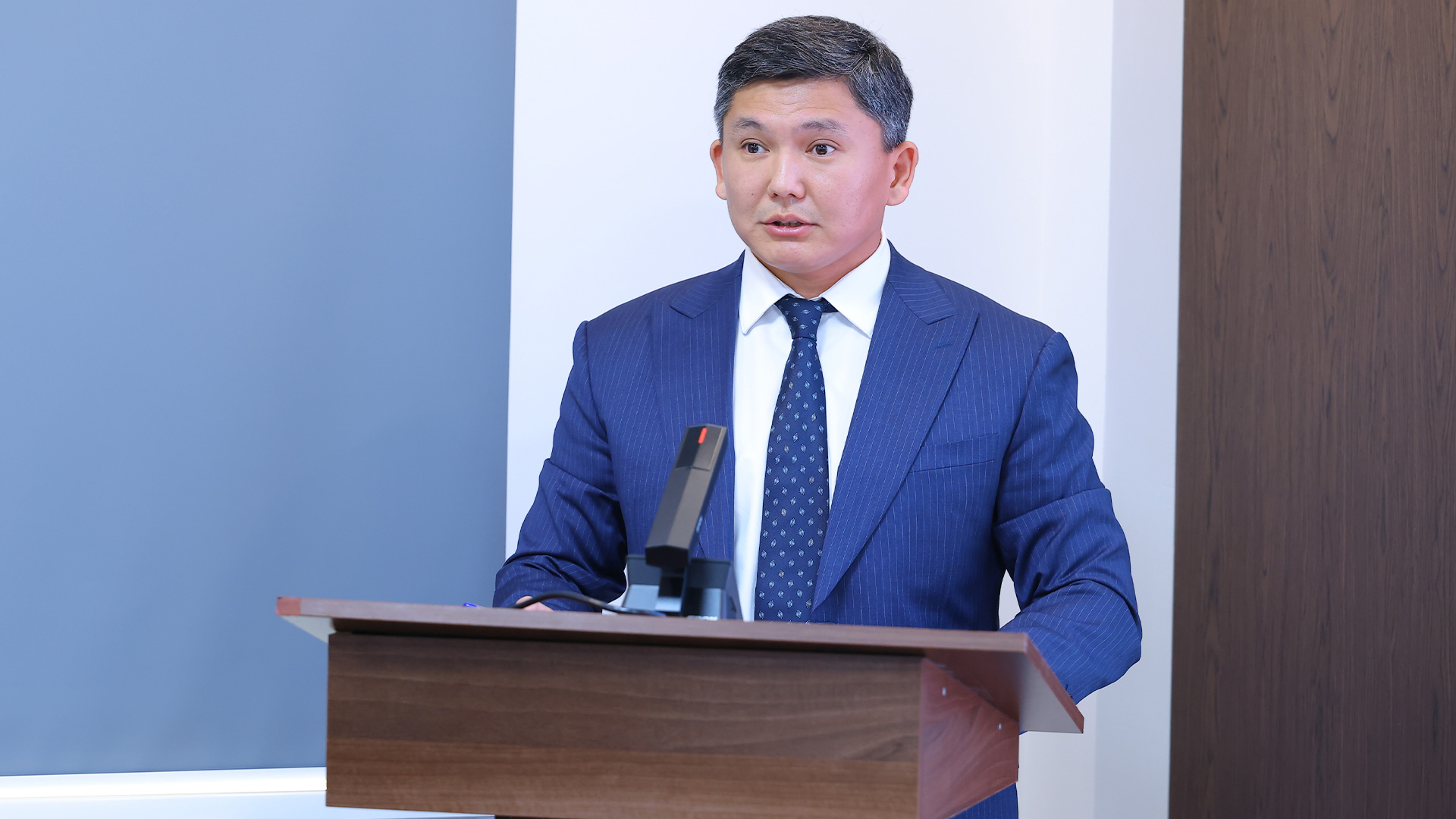
Minister of Healthcare Akmaral Alnazarova reported on the pace of work on transitioning from 23 fragmented systems to a unified e-Densaulyq ecosystem. To date, over 21,000 medical organisations, 221,000 units of medical equipment, and data on 257,000 healthcare workers have been digitalised. As a result of unifying data and strengthening control, 400,000 irrelevant patient records associated with 1.4 million prescriptions were excluded from the medical system, preventing expenses worth 31 billion tenge. Unreasonable consumption of medical services decreased by 7.1%, or around 7 billion tenge, while the efficiency of error detection increased by 3.5 times.
On the instruction of the President, a Unified State Medical Information System is being created to combine all fragmented private systems into one and become a single working tool for doctors. Already, 7 out of 12 Ministry systems have been combined: data is now entered once, and documents are generated automatically. This has reduced doctor time spent on entering information by 40%. The Unified Medical Data Repository combines information from 12 private medical information systems, registers, and reference books, and provides integration with over 50 government systems. Data accumulated since 2012 has been used since July 1 of this year to pay for medical care based on automatic format and logical control.
According to the Ministry of Healthcare, digital control revealed the absence of medical licences in 38 medical organisations. Activities have been suspended for 27 of them. In addition, 2,188 healthcare workers were temporarily suspended due to expired certificates. Overall, the integration of information systems makes it possible to filter and prevent payment for fictitious services. Specifically, medical services for deceased persons, a doctor working simultaneously in different medical facilities across various regions, padded records, and other issues.
A unified digital citizen profile has been formed, in which medical data is saved regardless of place of residence or registration. Online doctor appointment booking was used by 5.6 million people. From January 1, 2027, the launch of automatic notifications for screenings is planned. For example, as a result of integrating healthcare systems and internal affairs authorities, medical contraindications to driving vehicles are being identified. To date, around 10,000 driver's licences have been suspended.
In the sphere of drug supply, the operation of the drug marking and traceability system was reported. To date, over 1 billion packages have been marked. Monitoring covers 3,000 drug titles. Prices remain stable for 1,595 drugs (52%). A cost reduction was recorded for 800 items (26%). A total economic effect of 42.5 billion tenge was ensured. As part of scaling, the marking system was introduced for dietary supplements (DS) on September 1 of this year.
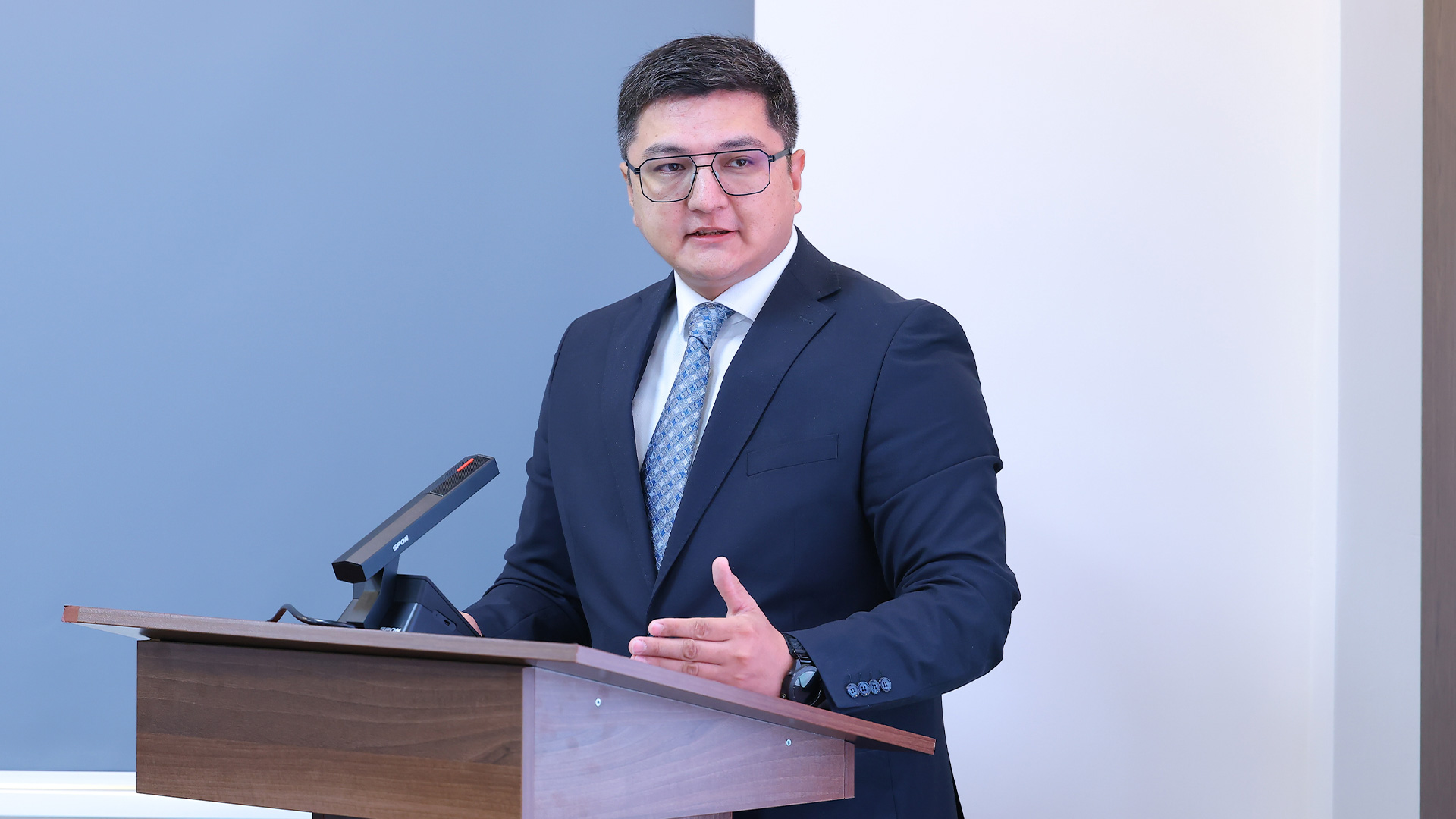
During the meeting, digital solutions and projects with AI elements were presented.
The "Cold Chain" project is designed for automated control of storage and transportation conditions of vaccines from warehouse to medical facility. Temperature sensors monitor storage conditions, while GPS tracking monitors the transport of immunobiological products. A pilot was conducted in 2025 in Karaganda Region. From October 1 of this year, a phased rollout of the project across the country will begin. The system will cover over 3.5,000 facilities and 800 units of specialized transport across all regions of the country.
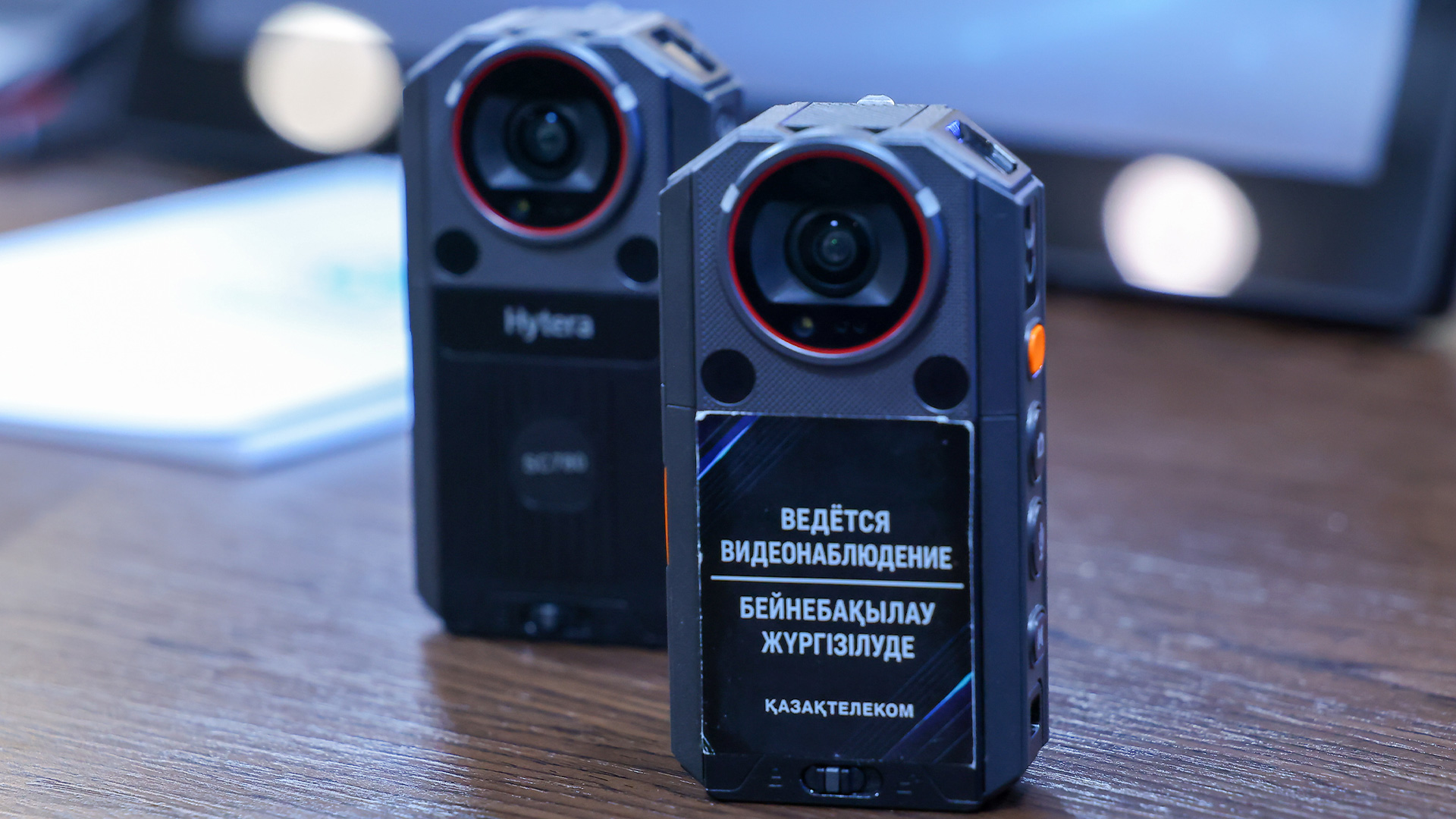
To ensure the safety of healthcare workers, smart video badges are being introduced based on Kazakhtelecom JSC solutions. The devices make it possible to record alarming events, assess the situation, and, in case of an attack or threat from patients, automatically transmit a signal to the Police Department Operations Control Centre for immediate dispatch of the nearest patrol. The project is currently launched in two regions—Shymkent city and Zhambyl Region. Full deployment is scheduled for completion by the end of this year. Badge coverage will reach 2,100 ambulance crews and over 3,800 healthcare workers.
The video analytics and SOS button system in hospitals is a comprehensive solution for emergency rooms and provides for installing "smart" cameras to detect aggression towards medical staff. Information is promptly transmitted to the Police Department, medical situation centre, and facility security service. Additionally, SOS buttons are installed, allowing citizens to call a patrol independently. Currently, the system is being introduced in the cities of Astana, Shymkent, and Zhambyl Region.
In remote assistance, digital telemedicine solutions have been introduced, providing remote consultations with specialists for residents of remote areas. Since the beginning of the year, over 1 million teleconsultations have been conducted, and remote medical services were received by over 2.1 million people, 39% of whom are rural residents. The project covers 655 paramedic-obstetric stations and rural medical outpatient clinics, as well as 72 correctional system institutions. From September 1 of this year, telemedicine is being introduced for school medical check-ups. It is planned to cover about 8,000 schools. Digital medical device ECGs, rapid tests, and examinations are already available remotely, with the list expanding to include ultrasound, ophthalmoscopy, and other studies.
Centralized AI-powered teleradiology connects over 400 medical facilities nationwide. AI algorithms allow analyzing CT, MRI, and mammography scans, reducing diagnostic time by more than 4 times and increasing early-stage pathology detection by 32.2%.
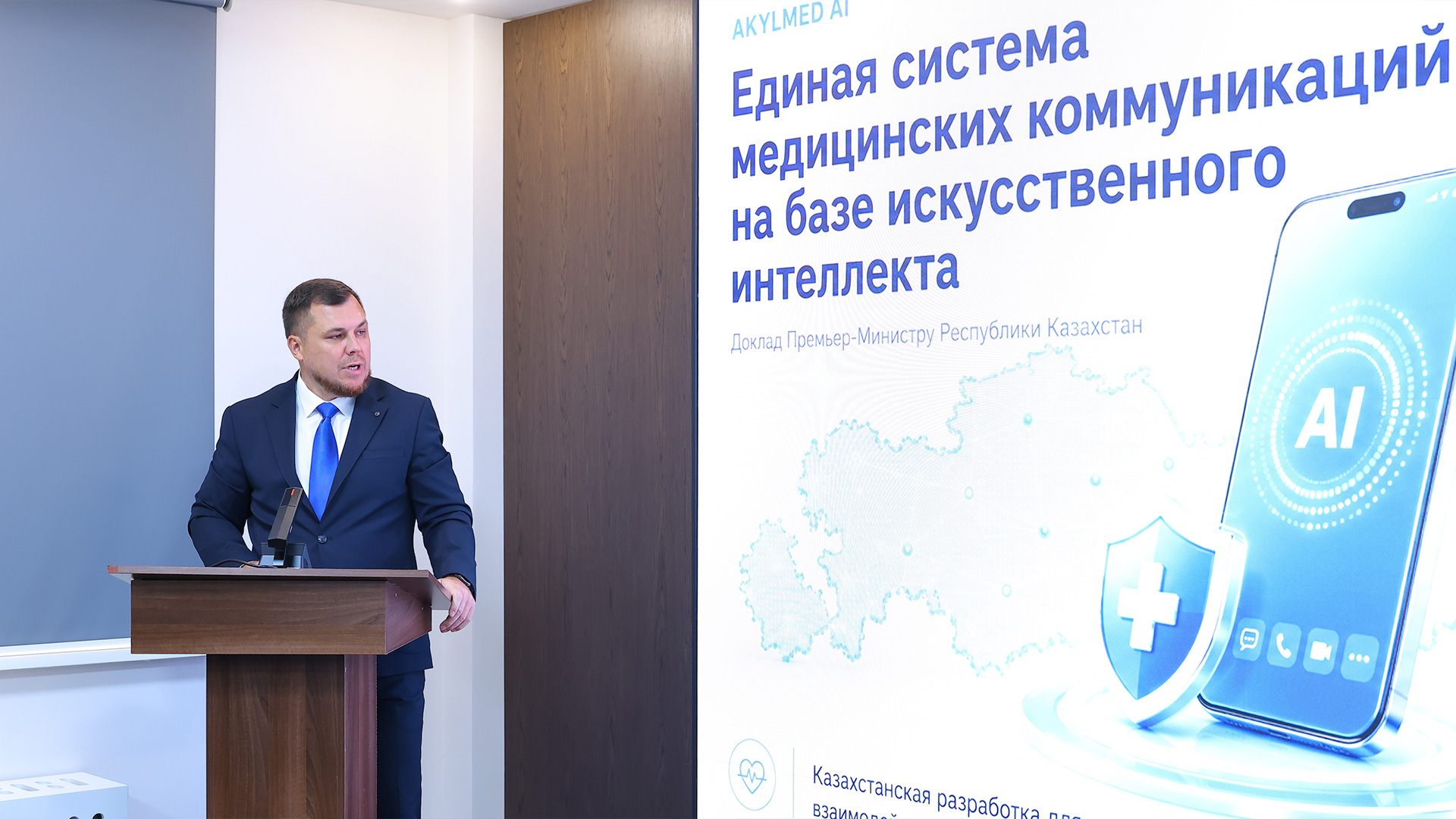
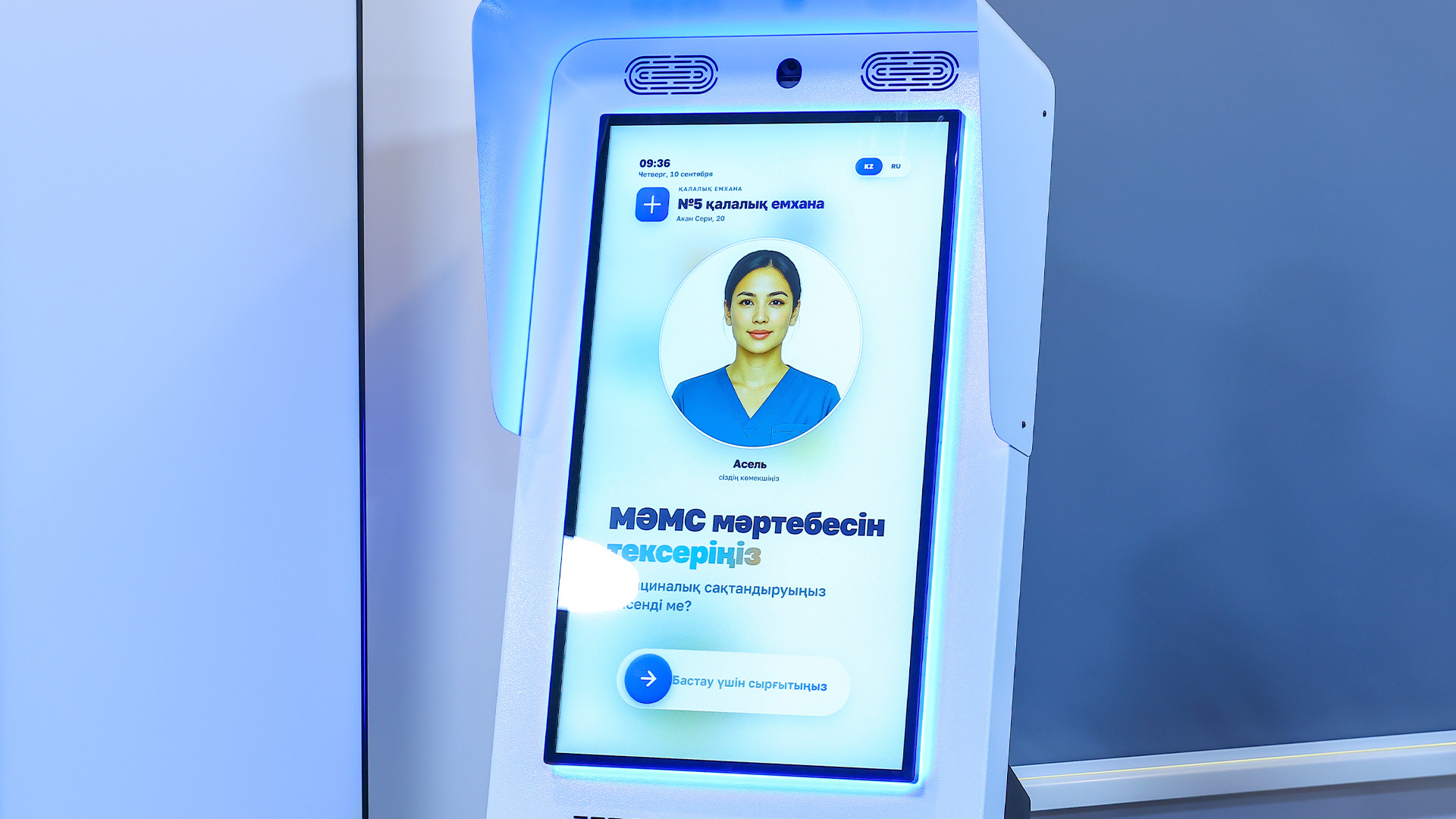
The AKYLMED.AI unified AI-based medical communication system is being introduced for round-the-clock online patient appointment booking, automatic invitations to screenings and preventive check-ups, and gathering feedback on appointment quality. Using AI assistants reduced clinic no-show rates almost threefold and significantly eased the workload on reception desks.
Following the meeting, the Prime Minister noted that creating a unified digital healthcare contour is of strategic importance and should increase the efficiency and accessibility of medical care.
"The President has set a clear goal: we must move away from fragmented information systems and create a single digital healthcare contour. We see that solutions and technologies allowing us to accomplish this task already exist. Now it is important to bring the work started to completion. All systems must be combined, data must be accessible and up to date, and effective AI solutions must be scaled across the entire sector and regions. We must achieve practical returns: quality medical services, cost optimization, and removal of administrative barriers. Total digitalisation makes it possible to improve the system, increasing service efficiency for citizens," Olzhas Bektenov emphasized.




Stay updated about the events of the Prime minister and the Government of Kazakhstan - subscribe to the official Telegram channel
Subscribe