11 November 2026, 22:45
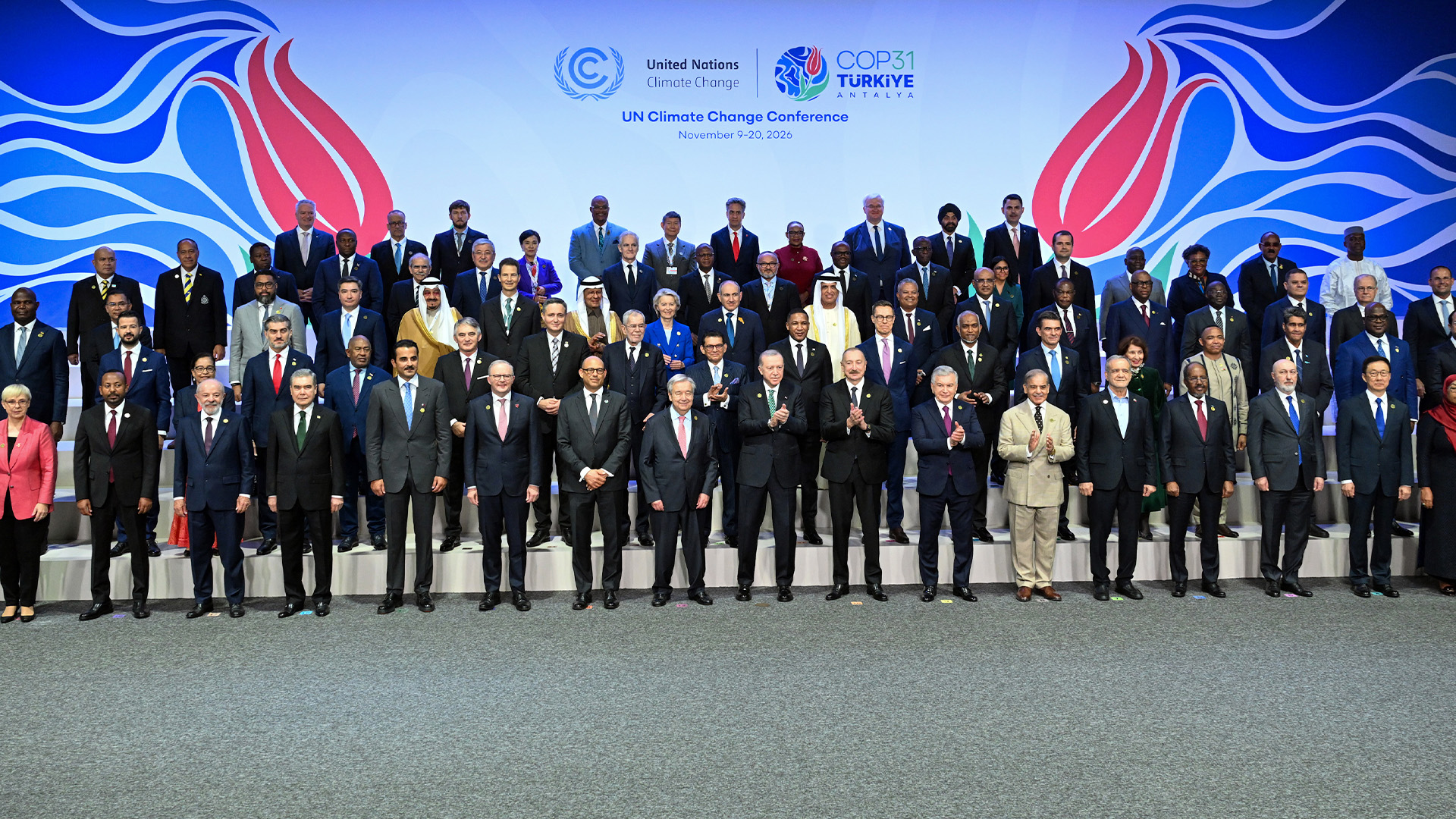 On the instruction of the Head of State, Prime Minister of the Republic of Kazakhstan Olzhas Bektenov participated in the 31st Conference of the Parties to the UN Framework Convention on Climate Change (COP31), held in Antalya (Türkiye).
The COP platform annually raises issues of sustainable development and global cooperation in the field of climate change. This year, the Summit is attended by heads of state and government from more than 70 countries around the world, as well as heads of major international organizations and financial institutions.
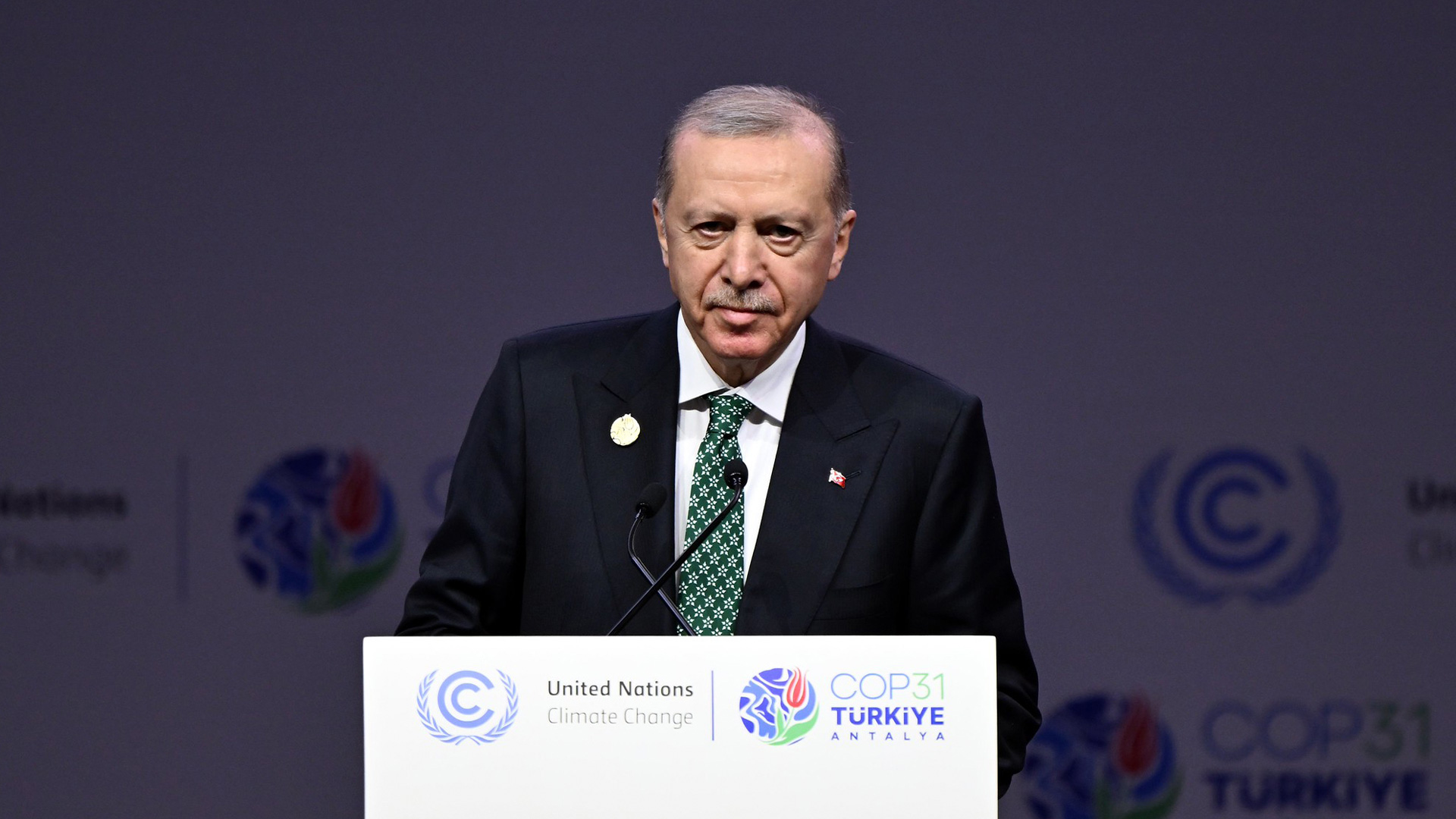
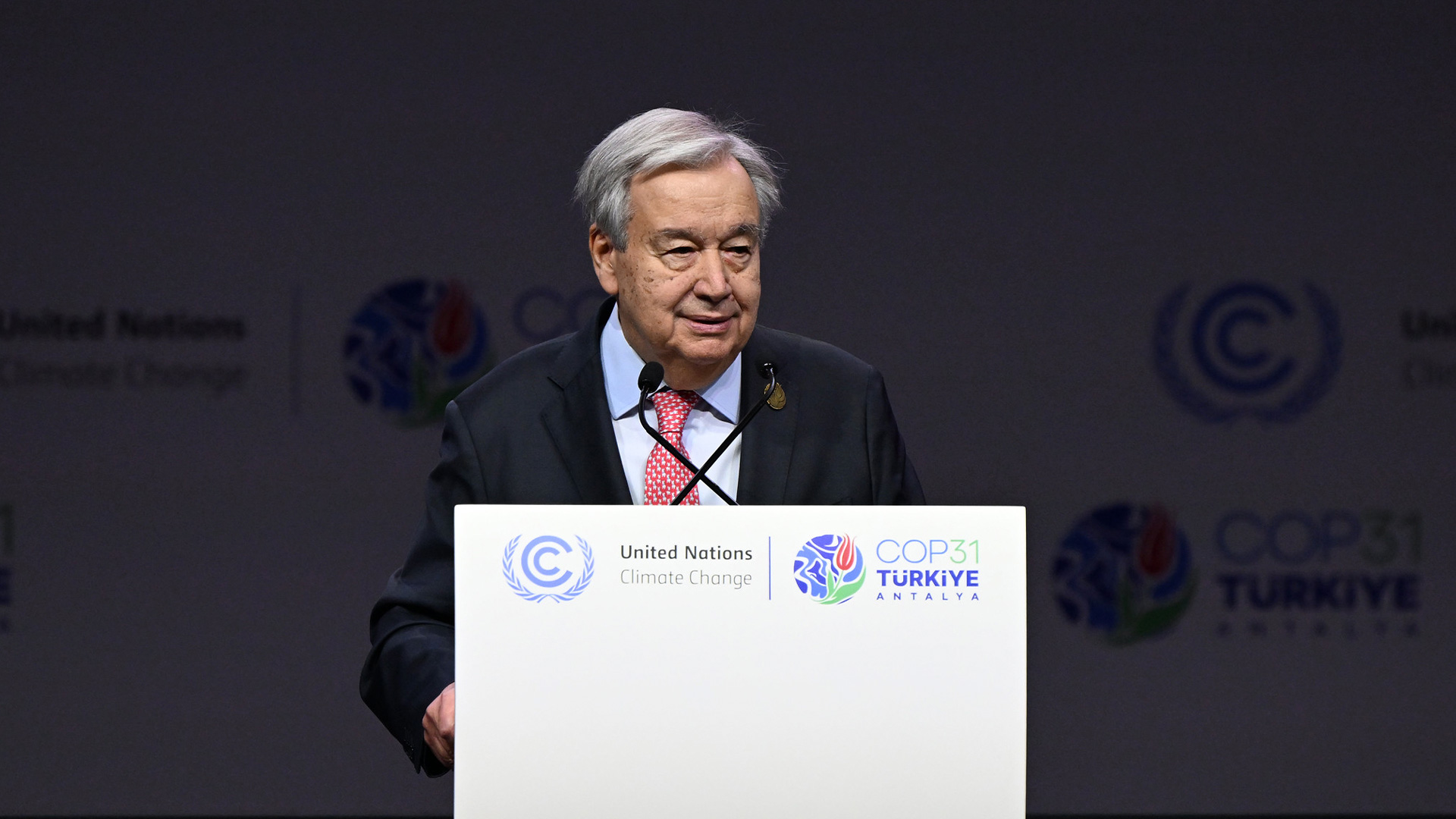
In his speech, Olzhas Bektenov noted that President's initiative "Taza Qazaqstan" has become a nationwide movement and received due enshrinement in the Constitution. As the Head of State emphasizes, building a Clean Kazakhstan is the duty of every citizen. Today, over 6 million Kazakhstanis participate in activities to protect their native land. Across the country, about 1.7 billion trees have been planted over five years. For 2027, the planting of another 270 million seedlings is planned, which will allow achieving the goal set by the President of 2 billion trees.
Special importance was attached to the international recognition of Kazakhstan's initiative by the United Nations and the declaration of April 22 as the International Day of Greening the Planet. This is a reminder that consistent efforts to preserve nature yield tangible results.
“Solving environmental problems requires closer cooperation. In April of this year, Astana hosted the first Regional Ecological Summit. The Declaration on Environmental Solidarity of Central Asia, adopted following the summit, laid the foundation for joint action. At the heart of this shared commitment lies one of the most pressing priorities for us – ensuring water security. In this regard, our Head of State put forward an initiative to establish an International Water Organization under the auspices of the UN. We invite all interested partners to take part in this process,” the Prime Minister noted.
In the energy sector, Kazakhstan continues to develop renewable energy sources, the share of which has increased fourfold over the past six years and reached 8% as of 2026. By 2030, the figure is planned to be brought up to 15%. Along with this, nuclear energy is actively developing, as well as projects in wind and solar energy, and the production of green hydrogen. The joint project of Kazakhstan, Azerbaijan, and Uzbekistan to create a Green Energy Corridor for the export of environmentally clean electricity was noted separately.
Among the promising projects for international cooperation, Alatau City was presented, providing for the creation of a city with low carbon emissions. Kazakhstan is introducing artificial intelligence and satellite monitoring to forecast natural risks and prevent emergencies. Following his speech, the Prime Minister confirmed Kazakhstan's readiness to expand international cooperation in the climate sphere.
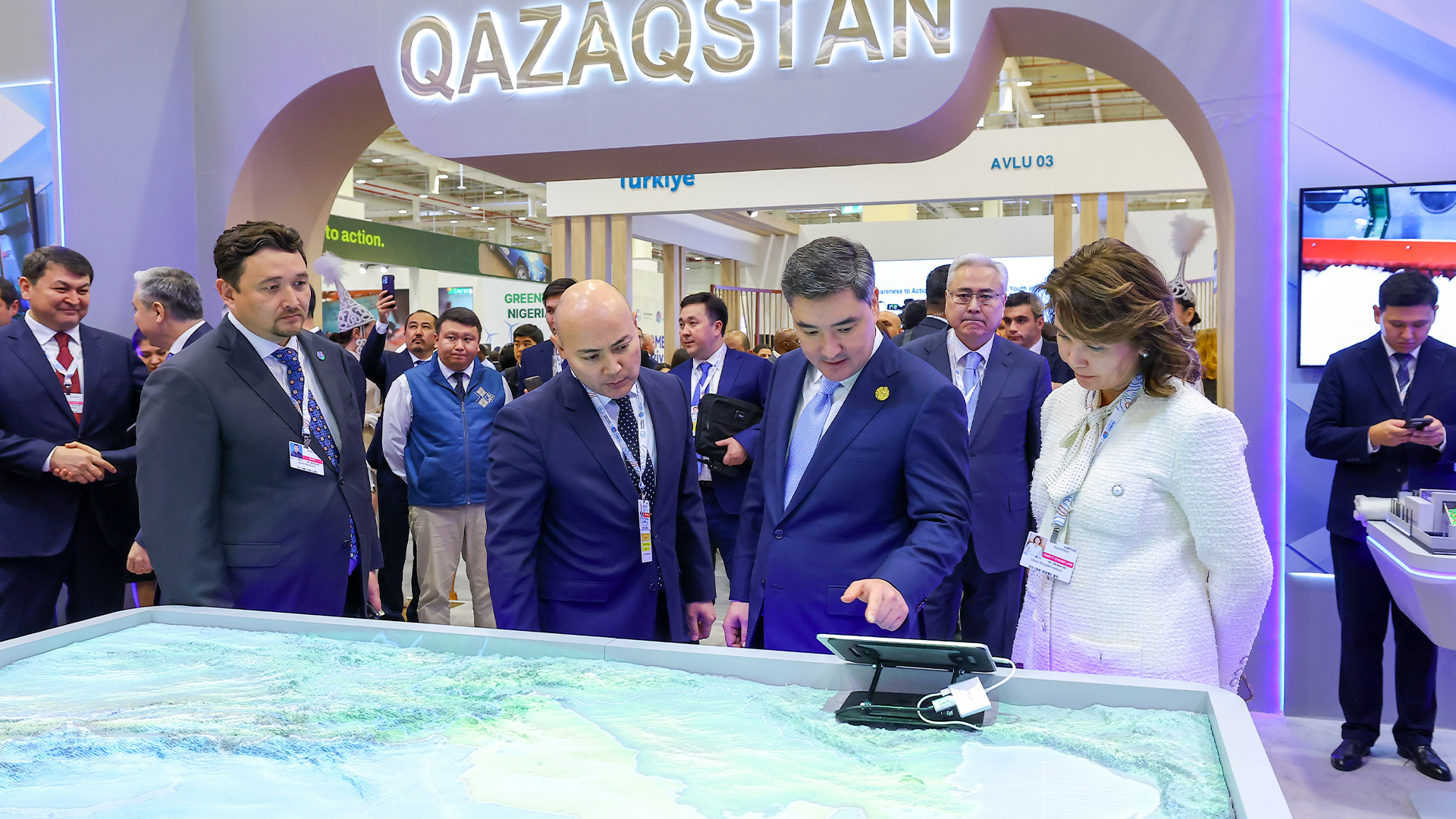
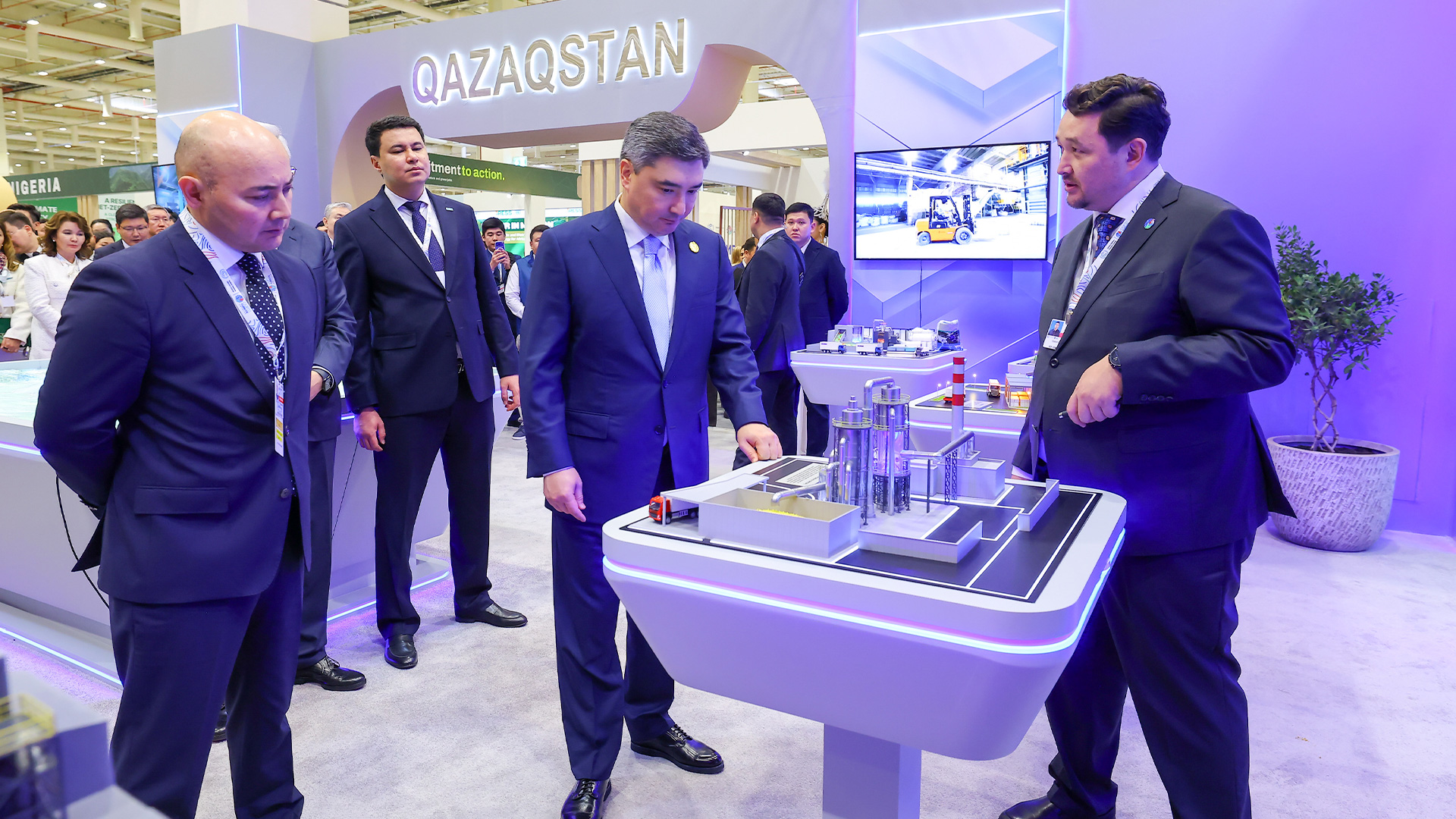
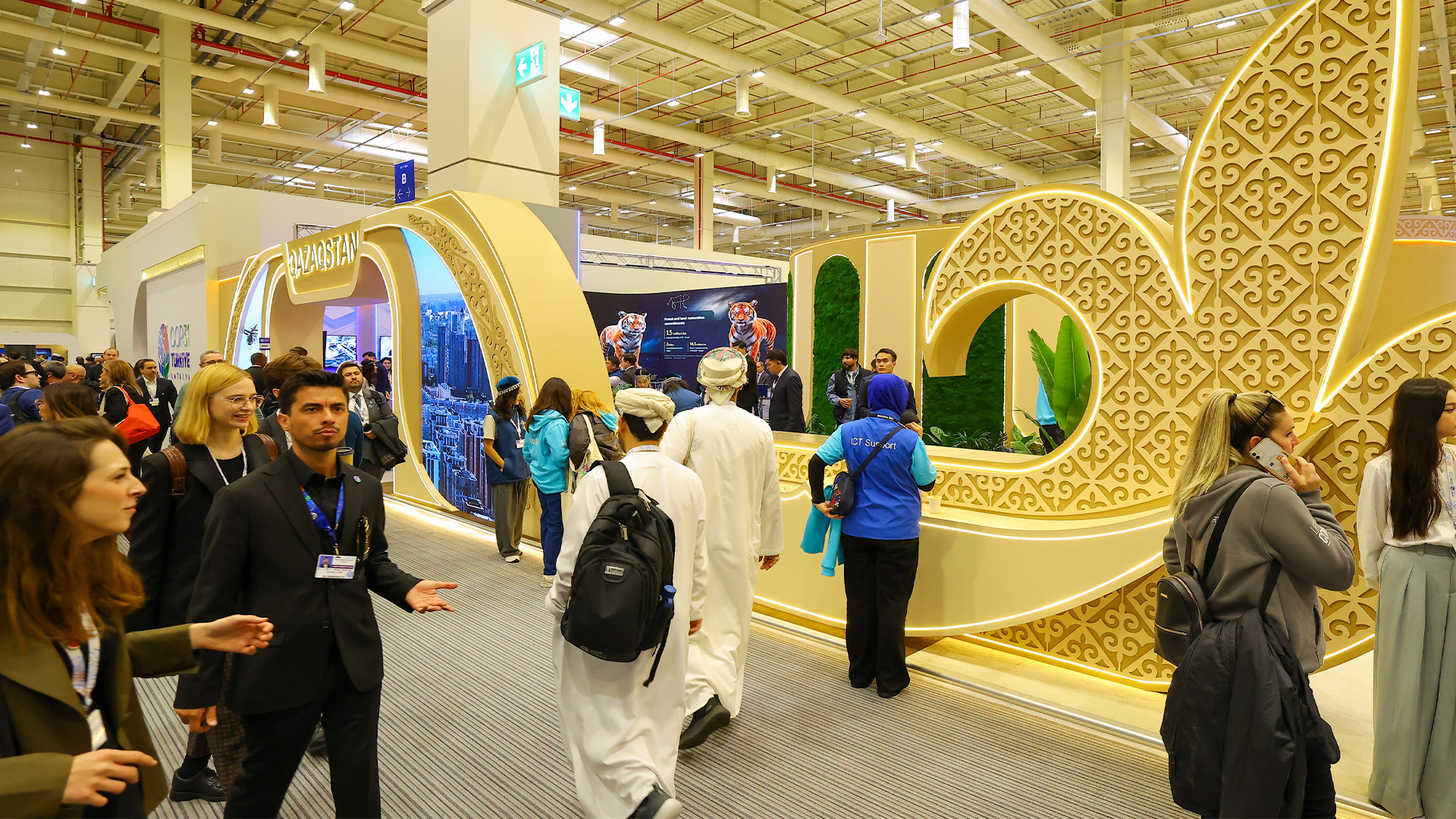
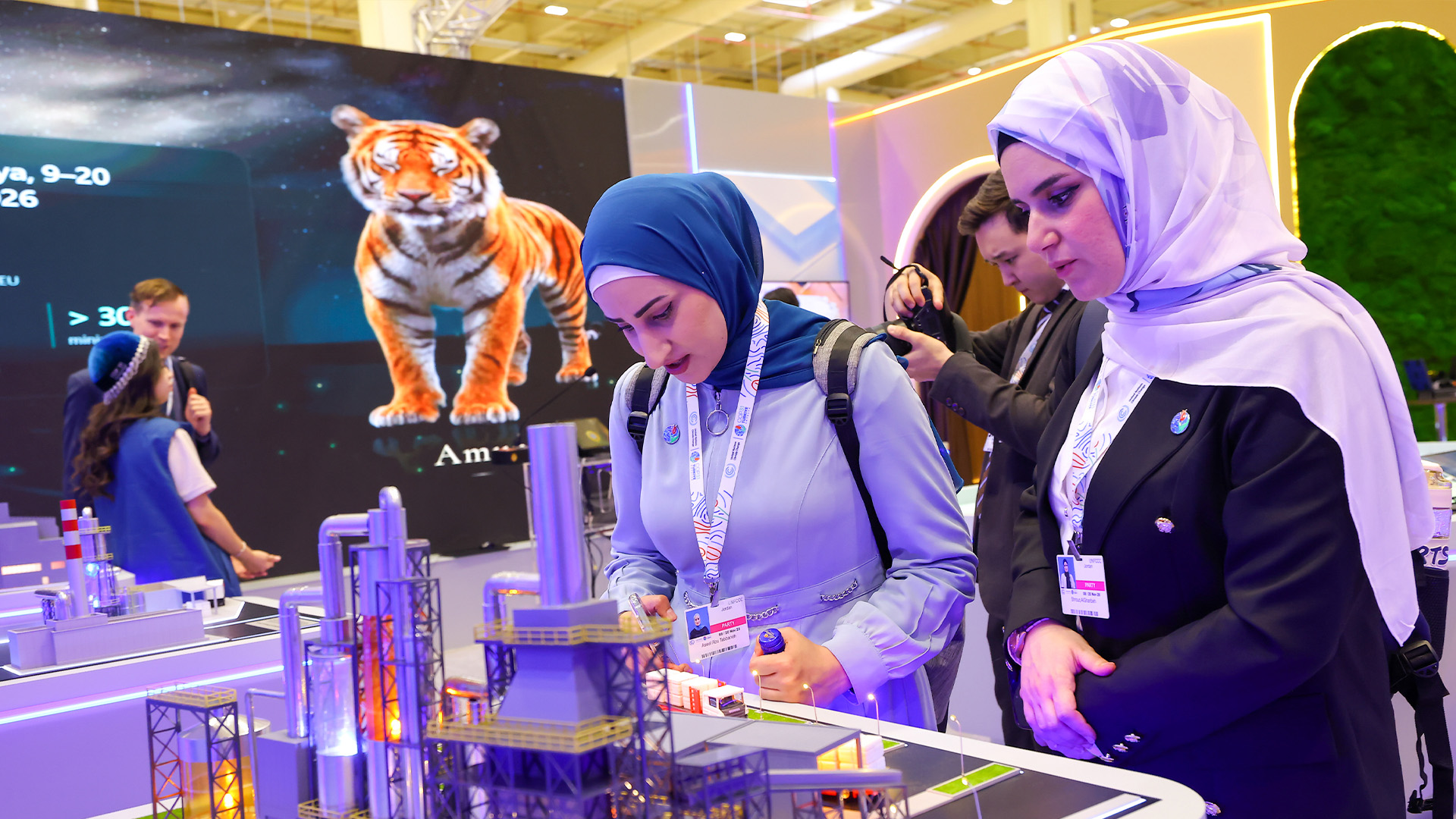
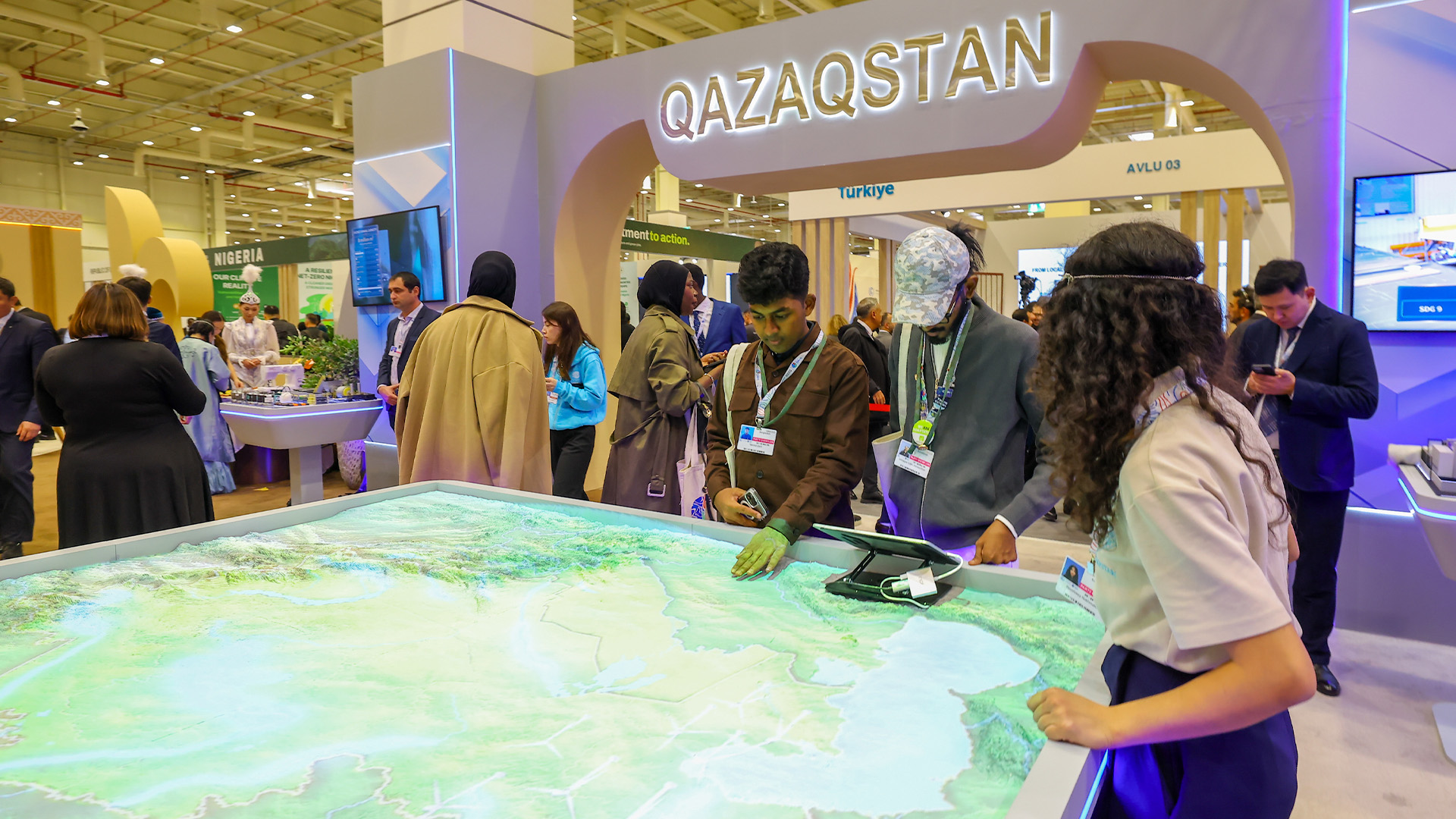
On the sidelines of COP31, Olzhas Bektenov also visited the national pavilion of Kazakhstan. The concept of the exhibition space combines the country's natural heritage, modern environmental projects, and technologies of the future. One of the central elements was the interactive AI guides Umit and Amur in the image of Turan tigers. Projects on reforestation, methane emission reduction, and the creation of a green energy corridor across the Caspian Sea to Europe were presented. Separate expositions are dedicated to the recycling of lithium-ion batteries, plastics, and automobile tires, waste-to-energy conversion, and technologies for reducing industrial emissions. The pavilion's program includes issues of restoring the Northern Aral Sea, preserving the Caspian ecosystem, energy transition, developing carbon markets, and attracting green investments. A special place is occupied by digital solutions, including the creation of a regional carbon AI platform, the use of space technologies for climate monitoring, and the development of the interstate adaptation system "Caspian Climate Shield."
Within the framework of the 31st session of the Conference, the Kazakhstani delegation signed a number of agreements on the development of renewable energy and the modernization of gas infrastructure worth about $1.2 billion. The documents provide for the construction of wind power plants with a capacity of 150 MW in the Turkistan region and 1 GW in the Kostanay region, as well as the implementation of the Aqyl Energy project to install 1.35 million smart gas meters with remote data transmission. In addition, documents were signed on expanding international cooperation in the field of environmental protection.




Stay updated about the events of the Prime minister and the Government of Kazakhstan - subscribe to the official Telegram channel
Subscribe