27 July 2026, 08:00
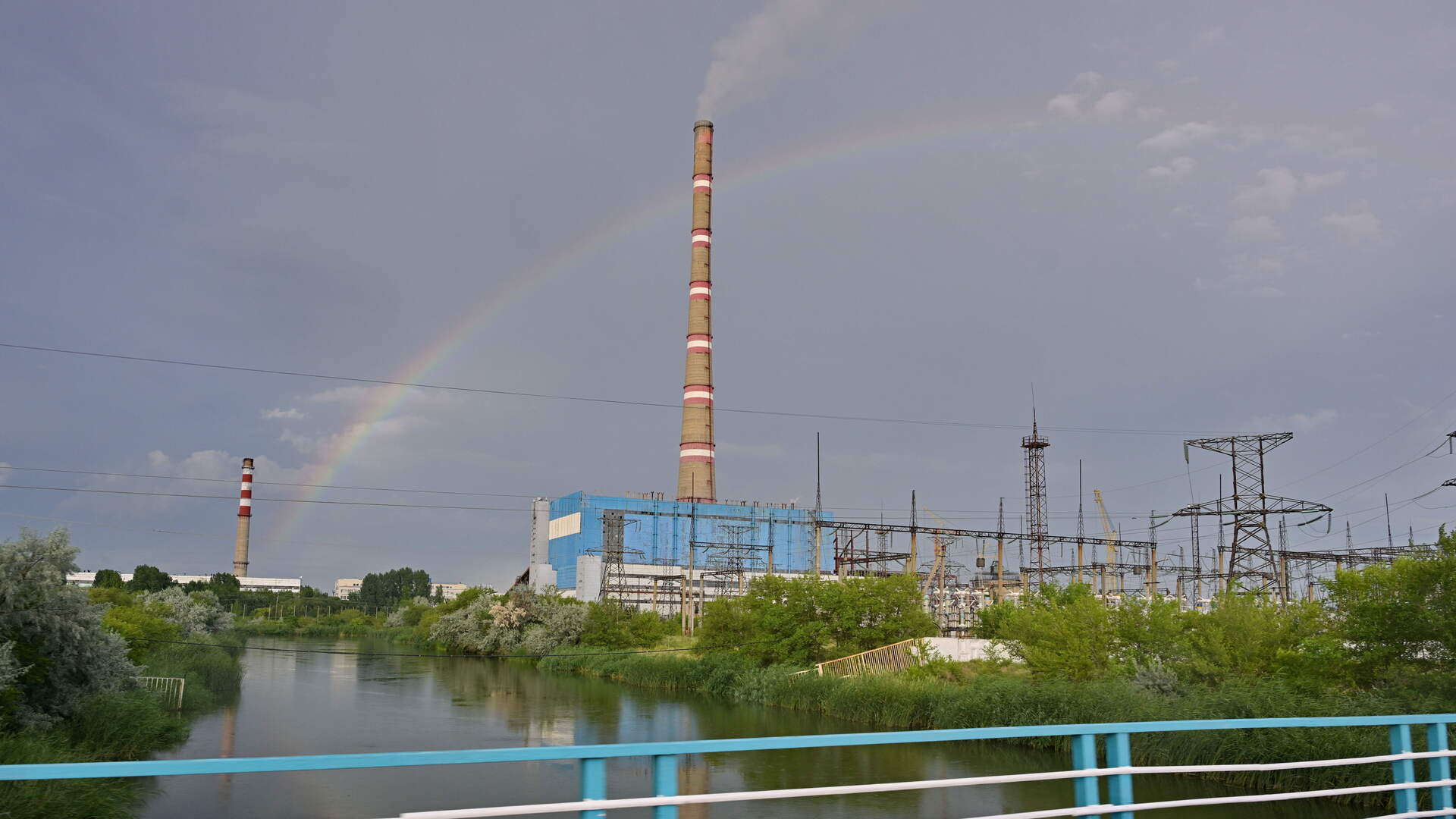 Uninterrupted provision of thermal and electrical energy to the country’s population is among the most important priorities of the state. In order for the winter period to proceed stably, the Government, represented by the Ministry of Energy and regional akimats, is taking a set of measures that include updating utility networks and strengthening energy security.
This work is aimed at implementing the tasks set by the Head of State in the Address “Kazakhstan in the Era of Artificial Intelligence: Current Tasks and Their Solutions Through Digital Transformation.” In the strategic document, special attention is paid to the renewal of infrastructure, the introduction of modern and environmentally friendly technologies, as well as improving the quality of life of the population.
Last season: what was done and what results it led to
Preparation for the 2025-2026 heating season was carried out with increased funding. Significant state and investment funds were invested in infrastructure renewal:
What was repaired during the year?
What is the effect for residents?
The result of the work carried out was an increase in the reliability of infrastructure and a reduction in equipment wear. In particular, at power plants this indicator decreased to 53%, on heating networks — to 50%, and at power grid facilities — to 66.2%.
During the coldest peak period — in December last year — the system withstood the load, delivering 17.3 GW of capacity. Thanks to this, the number of temperature regime failures in homes decreased threefold — from 65 to 21 cases across the country. Technological violations at stations decreased by 15%, and on power grids — by 12%. For each case, government agencies conducted inspections to exclude the recurrence of such situations in the future.
In addition, the condition of the combined heat and power plants themselves improved: as a result of the measures taken, 5 CHPPs exited the critical “red” risk zone into a more stable “yellow” zone, and another 3 CHPPs moved from the “yellow” to the “green” zone.
At the same time, a sufficient volume of fuel was prepared at the warehouses. Over 8 million tons of coal were stockpiled for the needs of the population and social facilities, against a plan of 7.5 million tons.
Preparation for the new winter of 2026-2027: current plans and digital control
To further consolidate the achieved results, preparation for the next heating season began without pauses. Funding volumes have grown again — owners of facilities are allocating 384 billion tenge this year for power plant repairs alone. This is 9% more than last year.
It is important to note that these funds are formed from the electricity tariff, and each station independently determines the most vulnerable sections for priority repair.
Currently, 5 combined heat and power plants that are still in the “red” risk zone remain under special control: the CHPPs in Semey, Uralsk, Taraz, CHPP-2 in Aktau, and GRES-1 in Temirtau. By the end of the year, it is planned to reduce the average wear of power plant equipment to 52%.
How are equipment repairs progressing at CHPPs?
In total, major repairs of 9 power units, 55 boilers, and 51 turbines are planned for 2026. To date, work is proceeding strictly according to schedule; hidden defects are being identified at some facilities. The current status is as follows:
At the same time, planned current repairs are underway — they cover more than 500 units of auxiliary equipment across the country.
Power grids and heating mains
Comprehensive work continues on the network infrastructure as well:
Climatic features of the regions and logistics
The duration of winter in Kazakhstan varies significantly depending on the region. While in the south the heating season lasts about 151 days, in the north it reaches 222 days. This factor is taken into account when setting priorities:
In case of anomalous frosts, the state increases stocks in advance. Right now, about 3.5 million tons of coal have been accumulated at the warehouses of energy sources — this is 8% more than at the same time last year — and 143 thousand tons of fuel oil. For the needs of the population and the utility sector, 7.3 million tons of coal are required for the new season.
To avoid problems with fuel supplies, the Government has provided a number of measures:



Stay updated about the events of the Prime minister and the Government of Kazakhstan - subscribe to the official Telegram channel
Subscribe