16 January 2026, 19:50

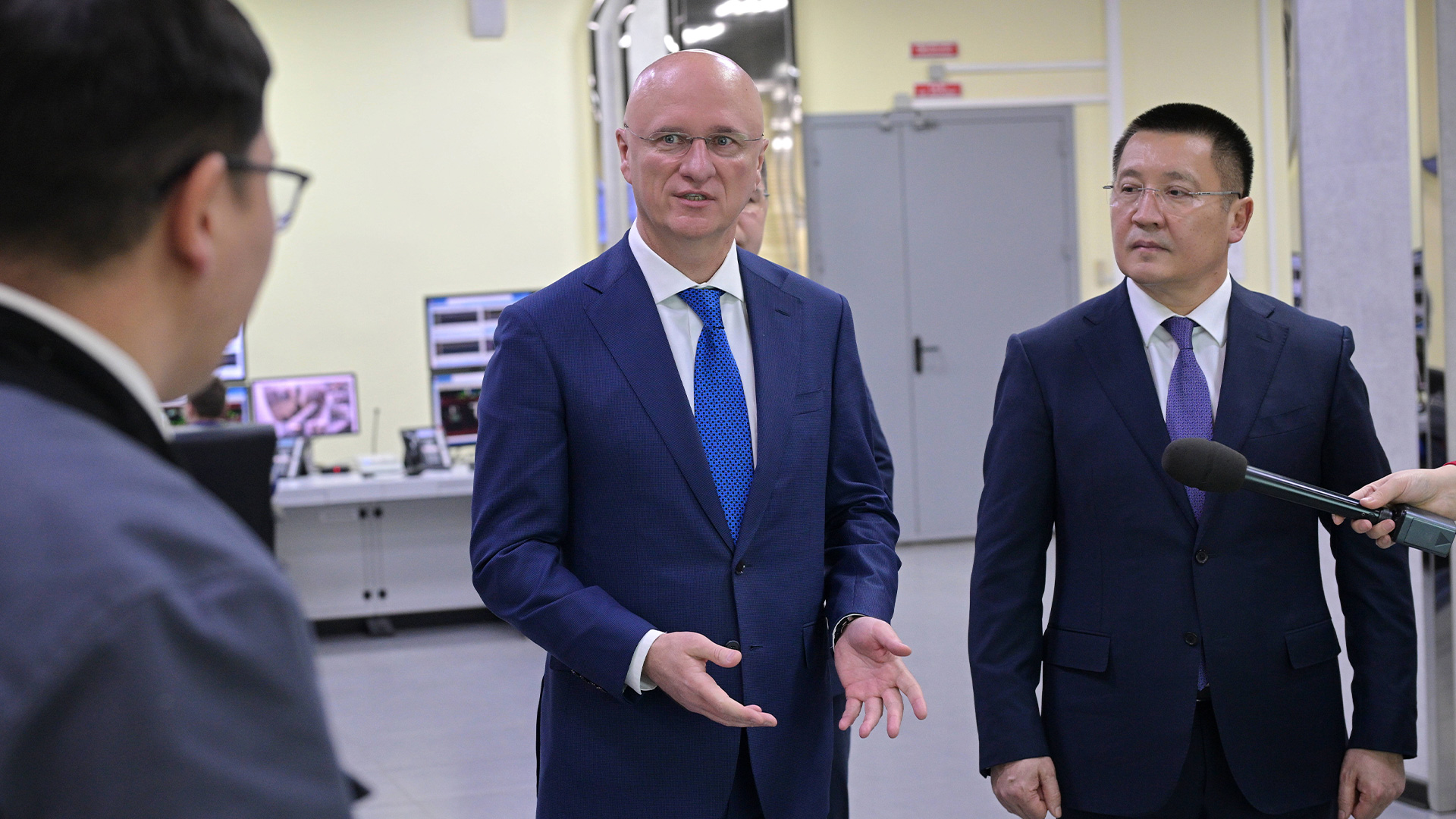
First Deputy Prime Minister of the Republic of Kazakhstan Roman Sklyar, during a working visit to the Pavlodar region, visited key energy, industrial, and social facilities of the region.
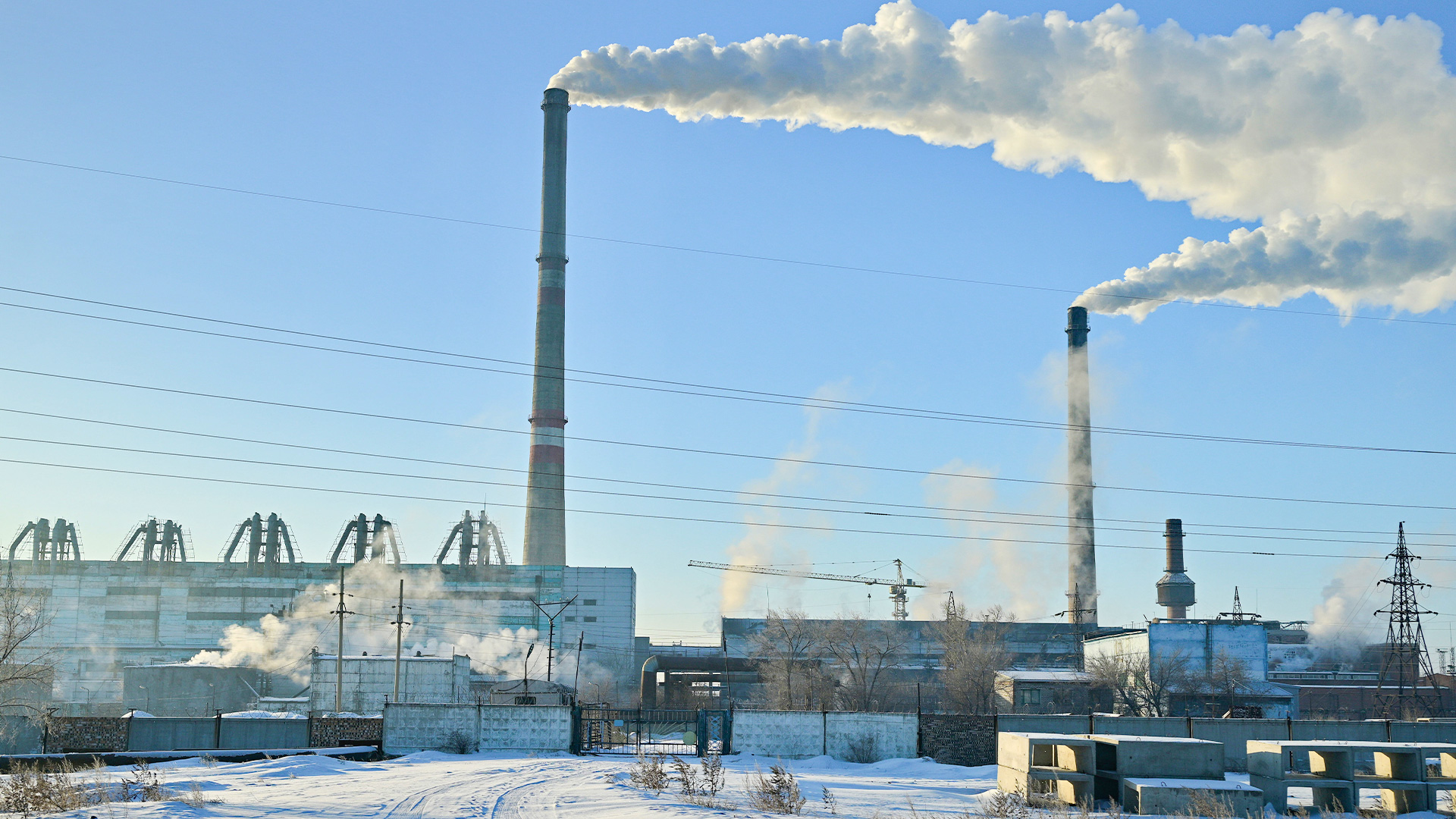
Roman Sklyar reviewed the progress of the heating season in Ekibastuz. Akim of the region Asain Baikhanov reported that, thanks to the modernization of heat supply networks, the season is proceeding in a stable and routine mode. In 2023–2025, heat mains TM-2 and TM-7 were reconstructed for a total amount of 11.3 billion tenge, including 6.7 billion tenge allocated from the republican budget. Following hydraulic testing, 13.5 km of networks were repaired and 341 faults eliminated; an additional 1.7 billion tenge was allocated from the local budget to repair 19 km of networks.
The First Deputy Prime Minister also reviewed the progress of modernization at the Ekibastuz CHP plant. General Director of Energy Solution Center LLP Aidarbek Kystaubaev reported on the implementation of a comprehensive program for repairing core equipment.
In 2023–2025, major and routine repairs were carried out on power boilers No. 5–9 and hot-water boilers No. 11–15. For boiler units No. 6–8, major and extended routine repairs were conducted with phased equipment upgrades, including through funds from the Government of the Republic of Kazakhstan reserve and the regional akimat.
For 2026–2027, construction of an administrative and utility complex is planned, along with reconstruction and construction of ash disposal facilities to ensure environmental safety, as well as expansion of generating capacities.
Special attention was given to digitalization and enhanced industrial safety. In 2025, smart helmets were introduced for station personnel; in 2026, the introduction of video badges is planned to strengthen labor safety compliance. Roman Sklyar instructed to ensure the integration of digital solutions into the production control system and their practical application.
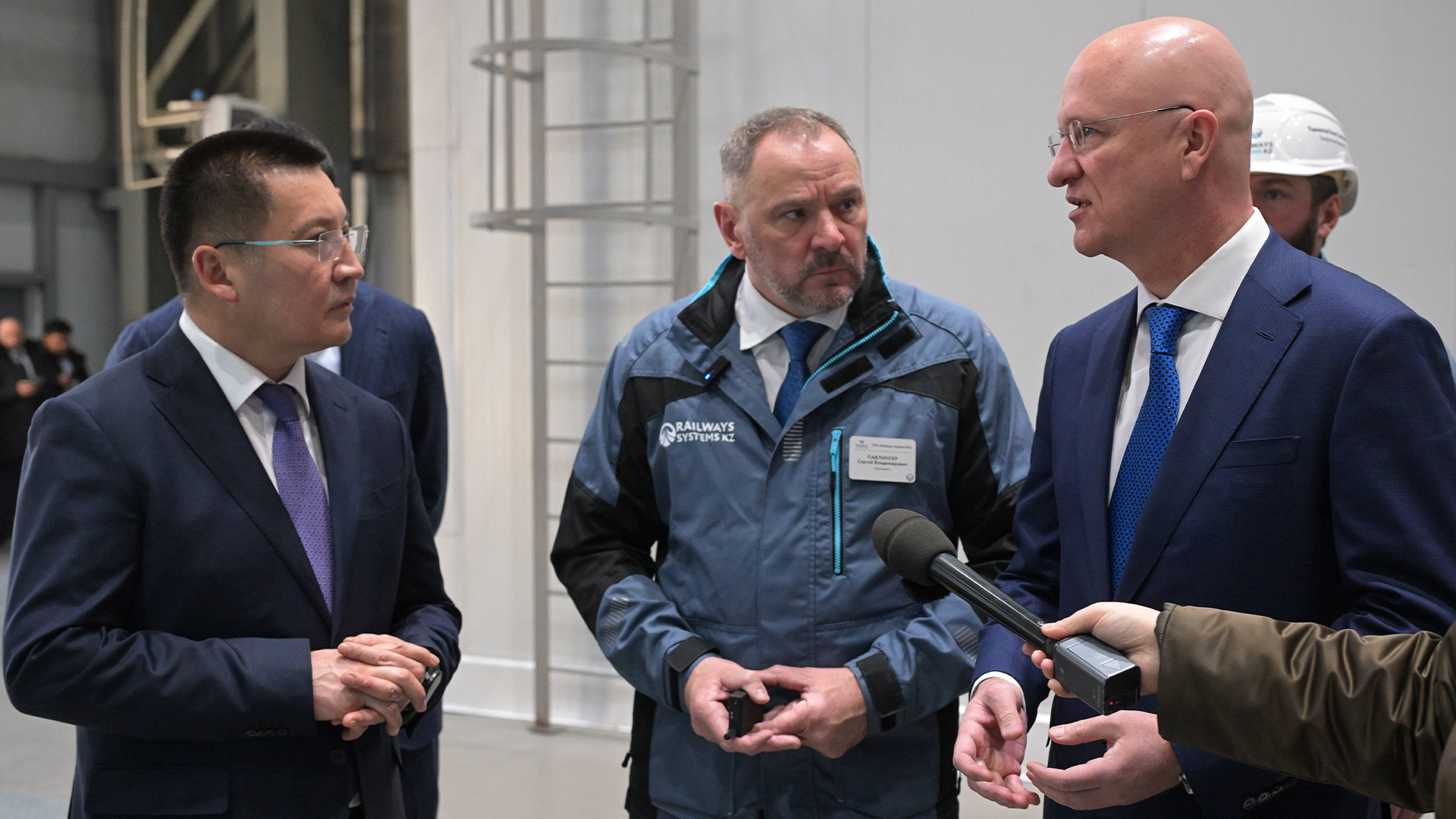
The First Deputy Prime Minister also visited the production facilities of Railways Systems KZ Holding, where construction of a modern electrometallurgical plant has begun, with total investments of approximately 500 billion tenge (USD 976 million) and a capacity of up to 1 million tons of high-quality steel per year. The plant is scheduled to be commissioned in 2028, creating more than 1,000 new jobs. Production will be oriented both toward the domestic market and exports, with up to 40% of output planned for supply to CIS countries and the European Union.
At Pavlodar CHP-2, Akim of the region Asain Baikhanov reported on the progress of the 2025–2026 heating season. To ensure reliable heat supply to the regional center, heat main TM-20A with a length of 5.9 km was constructed, and hydraulic testing of heat networks was carried out, eliminating 343 faults over 7.2 km. For 2026, reconstruction of 21 km of intra-quarter networks and routine repair of 8.1 km of main heat networks are planned, totaling 4.8 billion tenge.
General Director of Pavlodarenergo JSC Oleg Shchemel reported on repairs of key equipment carried out at CHP-2 in 2025. In 2026–2027, the station plans major repairs of boiler and turbine units, reconstruction of ash removal systems and clarifiers, and the introduction of modern digital solutions and IT systems for a total amount of 17.2 billion tenge. Similar works are planned at CHP-3 for 18.6 billion tenge.
Roman Sklyar instructed to ensure high-quality implementation of repair campaigns and investment programs, strict control over timelines, achievement of technological and environmental indicators, and to take all necessary measures to ensure reliable passage of the heating season.
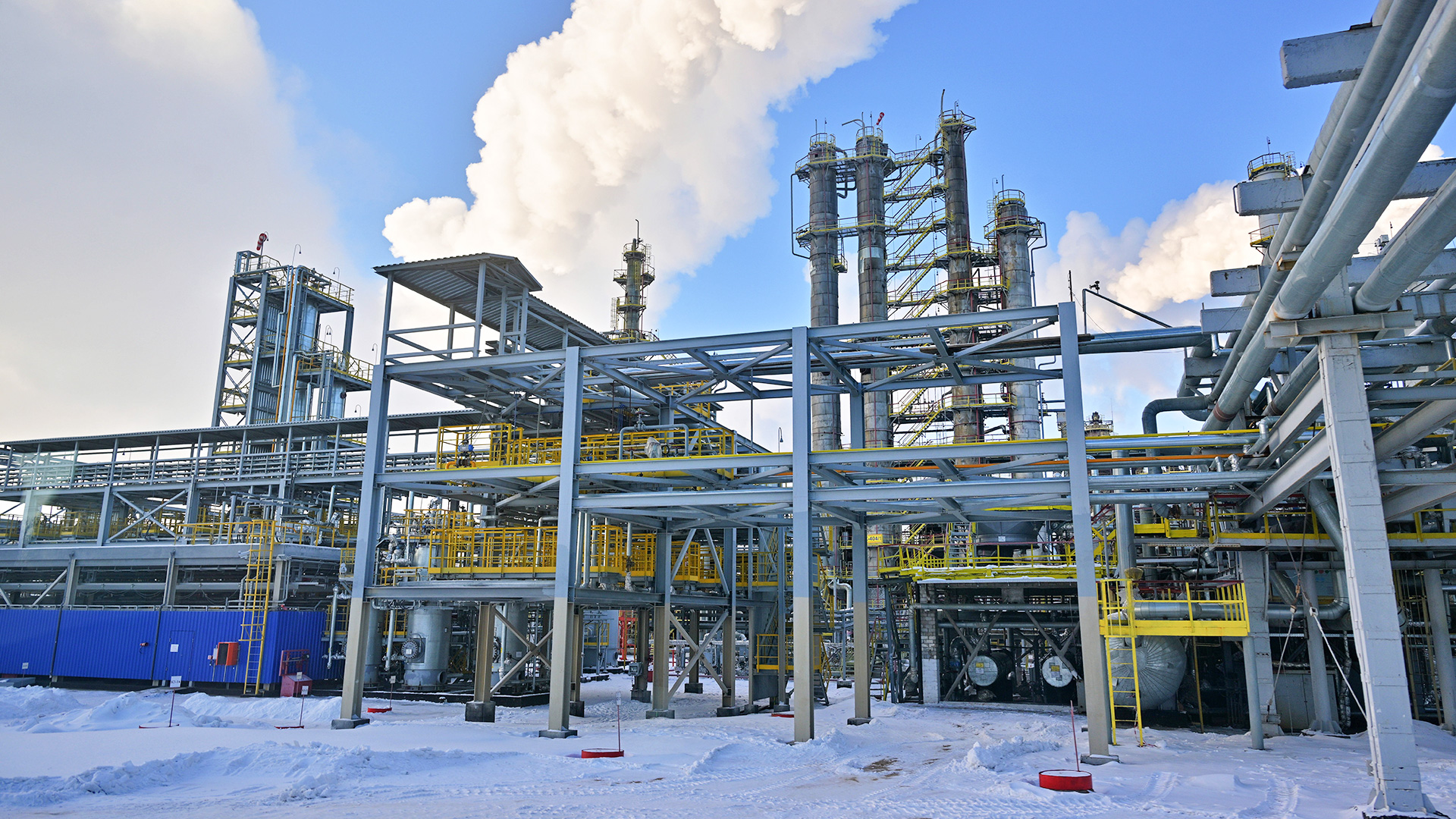
During the visit, the First Deputy Prime Minister also visited Pavlodar Petrochemical Plant LLP. The plant is implementing large-scale modernization projects, including the SENIM-D project for processing heavy gas oils and increasing the yield of light petroleum products. A master plan for the introduction of automation and digitalization systems using AI-based solutions has also been developed at the enterprise. The plant’s management was instructed to continue efforts to enhance efficiency and technological capacity.
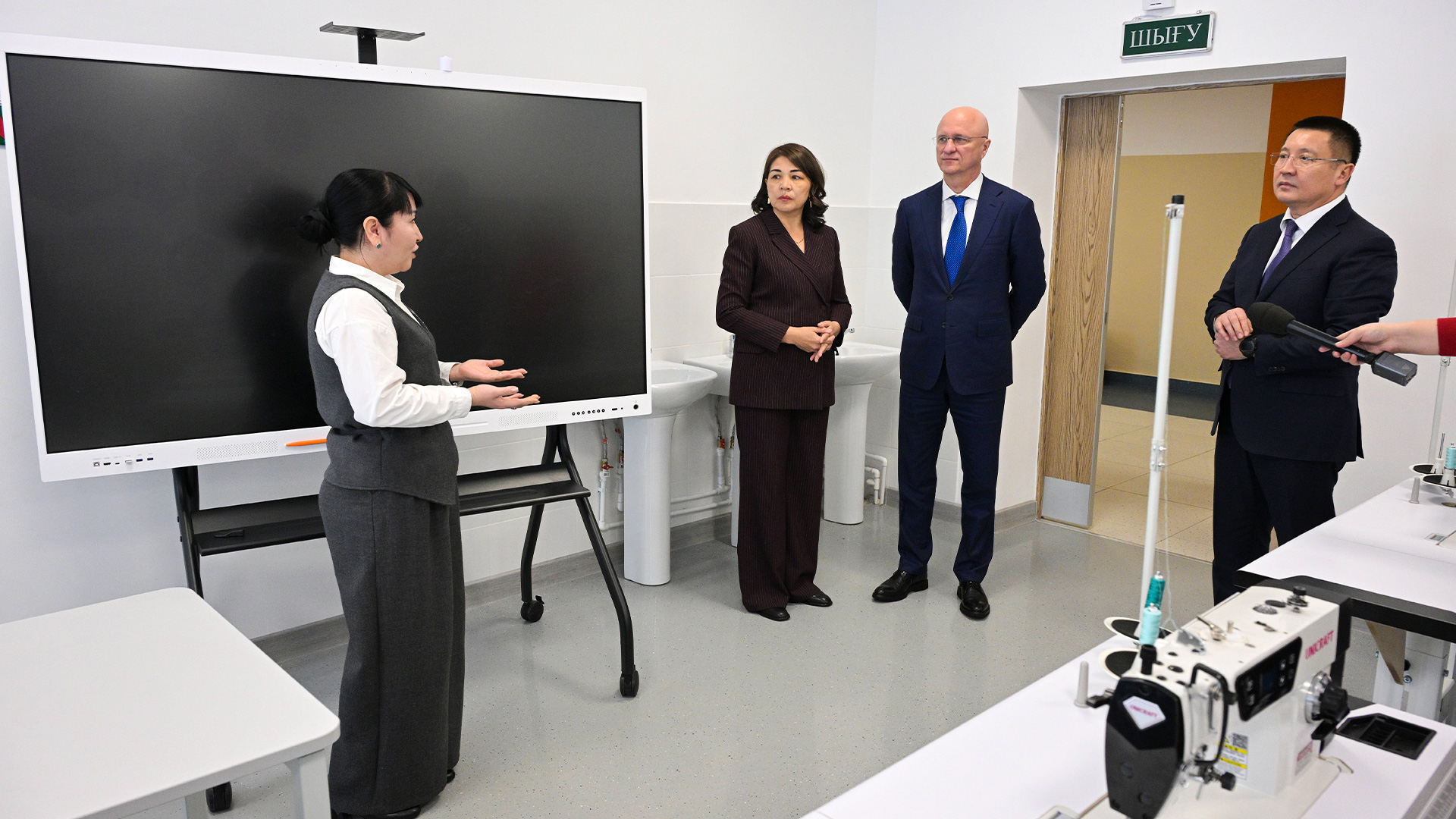
Concluding the working visit, Roman Sklyar reviewed the operations of Secondary School No. 48 in the city of Pavlodar, opened on 1 September 2025 as part of the state program School of the Future. The school is designed for 1,200 students and is equipped with modern digital and inclusive infrastructure. The First Deputy Prime Minister emphasized the importance of creating equal and comfortable conditions for the comprehensive development of children.
The working visit made it possible to comprehensively assess the progress of key projects in energy, industry, and social infrastructure aimed at ensuring sustainable socio-economic development of the Pavlodar region.







Stay updated about the events of the Prime minister and the Government of Kazakhstan - subscribe to the official Telegram channel
Subscribe