20 February 2026, 19:27
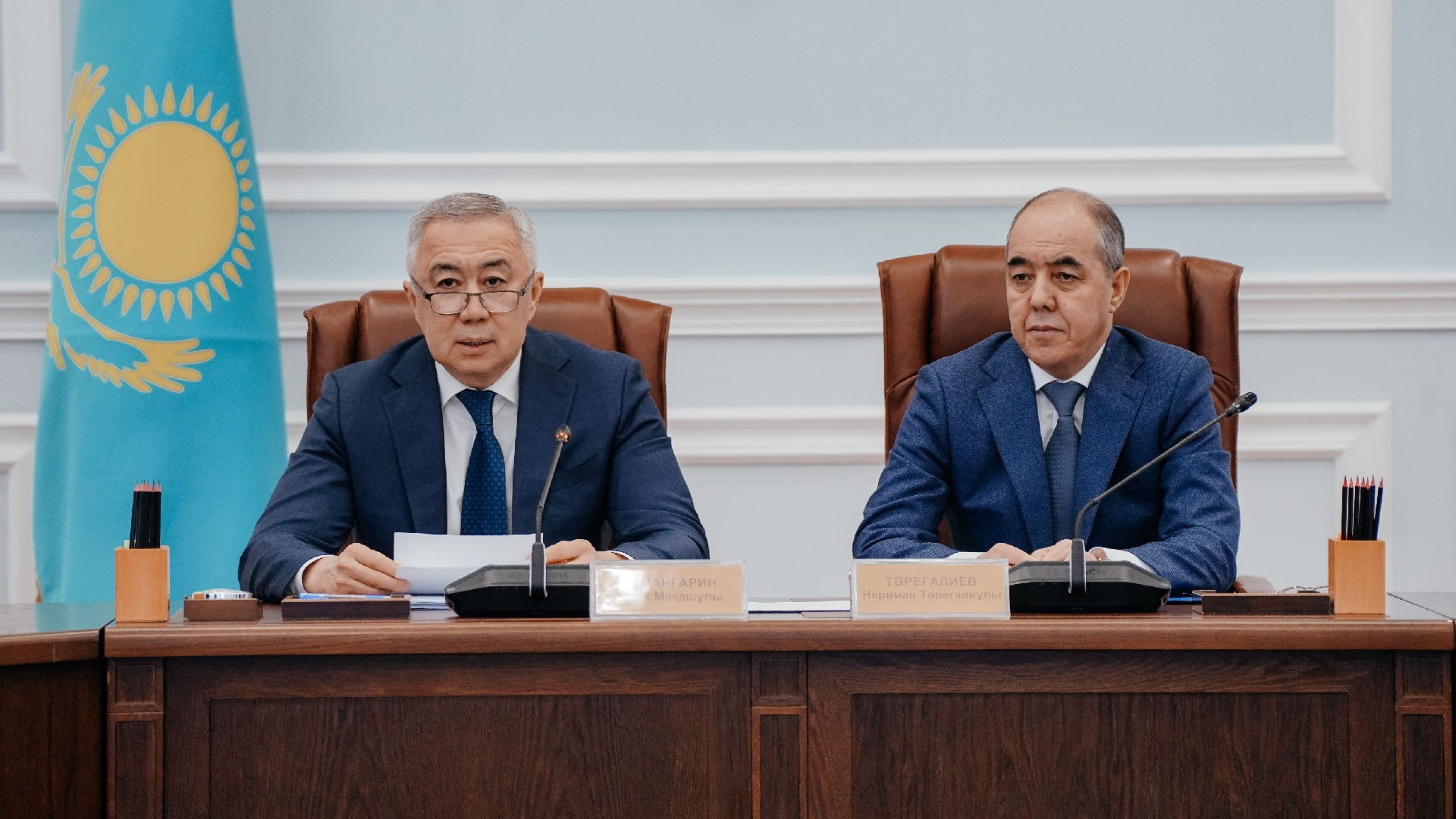
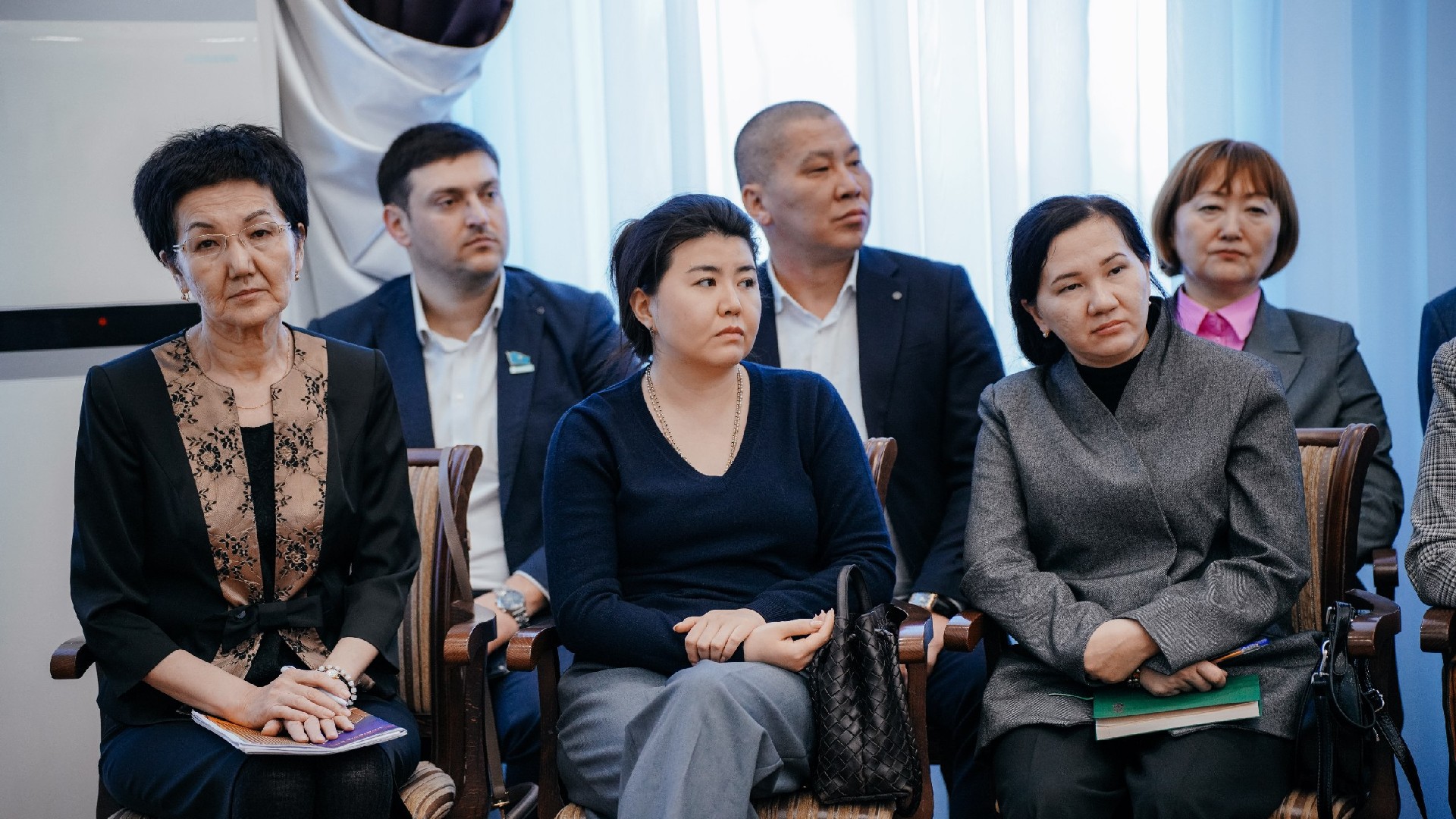
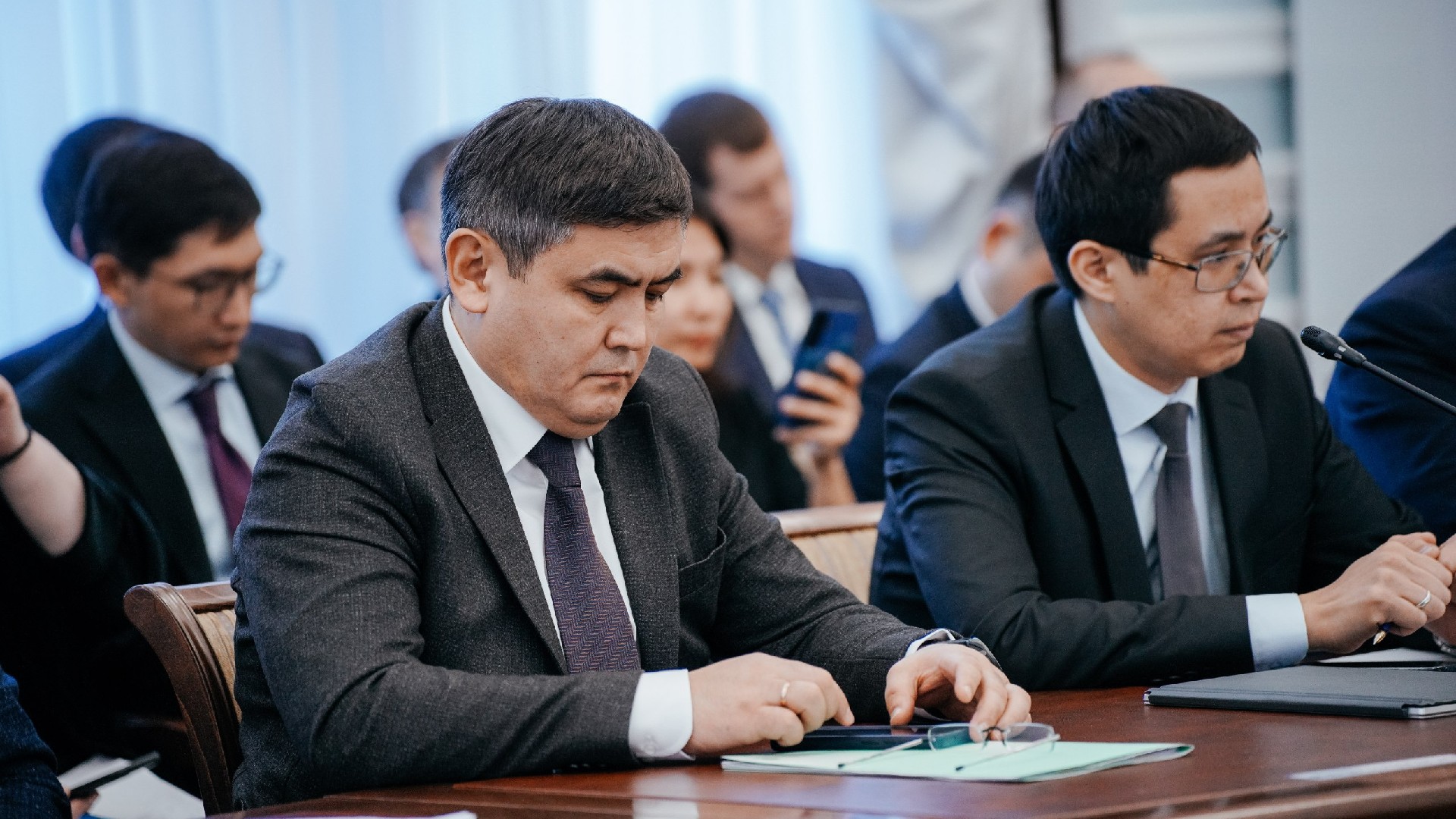
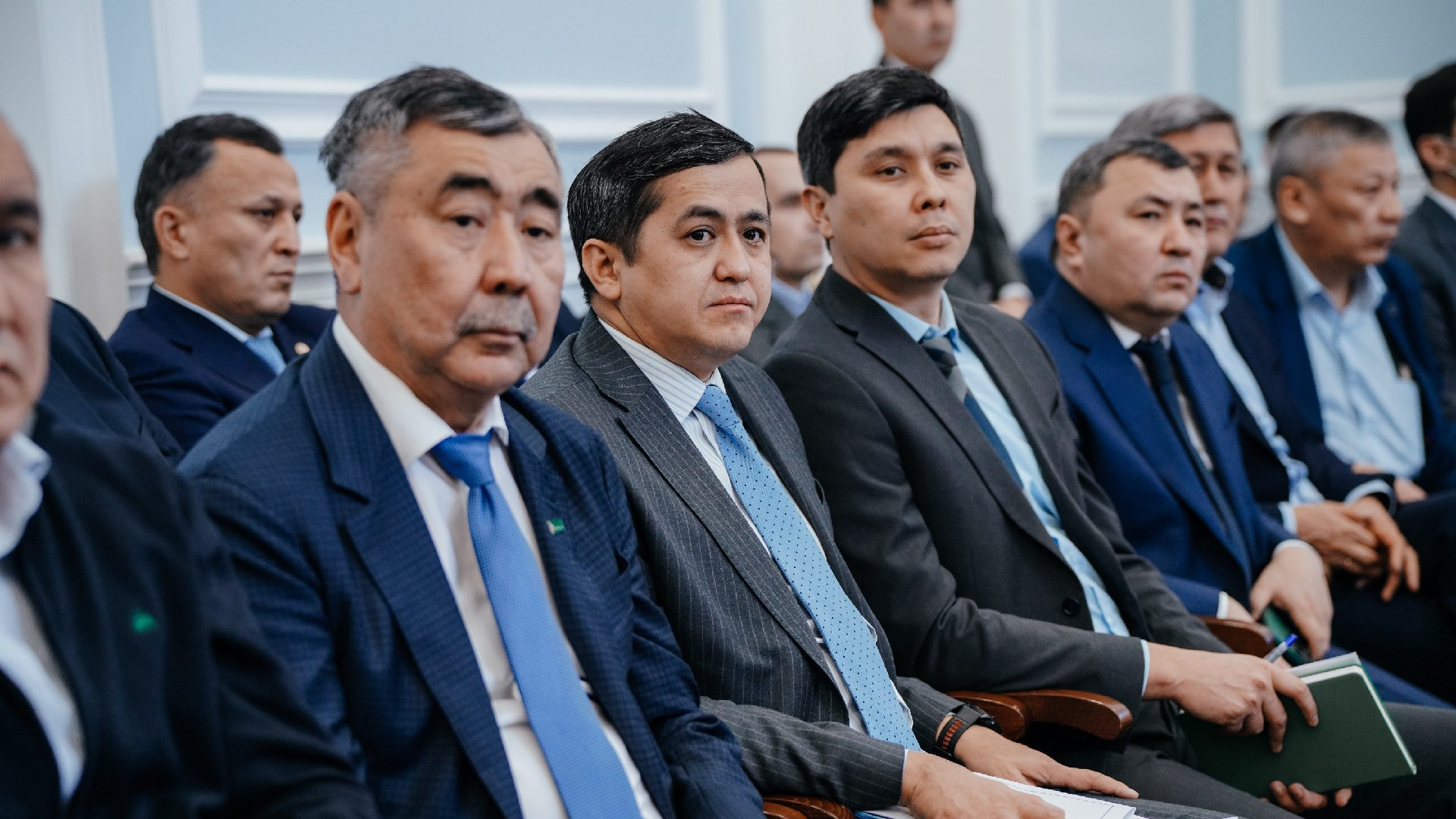
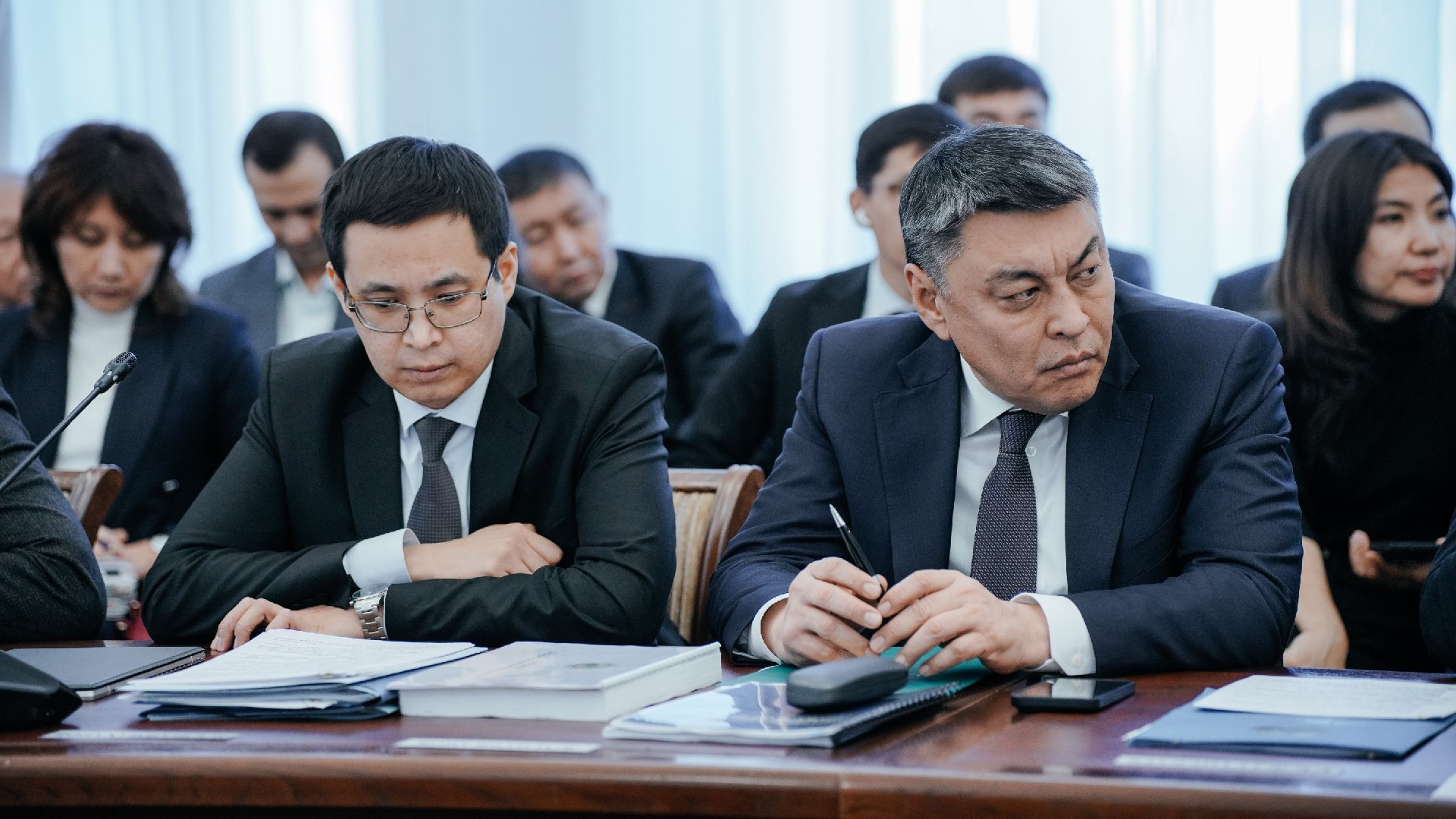
As part of a working visit to West Kazakhstan Region, Deputy Prime Minister – Minister of National Economy Serik Zhumangarin held a meeting with representatives of the regional business community. The discussion covered key provisions of the draft new Constitution, issues related to the implementation of the Tax Code, instruments of proactive economic policy, and practical concerns raised by entrepreneurs.
Draft Constitution: Economic Development, Improved Public Administration, Guarantees of Rights and Freedoms
During the first part of the meeting, the Deputy Prime Minister elaborated on the main directions of the draft new Constitution — economic development, improvement of public administration, guarantees of rights and freedoms of citizens, mechanisms of strategic planning, and ensuring the stability of the state system. It was emphasized that particular focus is placed on economic development.
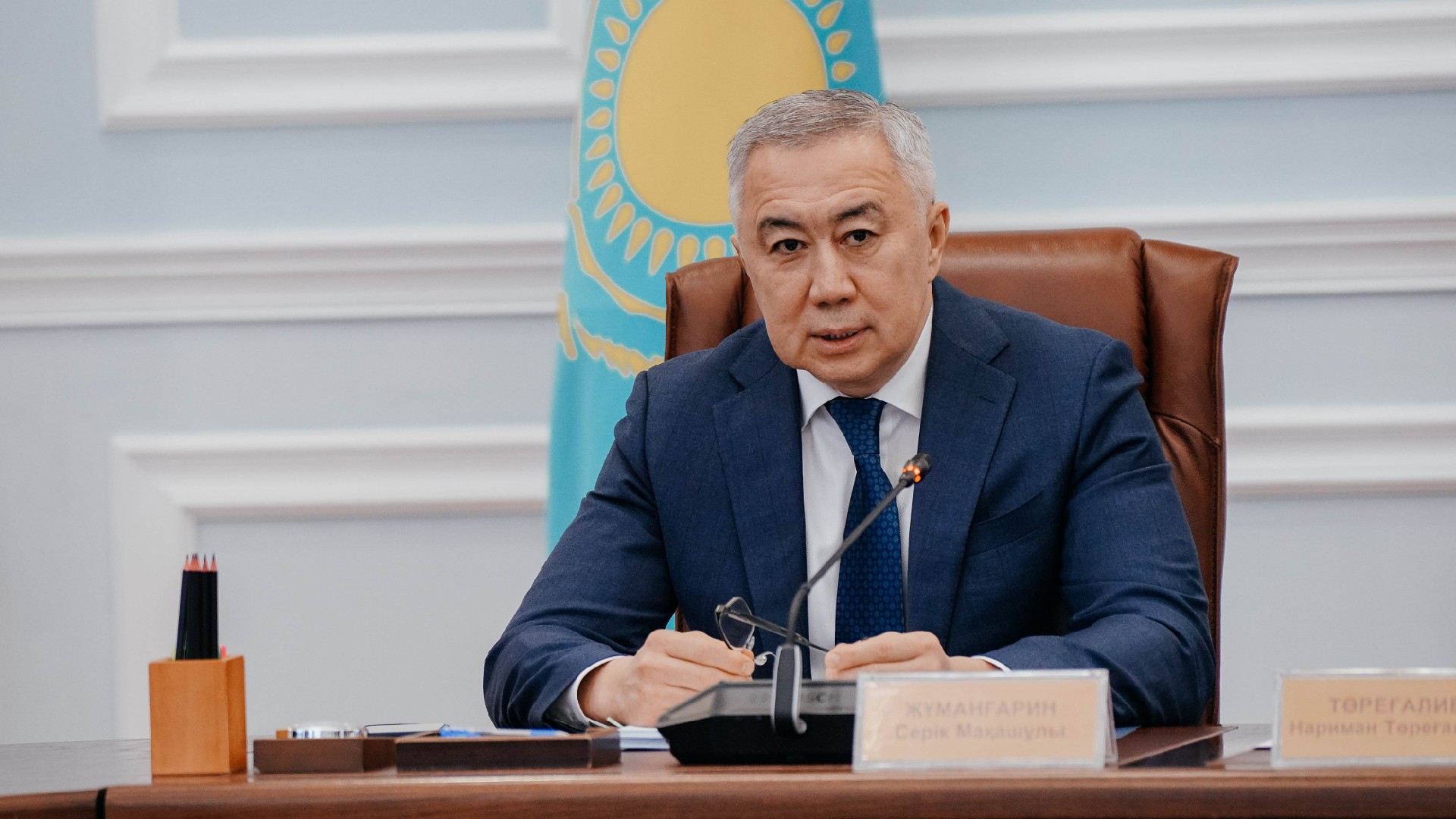
“The draft provides for enshrining the development of education, science, innovation, and human capital as a strategic direction of state activity. This forms the foundation of a knowledge-based economy, where competitiveness is determined by intellect, technology, and professionalism. To stimulate growth, the possibility of establishing special legal regimes is introduced — in the financial sector and in the format of a ‘city of accelerated development.’ Such regimes may include specific features of public administration and judicial functioning, but strictly within the framework of constitutional laws,” Serik Zhumangarin noted.
This provision will make it possible to attract investment, test new regulatory approaches, and create new economic growth points. It guarantees legal predictability, state oversight, the absence of arbitrary decisions, and preservation of the unitary state structure. Such a model has already proven effective in the development of international financial centers and innovation zones.
“It should be noted that the draft new Constitution guarantees equal protection of all forms of property. This is fundamentally important for investors, entrepreneurs, and small and medium-sized businesses. Property is protected, but its use must take into account environmental standards and the rights of others, forming a modern framework of a responsible market,” the Deputy Prime Minister emphasized.
At the highest level, the national currency — the tenge — is enshrined. This strengthens the country’s financial sovereignty. The economic block of the draft Constitution creates a sustainable legal environment — predictable, transparent, and oriented toward long-term development.
Serik Zhumangarin stressed that submitting the draft to a nationwide referendum demonstrates trust in citizens and reaffirms the principle of popular sovereignty. He called on participants to carefully review the draft Constitution and make an informed decision by participating in the referendum.
Tax Code Implementation Project Office and Business Support
Separately, the Deputy Prime Minister informed participants about the work of the Project Office for the implementation of the Tax Code. On its platform, business appeals are reviewed weekly, and clarifications and proposals for adjusting law enforcement practices are developed.
Support instruments through the Baiterek investment holding were also presented. Their objective is to increase production of in-demand goods, reduce import dependence, and deepen domestic processing.
During the meeting, entrepreneurs raised several practical issues. Almagul Khamitova, head of the Zhelaevsky Bread Products Combine, inquired about the possibility of obtaining a preferential loan at 2.5% to expand pasta production. This rate is applied within the program replicating the North Kazakhstan Region’s experience in building dairy farms and implementing projects in irrigation, fruit and vegetable storage facilities, fish farming, and other agricultural areas with high import dependence.
At the same time, Kazakhstan’s flour-milling industry is well developed: 254 enterprises operate in the country with a total capacity of 9.3 million tons of flour per year. Flour production exceeds domestic consumption by almost 2.1 times, and pasta production fully covers domestic demand. Considering the enterprise’s export potential and wide product range (20 types of pasta), Serik Zhumangarin proposed that the combine participate in the Kazakhstan–Afghanistan business forum and exhibition of domestic products planned for this year in Kabul. Baiterek Holding was instructed to review the project’s financial model within the framework of the “Investment Order” program.
Nurlan Nurbayev, representative of Stroykombinat LLP, raised the issue of the requirement to maintain an in-house or contracted emergency rescue service. The norm has been in force since 2014 and applies to large industrial enterprises regardless of activity profile. According to the entrepreneur, the company’s operations do not involve high-risk facilities, yet maintaining such a service or contracting specialized organizations entails significant costs.
ORALMEZ presented a project to build a sunflower oil plant with a processing capacity of 500 tons per day and inquired about preferential financing options. The CEO of the Agrarian Credit Corporation reported that preferential foreign currency lending is possible, provided the project has an export orientation, which implies a different borrowing rate.
Entrepreneurs also raised issues related to contract validity and product acceptance under the new VAT rate, cooperation between large enterprises and suppliers applying special tax regimes, and possibilities for loan refinancing.
The working visit continued with visits to industrial enterprises in the region.



Stay updated about the events of the Prime minister and the Government of Kazakhstan - subscribe to the official Telegram channel
Subscribe