06 May 2026, 16:45
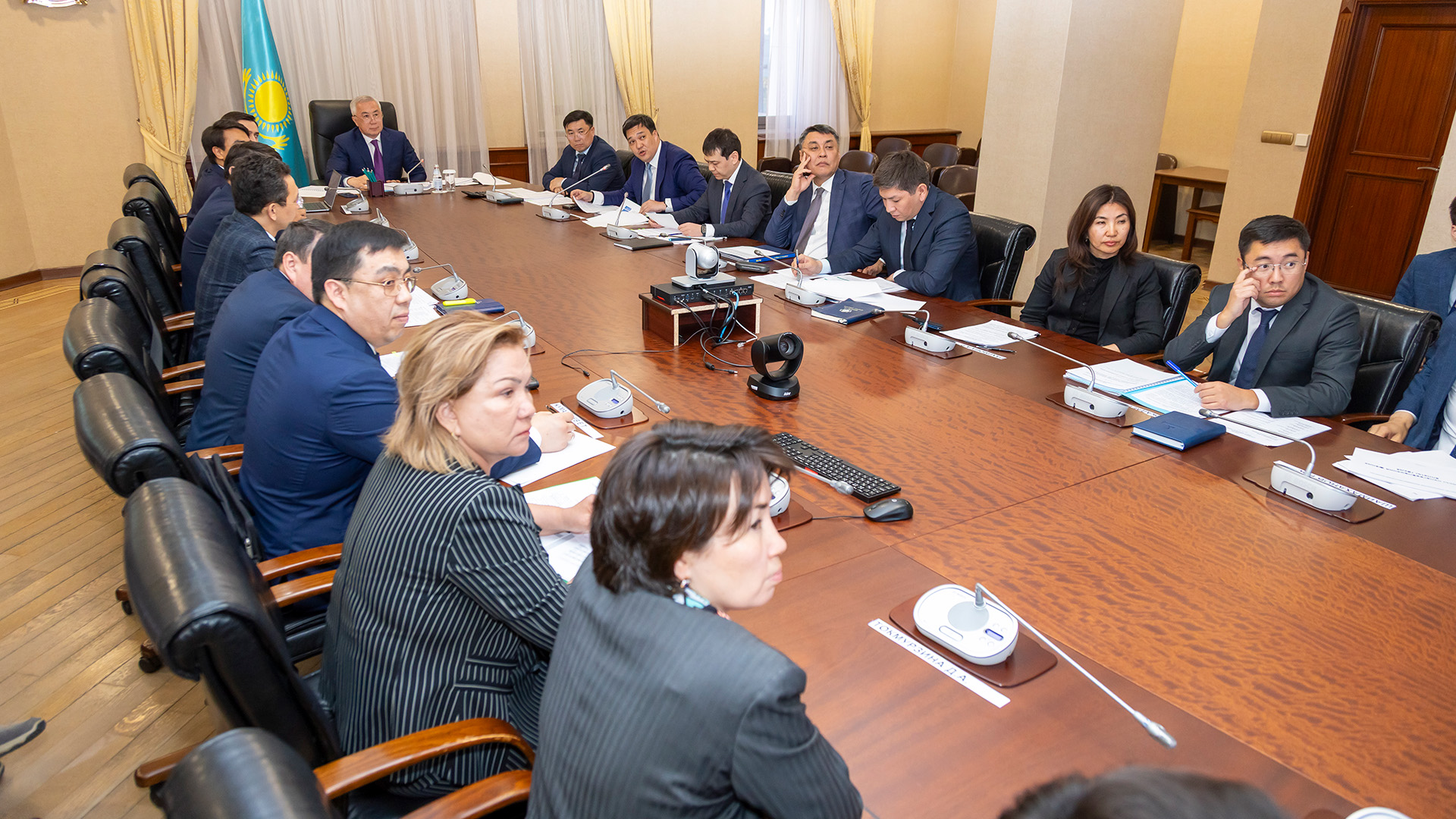 At a meeting of the Project Office for the Implementation of the Tax Code, held under the chairmanship of Deputy Prime Minister – Minister of National Economy Serik Zhumangarin in an expanded format, the operation of new tax information systems, the payment of social contributions for self-employed individuals, and the introduction of a unified payment from the payroll fund were discussed.
The meeting was attended by practicing accountants, representatives of the Alliance of Accountants and Auditors of Kazakhstan, Indrive, private consultants, and experts.
ISNA and ESF: Causes of Failures and Solutions
One of the key topics was the operation of the Tax Administration Information System (ISNA) and the Electronic Invoice System (ESF). Vice Minister of Finance Asset Turysoy reported that over the past 1.5 years, 3.6 million reports have been accepted through ISNA, and 75 integrations with state bodies and second-tier banks have been completed. In the ESF system, 1.6 million users are registered, 1.7 billion electronic invoices have been issued, and 95.8 million accompanying waybills have been processed.
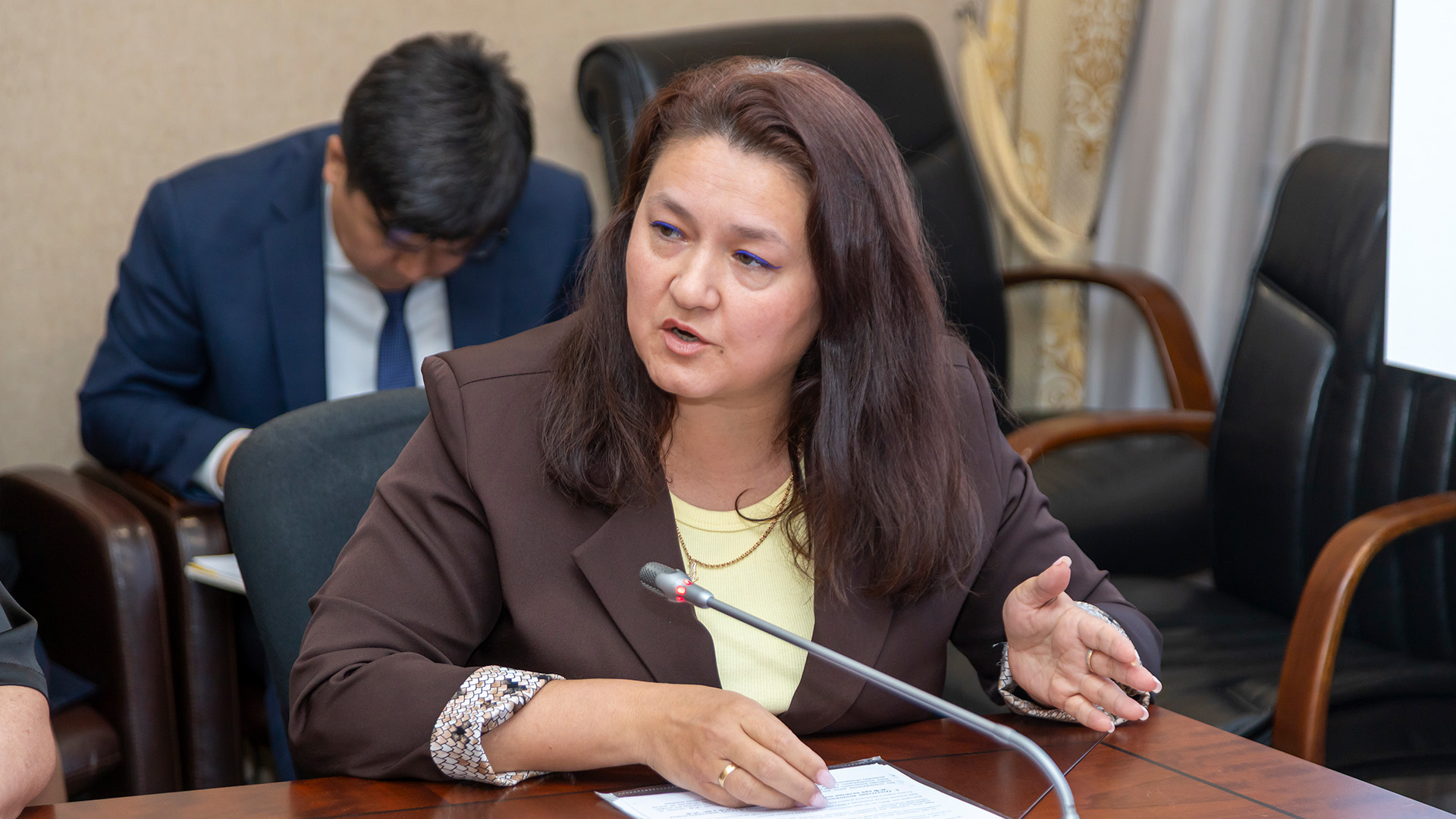
Chief Accountant of Fly Arystan Alexandra Dorokhova highlighted problems with the formation of personal accounts and data display.
Asset Turysoy explained that these issues are related to the duplication of the old and new taxpayer’s personal accounts. This was necessary to continuously synchronize data between the systems, which led to complaints about unstable operation of personal accounts and incorrect data uploads.
According to him, the old taxpayer’s cabinet was temporarily retained at the request of businesses to enable the submission of reports for the previous year. However, in May, the old taxpayer’s cabinet and the Central Taxpayer Account will be fully disabled, which will eliminate a significant portion of technical problems.
The operation of format-logical control (FLC), which was absent in the old systems but is now implemented in all Ministry of Finance systems, was discussed separately. As Asset Turysoy noted, many errors in tax reporting arose precisely due to FLC triggers, while users do not yet fully understand its operating principles.
To resolve emerging issues, it is planned to create a unified technical support center for all Ministry of Finance information systems based on the State Revenue Committee’s call center.
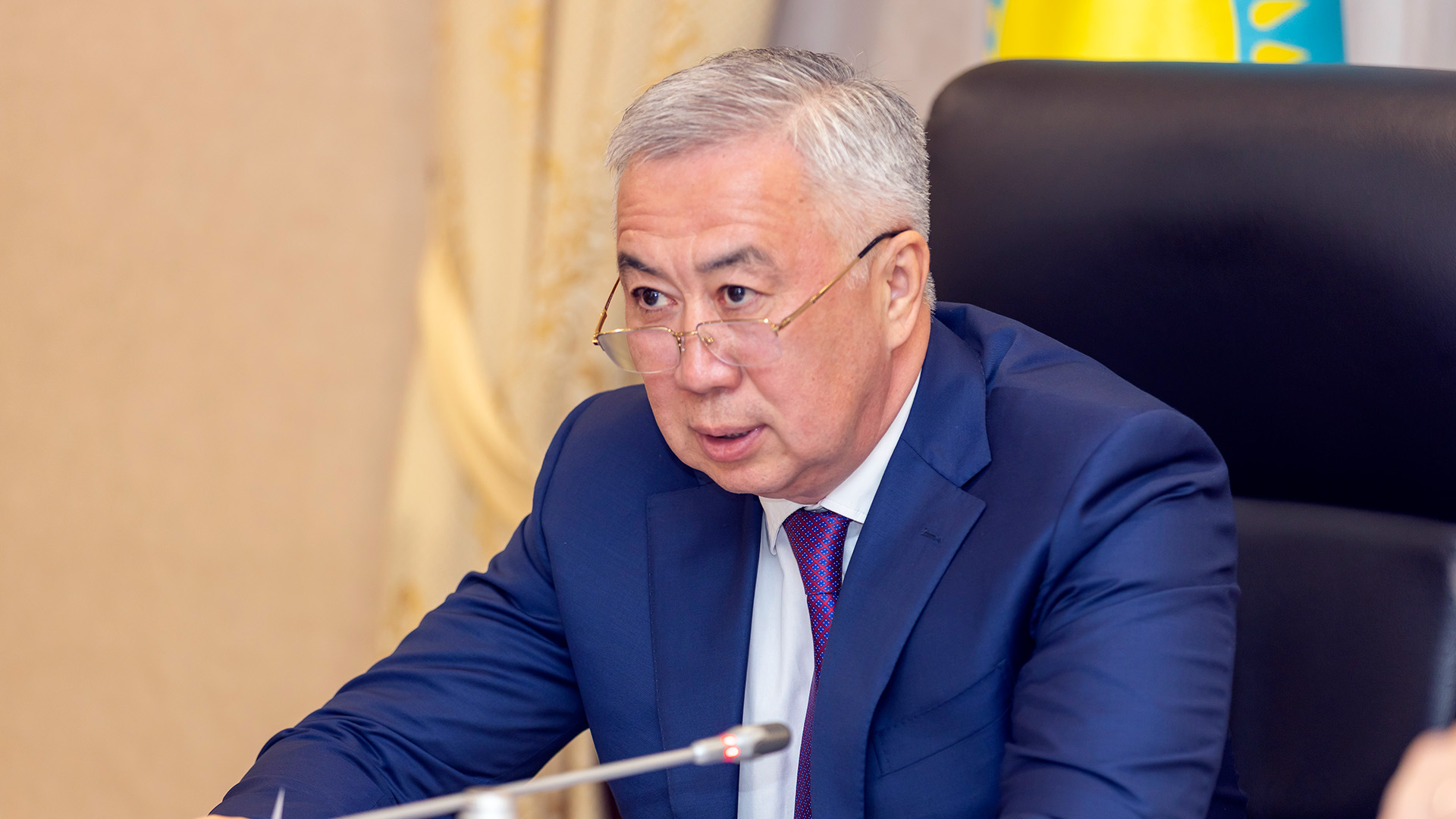
Serik Zhumangarin instructed the Ministry of Finance and the State Revenue Committee to conduct additional training for businesses on working with the new systems and emphasized that taxpayers should not face fines, penalties, or other negative consequences due to technical failures.
Uchet.kz founder Maxim Baryshev voiced several proposals for the further development of digital services. In particular, he suggested providing an API for accounting software developers so that tax reporting can be generated directly by the taxpayer and sent to the State Revenue Committee servers without needing to use the taxpayer’s personal account. This would simplify business operations and reduce the load on service capacities.
He also proposed creating a unified state Data Lake database, which would eliminate the need to resubmit the same data to different state bodies. If information has already been submitted via ESF or tax reporting, it could be automatically used by other government systems, including statistical authorities.
Asset Turysoy informed that a Data Lake has already been formed based on the Smart Data Finance system, and simplification of document submission procedures can be implemented on its basis.
The proposals were accepted for further consideration by the Project Office.
Social Payments for Self-Employed
Indrive representative Dias Asanov reported that since January 1, the online platform has been recognized as a tax agent. Currently, about 180,000 self-employed individuals work through the Indrive platform.
According to him, around 700 million tenge in social payments were transferred through the platform in the first three months alone. However, difficulties arose with self-employed individuals who have preferential status. Due to untimely updating of data on pensioners and other preferential categories, social payments were returned for several thousand people in March alone.
The platform automatically pays social contributions at a rate of 4%, but when reconciling systems between the State Revenue Committee and the Ministry of Labor, citizens exempt from certain types of contributions are identified. As a result, the system records a refund and shows arrears in social payments.
The Indrive representative proposed ensuring automatic display of preferential status at the payment stage to immediately apply the correct rate.
First Deputy Minister of National Economy Azamat Amrin noted that a similar problem affects not only taxi drivers but also other self-employed individuals working through platform employment. The Ministries of National Economy, Finance, and Labor were instructed to work out a solution to the issue.
Indrive also raised the problem of confirming platform income. Currently, this requires signing acts of completed work with each individual, which is practically impossible with large-scale platform employment. Serik Zhumangarin instructed the relevant specialists to jointly develop a mechanism to resolve this.
The issue of accruing penalties to self-employed individuals due to untimely submission of information to the register was also raised. The Deputy Prime Minister instructed the State Revenue Committee to promptly resolve the problem and inform self-employed citizens that there will be no consequences for this penalty accrual.
Unified Payment from the Payroll Fund
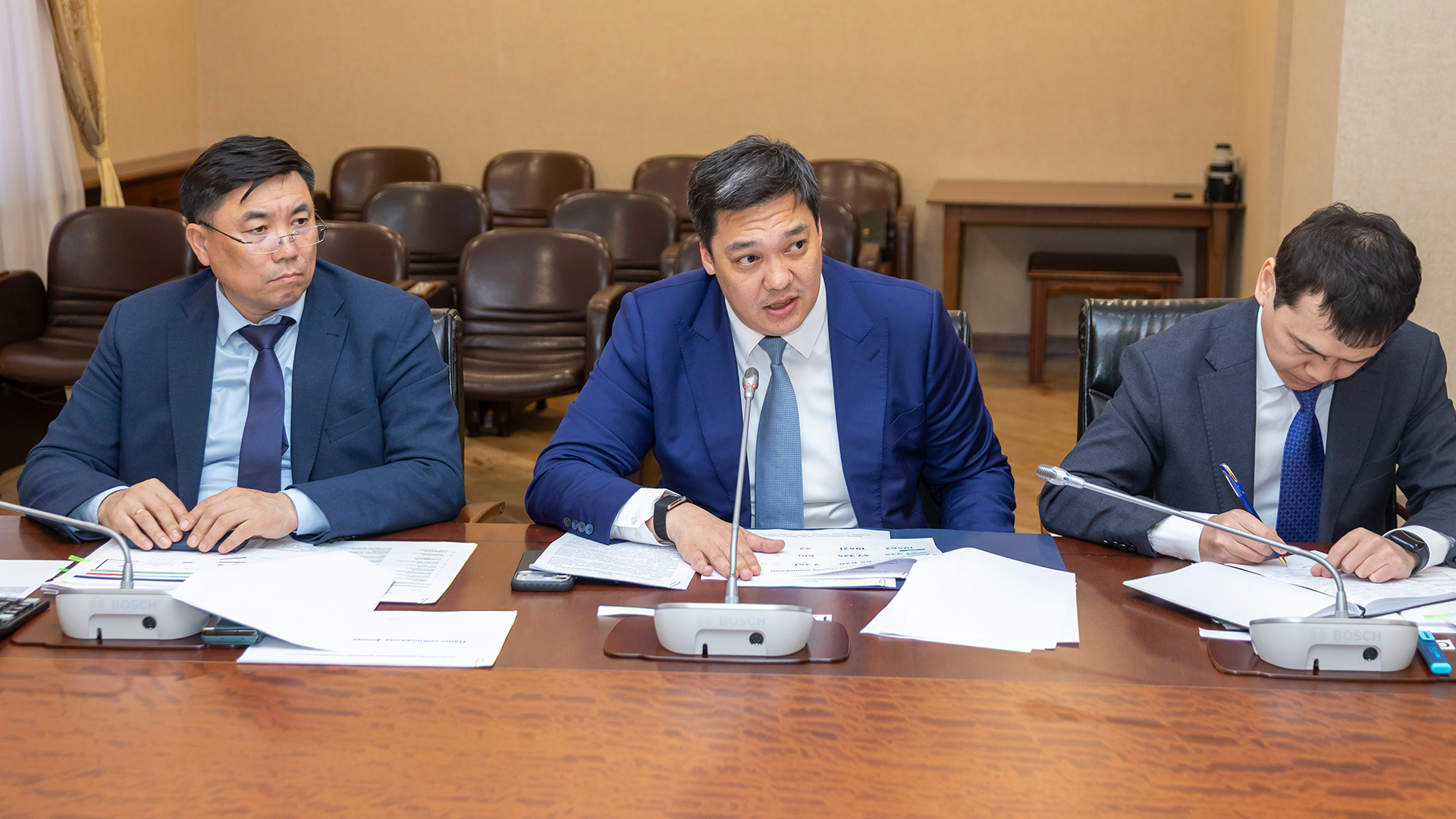
First Vice Minister of National Economy Azamat Amrin presented proposals to the Project Office participants for simplifying the payroll payment system.
Currently, employers make six types of social and pension payments and separately transfer individual income tax and social tax. This results in eight different payment orders.
After working through the issue with the Ministry of Labor and Social Protection of the Population, it is proposed to switch to a unified payment — one payment order instead of eight. The payment will go through second-tier banks and the information systems of the Ministry of Labor, after which it will be automatically distributed among the Unified Accumulative Pension Fund, the State Social Insurance Fund, the Medical Insurance Fund, and the State Revenue Committee.
It is proposed to first implement the initiative in pilot mode, which will allow testing the mechanism, checking the interaction of all systems, and making point adjustments if necessary.
According to Azamat Amrin, the initiative is being implemented in response to numerous proposals from employers and will reduce bureaucratic burden, decrease manual work, and lower bank commissions.
He also emphasized that the overall burden on the payroll fund will not change. At the same time, the actual burden on the employer is not 41%, as often perceived in the information space, but 17.5%, since part of the payments are obligations of the employee himself and are accounted for by the employer as deductions.
It was separately noted that in the 1990s, the total burden on the payroll fund reached 60–70%, but in subsequent years it has been consistently reduced as part of the policy to stimulate employment and support business.
At the same time, according to OECD data, in terms of effective payroll tax burden compared to OECD countries, Kazakhstan is below the average: 32.7% (OECD average — 35.1%).
Serik Zhumangarin emphasized that digitalization inevitably involves technical system adjustments, but businesses should not bear costs due to these processes. According to him, a more constructive format of interaction is already being formed between tax authorities and business, focused on the prompt resolution of emerging issues.






Stay updated about the events of the Prime minister and the Government of Kazakhstan - subscribe to the official Telegram channel
Subscribe