21 August 2026, 08:00
 In fulfillment of the instructions of the Head of State Kassym-Jomart Tokayev on digitalization and the introduction of artificial intelligence technologies in all spheres of public life and the country’s economy, the Government is carrying out systemic work. The Ministry of Healthcare, in the area of digital transformation, is implementing solutions aimed at increasing the accessibility and quality of medical care, reducing the administrative burden on medical workers, and improving the efficiency of industry management, which corresponds to the objectives of the Digital Qazaqstan strategy and the priorities of the Year of Digitalization and AI announced by the President.
Ministry of Healthcare: Over the Year, the Administrative Burden on Medical Workers Decreased by 30-40%
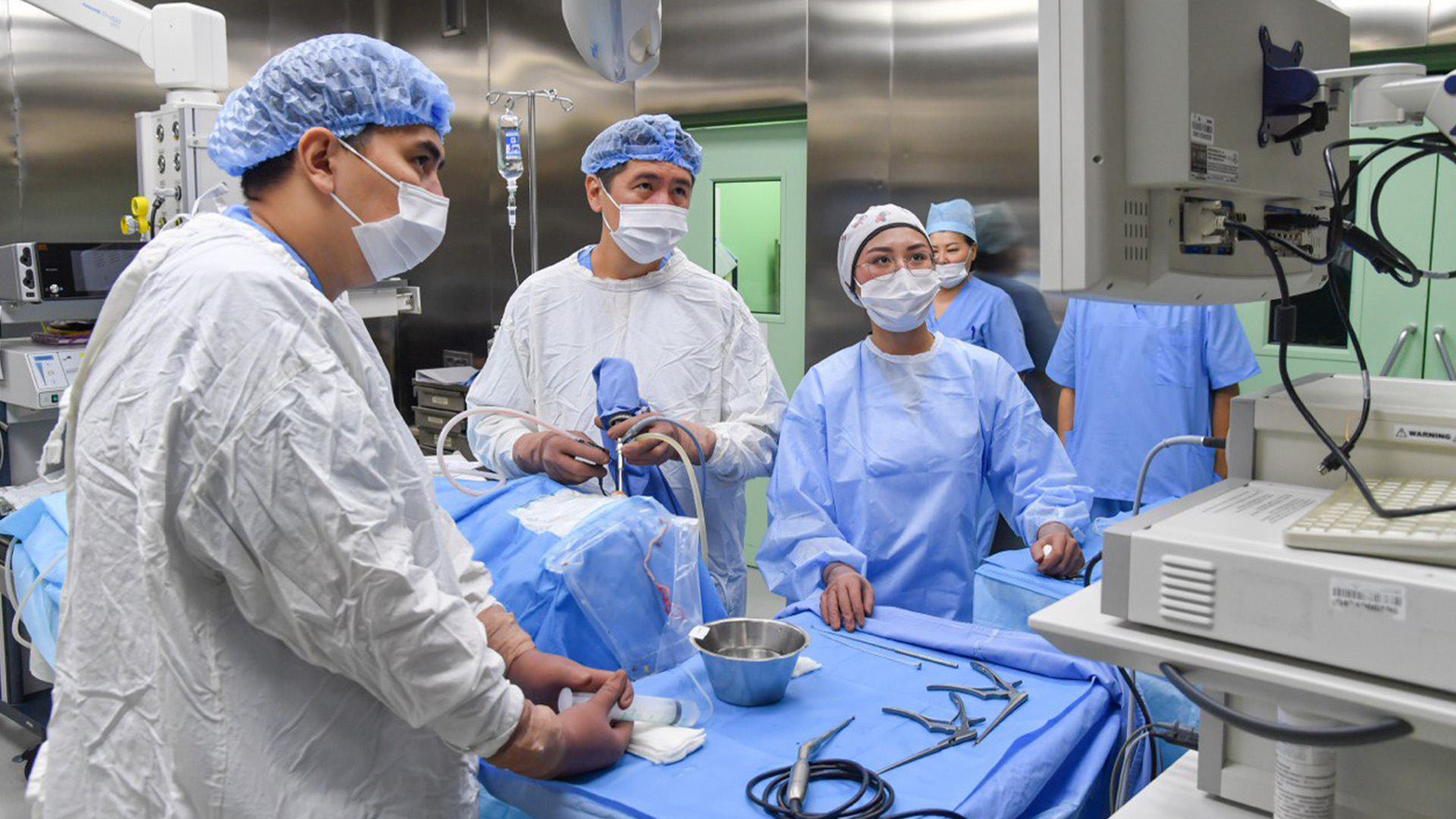 One of the key results has been the introduction of a digital platform for managing healthcare resources, which consolidates information on medical organizations, human resources, medical equipment, and infrastructure.
Today, the digital contour consolidates data on more than 21.3 thousand medical organizations, 275 thousand medical workers, and over 141 thousand units of medical equipment. Integration of the platform with state registers, human resources, and accounting systems has made it possible to significantly reduce manual data entry. According to the Ministry of Healthcare, due to the measures taken, starting from the second half of 2025 the administrative burden on medical workers has decreased by 30-40%.
In effect, a unified digital passport is formed for each medical organization. It contains information on licenses, staff composition, structural subdivisions, buildings, beds, medical equipment, and other resources. Integration with state databases, electronic licensing systems, education systems, and labor relations accounting systems makes it possible to keep the data up to date, increases their reliability, and eliminates the need for their repeated submission.
Digital post-licensing monitoring is also being developed on the basis of the platform. Control is gradually being transferred from a predominantly on-site format to a preventive model: potential risks are identified automatically on the basis of data on licenses, specialists’ qualifications, staffing levels, and the availability of the necessary medical equipment.
Within the framework of pilot projects, medical organizations that do not meet certain licensing requirements have already been identified. Automated verification of qualification documents, in turn, has made it possible to significantly reduce the number of specialists with expired certificates.
Thus, for the first time, the possibility is being created to assess the state of healthcare resources nationwide in a single digital space and to make decisions on personnel, infrastructure, and equipment on the basis of up-to-date and objective data.
Digital Services Have Become an Everyday Tool for Citizens: 88% of Public Services Provided in Electronic Format
Citizens directly feel the significant effect of digitalization. In 2025, more than 215 million public services were provided in the healthcare system, of which 190.8 million, or 88%, were provided in electronic format.
Twelve types of medical certificates have been digitized, with five of them issued exclusively in electronic format. In 2025, more than 8.5 million electronic medical certificates were issued to citizens, which is 2.2 times higher than the previous year’s figure.
Online appointment booking with a doctor was used by 5.6 million citizens over the year, which makes it possible to receive the service without an additional visit to the reception desk.
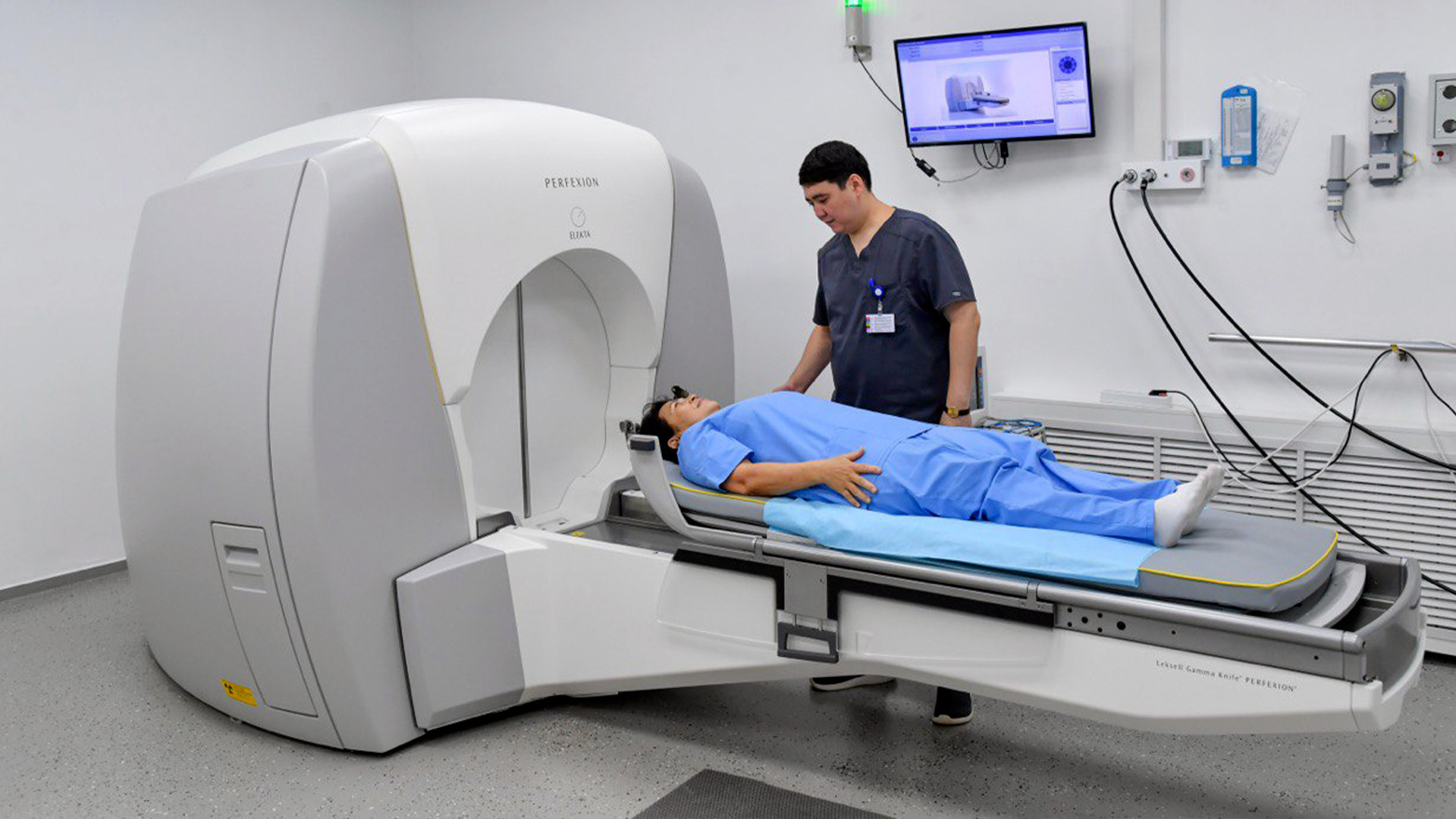
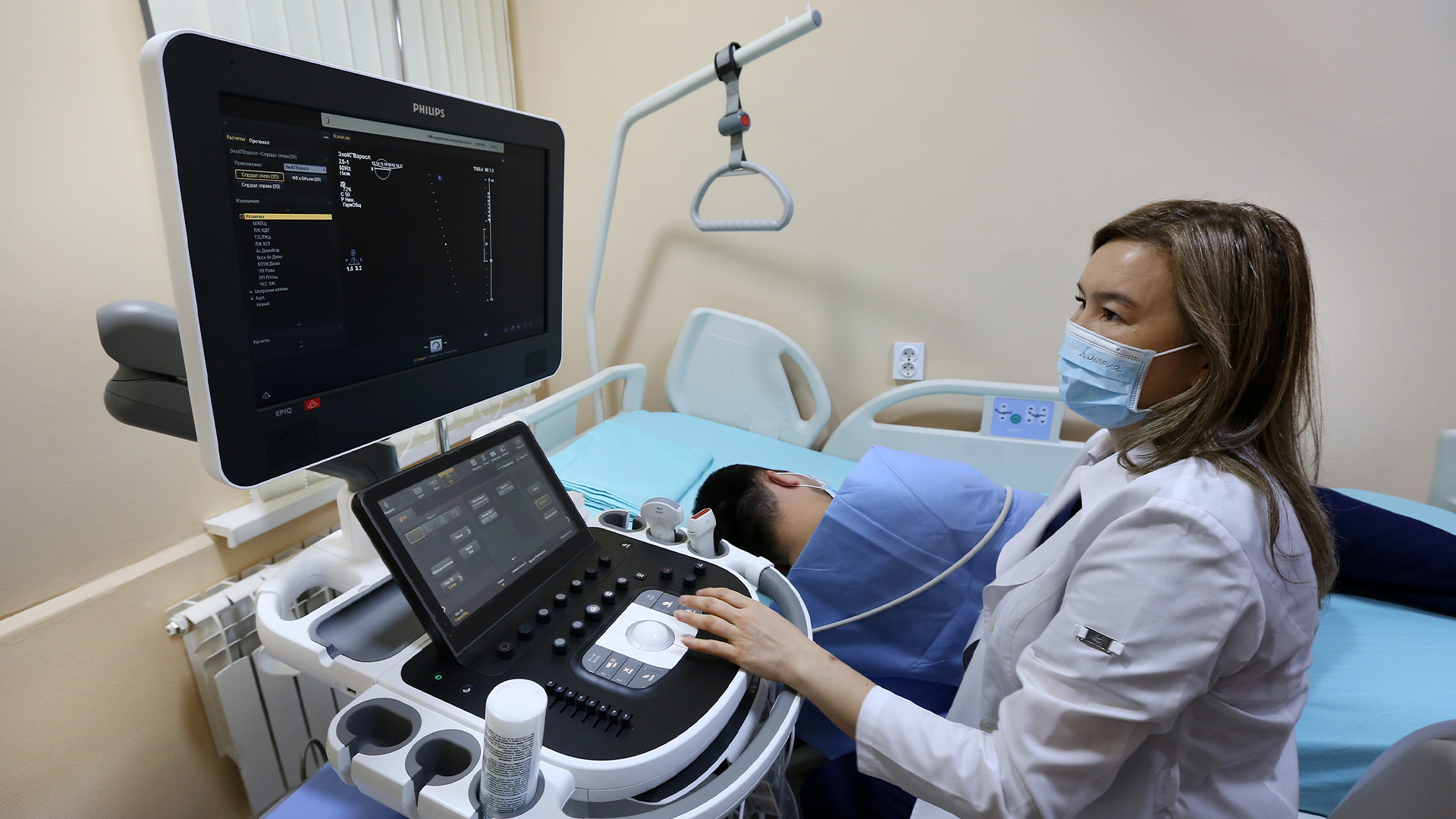
Digital solutions are also being applied to improve patient routing. In particular, the introduction of digital queue management mechanisms has made it possible to reduce the waiting time for certain high-demand diagnostic examinations: for PET/CT – from three months to two weeks.
In the future, this approach will be expanded through the introduction of a unified doctors’ appointment schedule based on the principle of online booking, under which a citizen will be able to see available time slots and choose the nearest convenient appointment time.
7 Million Children and 4.3 Million Women Covered by Digital Health Monitoring
The next qualitative stage has been the digitalization not only of the fact of providing a medical service, but also of the process of monitoring citizens’ health status. At present, approximately 7 million children and 4.3 million women are already covered by digital monitoring, with analysis carried out on 80 critical indicators. The pregnant woman’s exchange card has been converted to digital format and is available via eGov Mobile.
In parallel, a new format of dynamic patient observation is being developed. Approximately 3.6 million people are already in the digital contour. The “Digital Observation Card” gives the doctor the ability to see information on hospitalizations, prescriptions, and medications of the patient regardless of the region in which he or she receives medical care. A separate block of digital monitoring makes it possible to track the completion of prevention, screenings, and preconception preparation.
Thus, the system controls not only the fact of providing a medical service, but also the patient’s completion of the necessary stages of observation.
As a result, digitalization is gradually changing the very approach to prevention: from responding to already arisen problems, the system is moving to their prevention and risk management. This makes it possible to earlier identify women, pregnant women, and children in need of additional medical observation and to take the necessary measures in a timely manner.
More Than 21 Thousand Units of Illegally Sold Medicines Identified Thanks to Digital Marking
A substantial transformation has been carried out in the sphere of outpatient pharmaceutical provision. Digital tools make it possible not only to more accurately plan the need for medicines, but also to track their movement from the manufacturer to the patient, increasing market transparency and reducing the risks of illegal circulation of medicines.
Personalized planning of the need for medicines has been introduced. The calculation is carried out on the basis of the actual need of specific patients, and not only on the basis of averaged standards. The new model already covers approximately 2.1 million patients and 692 medical organizations.
An important digitalization tool has become the digital marking of medicines and the fight against counterfeiting. Marking codes make it possible to track stocks and the movement of medicines online, control their path, identify anomalies, and prevent improper write-offs. In 2025 alone, more than 21 thousand units of illegally sold medicinal products were identified through the marking system.
In addition, the digital service “Social Wallet” is being developed, which ensures the digital provision of medicines under prescriptions. Over the past year, more than 13.8 million digital prescriptions were issued through the service.
Digitalization has also covered the regulatory procedures of the pharmaceutical market. Since September 2025, the registration of medicines and medical devices has been carried out on the “single window” principle. As of 4 August 2026, 63 contracts have been concluded within the framework of accelerated examination of medicines, and 20 applications have been received. In parallel, the registration of manufacturers’ prices is carried out in digital format.
The composite service has made it possible to significantly reduce the registration periods for medicines and medical devices: from the standard periods, which could reach two years, to 100 working days. Under the accelerated procedure, registration may take 15 working days.
In addition, the possibility is provided for recognition of the registration of medicines already approved by the regulatory authorities of the United States, the United Kingdom, the European Union countries, Switzerland, Canada, Japan, Australia, the Republic of Korea, Saudi Arabia, and Singapore. This makes it possible not to conduct a repeated full assessment procedure of the medicine in Kazakhstan if it has already passed the necessary regulatory procedures in these countries.
As a result, digital solutions cover the entire life cycle of pharmaceutical provision, starting from the calculation of need and control of the movement of medicines and ending with their registration and dispensing to the patient. This makes the system more transparent, shortens the periods of regulatory procedures, and strengthens control over the legality of the circulation of medicines.
Digitalization of the Sanitary and Epidemiological Service: The Volume of Manual Reporting Processing Decreased by 23.8%
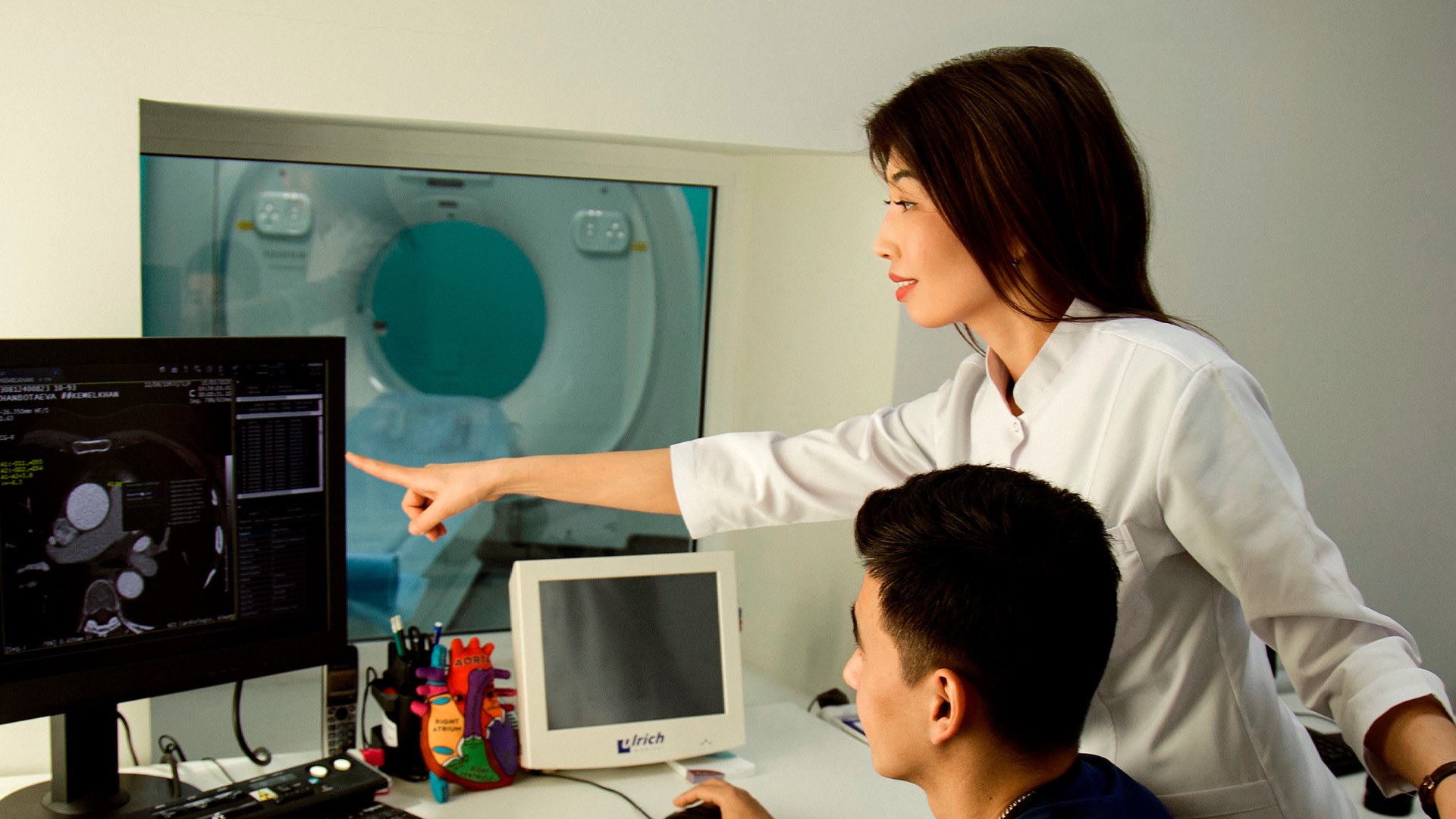 In 2026, the transition of key processes of the sanitary and epidemiological service to a unified digital ecosystem was completed. The information system consolidates state control, information on controlled objects, medical examinations, laboratory tests, and vaccination.
Today, the digital system contains information on approximately 202 thousand objects of state control. About 198 thousand users are registered, of which approximately 114 thousand represent business and medical organizations.
Digitalization has made it possible to substantially change the organization of work processes and increase the efficiency of operational management. According to the results of the first half of 2026, the volume of reporting generated in digital format increased by 47.7%, which made it possible to reduce manual document processing by 23.8%. At the same time, the preparation of recommendations for business entities, which previously took up to two days, now takes about 15 minutes.
The system automatically identifies objects with an elevated level of risk, the absence of the necessary permitting documents, violations of the deadlines for mandatory medical examinations, and other deviations. At the same time, interaction of entrepreneurs with the sanitary and epidemiological service is transferred to a personal account, which reduces the need for direct contact of business with a state inspector.
The electronic personal medical booklet is also available to citizens in digital format. Employers and sanitary and epidemiological control bodies receive the opportunity to promptly check the relevance of medical examinations without requesting paper documents.
As a result, state sanitary and epidemiological control is becoming more operational and preventive: digital tools make it possible to more quickly identify risks, reduce manual work, and transfer interaction between the state and business into a convenient electronic format.
Digital Control Helped Prevent Unjustified Medical Services Worth 10.6 Billion Tenge
Digital transformation of healthcare is used not only to increase the accessibility and convenience of medical care, but also to control the effective spending of state funds and the funds of the compulsory social medical insurance system (OSMS).
Digital identification of patients has been introduced in 1,950 medical organizations; almost 73% of appointments are carried out using Face ID and electronic documents. According to the Ministry of Healthcare, the application of these mechanisms made it possible in 2025 to prevent the unjustified provision of medical services in the amount of approximately 10.6 billion tenge.
The launch of the Unified System for Payment of Medical Care ensures automated control of medical services submitted for payment, identification of discrepancies, and increased transparency of financial flows.
Thus, digital control is gradually being built into the process of providing and paying for medical care, making it possible to move from subsequent identification of violations to their prevention. At the same time, digital tools make it possible to control not only already provided services, but also the very process of their confirmation and payment. This makes it possible to earlier identify dubious operations, prevent unjustified expenses, and direct funds to actually provided medical care.
More Than 1.9 Thousand Medical Organizations Are Planned to Be United in a Single State Medical System
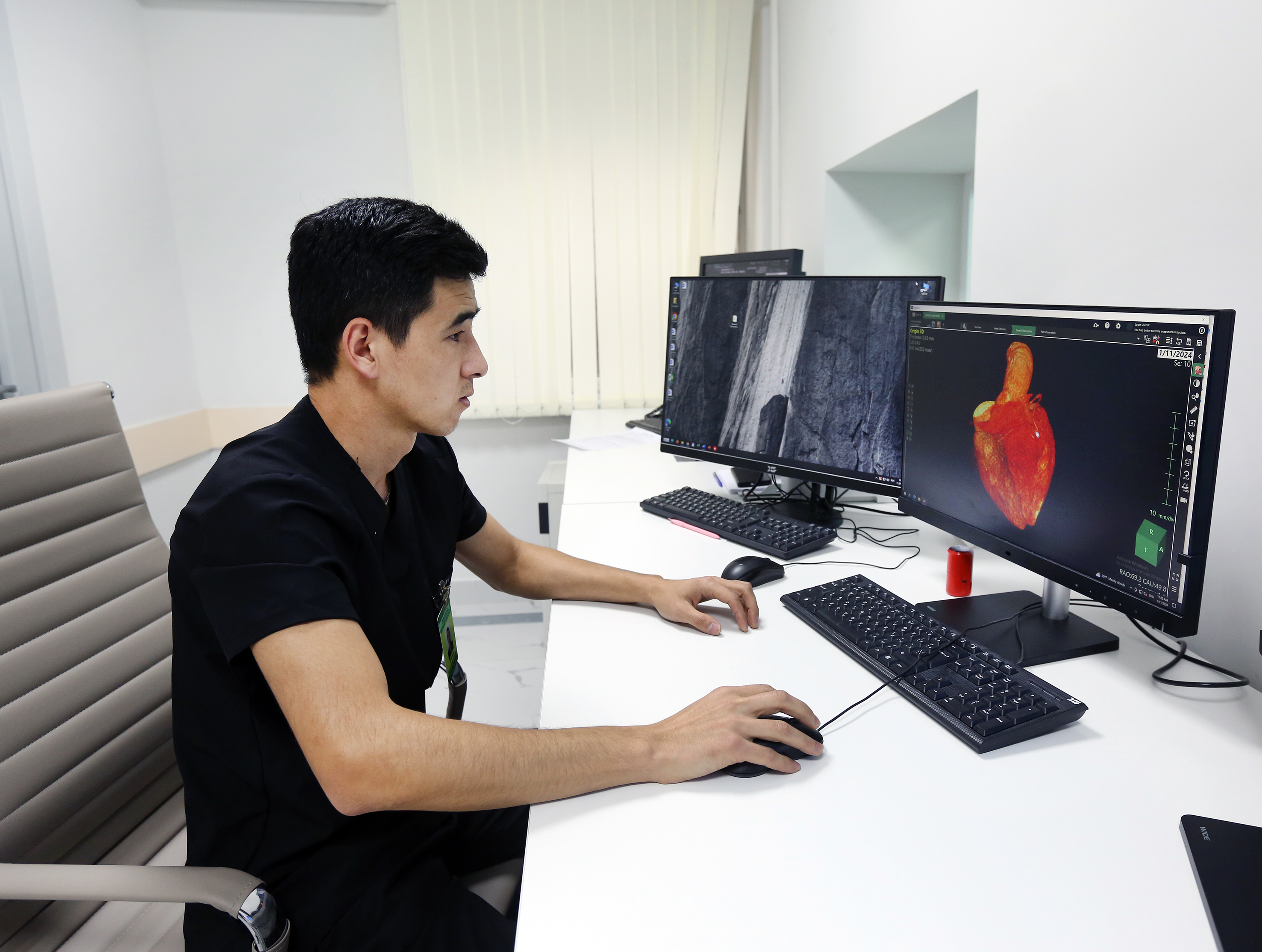 The created infrastructure is the basis for the next stage – the transition to the Unified State Medical Information System (EGMIS). EGMIS will become a state digital platform uniting existing information systems, medical data, and key healthcare processes. It is planned to connect more than 1.9 thousand medical organizations to this system, create a unified working interface for medical workers, and introduce an AI assistant.
For doctors, such an approach will make it possible to work with the necessary medical information and services in a single working space, reduce transitions between various information systems, and eliminate repeated data entry.
For citizens, digital development provides for the further expansion of the capabilities of the Densaulyk portal and mobile services. Through them, it is planned to ensure access to the main medical services and information: appointments with a doctor, medical documents, prescriptions, and information on health status.
As a result, the digital transformation of healthcare is moving from the automation of individual processes to industry management based on data. Digital solutions have already been formed for the management of medical organizations, human resources, and medical equipment, the provision of medical services, digital monitoring of the population’s health, pharmaceutical provision, sanitary and epidemiological control, identification of citizens, and automation of settlements.
The next step will be the unification of these solutions into an end-to-end digital model of healthcare, in which data accompany the patient at all main stages — from prevention and seeking medical care to diagnostics and treatment, pharmaceutical provision, financing, quality control, and industry resource management.
Ultimately, this will make it possible to reduce the number of disparate information systems and duplicative operations, reduce the administrative burden on medical workers, and increase the efficiency of industry management. For citizens, the result should be more convenient and seamless receipt of medical services regardless of where and in which organization they seek help.



Stay updated about the events of the Prime minister and the Government of Kazakhstan - subscribe to the official Telegram channel
Subscribe