16 March 2026, 12:25
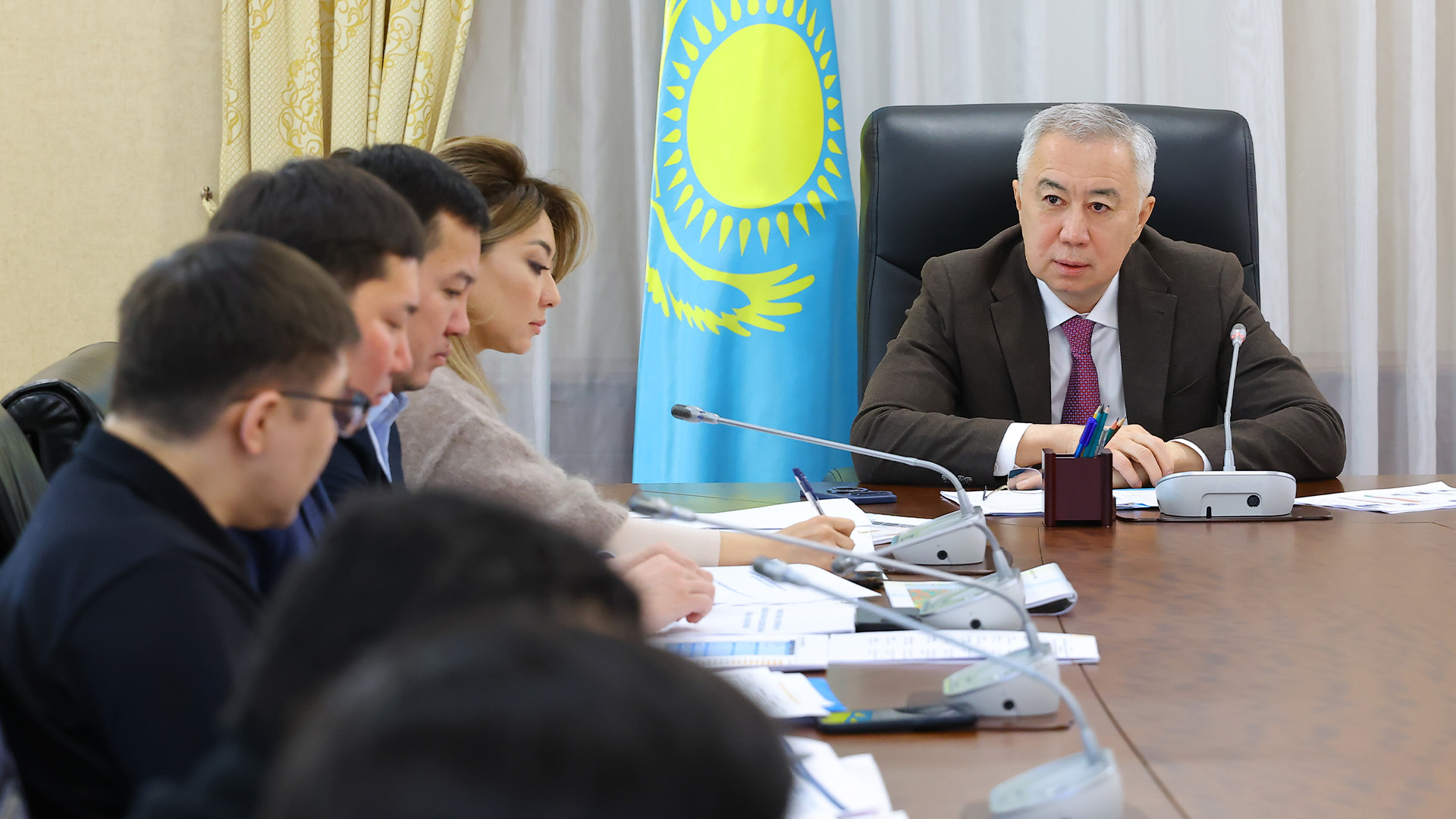 Under the chairmanship of Deputy Prime Minister – Minister of National Economy Serik Zhumangarin, a meeting on inflation stabilization was held, during which the results of state control over the sale of socially significant food products were reviewed.
As noted by First Deputy Minister of Trade and Integration Aizhan Bizhanova, since the beginning of the year, an analysis of more than 2,000 electronic invoices has revealed 631 violations of legislation regarding the application of trade markups on socially significant food products. In February alone, over 760 risks were identified through electronic invoices (ESF).
“We are now using AI to analyze not only cases of excessive trade markups, but also the number of trade transactions involving socially significant food products. For example, if several transactions with the same product occur in one day, there is a high probability that they are of a fictitious nature. In the first half of March alone, we identified and referred 56 administrative cases against unproductive intermediaries to the relevant government agencies,” Aizhan Bizhanova said.
Overall, since the beginning of March, the average index of price growth for socially significant food products has stood at 0.2%. This is lower than the figure for the same period last year (0.5%).
To stabilize prices for dairy products, the Ministry of Trade and Integration, together with the Committee for Regulation of Natural Monopolies, the Food Corporation, the Ministry of Agriculture, and KTZ, is working on a set of support measures for the industry. To curb the seasonal rise in vegetable prices, a “green corridor” for the import of early harvest is in place, and the possibility of duty-free imports is also being considered.
More than 200 thematic fairs are planned across the country for the Nauryz holiday. In addition, the Nauryz Sale campaign is underway from March 13 to 23 in shopping centers and malls.
Separately, the situation with food inflation in the Almaty Region was reviewed. The region ranks fourth among all regions in terms of price growth. Food inflation here stands at 11.7% (+1.5% over the month). The highest price increases since the beginning of the year have been recorded for carrots (41.1%), potatoes (14.6%), tomatoes (13%), fish (12.6%), cabbage (9.7%), and a number of other food products. Overall, price growth is observed across 21 product categories, of which 18 are above the national average.
The Deputy Prime Minister heard a report from the Deputy Akim of the Almaty Region on the measures being taken to stabilize prices and proposals for their restraint. He emphasized that stabilizing food inflation is primarily the responsibility of the regions, which must closely interact with local producers and suppliers to promptly resolve problematic issues and ensure stable prices for the population.





Stay updated about the events of the Prime minister and the Government of Kazakhstan - subscribe to the official Telegram channel
Subscribe