09 April 2026, 19:55
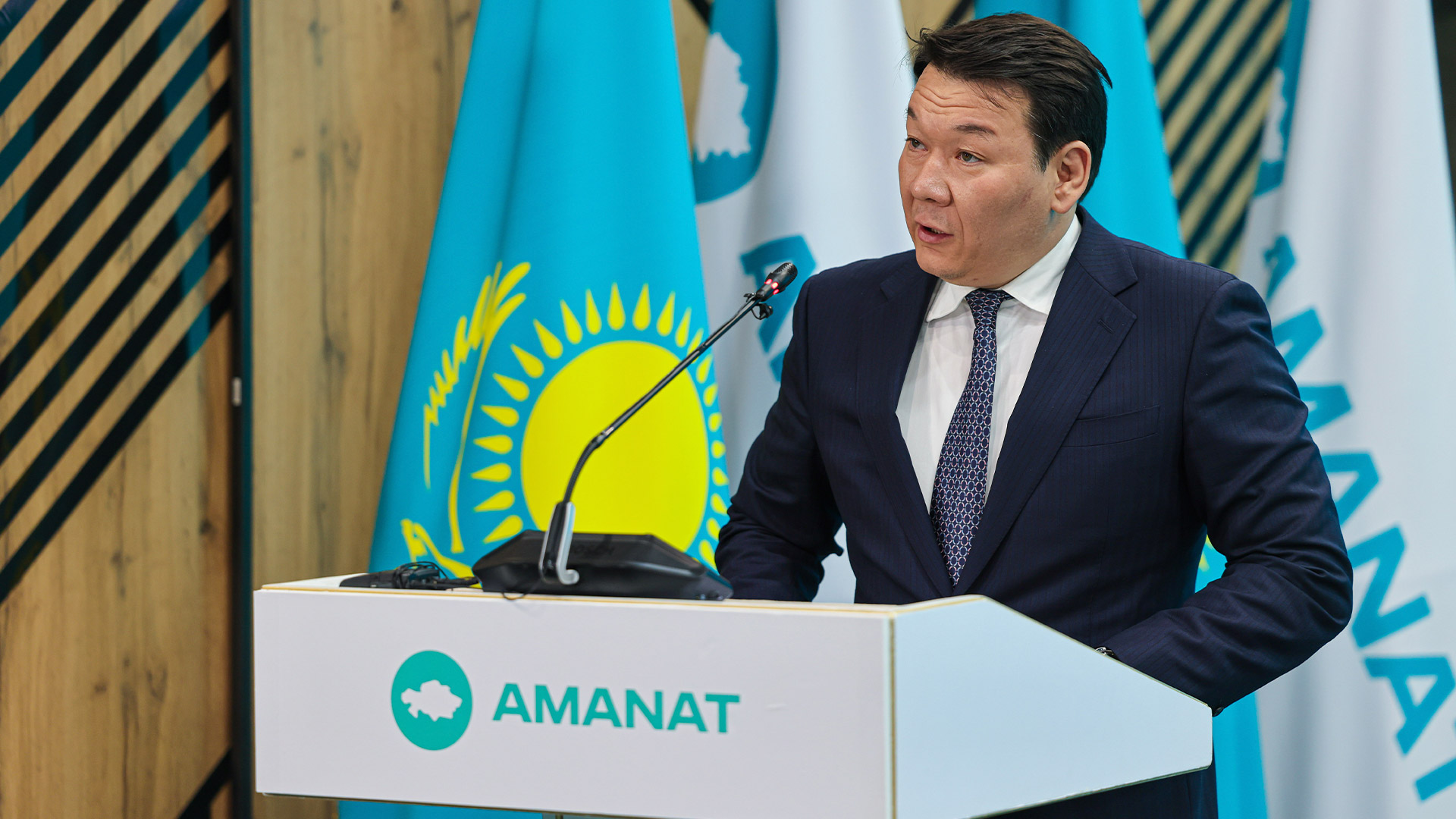
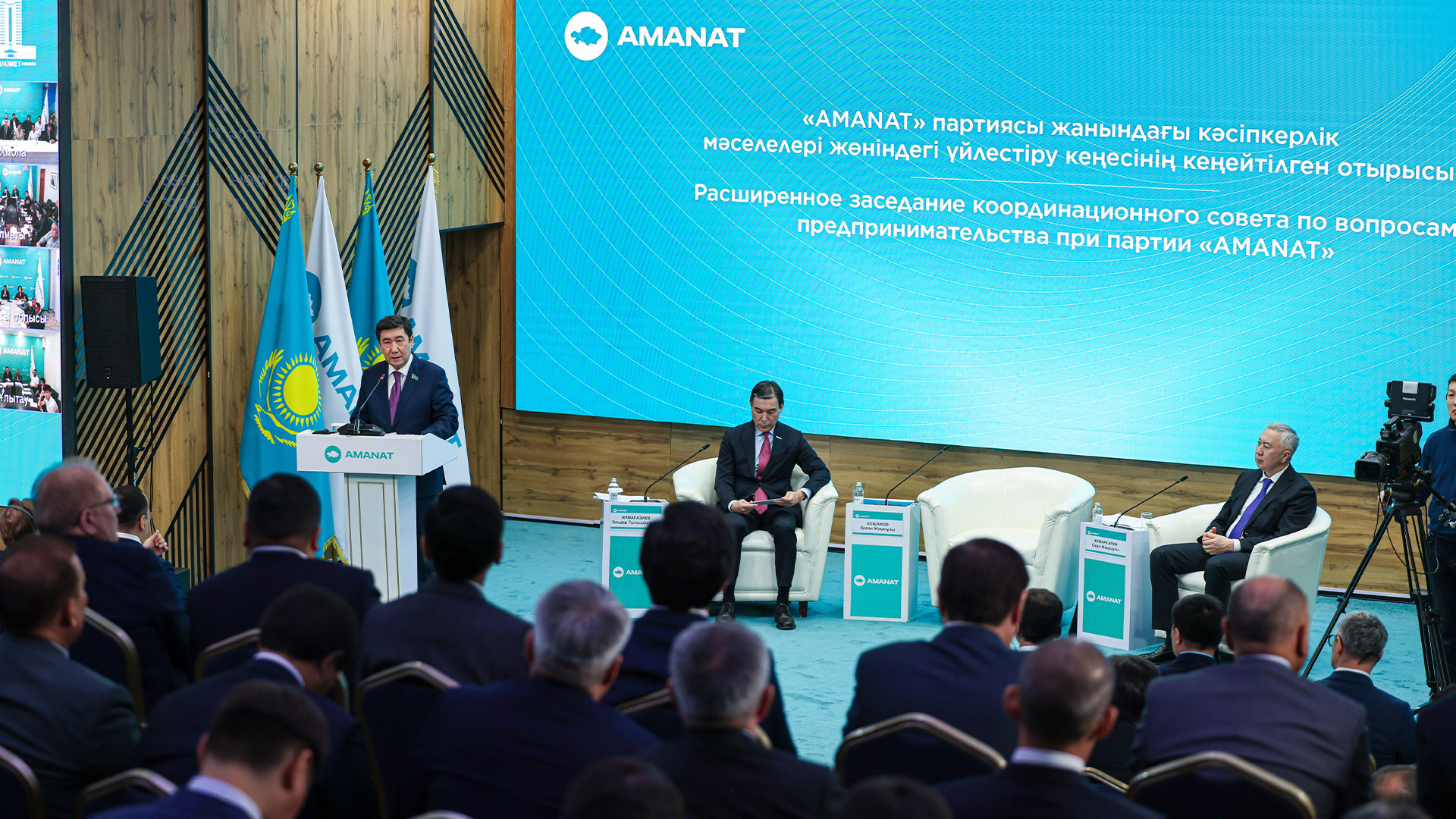
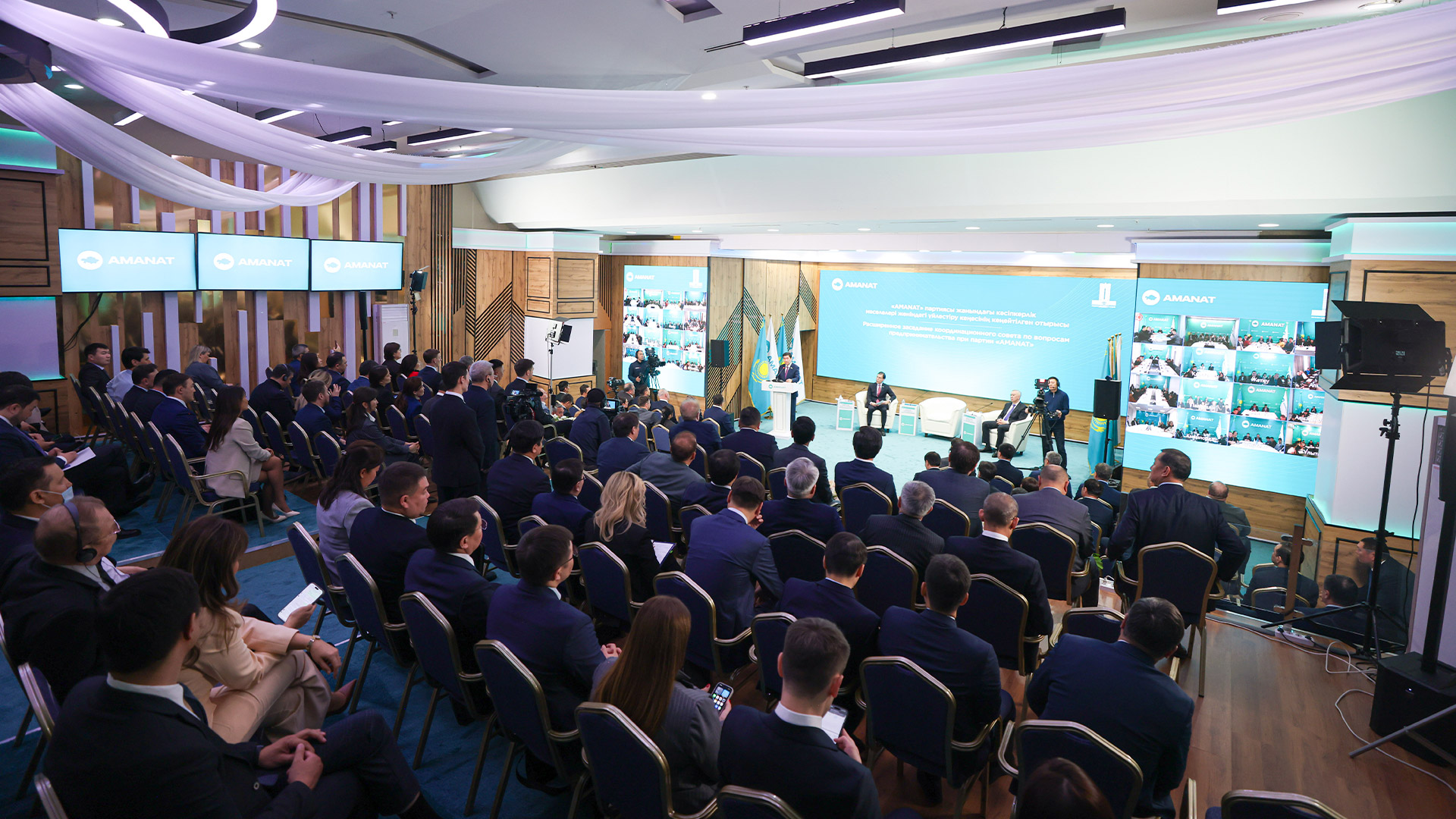
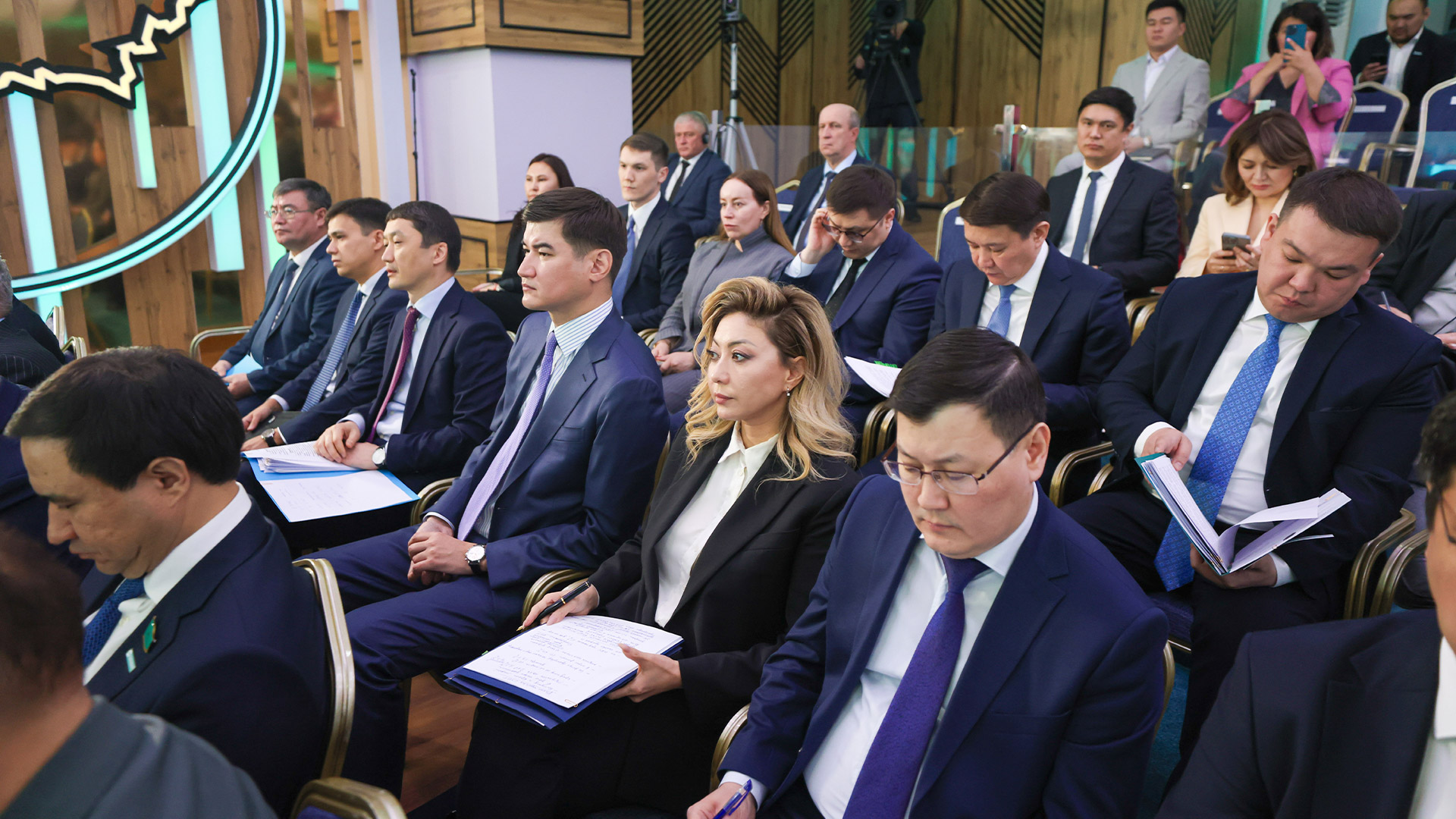
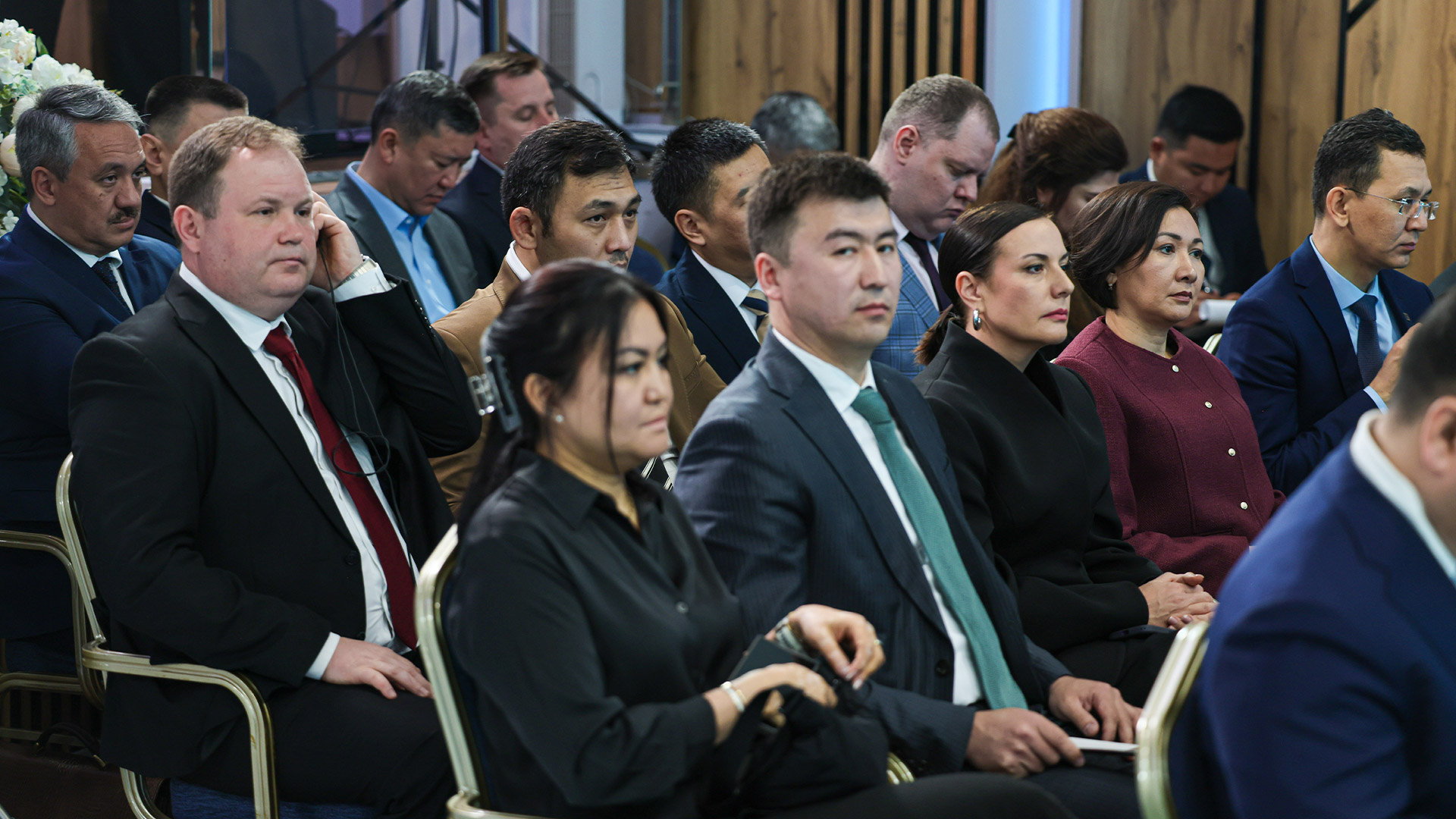
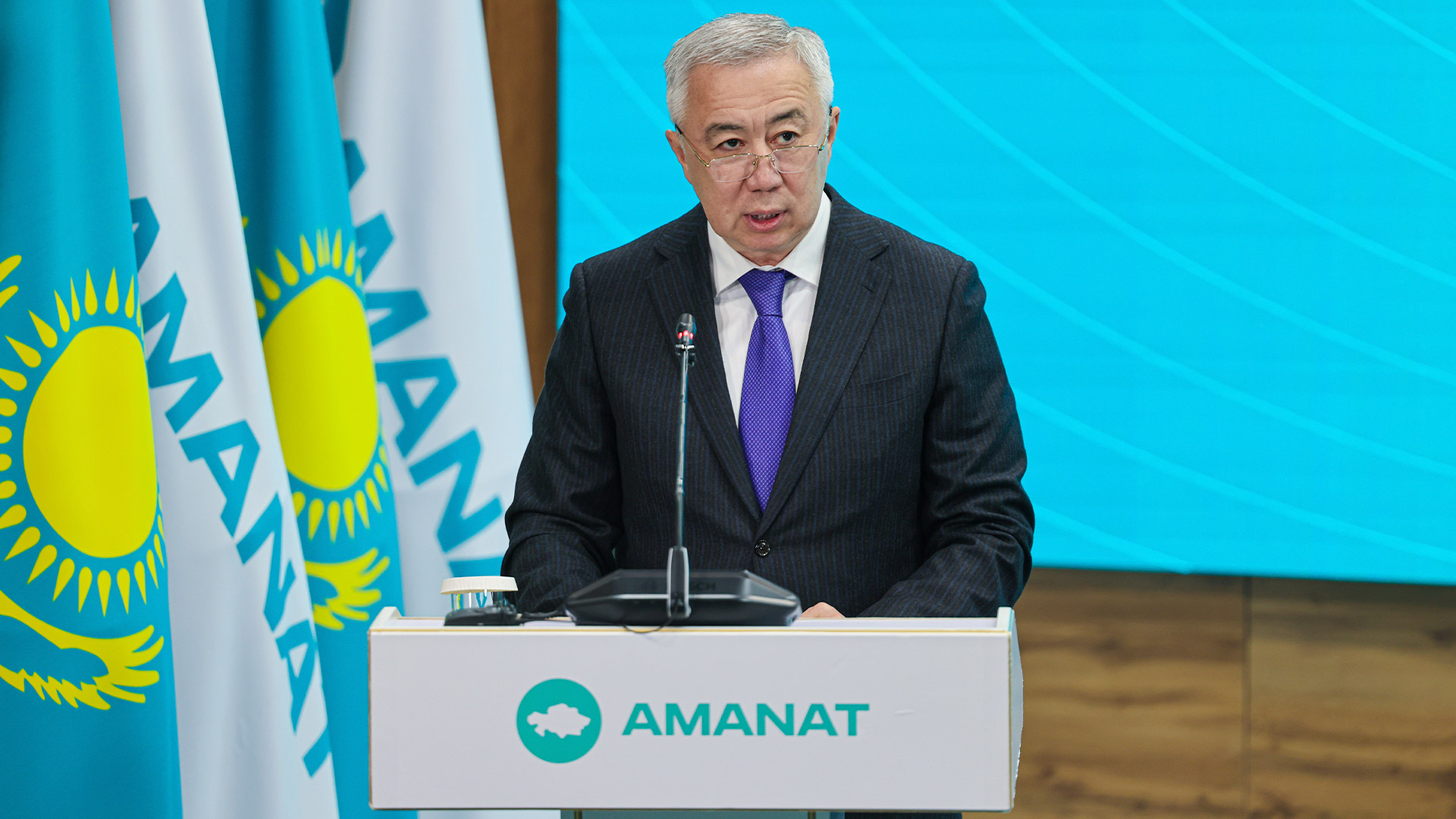 Deputy Prime Minister – Minister of National Economy Serik Zhumangarin spoke today at an expanded meeting of the Coordination Council for Entrepreneurship Development under the AMANAT Party. The meeting was held in an expanded format for the first time since the Council’s establishment in October last year, with the participation of AMANAT Party Chairman Yerlan Koshanov.
Currently, the share of small and medium-sized businesses in GDP has reached 40.5%, of which 33% comes from small entrepreneurship and 7.5% from medium-sized businesses.
As of the beginning of 2026, more than 2.3 million enterprises are operating in the country. The number of people employed in business has reached 4.4 million, which is 3.4% higher than in 2024.
The Deputy Prime Minister informed the participants about measures to reduce control and administrative burdens on business. In particular, together with the Ministry of Artificial Intelligence and Digital Development, the integration of information systems of regulatory state bodies with the state database “E-Licensing” is underway to enable automatic receipt and verification of data.
A key tool is becoming the “eGov Business” platform, on the basis of which the Digital Business Map is being implemented — a unified analytical and service tool for supporting entrepreneurs. It will allow the transition to a service model of interaction between the state and business, increase the targeting of state support measures, ensure transparency of regulation, and reduce administrative barriers.
Currently, financial support for SMEs is provided in three main areas: interest rate subsidies, preferential financing through the “Örleu” and “Isker Aimaq” programs, and provision of guarantees through the Damu Fund.
“Following the results of 2025, 3,373 projects with a total loan amount of 365.7 billion tenge were subsidized, and subsidies worth 268.5 billion tenge were paid out. This year, a significant increase in financing volumes is planned: 200 billion tenge from the republican budget and an additional 244 billion tenge through attracted bank funds,” the Deputy Prime Minister noted.
In the agro-industrial complex in 2026, the financing volume remains at the level of 1 trillion tenge. Of this, more than 300 billion tenge will be allocated for leasing agricultural machinery, and 374 billion tenge will be directed to preferential lending for agricultural producers under the Comprehensive Livestock Development Plan.
To provide systematic support and stimulate industrial enterprises in 2026, 329 billion tenge is envisaged through the development institutions of the National Holding “Baiterek”.
During the meeting, entrepreneurs raised a number of problematic issues. Elbegi Abdiyev, representative of the Union of Trade Networks, noted that the expansion of the list of socially significant food products from 19 to 31 items, maintaining the maximum markup at 15% while actual business costs stand at 20–23%, and the increase in VAT to 16% are creating loss-making conditions for retail chains. The Deputy Prime Minister emphasized that the expansion of the list of socially significant food products is temporary and will be returned to the original list as inflation stabilizes.
Aizhan Balakeshova, member of the Kazakhstan Association of Tax Consultants, raised issues related to the application of the norms of the Tax Code. Rustam Zhursunov, Chairman of the Kazakhstan Association of Investors, drew attention to the need to stimulate the growth of private investment, as well as the complexity of by-laws and persisting bureaucratic procedures. Current issues were also raised regarding the practical application of the register of Kazakhstani commodity producers, mechanisms for exemptions from the national regime, the circulation of counterfeit products on the market, and others.



Stay updated about the events of the Prime minister and the Government of Kazakhstan - subscribe to the official Telegram channel
Subscribe