07 September 2026, 14:40
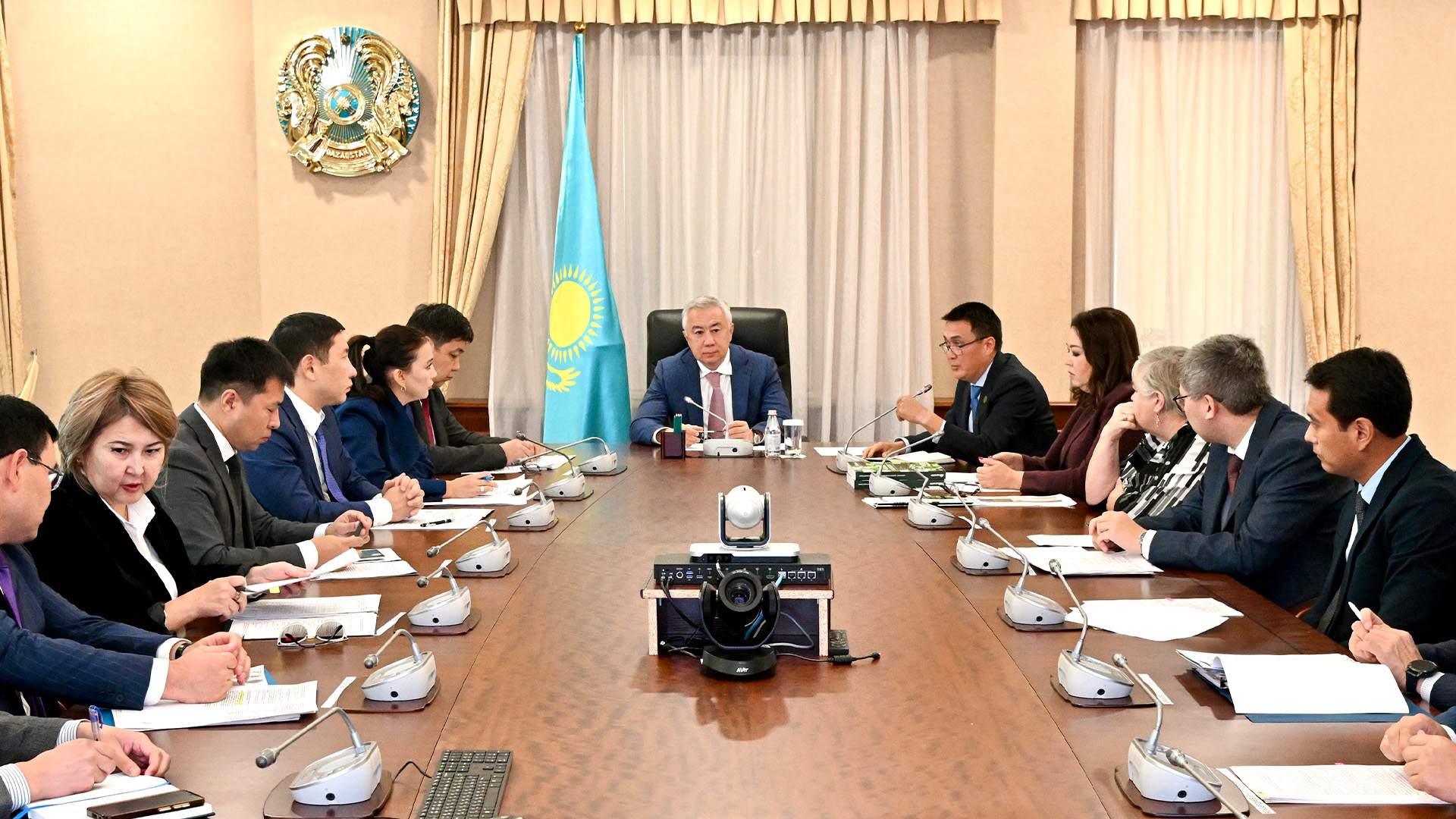 Issues regarding the development of domestic ornamental plant nurseries were reviewed at a meeting in the Government chaired by Deputy Prime Minister – Minister of National Economy of the Republic of Kazakhstan Serik Zhumangarin.
As part of the task set by the Head of State for the further restoration of forest areas and the development of national park infrastructure, the growth of domestic nurseries for ornamental plants is of particular importance. They supply planting material for urban landscaping and greening projects across settlements. The meeting examined the main challenges facing the sector and the measures required to scale up domestic production.
Today, Kazakhstan remains dependent on imported planting material. At the same time, plants grown in domestic nurseries are better adapted to local climatic conditions and demonstrate higher survival rates. Furthermore, they require fewer expenditures on chemical treatments and growth stimulants.
Assessing the volume of the domestic market and the level of import dependency is currently difficult, as official statistics do not record the production of ornamental plants separately.
Ornamental nursery farming is a young, high-tech, and knowledge-intensive sub-sector of crop production focused on producing standardized planting material adapted to specific natural and climatic conditions. Today, green spaces serve not only as landscaping elements, but also as a crucial component of urban infrastructure performing environmental, engineering, and aesthetic functions.
As representatives of the Central Asian Association of Plant Nurseries noted, the industry lacks standards for ornamental crops. The issue of land use also remains unresolved: the Land Code of the Republic of Kazakhstan lacks a separate category of land for ornamental plant nurseries. Existing land use designations, including afforestation and horticulture, do not accommodate the specific operational nature of nurseries, which involves growing plants for subsequent digging up and transplanting. Furthermore, operating on agricultural land imposes restrictions on building permanent greenhouses, warehouses, and automated irrigation systems.
Another issue concerns the classification of economic activities in the field of ornamental plant nurseries. Industry representatives believe that the current classification needs refinement to reflect the specific features of cultivation and requirements for planting material.
At the same time, meeting participants emphasized the significant potential for expanding the network of domestic nurseries and entering export markets. Kazakhstan's geographical location allows it to target countries with similar climatic conditions. Plants cultivated in a sharp continental climate hold a competitive advantage in terms of adaptability and survival.
Following the meeting, Serik Zhumangarin instructed the Ministry of Ecology, together with the Ministries of Agriculture and Industry, local executive bodies (akimats), and industry representatives, to conduct a comprehensive analysis of the state of ornamental plant nurseries. The review will cover domestic production and import volumes, regional demand, and existing barriers to industry development. State authorities will also address the issues raised by the business community regarding the refinement of economic activity classifications in this sector and the specification of Commodity Nomenclature codes (HS codes).




Stay updated about the events of the Prime minister and the Government of Kazakhstan - subscribe to the official Telegram channel
Subscribe