06 October 2026, 11:06
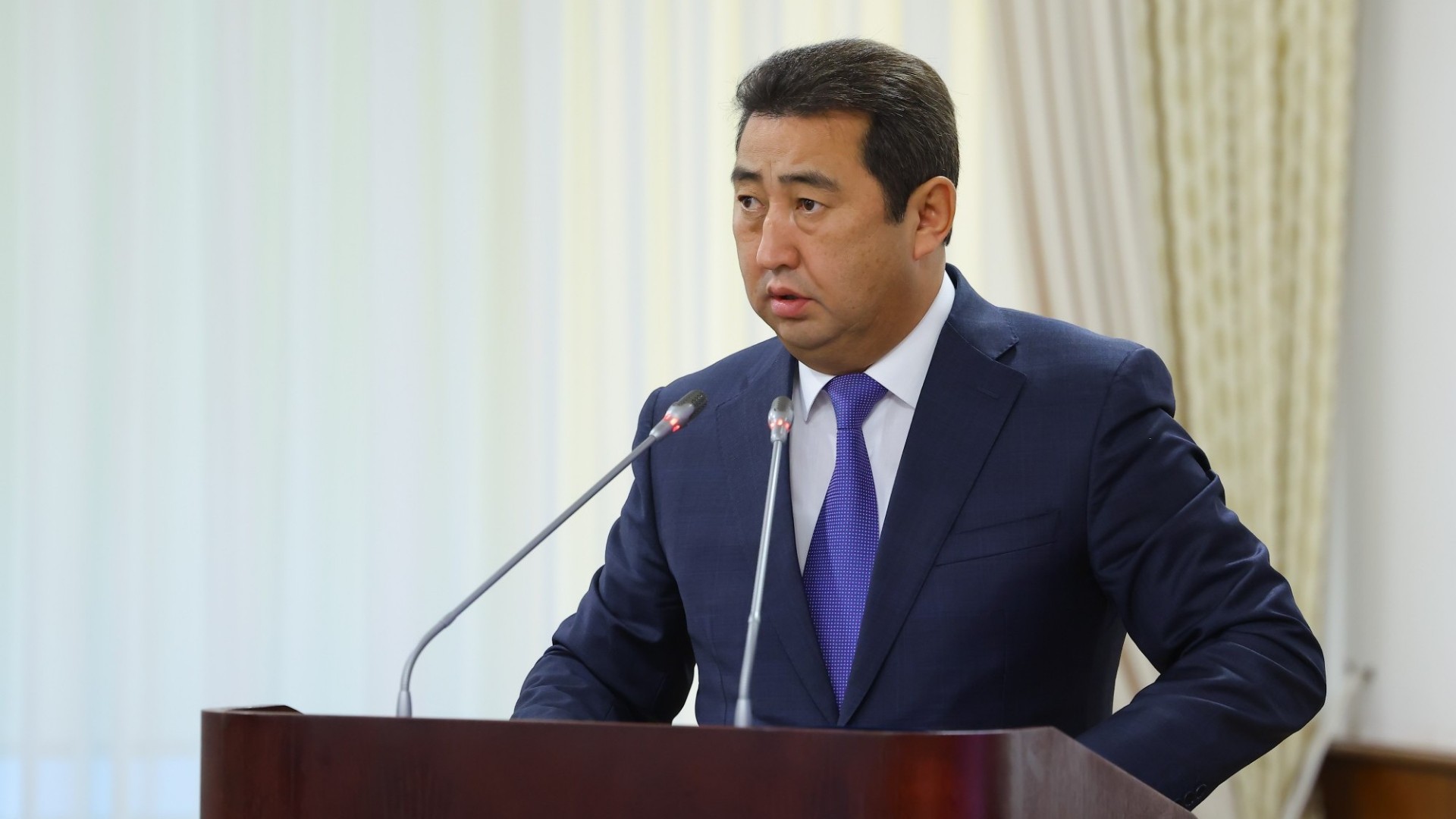 As part of the implementation of the "Digital Qazaqstan" strategy, a separate area for the digitalization of the industry is provided for in the country's agro-industrial complex, which includes six key measures: the creation of a single digital window for state support, traceability systems in livestock and crop production, a land resource management system, as well as measures to incentivize farmers. This was announced at the Government session by the Minister of Agriculture Aidarbek Saparov.
As the head of the department noted, the result of this work will be the creation of a single industry platform, Digital Agro, which will consolidate the functionality and data of all sub-sectors of the agro-industrial complex.
As part of the direction on providing state support measures, the digital subsidization system Gosagro operates. Today, it is used by more than 209 thousand users. This state system is free for the applicant, whereas previously the private system charged up to 11 MCI for submitting an application. In order to increase transparency and reduce corruption risks, the system provides an electronic queue, a waiting list, and format-logic control, and to increase the applicant's responsibility, a mechanism of counter-commitments has been introduced.
The second direction covers the traceability of the supply chain in livestock farming, where all processes are carried out through three main integrated systems. The Livestock Information System (ISZH) provides a single state record of animals throughout their entire life cycle – from birth and registration to movement, change of owner, veterinary measures, slaughter, and deregistration. Today, the system accounts for more than 39.6 million animals, including about 9.3 million cattle, 24.5 million small ruminants, and 4.9 million horses. Breeding stock is registered and maintained in the specialized Republican Livestock System (RSZH), and the mobile application "Tort tulik" operates for animal owners. Work in this area is aimed at ensuring full traceability and a single accounting of livestock.
The third direction is aimed at traceability in crop production. Currently, an information system for traceability in crop production (ISPR) is being created, which provides for the digitalization of crop planning, digital accounting of products, accounting for product batches, control of seed material, and space monitoring. This will ensure digital accounting of products, as well as control over the use of seeds and grain batches from the producer to the grain elevator.
The fourth direction concerns digital management of land resources. Today, the digital land map is 100% formed, agrochemical analysis is 80% completed, geobotanical survey – 47%, and soil survey – 41% (in all these areas, 100% completion is planned by 2029). To monitor the rational use of agricultural land, the information system "ZherInSpektr" operates, providing a full control cycle – from detecting a violation based on space monitoring results to its confirmation by an authorized employee.
The fifth direction foresees increasing efficiency through the use of digital technologies in the industry ("Smart Farm"). To date, more than 650 enterprises already use digital technologies, over 200 farms belong to the "smart farm" category, 112 dairy farms use automatic monitoring, and more than 30 feedlots use automatic control. In practice, automated milking, automatic calf watering, fuel control and navigation systems, agrodrones, smart irrigation, and weather stations are used. The next task is the formation of state support measures that stimulate farmers to actively implement digitalization.
The sixth direction is the creation of a single Digital Agro platform. As a result of the implementation of the previous steps of the strategy, an industry dataset, Smart Data Agro, will be formed, which consolidates information from all industry systems. Based on big data, a digital analytics system will be created for prompt management decision-making. In general, the implemented measures will allow reducing production costs, introducing effective technological solutions, and increasing the volume of gross output of the industry.
#Agroindustrial complex #Digitalization #Government session



Stay updated about the events of the Prime minister and the Government of Kazakhstan - subscribe to the official Telegram channel
Subscribe