31 March 2026, 09:00
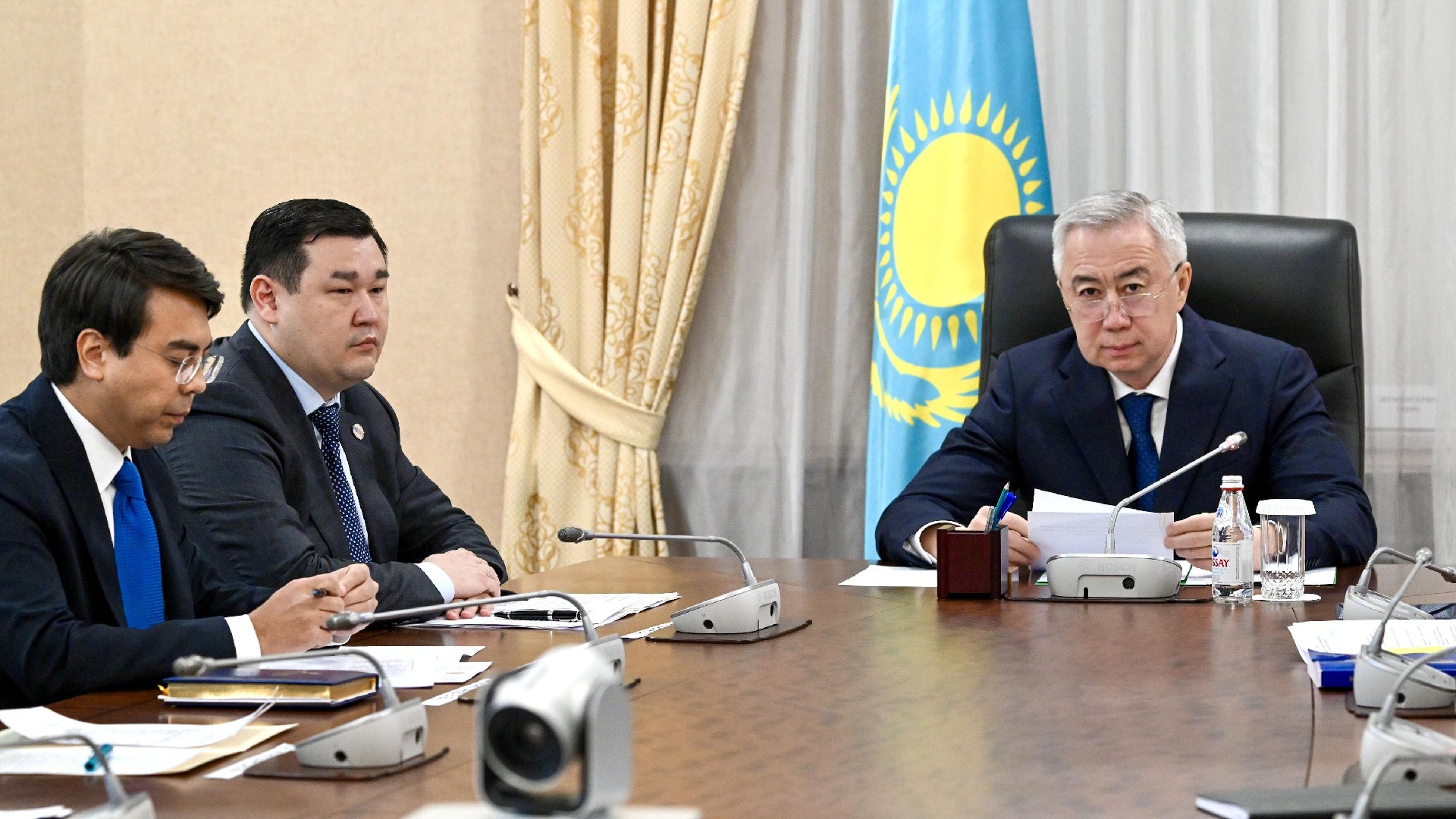
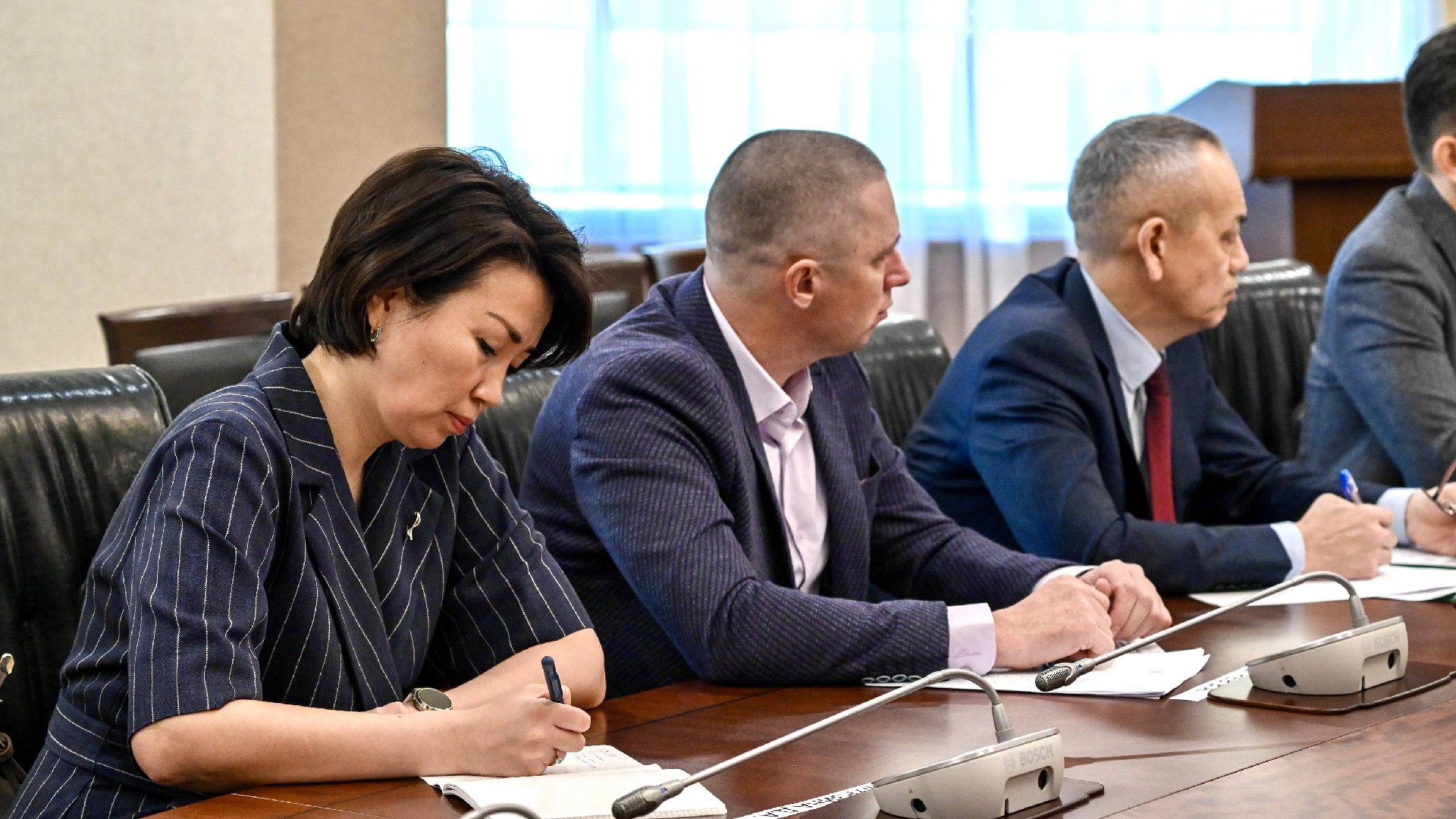
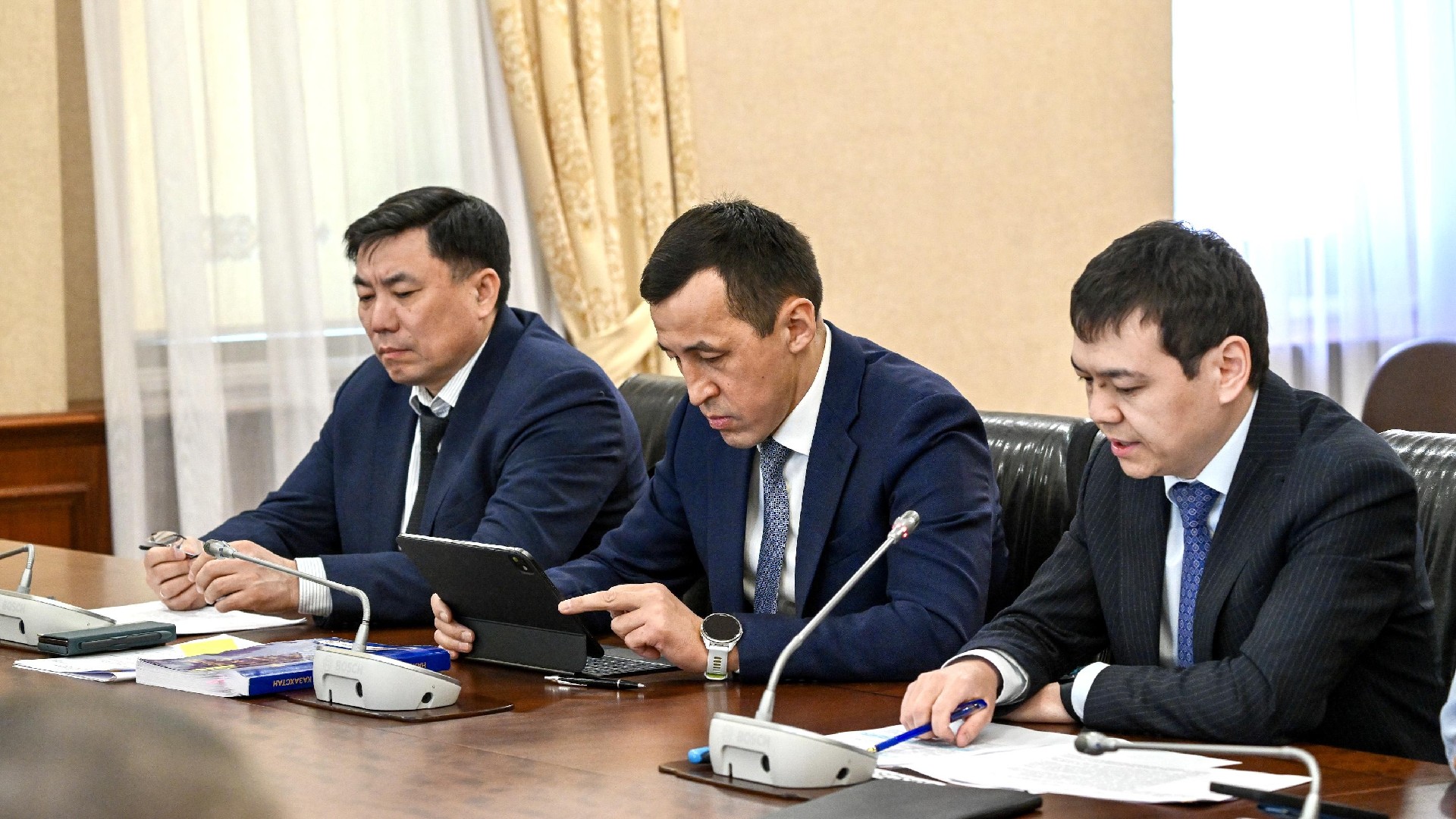
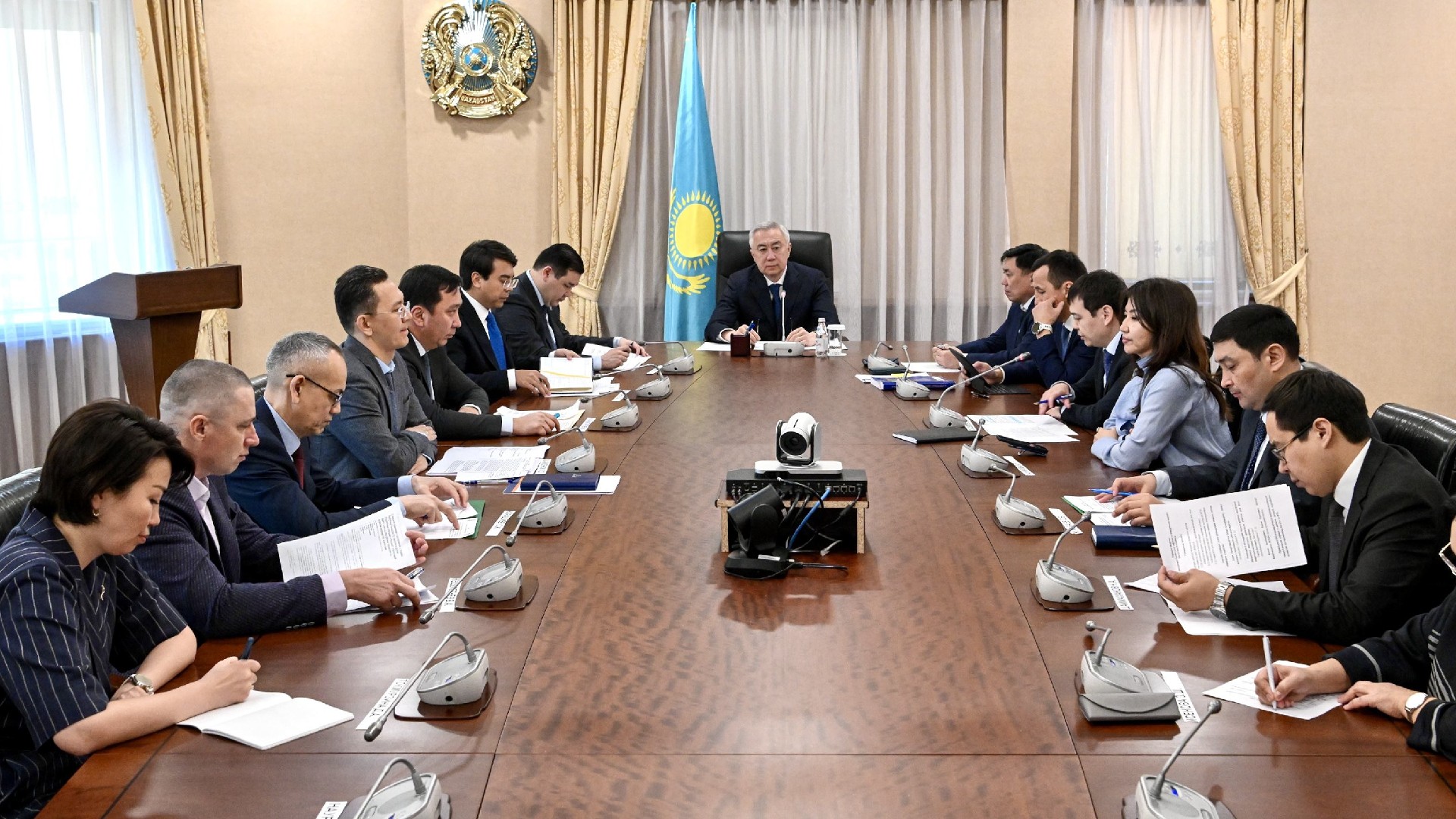 At the 10th meeting of the Project Office for the Implementation of the Tax Code, held under the chairmanship of Deputy Prime Minister – Minister of National Economy Serik Zhumangarin, another set of issues concerning the application of new tax regulations was discussed.
One of the key topics was the operation of internet platform operators who do not participate in settlements between customers and performers but are required to act as tax agents. The issue was raised by Deputy Chairman of the Atameken National Chamber of Entrepreneurs Timur Zharkenov and representatives of the Kazakhstani taxi and freight transportation platform Aparu.
As business representatives noted, there are currently two main business models for internet platforms on the market: the transactional model and the P2P model. In the transactional model, payments pass through the platform — the operator sees the cash flows and performs the functions of a tax agent. Large services such as Indriver operate under this scheme.
In the P2P model, settlements occur directly between the customer and the performer without the platform’s involvement. In this case, the operator is not the source of payment and has no ability to perform the functions of a tax agent.
The previous Tax Code provided an exception for such platforms; however, in the new document this exception has been removed, making the requirement mandatory for all. Business proposed restoring the previous norm, noting that self-employed drivers can independently pay social contributions through second-tier banks. At the same time, according to business estimates, switching to the transactional model would lead to higher service costs due to additional social payments (approximately 4% per year) and bank commissions.
Deputy Minister of Finance Yerzhan Birzhanov noted that the state is consistently building a system of full digitalization and inclusion of all participants — banks, aggregators, and marketplaces — into the tax administration framework. Returning to the previous practice of self-employed individuals paying taxes independently could reduce the transparency of cash flows and social contribution collections.
According to the Ministry of Finance, over three years of pilot integration with the State Revenue Committee systems, 27 out of 33 operators are already operating as tax agents.
Deputy Minister of Labor and Social Protection of the Population Bakhtiyar Zhazykpayev noted that since the launch of platform employment, more than 400 thousand unique payments have been made, of which pension contributions alone amounted to 3.7 billion tenge. Abandoning the current approach could lead to a decrease in these revenues.
After hearing both sides, the Deputy Prime Minister instructed government agencies, together with the Atameken National Chamber of Entrepreneurs and the business community, to further work out support measures without changing the basic logic of the Tax Code and to submit the issue again for consideration at the Project Office.
Separately, issues related to personal subsidiary plots and agricultural cooperatives were discussed.
The first issue concerned the procedure for confirming the status of a personal subsidiary plot (PSP) when selling surplus products (milk, meat, etc.) in order to reduce individual income tax. Despite the norm itself being retained in the Tax Code, the corresponding certificate has been removed from the register of public services due to the risks of abuse and use in gray schemes, where sales volumes exceeded the real capabilities of personal subsidiary plots.
The second issue related to corporate income tax rates set at 6% for agricultural cooperatives and 3% for agricultural producers. In practice, such a tax burden was applied previously under the old Tax Code through tax deductions (at base rates of 20% and 10%, respectively). However, the difference in rates may hinder the creation of cooperatives, which allow farmers to pool resources for processing, storage, and marketing of products.
At the same time, the “Aul Amanaty” program provides measures to stimulate cooperation — in particular, preferential lending of up to 8,000 MRP. In 2023–2025, 18.5 thousand microcredits totaling 130.9 billion tenge were issued, which helped create more than 21.3 thousand jobs. During this period, 870 new agricultural cooperatives were established in all regions.
Taking into account the social significance of the issues, especially regarding employment in rural areas, it was decided to separately consider tax policy in the agricultural sector, taking into account all existing measures of state support, and to return to the discussion at one of the upcoming Project Office meetings.



Stay updated about the events of the Prime minister and the Government of Kazakhstan - subscribe to the official Telegram channel
Subscribe