19 March 2026, 13:24
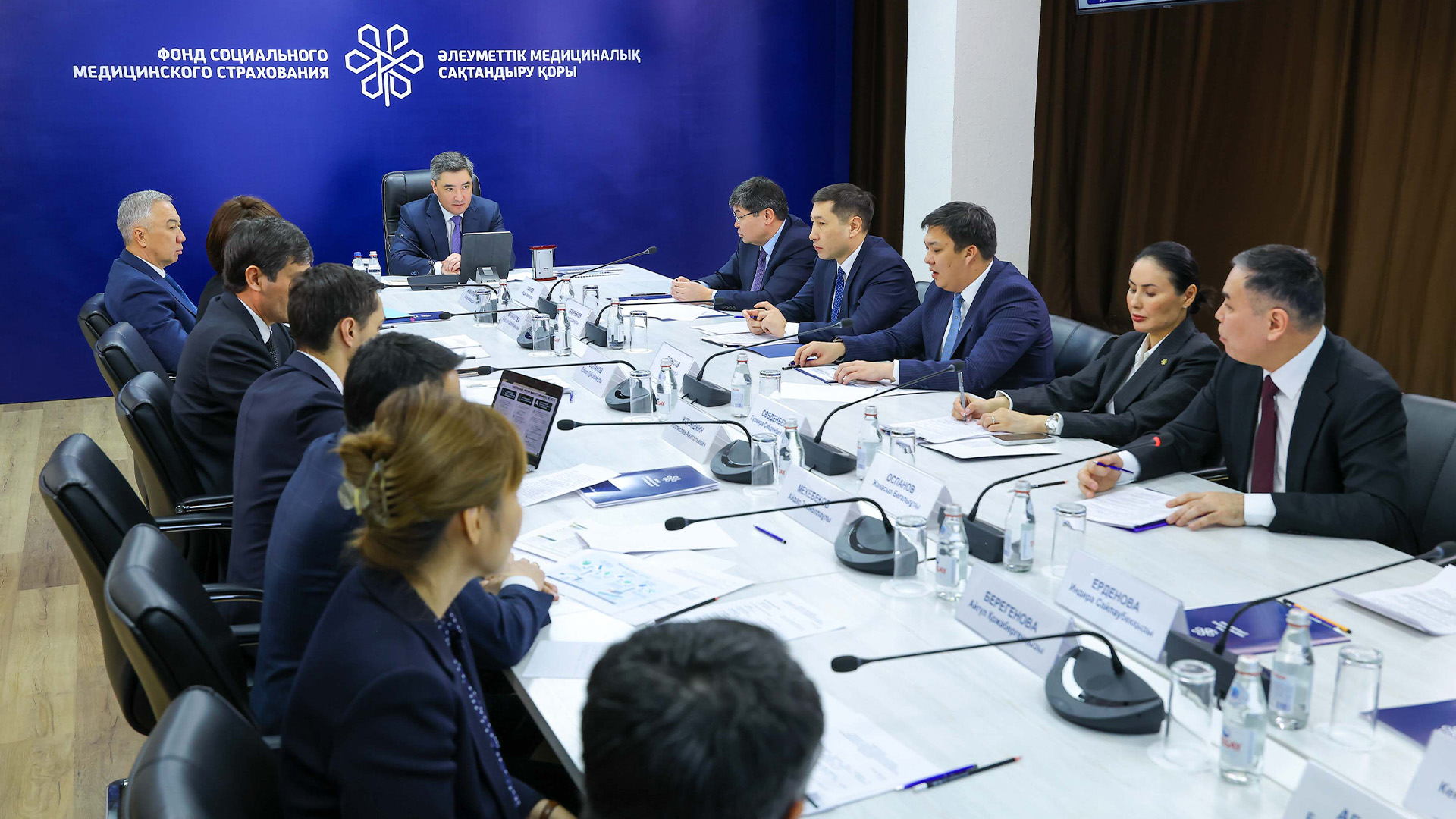
Prime Minister of the Republic of Kazakhstan Olzhas Bektenov held a meeting on improving the system of compulsory social health insurance within the framework of the constitutional reform and the tasks set by the Head of State at the V meeting of the National Kurultai.
Opening the meeting, the Prime Minister noted that the key principle enshrined in the newly adopted Constitution is the human-centered nature of the state. This means that all decisions must be focused on achieving tangible results for citizens.
One of the priority tasks identified by the Head of State is the modernization of the social sector, including the healthcare system. It is necessary to ensure transparency of the compulsory social health insurance system and improve the quality of services provided to the population.
“At the meeting of the National Kurultai, the President clearly identified the main problem — the misappropriation of funds allocated for the health of the nation. This is unacceptable. In this regard, a number of systemic decisions have been made. The Fund has been transferred under the authority of the Ministry of Finance. This has been done to eliminate existing loopholes, prevent false reporting, document falsification and ensure strict financial control. The main principle is that every budget tenge must reach the citizen — in the form of a specific medical service, pharmaceutical product or medical device. All expenditures must be transparent and have a digital trace. Without this, we will not be able to ensure trust in the healthcare system. The outcome of the Fund’s transformation should be the reduction of inefficient expenditures, primarily in the procurement of medicines; resolving supply disruptions through more accurate budget planning and consideration of demographic changes; and optimization of the Fund’s structure with a transition to process automation,” Olzhas Bektenov emphasized.
The work carried out since the transfer of the Fund under the management of the Ministry of Finance was reviewed, and new approaches to transforming the compulsory social health insurance system were discussed.
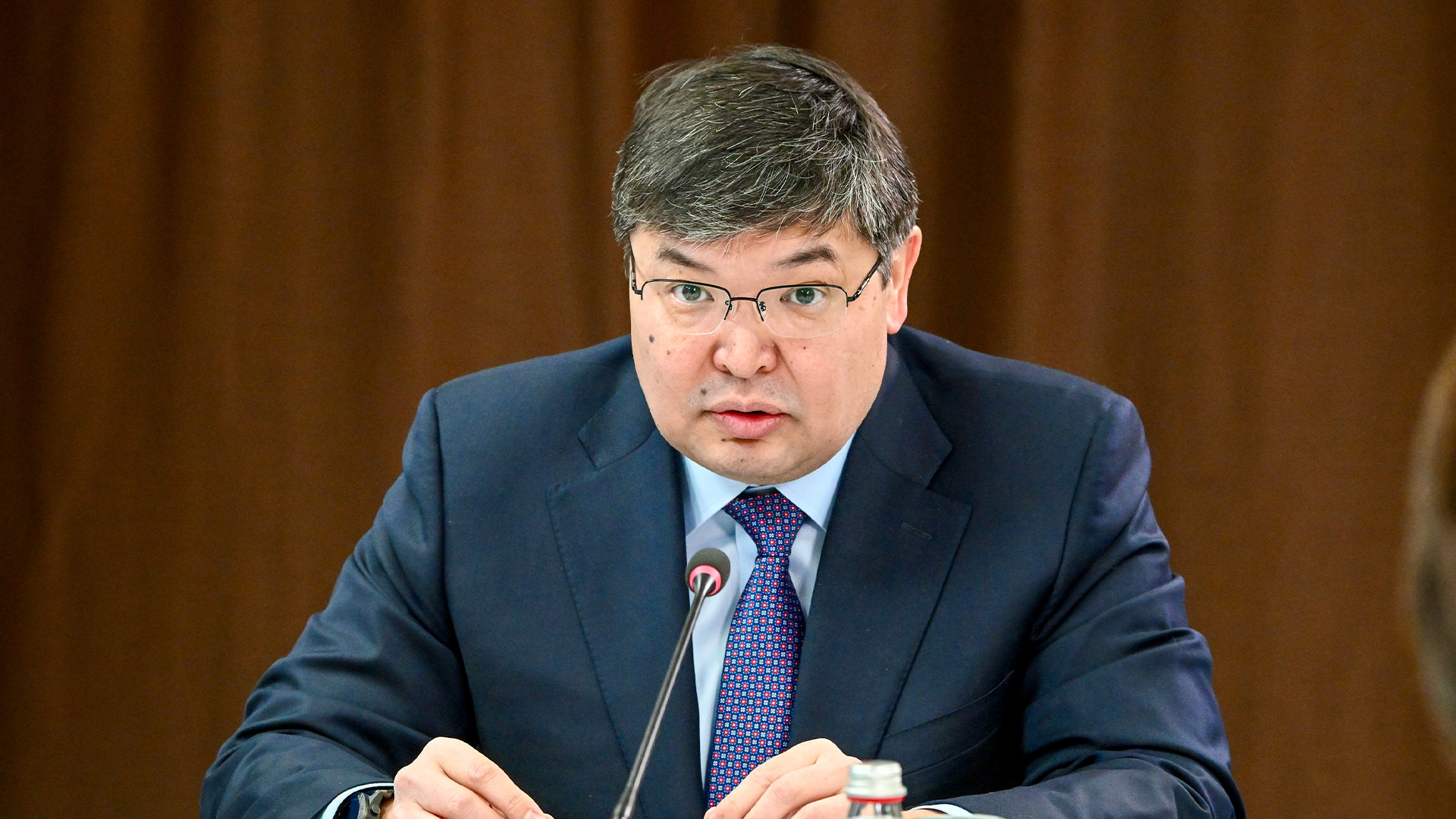 Minister of Finance Madi Takiyev reported to the Prime Minister on the institutional measures being taken. Within the framework of compulsory social health insurance, approximately 3.4 trillion tenge is redistributed annually. The Ministry of Finance has developed amendments to a number of laws aimed at optimizing and improving the efficiency of fund management, bringing voluntary health insurance volumes out of the shadow economy, ensuring uninterrupted provision of medical care to the population, and other measures.
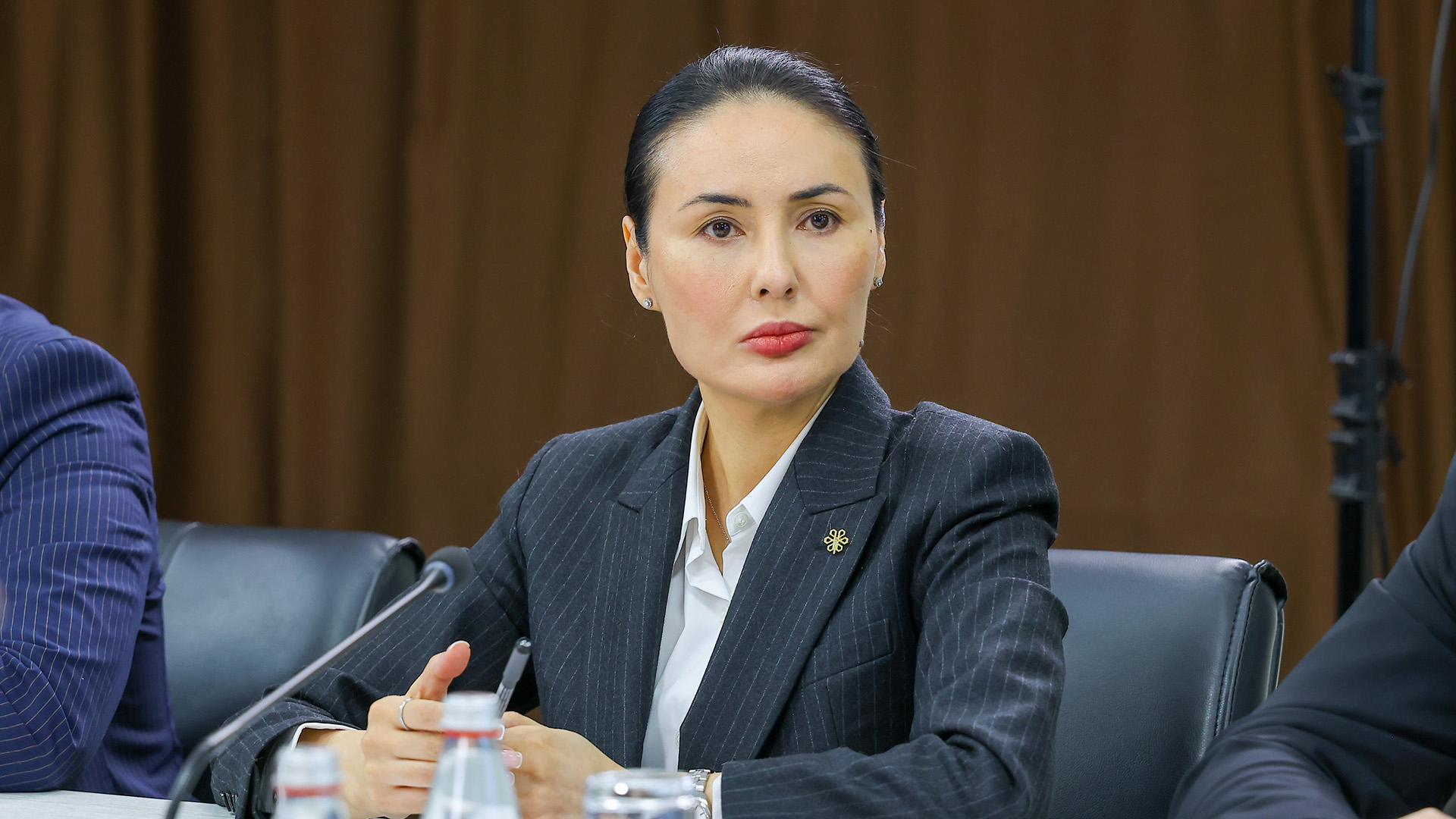 Chairperson of the Management Board of NJSC “Social Health Insurance Fund” Gulmira Sabdenbek informed about the results of the analysis of the current compulsory social health insurance system. It was noted that the key problem is the lack of an integrated management process and the focus primarily on the volume of services provided rather than on final outcomes for patients and the healthcare system as a whole.
To address these issues, the Fund has implemented a set of measures over the past one and a half months. In particular:
The Prime Minister was presented with a new model of compulsory social health insurance 2.0, developed to transition from operational financing to strategic intelligent management. According to the new architecture, the Fund will ensure not only payment for services but also forecasting, control, analytics and the sustainability of the entire healthcare system. Four key areas of the reform were identified, including:
The Prime Minister was also presented with the functional capabilities of the new digital platform Qalqan, which serves as the technological foundation and “digital shield” of the new compulsory social health insurance architecture.
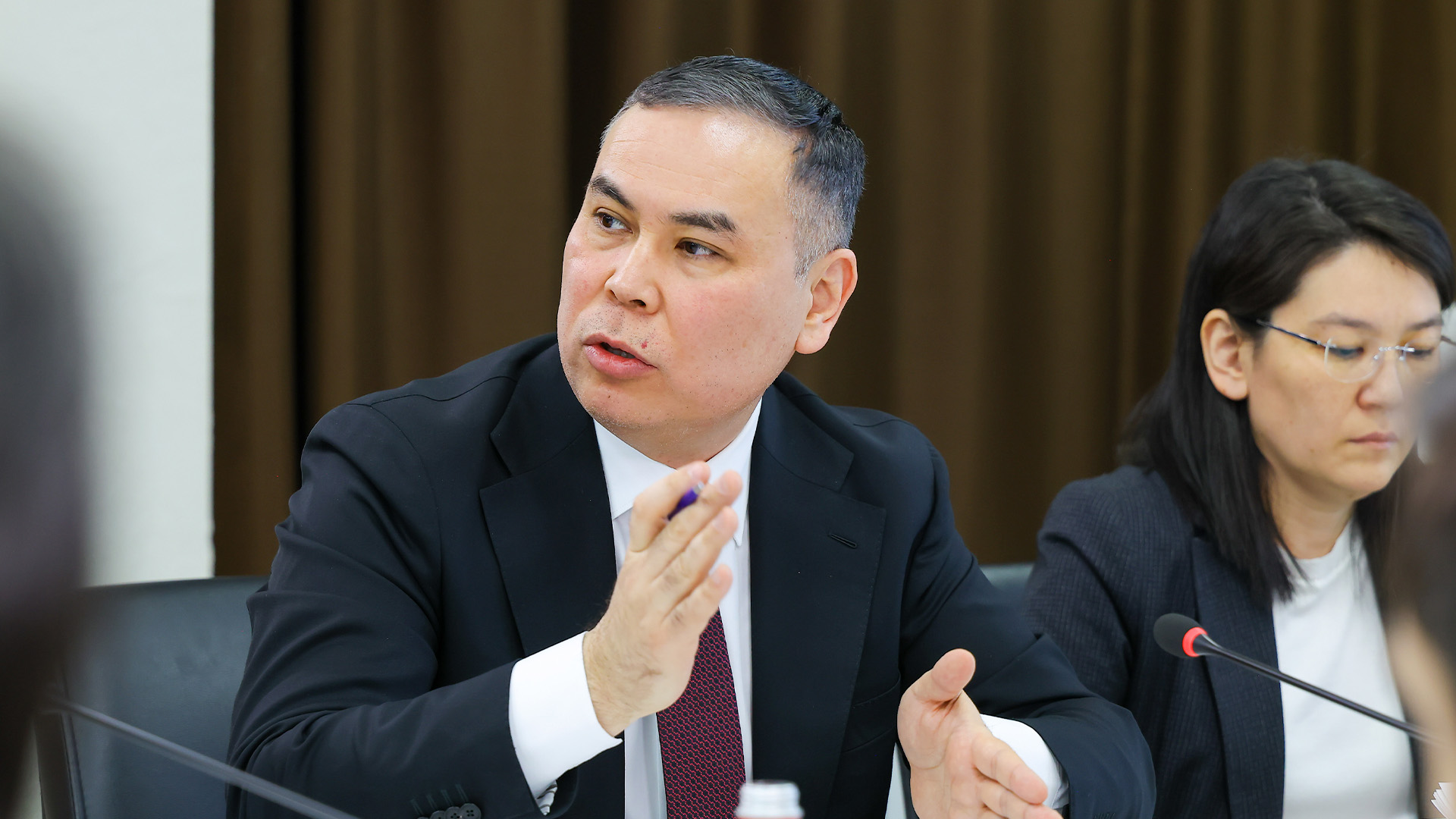 According to the Head of the Information and Accounting Center Zhanasyl Ospanov, the platform will ensure full digitalization of financing processes, integration with medical information systems, analytical support for all management decisions, and support for patients and clinics.
At the patient level, the Qalqan system will accumulate information on services, hospitalizations, tests, prescriptions, medical expenses, including a breakdown of costs under compulsory social health insurance and the guaranteed volume of free medical care. Currently, this data is fragmented, and patients often cannot see the full picture. Qalqan will ensure a unified end-to-end patient pathway. In addition, citizens will be able to report inconsistencies, creating a mechanism of “public oversight.”
At the level of medical institutions, the platform will analyze data such as resources, infrastructure, staffing shortages, deviations, finances and other indicators. Based on this data, the system will gradually form a rating of all medical organizations in the country with a comprehensive risk assessment and automatic recommendations for their elimination. In addition, Qalqan will ensure managed budget orchestration taking into account existing constraints and priorities.
According to the Fund’s estimates, the potential economic effect of the implemented innovations will exceed 200 billion tenge. The reform will ensure transparency and full traceability of financing and the quality of medical services, as well as reduce the administrative burden on healthcare workers, which will have a positive impact on the healthcare system as a whole.
Following the meeting, Olzhas Bektenov approved the proposed approaches and gave a number of instructions to state bodies and agencies. The Ministries of Justice, National Economy and Healthcare were instructed to submit amendments aimed at improving the Fund’s activities by 25 March of the current year. The Ministry of Finance, together with the Ministries of Healthcare, Justice and National Economy, was instructed to submit by 31 March specific proposals to reduce the annual state contribution from the republican budget to an amount not exceeding the investment income received, as well as to use the accumulated assets of the Fund to finance the guaranteed volume of free medical care and compulsory social health insurance. Akims of Astana, Almaty, Shymkent and all regions, as well as the Ministry of Healthcare, were instructed to ensure the transition of medical organizations providing services under compulsory social health insurance and the guaranteed volume of free medical care to the Qalqan system by 15 April 2026.





Stay updated about the events of the Prime minister and the Government of Kazakhstan - subscribe to the official Telegram channel
Subscribe