02 November 2026, 12:40
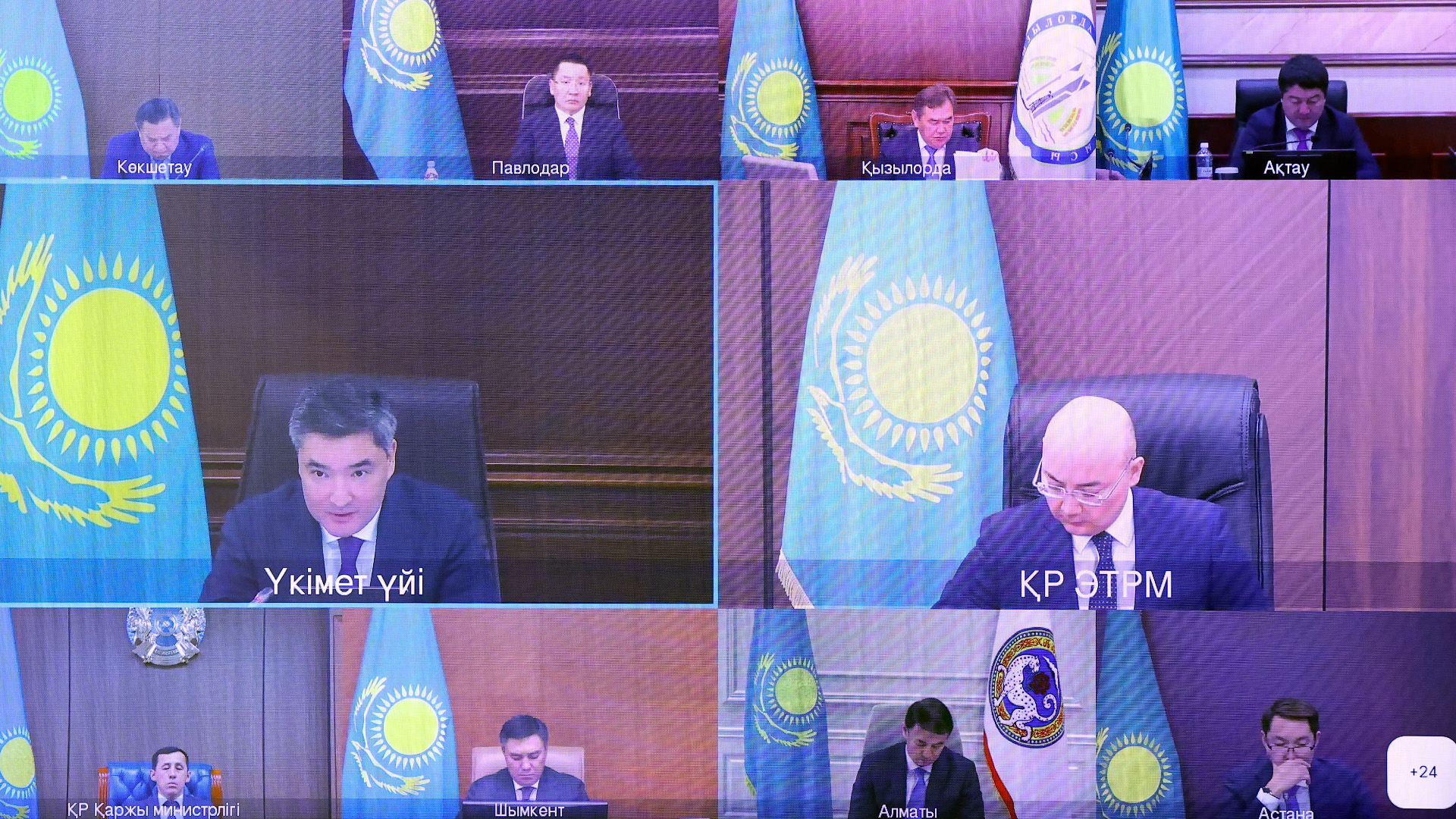
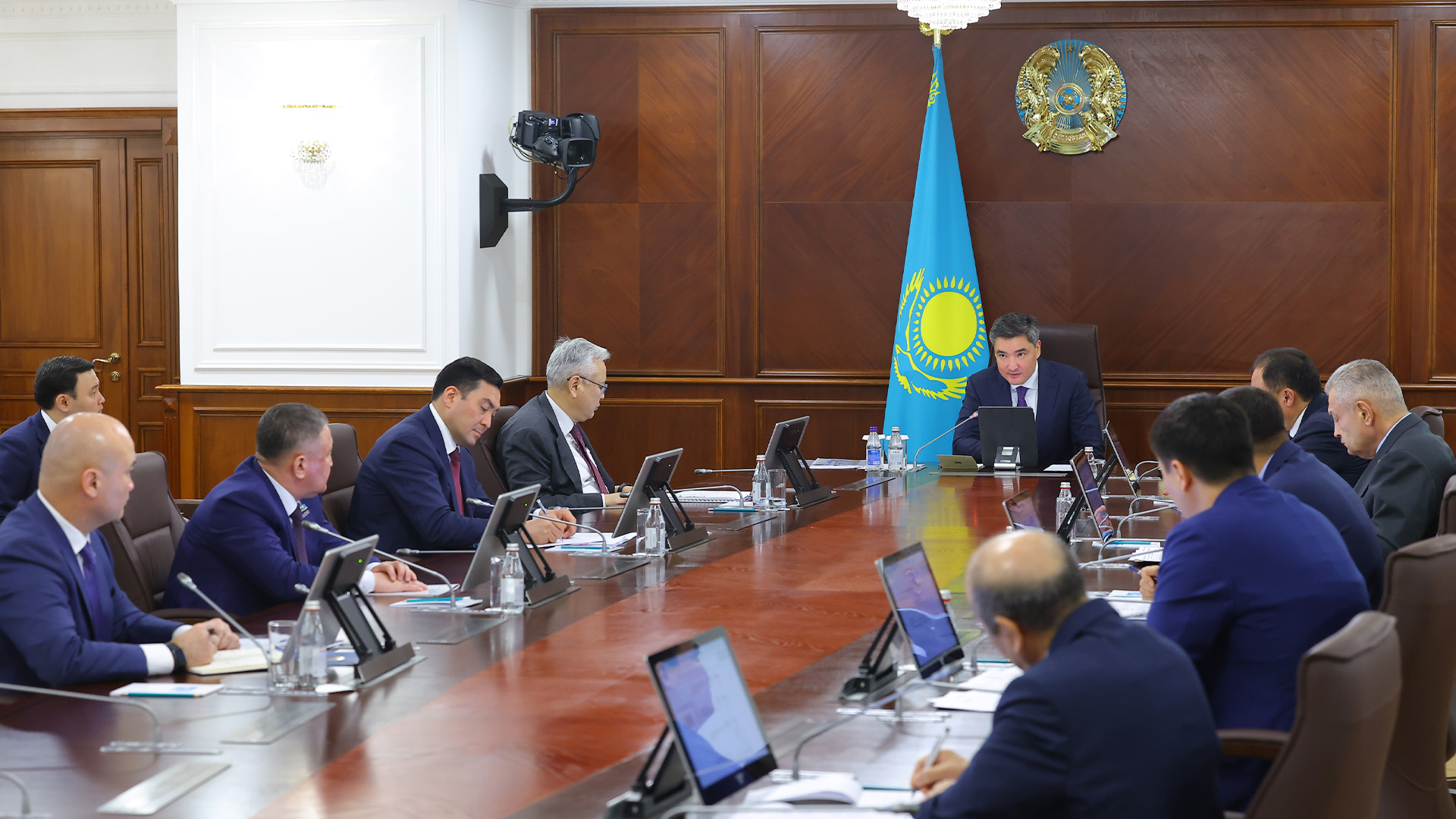 Prime Minister Olzhas Bektenov held a meeting on the implementation of instructions of the Head of State on reforming the road sector. Issues of ensuring high quality of road construction and plans to create a modern network of highways in accordance with the tasks set in the President's Address "Current Tasks of Kazakhstan in a New Historical Cycle" were discussed.
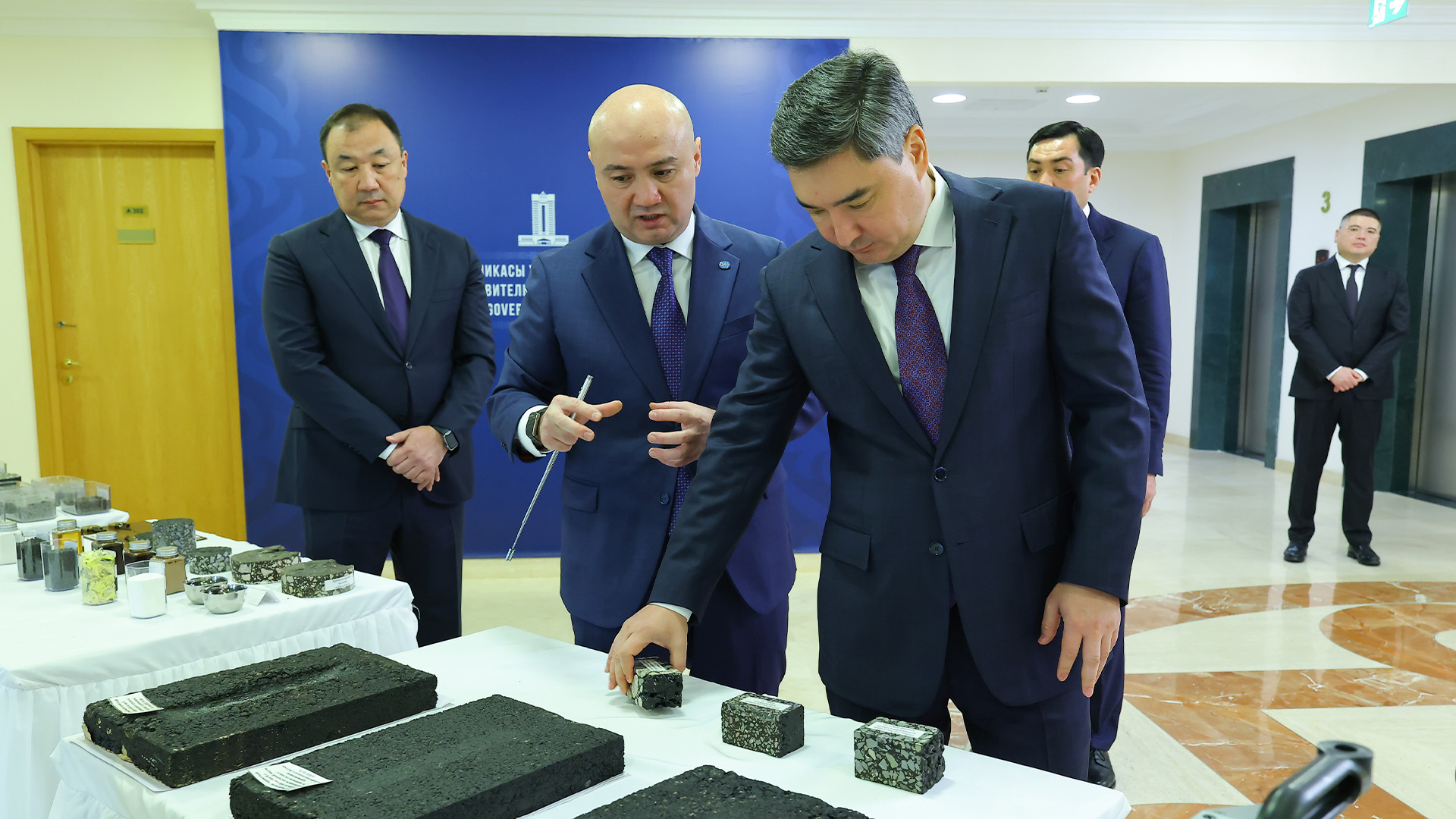
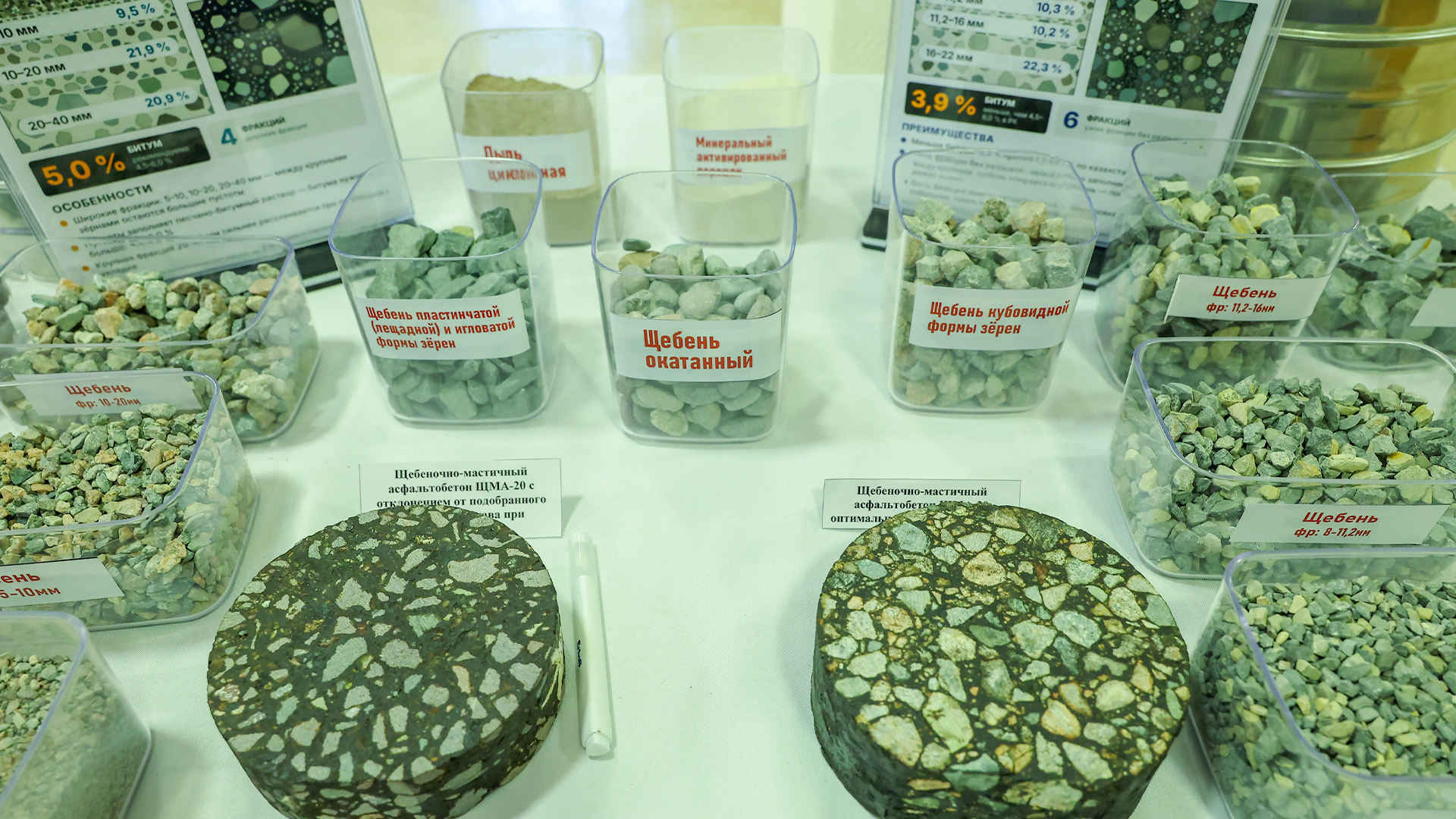
The head of the Government was demonstrated the main causes of crack formation, rutting, and other defects in the road surface, as well as proposals to update standards taking into account regional climatic conditions and actual loads.
The presented solutions to improve road surface quality provide for:
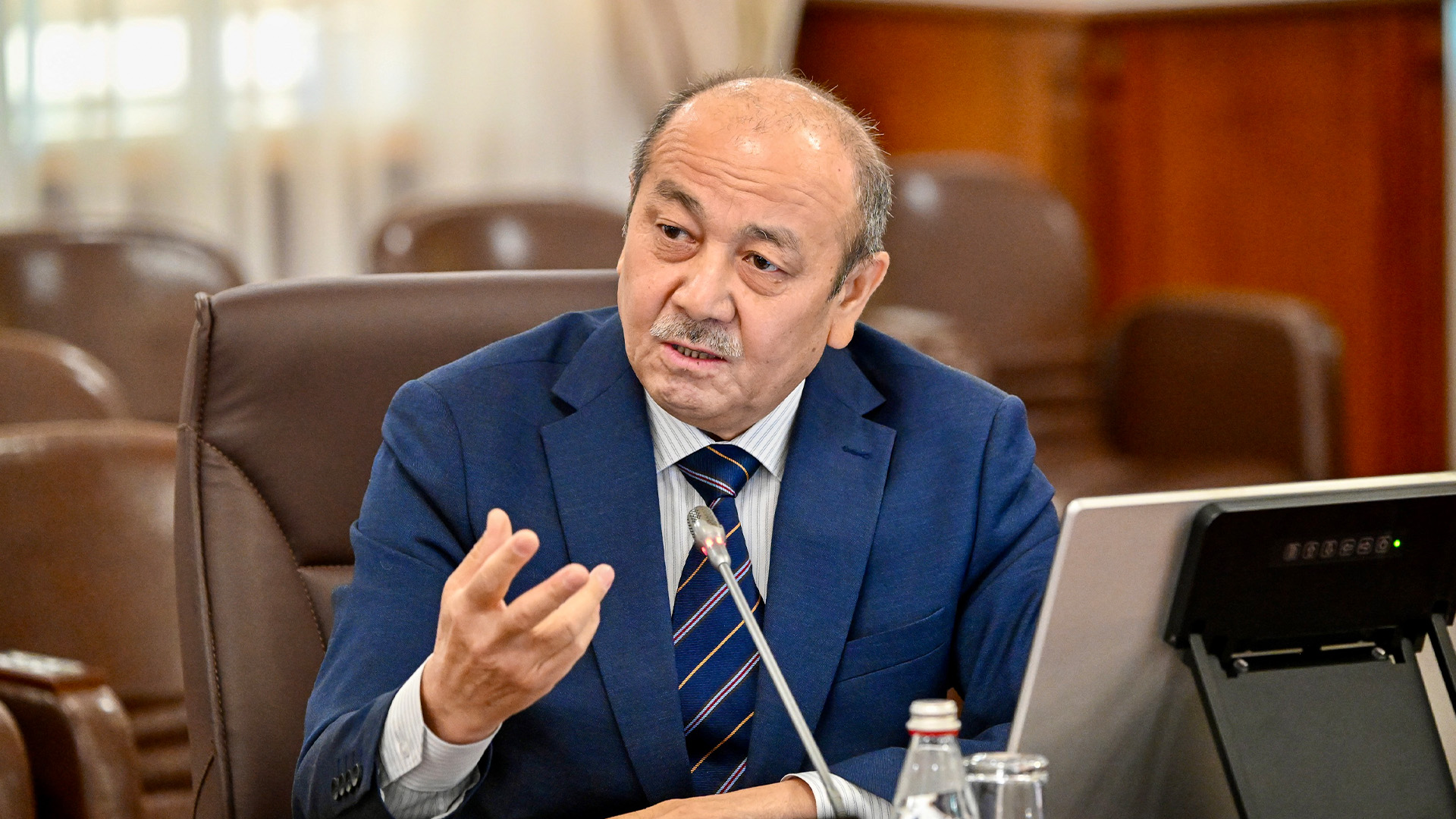
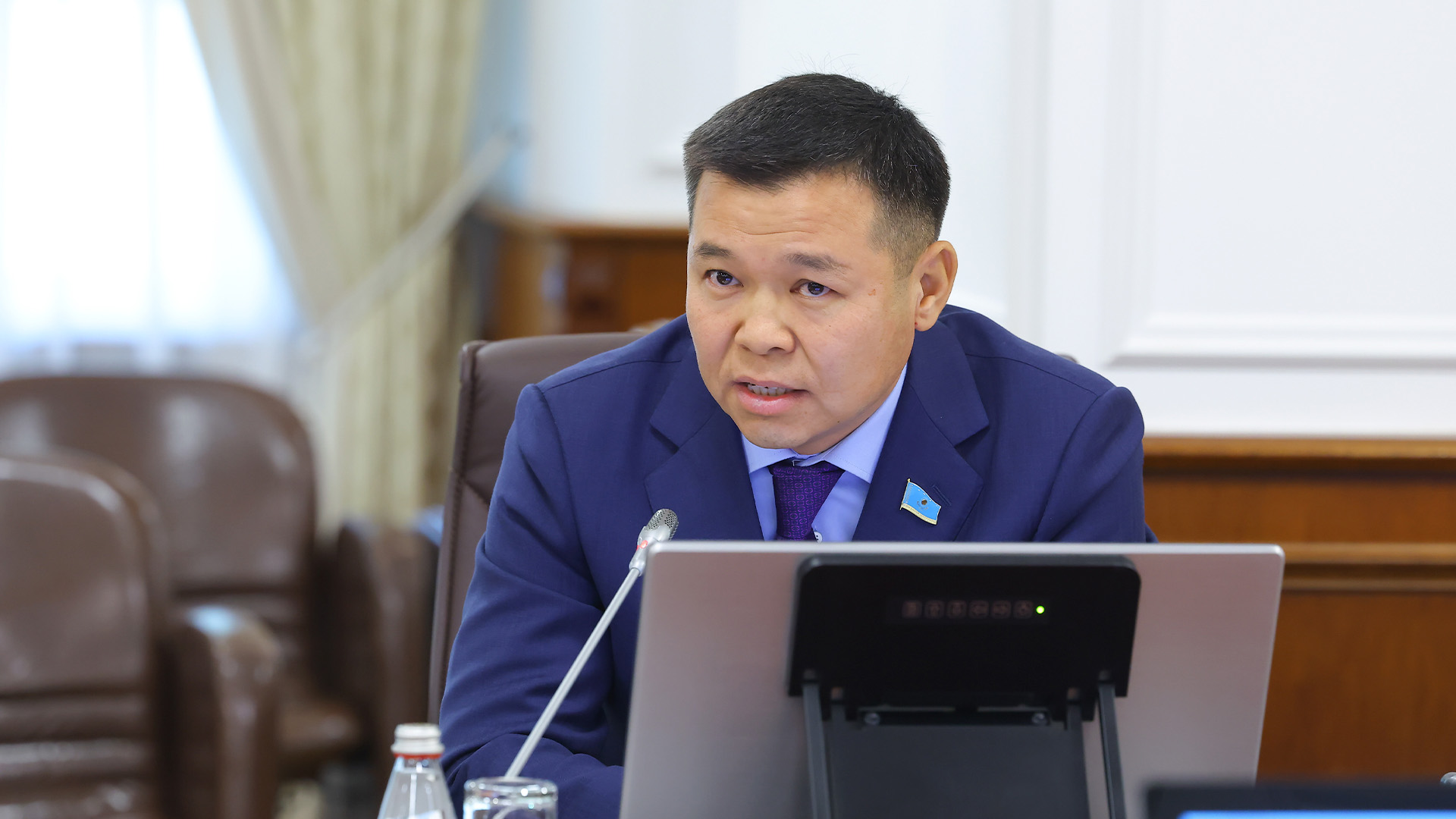
At the meeting, an exchange of views took place on a wide range of issues regarding raising quality standards for the construction and operation of highways, adhering to technologies at all stages of working with road construction materials, and strengthening the responsibility of contracting organizations for the durability and quality of the roadbed. Members of the Kurultai Zamir Saginov, Meirzhat Kassymbayev, Academician of the National Academy of Sciences under the President Bagdat Teltayev, and others participated in the discussion. Meeting participants emphasized the importance of improving the culture of construction and operation of highways.
Minister of Transport Nurlan Sauranbayev reported that the Ministry of Transport, together with the Ministry of Energy and NC KazMunayGas JSC, conducted an inventory of the bitumen transportation and storage system. Based on its results, approaches were developed to improve product quality, ensure even plant loading, and transition to the production of polymer-modified bitumen with improved characteristics. Caspi Bitum and Pavlodar Petrochemical Plant are ready to produce grades 50/70 and 70/100, as well as polymer-modified compositions upon receipt of relevant orders.
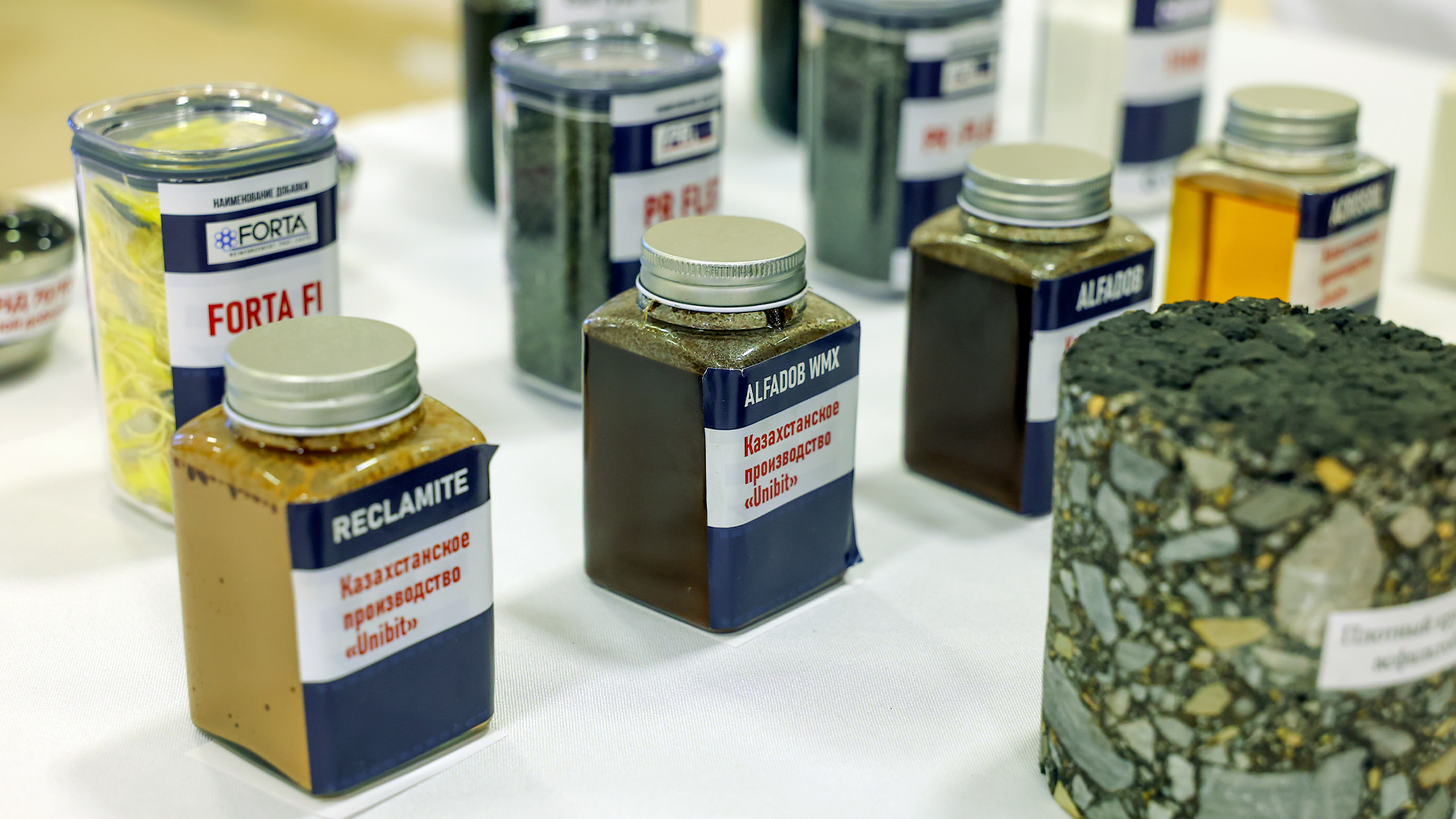
New road construction technologies were discussed, including Superpave and the use of polymer-modified asphalt concrete, as well as measures to ensure the quality of materials used and strengthen laboratory control. Issues regarding the organization of road construction, development of roadside service, modernization of road checkpoints, and introduction of digital monitoring tools were reviewed.
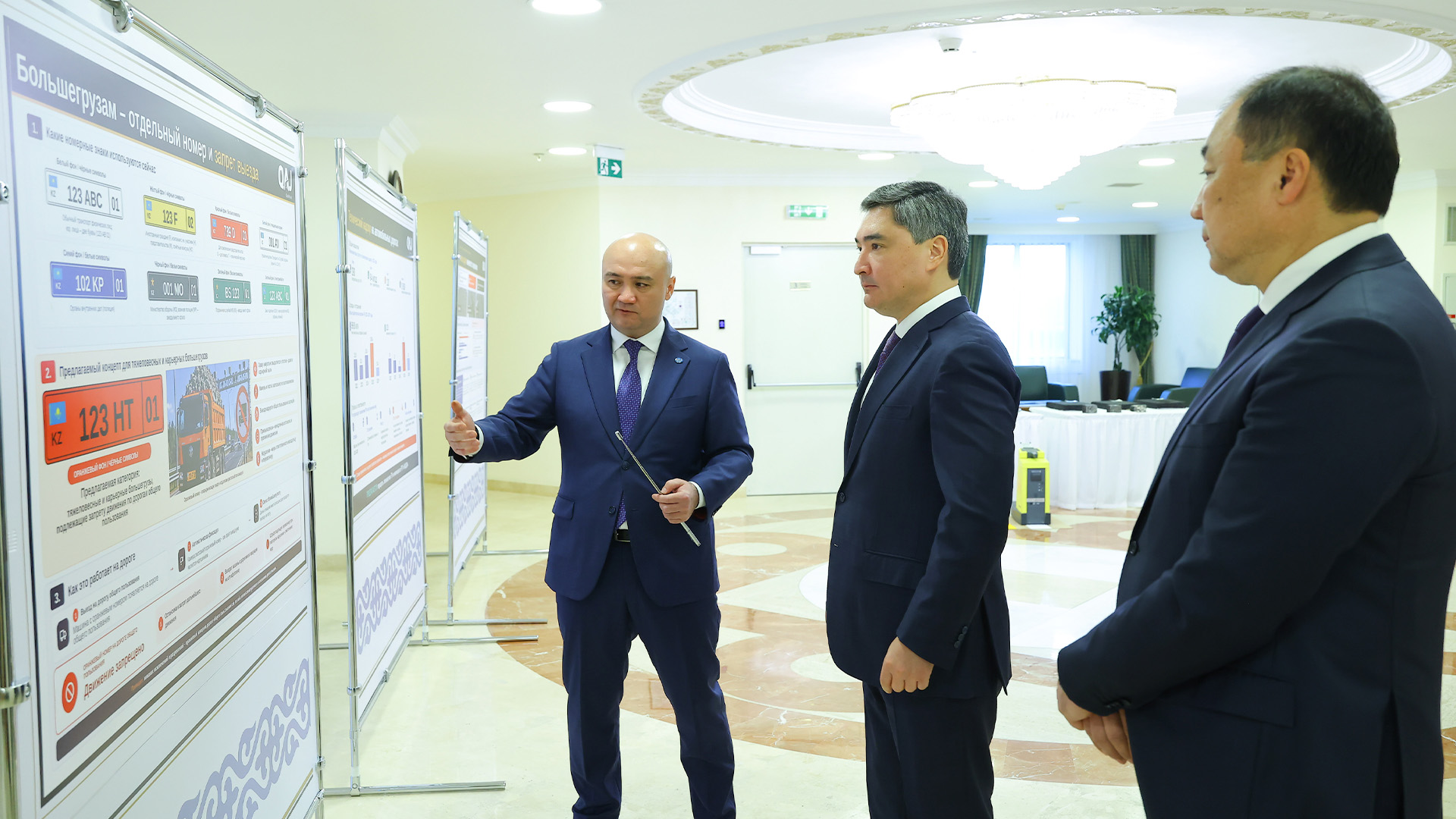
To ensure the preservation of the road surface, strengthening of weight and dimension control is provided for. Proposals were considered for legislative enactment of automatic recording of weight and dimension control violations, including bypassing automated measuring stations, and increasing liability for overloading. Integration of digital monitoring tools into the unified E-Kolik system continues.
Attention was paid to improving the management system for local highways. In accordance with the instruction of the Head of State, the Working Group elaborated proposals to improve the management system for local highways, strengthen coordination between central and local executive bodies, and increase responsibility for the quality of road works. The need for more detailed zoning of pavement structures, taking into account climatic and regional characteristics, was outlined.
First Deputy Prosecutor General Zhandos Umiraliyev reported on the preliminary results of inspections in the road sector. Systemic violations were identified at various stages — from planning and construction to road operation. To date, 33 pre-trial investigations have been initiated regarding violations. The preliminary amount of damage is estimated at more than 8 billion tenge. Investigations are ongoing. In addition, by canceling unjustified contracts and procurement plans, expenses amounting to 36 billion tenge were prevented. In particular, cases of announcing new tenders for the repair of previously repaired roads were identified, including facilities with active contractor warranty obligations.
Following the meeting, Prime Minister Olzhas Bektenov instructed the Working Group on Reform of the Road Sector to complete discussions and prepare a comprehensive package of proposals by the end of November this year.
The head of the Government emphasized the need for a comprehensive assessment of the proposed measures, including revising standards, improving the quality of construction materials, and introducing new technologies. The final document should provide for comprehensive solutions to eliminate the causes of premature road surface deterioration and increase the responsibility of contracting organizations for the quality of work performed. All proposed measures must be interconnected and cover the full cycle of construction and operation, ensuring the quality and durability of national and local highways.


Stay updated about the events of the Prime minister and the Government of Kazakhstan - subscribe to the official Telegram channel
Subscribe