13 July 2026, 18:16
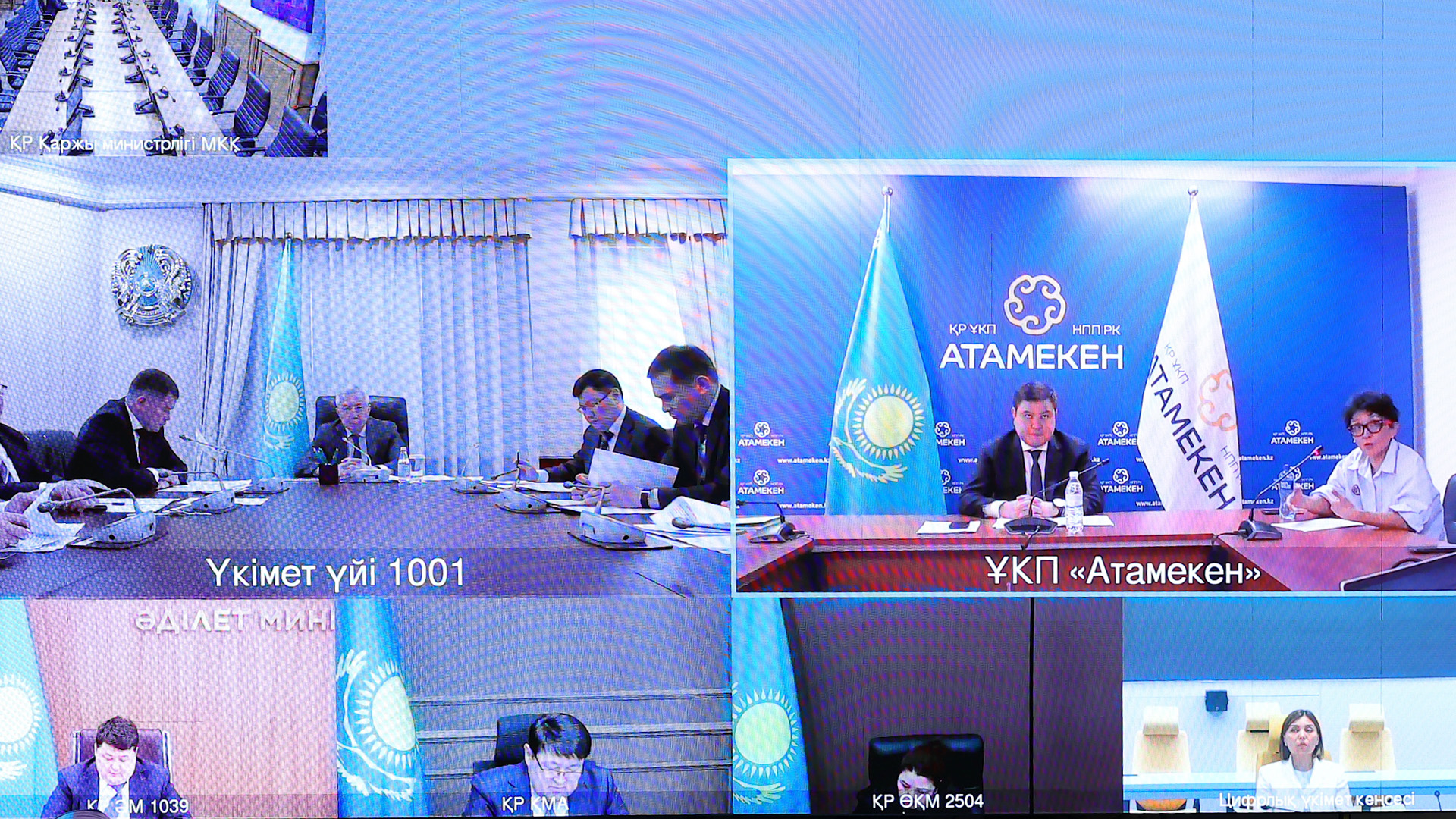
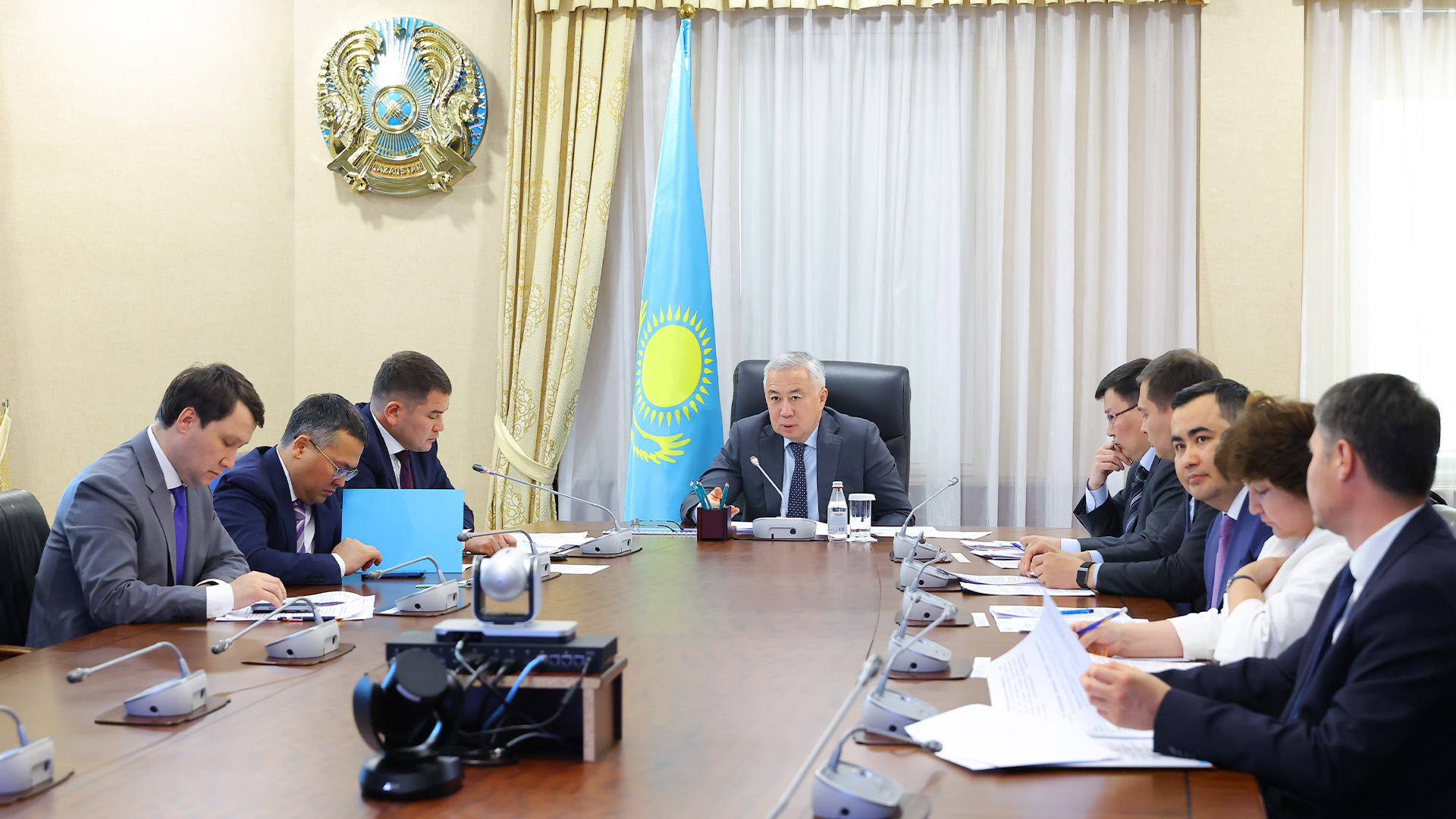 The Government held the 100th meeting of the Interdepartmental Commission on Regulation of Entrepreneurial Activity, chaired by Deputy Prime Minister – Minister of National Economy Serik Zhumangarin. Participants summarized the results of work on the development of small and medium-sized enterprises for 2025, reviewed measures for further reducing the administrative burden on business, and supported legislative initiatives aimed at strengthening control in the field of plant quarantine, the grain market, and regulation of electronic lotteries.
In 2025, the small and medium-sized enterprise sector continued to strengthen its position in the country’s economy. As reported by Vice Minister of National Economy Yerlan Sagnaev, as of January 1, 2026, 2.4 million small and medium-sized enterprises are registered in Kazakhstan, of which 2.2 million are active. Over the past five years, the share of active enterprises has grown from 84.3% to 92.2%, an increase of 7.9 percentage points. The main part of the entrepreneurial sector is small business — 2.4 million entities.
The contribution of small and medium-sized businesses to the country’s economy is also growing. If in 2020 its share in GDP was 32.9%, then by the end of 2025 it reached 40.9%. Of this, the contribution of small business was 33.7%, and medium-sized — 7.2%.
The meeting noted that the state continues work on the digitalization of regulation and the reduction of administrative procedures. In 2025, the number of business inspections decreased by 4.9%. Inspections for compliance with qualification requirements decreased by 69.5% — from 1,173 to 358. Unscheduled inspections decreased from 47,154 to 46,884, and other inspections — from 4,993 to 3,449.
Optimization of the permitting system continues. The Ministries of Emergency Situations, Internal Affairs, and Agriculture have reduced the deadlines for issuing certain permitting documents, which allows entrepreneurs to save from 6 to 18 days. Work is also underway to reduce reporting. Out of 192 existing information tools, an additional 15% reduction is proposed. Already 79 tools, or 40.7% of the total, have been automated. In particular, in the “E-Minfin” system, 10 reporting forms have been transferred to electronic format.
One of the issues at the meeting was amendments to the legislation aimed at reducing the risks of excessive involvement of citizens in electronic instant and draw lotteries.
The reason for the changes was appeals from citizens received by government agencies. According to the Ministry of Tourism and Sports, cases of large financial losses by the population in electronic lotteries have become more frequent (for example, cases of significant losses were recorded among residents of the Aktobe Region and the city of Shymkent). Currently, more than 200 organizations engaged in such activities operate in the country.
The amendments propose to increase the interval between draws of electronic draw lotteries in “loft parks” — instead of being held every three minutes, they will be held no more than once every 30 minutes.
In addition, a restriction is introduced on the number of electronic instant lottery tickets that can be purchased from the lottery operator within a certain period of time.
Separate attention at the meeting was paid to legal regulation in the agro-industrial complex. In connection with the cancellation of mandatory quarantine certificates for interregional transportation of products in 2025, risks of uncontrolled spread of quarantine objects arose. In 2023, 1,986 violations were identified with fines amounting to 158.5 million tenge; in 2024 — 2,093 violations with fines amounting to 208.1 million tenge.
The amendments propose to make the quarantine certificate mandatory again for interregional transportation of regulated products and to establish administrative liability for its absence.
The amount of fines will be:
Another decision will be the return of annual inspection of grain-receiving enterprises before accepting the new harvest. Vice Minister of Agriculture Yermek Kenzhekhanuly reported that systematic inspections of grain-receiving enterprises have not been carried out in the country since 2018.
According to him, this was due to changes in legislation and the general approach to conducting inspections. The current approach did not allow for continuous and comprehensive monitoring of the entire technological cycle — from grain acceptance to storage and subsequent shipment. As a result, over the past five years, inspection activities covered enterprises in only four regions, which significantly increased the risks of technological violations during drying and storage of grain crops.
In 2024, 37 violations of grain legislation requirements were identified, and 31 business entities were held accountable. In 2025, 11 violations were recorded, and four enterprises were held accountable.
The amendments to the Law “On Grain”, the Entrepreneurial Code, and the Code of Administrative Offenses provide for the introduction of mandatory annual inspection of grain-receiving enterprises, as well as administrative liability for non-compliance with established requirements.
The reform will affect 189 business entities registered in the grain receipt system “AgriBonds” on the “QOLDAU” platform. It is expected that the new measures will ensure safe storage and uninterrupted acceptance of the new harvest grain.
Following the meeting of the IAC, the results of the regulatory impact analysis on the issues discussed above were approved by the commission.




Stay updated about the events of the Prime minister and the Government of Kazakhstan - subscribe to the official Telegram channel
Subscribe