24 September 2026, 08:30
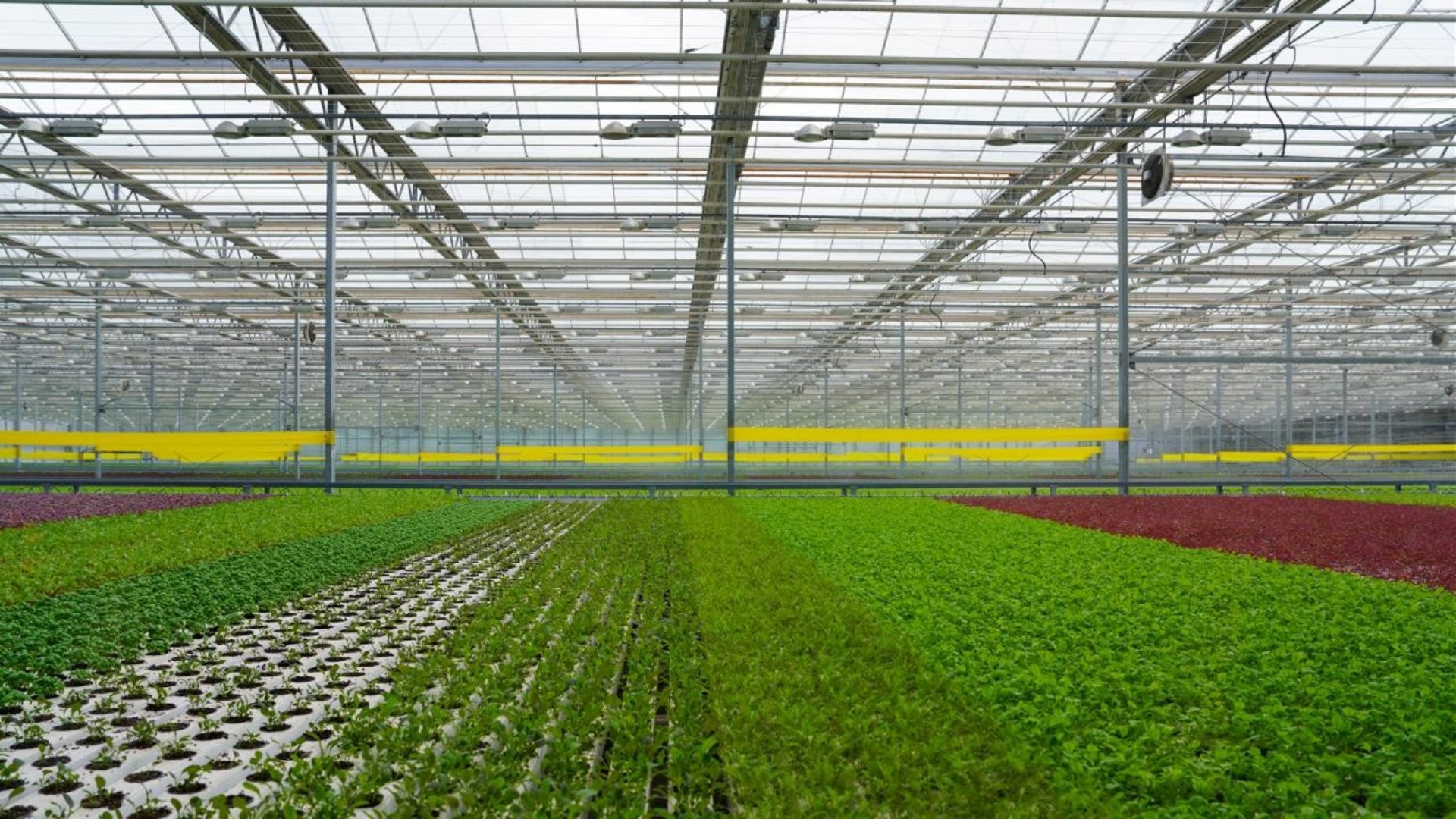 As part of fulfilling the instruction of Head of State Kassym-Jomart Tokayev given in the Address to the People of Kazakhstan "Kazakhstan in the Era of Artificial Intelligence: Current Tasks and Their Solutions Through Digital Transformation," work is underway in the country to transition from raw material exports to the output of products with high added value.
The Government, represented by the Ministry of Agriculture, is implementing a comprehensive set of measures to expand processing capacities, introduce modern technologies, and develop higher-value downstream manufacturing industries.
This approach simultaneously broadens the market for agricultural producers, strengthens the processing industry, creates new manufacturing facilities in the regions, and generates additional export opportunities.
64% of Raw Materials Are Already Processed Domestically
For key types of agricultural raw materials—meat, milk, oilseeds, corn, rice, and buckwheat—the share of processing during the period of 2023–2025 grew from 35% to 64%. By the end of 2026, the target is set to bring this indicator to 70%.
To support enterprises, a complex set of financial and non-financial tools is provided: preferential financing, investment subsidies, tax preferences, stimulation of domestic raw material purchases, project support, and promotion of products in foreign markets.
In 2024–2026, approximately 230 billion tenge was directed to financing the working capital of processing enterprises.
Simultaneously, new capacities are being created. In 2024–2026, under the program replicating the experience of constructing dairy commercial farms in the North Kazakhstan region, 39 investment projects for agricultural product processing were funded in the amount of 42.3 billion tenge.
The established foundation allows for transitioning to the next task—the development of manufacturing where a broader range of products with greater economic return is produced from a single unit of raw material.
2.2-Fold Growth in Bioethanol Production and $4 Billion in Investments
The most large-scale transformation covers the grain sector, where annually around 510 thousand tons undergo deep processing. Today, three specialized enterprises produce starch products, gluten, and bioethanol.
At the same time, possibilities are significantly wider. Modern technologies allow for obtaining starch, gluten, syrups, bioethanol, feed components, and other products for the food, feed, and related industries from grain.
Growth is already reflected in production indicators. In 2025, about 152 thousand tons of starch products were produced—28.2% more than a year earlier. Bioethanol output reached 21 thousand tons, increasing 2.2 times.
In January–June 2026, 67.5 thousand tons of starch products were produced, of which 35.6 thousand tons were exported.
These indicators demonstrate the formation of a new direction oriented not only toward domestic demand, but also toward foreign markets.
For further development of deep grain processing, a portfolio of six major projects with a total value of around $4 billion has been formed.
Until 2029, it is planned to create processing capacities of around 5.8 million tons of raw materials per year. The projects are planned in Turkestan, Zhambyl, Kostanay, and Akmola regions, as well as in the city of Astana. The production program includes starch, gluten, syrups, bioethanol, amino acids, feed components, and other high-value processed products.
Some of the projects have already entered the practical stage: the "Kazstarch" enterprise has been commissioned, and the first products have been received under the Fufeng corn processing project.
The new projects will create a significantly greater production potential, make it possible to substantially expand the range of output products, and form new distribution chains.
 210 Meat-Processing and 180 Milk-Processing Enterprises: Output of Finished Products Is Growing
The development of downstream manufacturing systematically covers all basic directions of agricultural production.
In the fats and oils industry, about 90 enterprises operate with a total capacity of over 4.5 million tons of raw materials per year. More than 90% of grown sunflowers are processed domestically. The next task is to increase the output of subsequent processing stage products.
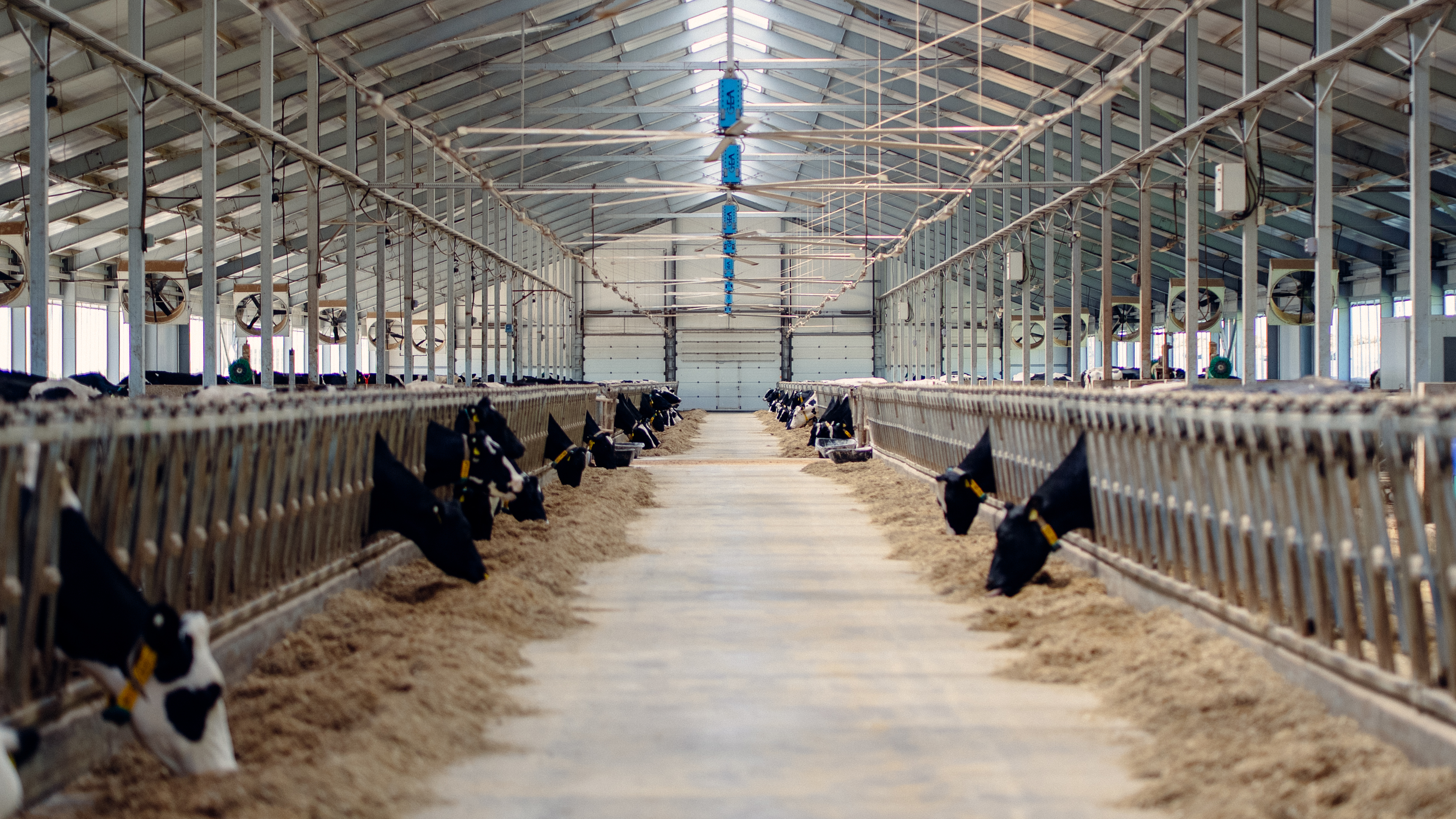
In the meat and dairy industries, around 210 meat-processing and 180 milk-processing enterprises function. The output of sausage products, canned meat, semi-finished products, cultured milk, and other finished products is expanding. In 2025, canned meat production grew by 48.3%.
Promising directions also remain the processing of wool, fruit and vegetable products, and compound feed production.
Thus, the development of processing gradually covers the main types of agricultural raw materials and creates a closer connection between agrarian production and industry.
 $3.6 Billion in Agrarian Exports: Strengthening Positions in Foreign Markets
The expansion of processing is already reflected in the structure of foreign trade.
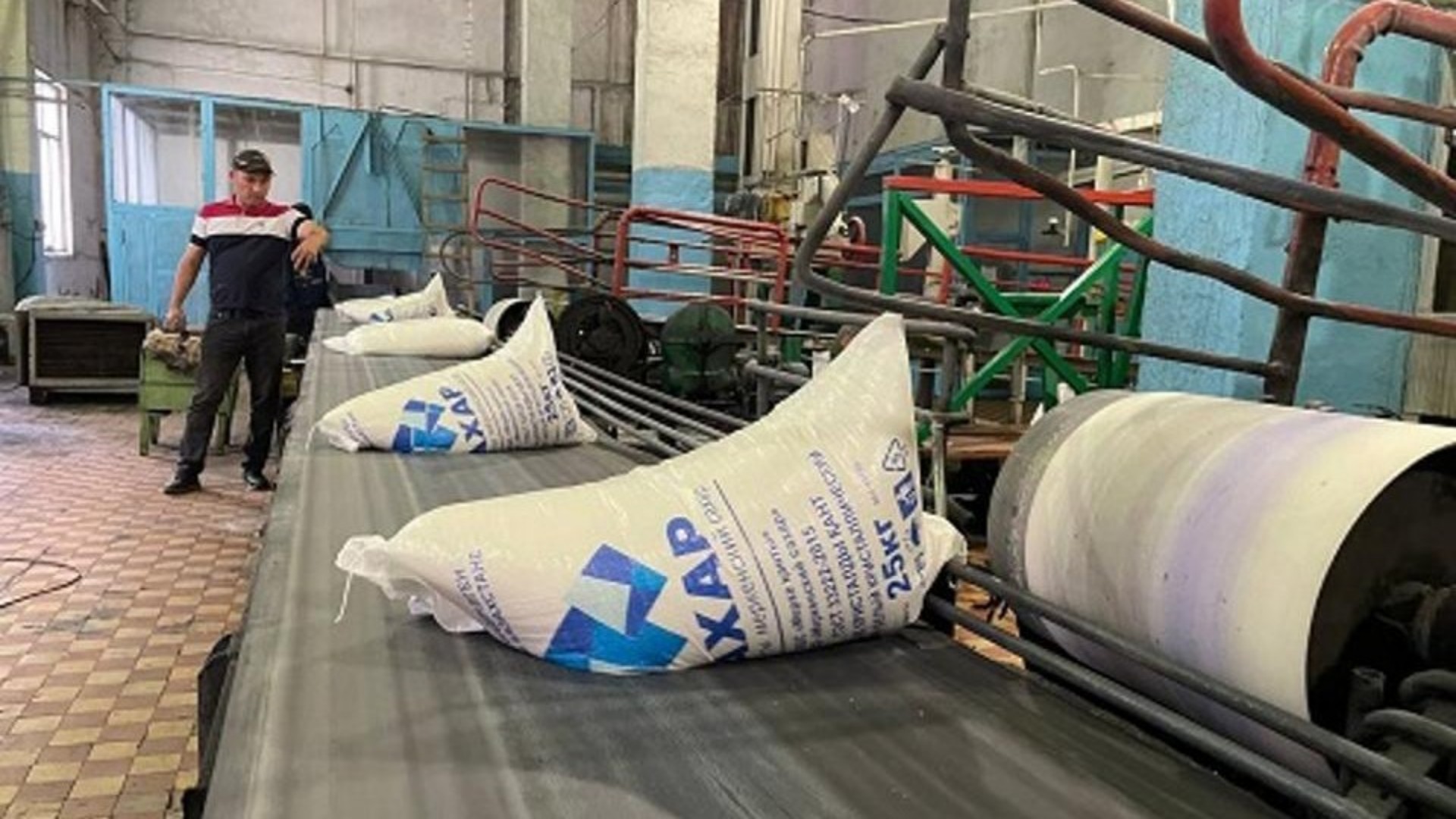
In 2024, the share of processed products in agricultural exports amounted to 52% ($2.66 billion in monetary terms) against 43% ($2.3 billion) a year earlier—in 2023.
In 2025, supply volumes grew to $3.6 billion (+35.3%), while due to overall growth in agricultural exports, the share of processing remained at a high level of 52%. By 2030, it is planned to bring this indicator to 70%.
The growth in deliveries of higher-value processed products expands the export nomenclature and allows for more effective use of the domestic raw material base. At the same time, raw material exports remain an important component of Kazakhstan's foreign trade, and the task lies in gradually increasing the share of products that have undergone subsequent manufacturing stages in Kazakhstan.
Simultaneously, domestic production of ingredients, components, and semi-finished products previously purchased abroad is expanding.
Deep grain processing creates opportunities for the output of starch products, gluten, syrups, amino acids, bioethanol, and feed components. The development of the meat, dairy, and fats and oils industries increases the supply of domestic products and semi-finished goods.
As a result, demand for agricultural raw materials is growing domestically, and the processing industry receives additional sales markets.
Future Goal: Bringing the Share of High Value-Added Agrarian Exports to 70%
The next target is the technological sophistication of production.
For the near term, specific indicators have been defined: bringing the share of main agricultural raw material processing to 70%, increasing the share of processed products in agrarian exports to 70%, and implementing six major deep grain processing projects with a capacity of around 5.8 million tons of raw materials per year by 2029.
At the same time, quantitative growth must be accompanied by qualitative changes. This concerns expanding the nomenclature, introducing modern technologies, developing production competencies, and outputting products in demand on the domestic and foreign markets.
The economic effect will be formed across several directions at once: agricultural producers will receive a larger market, regions—new investments and jobs, industry—additional capacities and technologies, export—new commodity positions.
The main result lies in a more efficient use of the domestic raw material base and an increase in the share of manufacturing operations performed within the country.
Deep processing thus becomes one of the key tools for the structural modernization of the agro-industrial complex and the practical implementation of the course toward increasing the output of high value-added products. Its further development will make it possible to strengthen the interconnection between agriculture and industry, expand export potential, and increase the economic return on domestic raw materials.
#Agroindustrial complex #Export #Manufacturing industry



Stay updated about the events of the Prime minister and the Government of Kazakhstan - subscribe to the official Telegram channel
Subscribe