11 August 2026, 11:50
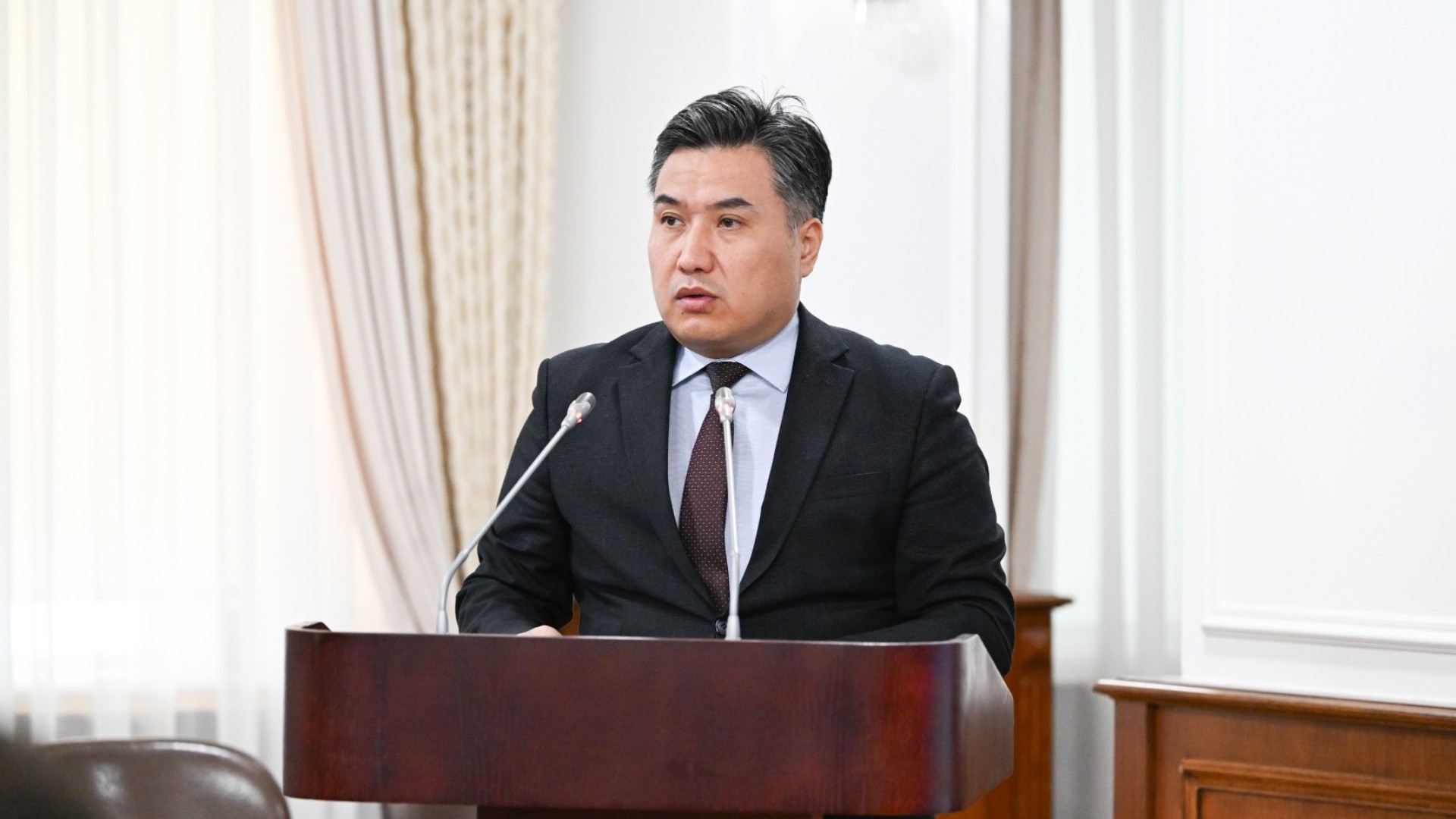 Minister of Labor and Social Protection of the Population of the Republic of Kazakhstan Askarbek Yertayev reported at the Government session on the ongoing work to introduce digitalization and artificial intelligence into the social and labor sphere. The main goal is to make public services simpler and more accessible for citizens.
“The main emphasis is placed on the transition from an application-based principle to a proactive model, under which the state in advance identifies a citizen’s need for support and accompanies them until the result is obtained,” Askarbek Yertayev said.
The key project is the Unified Digital Platform for Social Protection Measures, which unites the processes of assigning support measures, decision-making, and disbursement of funds. Instead of collecting supporting documents, it is sufficient for a citizen to submit one application — the system obtains the necessary information from state information systems.
Since June 2026, the platform has been put into commercial operation in all 20 regions of the country. Through it, 13 support measures provided by local executive bodies are delivered in digital format.
From August, one-time payments for festive and commemorative dates are assigned with the help of artificial intelligence. The system in advance identifies possible recipients and generates a draft assignment, while the final decision is made by the local body.
In September it is planned to ensure the submission of applications through eGov Mobile, and in October — to introduce AI for the targeted assignment of state support measures taking into account targeting and need.
The Minister also reported that Kazakhstan is introducing a Digital Employment Service, which transfers the system to a proactive model of ensuring employment. A new principle is now being introduced — it is not the person who looks for a job, but the job that finds the person. The system independently identifies citizens who require employment and sends them notifications through eGov, Enbek.kz, or SMS from 1414.
Artificial intelligence selects personalized vacancies within the region and beyond it, including working professions, and also offers training, retraining, and relocation options. As a result, the citizen receives support until sustainable employment is achieved. In July 2026 the service was introduced in the Pavlodar Region: 39 thousand SMS messages were sent, and during this period 962 people were employed. In September it is planned to introduce the service in the Mangystau Region, and by the end of the year — to scale it to all 20 regions of the country. A similar service will be available in the Aitu mobile application.
It was noted that artificial intelligence is already being applied in key processes of social protection. In particular, when assigning targeted social assistance (ASP), the system analyzes photos and videos of the applicant’s housing and living conditions and generates recommendations on their need. This facilitates the work of local commissions and reduces the influence of the subjective factor.
When establishing a disability group, AI analyzes medical data, including medical histories and diagnoses, and generates a draft decision as an independent participant in the medical and social examination. This ensures objectivity and a unified approach.
In the auto-assignment of public services, the system independently identifies the recipient, verifies the information, and assigns the payment without unnecessary stages of coordination. The time for providing certain services has been reduced from two days to 10 minutes. In total, the system has actually processed 99 thousand applications for ASP and 151 thousand applications for establishing disability. Since July of the current year, 12 thousand auto-assignments have been carried out.
By the end of the year it is planned to introduce AI in several more areas. In the third quarter — when issuing referrals for active employment promotion measures and determining the level of loss of professional working capacity. In the fourth quarter it is planned to develop digital models for recognizing scanned work record books, preparing recommendations when assigning age-related pension payments, and also to introduce AI analytics for identifying labor risks in the sphere of safety and working conditions.
#Digitalization #Employment #Government session #Public Services #Social Security“We are smoothly transitioning from working with individual applications to accompanying life situations. The main result for us is not the number of procedures, but timely targeted assistance to a specific person. The Ministry will continue the introduction of artificial intelligence so that public services become more proactive, targeted, and convenient for our citizens,” Askarbek Yertayev concluded.



Stay updated about the events of the Prime minister and the Government of Kazakhstan - subscribe to the official Telegram channel
Subscribe