18 August 2026, 16:41
 In line with the instructions of President Kassym-Jomart Tokayev, the Government, together with the General Prosecutor’s Office, is returning illegally withdrawn assets to the country and directing the recovered funds toward the most pressing social and infrastructure needs. These resources are used to build and modernize water supply systems, schools, kindergartens, medical facilities, sports facilities, and transport infrastructure.
To date, assets totaling more than 1.1 trillion tenge have been returned to Kazakhstan, predominantly in monetary form. These funds are allocated to specific projects in regions that require development of engineering infrastructure and social facilities.
The returned funds are channeled through the Special State Fund to address social tasks. To date, financing has been approved for more than 500 projects across all regions of the country totaling 617.7 billion tenge.
How the returned assets are improving the quality of life of Kazakhstanis is illustrated through concrete examples in a special review by Primeminister.kz.
Water Supply Systems: Access to Drinking Water in Villages and Cities
Under the Head of State’s instruction to ensure 100% access to drinking water for the population, 226.5 billion tenge has been allocated from the Special State Fund for the implementation of 267 projects nationwide.
In the Akmola Region alone, more than 23 billion tenge was directed to the development of the water supply system in 2025. The implementation of 32 projects has provided centralized drinking water to residents of dozens of villages.
“Last year a pipeline was laid in our village and water was brought into homes. All the work has been completed and residents now have stable water supply. Many thanks to our President for the support and attention to our village,” Sulushash Baigulina said, a resident of the village of Sadovoye in the Akmola Region.
In the North Kazakhstan Region, 28 projects totaling 14.9 billion tenge have been completed, providing stable access to drinking water for residents of more than 30 villages in the Aiyrtau, Yesil, Mamlyut, Taiynsha and Shal akyn districts.
In the Abay Region, 15 projects have been implemented, covering around 20,000 residents of auls.
In the city of Almaty, distribution networks for water supply and sewerage have been built with Fund resources in the microdistricts of Kairat, Akzhar, Akbulak, Boraldai and Karagaily.
Modernization of Healthcare
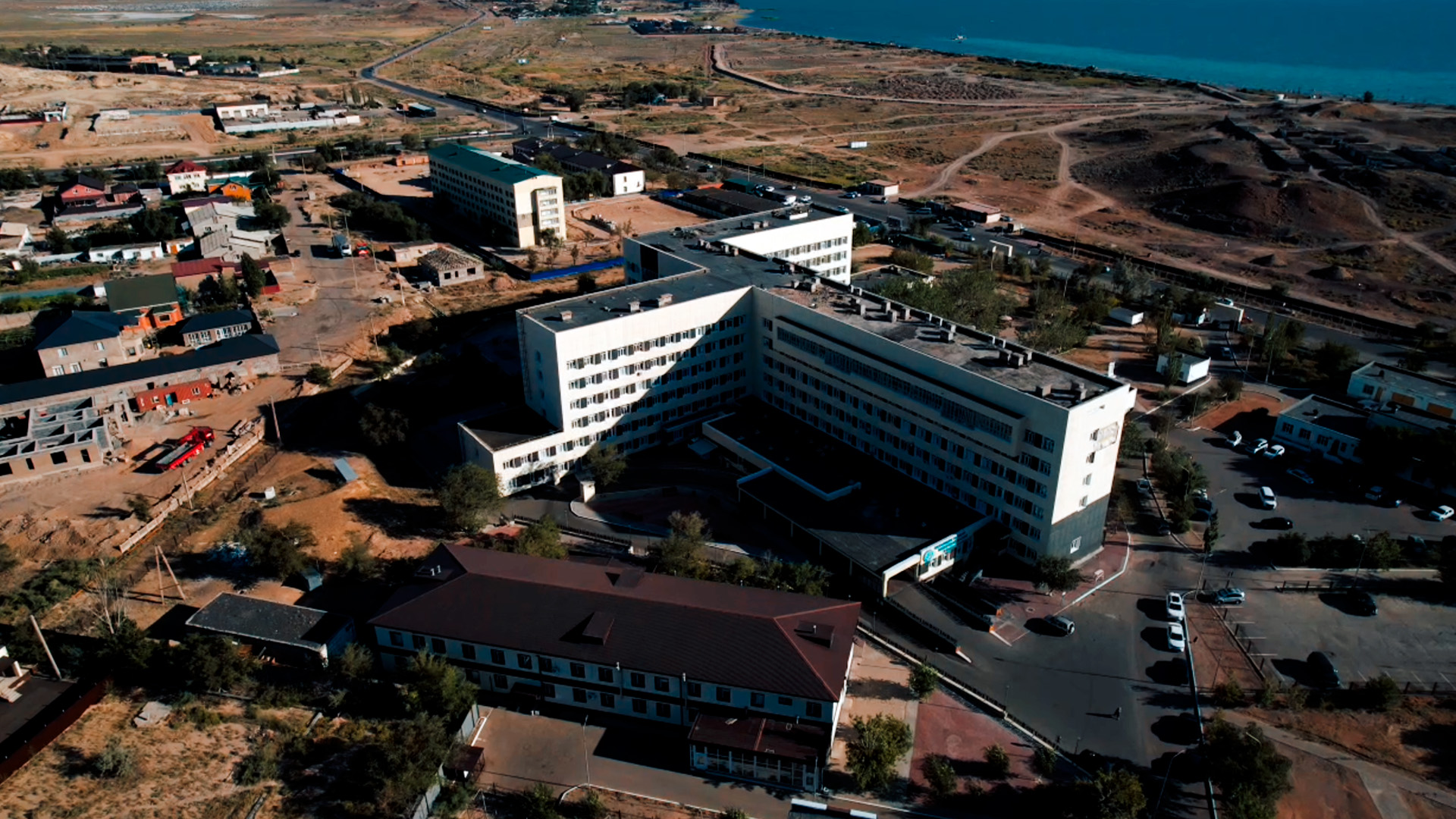
In the healthcare sector, modern medical facilities have appeared across all regions of the country, including in rural areas, thanks to the returned assets. The Government has approved 191 projects totaling 176.8 billion tenge. Construction covers both primary rural care and large high-tech medical complexes.
To date, construction has been completed of a 200-bed multidisciplinary hospital in the city of Ridder in the East Kazakhstan Region, an emergency medical station in the city of Aktau, as well as 145 primary healthcare facilities under the National Project “Modernization of Rural Healthcare.” In the Karaganda Region, construction and reconstruction of 51 primary healthcare facilities totaling 6.9 billion tenge have been completed. In the Kostanay Region, a medical outpatient clinic has been commissioned in the village of Pereleski and a polyclinic in Zhitikara; reconstruction of the regional hospital in Arkalyk is ongoing. A Hematology Center is under construction in the East Kazakhstan Region.
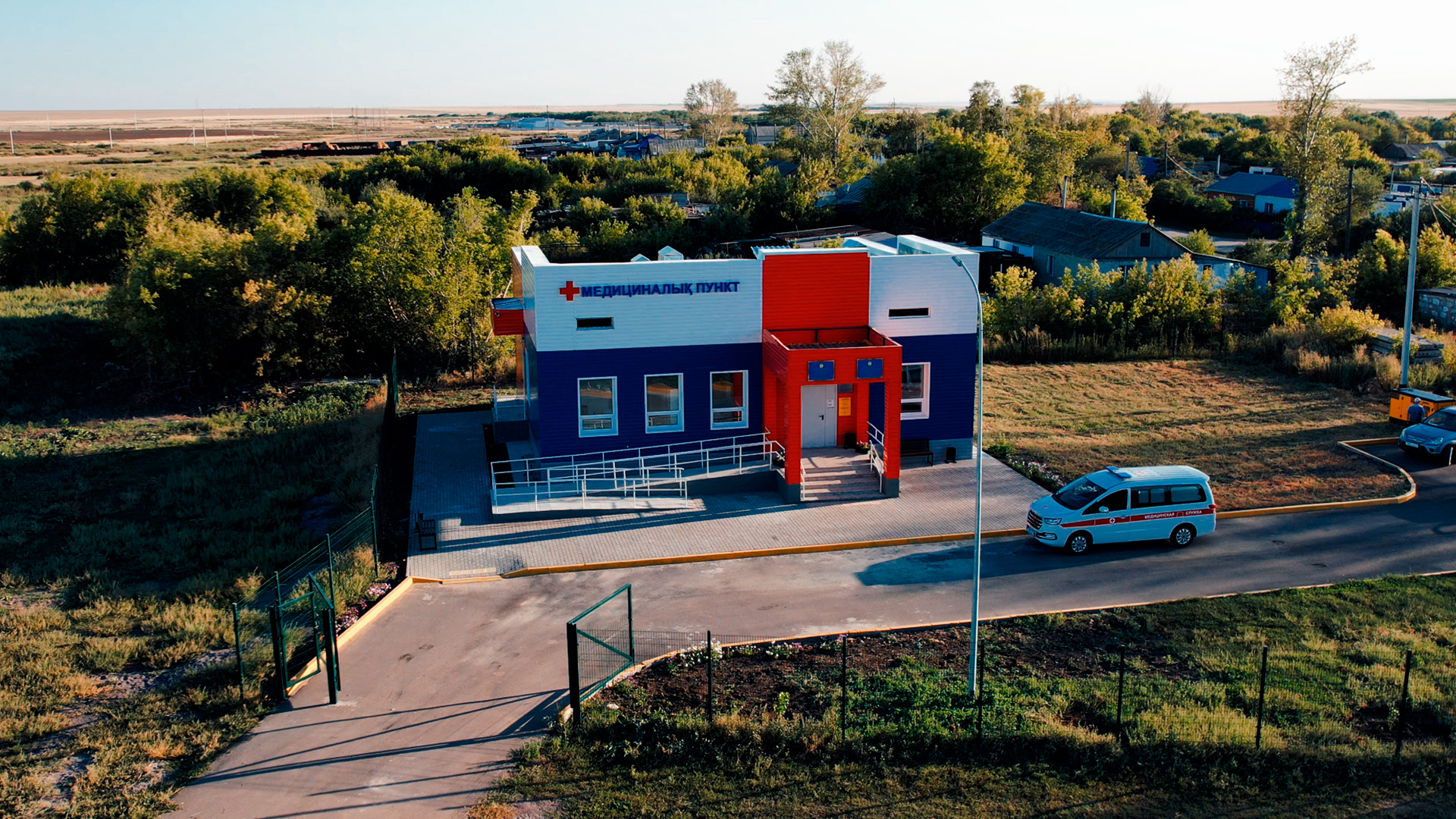 One example of rural medicine development is the Osakarov District of the Karaganda Region, where four medical posts and a medical outpatient clinic have been put into operation with funds from the Special State Fund.
“Thanks to the new facilities, more than 3,500 rural residents now have access to primary medical care. In addition to examinations, the medical outpatient clinic provides laboratory services and physiotherapy; day-care units are planned, which makes it possible to detect diseases in a timely manner and provide emergency care,” Olga Travneva explained, Director of the District Hospital of the Osakarov District of the Karaganda Region.
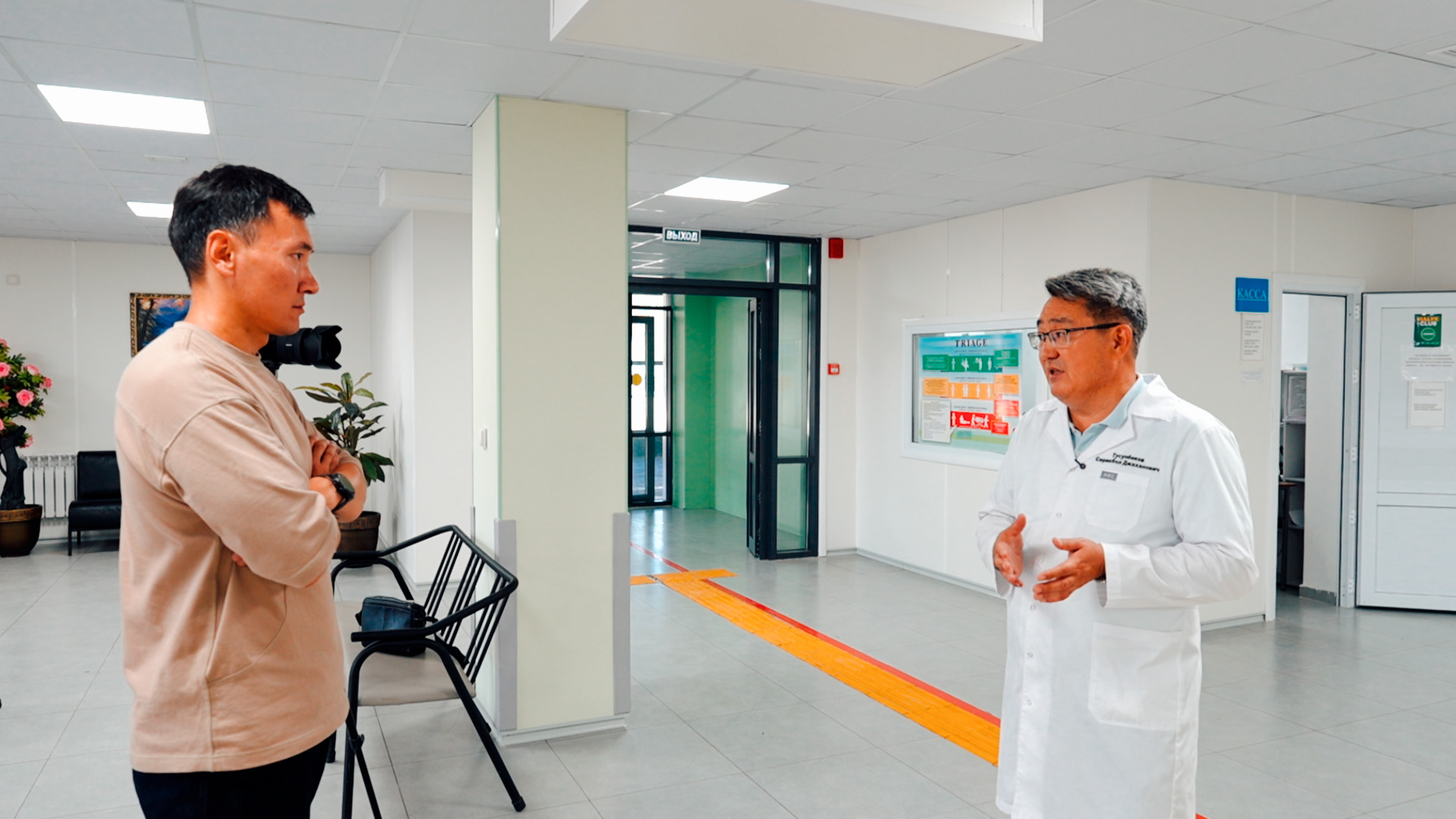 In the city of Balkhash, more than 1 billion tenge has been allocated to the development of medical infrastructure. A surgical-angiography building has been constructed for the Multidisciplinary District Hospital, and a children’s rehabilitation center has been opened. The new capabilities have made it possible to implement the “golden hour” principle when assisting patients with acute vascular diseases.
“A building of the district multidisciplinary hospital was constructed with funds from the returned assets. Thanks to this, we have been able to ensure compliance with the ‘golden hour’ principle. Previously, patients with acute myocardial infarction had to be transported 400 km to Karaganda, regardless of weather conditions. Not everyone could withstand such a journey. Today a patient arrives by ambulance directly at the specialized unit, and within half an hour to an hour we can perform the necessary intervention. Since the opening, 138 procedures have been carried out — coronary angiographies and cerebral angiographies; 12 patients have undergone stenting,” Serikbol Tusupbekov said, Director of the Multidisciplinary Hospital of the city of Balkhash.
Modern medical infrastructure in the regions creates new opportunities not only for patients but also for young specialists. Equipping hospitals with modern equipment and expanding the range of operations performed allow doctors to gain the necessary practice and develop professionally on site. Last year alone, out of 10,500 graduates of medical universities, 3,500 found employment in rural areas — almost twice as many as the year before.
“Today good conditions are being created for young specialists to work in the districts — relocation allowances, housing and guaranteed employment are provided. After studying abroad, I decided to return and apply the knowledge I gained here. In a regional hospital a young surgeon has the opportunity to work with modern equipment, perform complex interventions, gain experience and at the same time help people where such assistance is especially needed,” interventional radiologist Olzhas Serik noted.
 Transport Connectivity and Regional Aviation
Another area of use of the returned funds is the development of transport infrastructure. 43 billion tenge has been allocated from the Special State Fund for the implementation of eight projects.
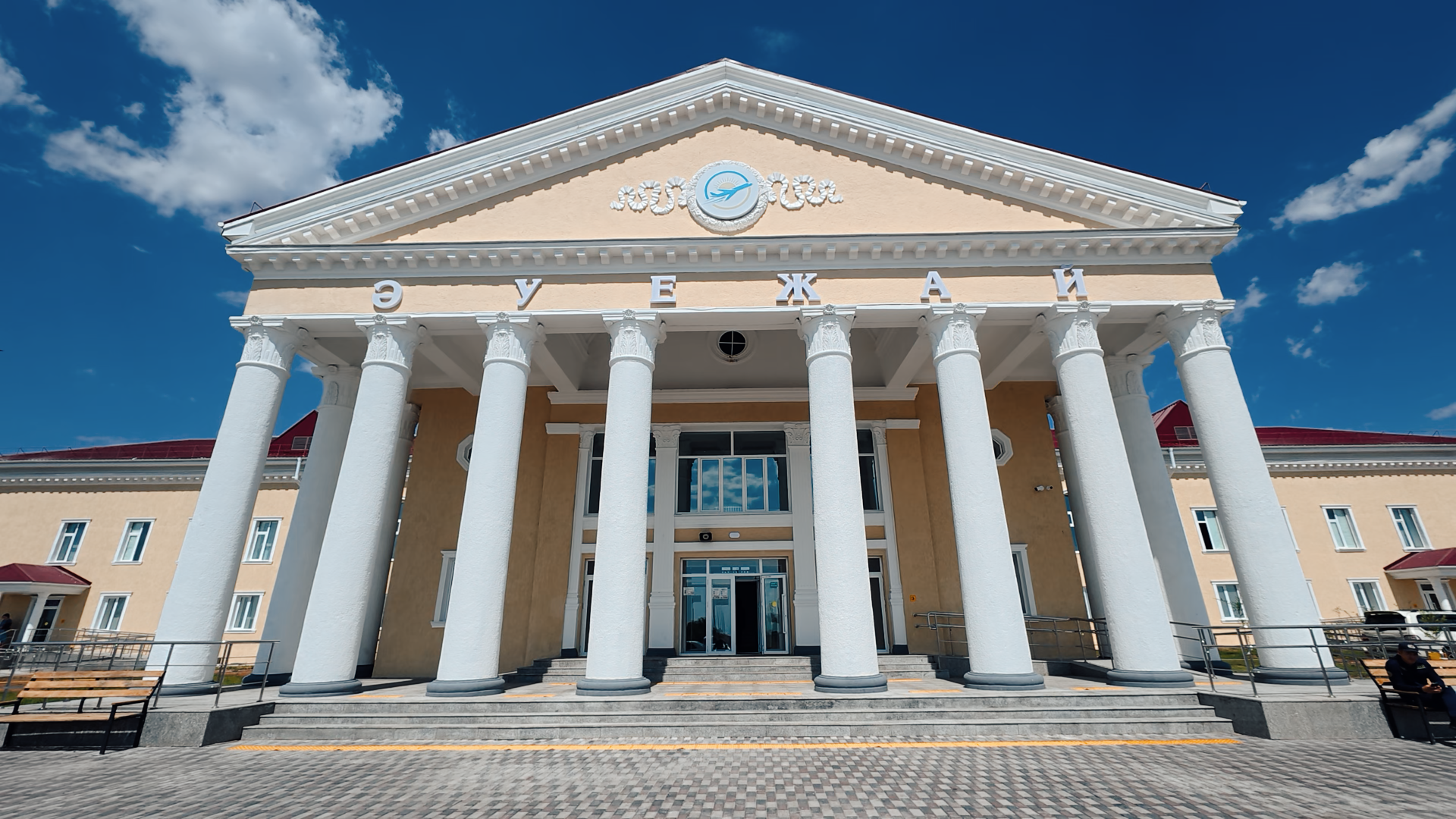
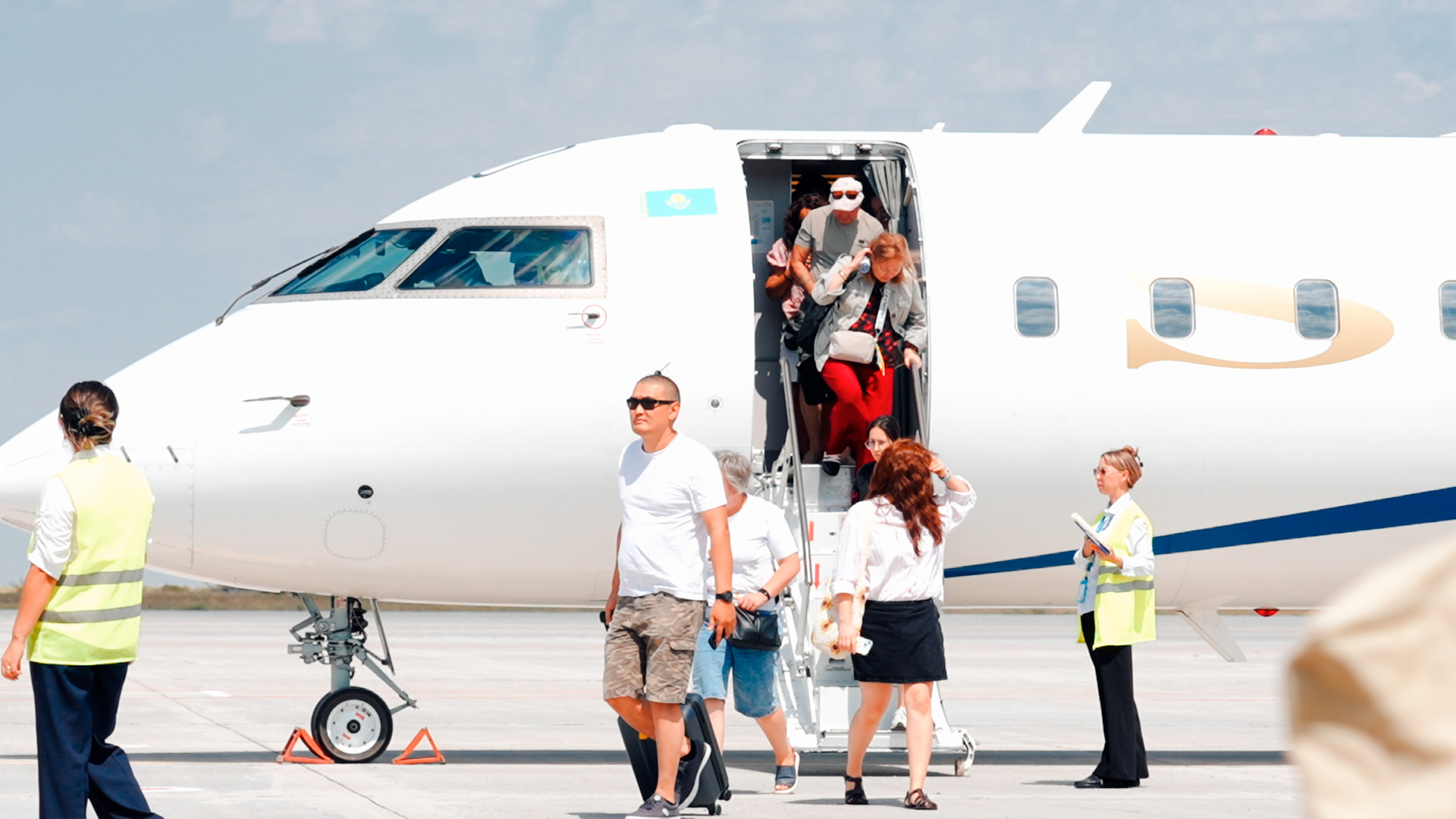
One of the completed projects is the reconstruction of Balkhash Airport, for which 946 million tenge was allocated. During the renovation of the building its historical architectural appearance of 1967 was preserved, while the airport terminal complex was fully modernized. The terminal was expanded, modern screening complexes and a baggage belt were installed, mother-and-child rooms were equipped, and a barrier-free environment for passengers with limited mobility was created. The airport’s capacity was increased from 60 to 80 passengers per hour.
Since 1 June 2026, regular flights from Balkhash to Astana and Almaty operate five times a week.
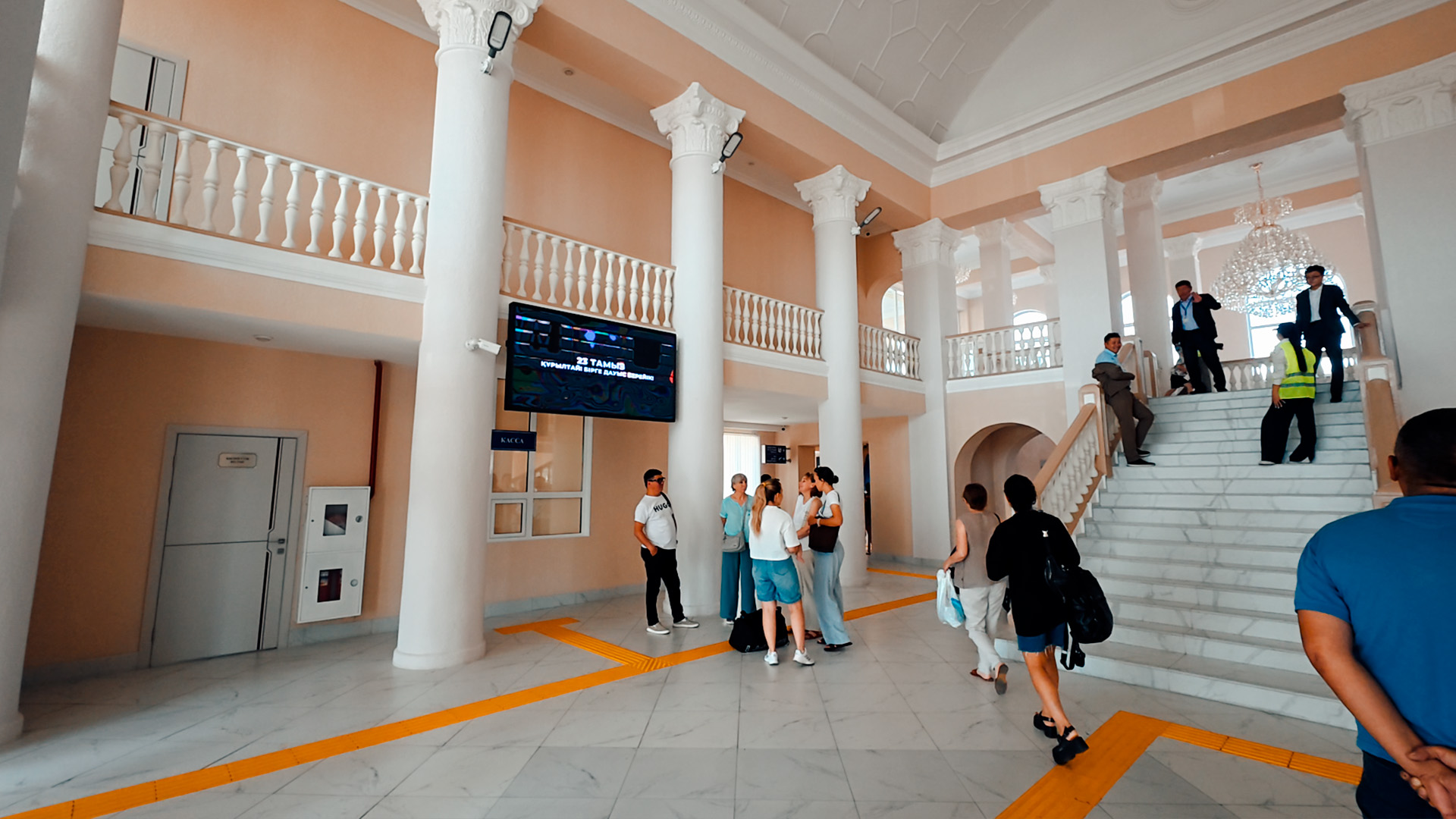 Construction and installation works at the airport of the city of Arkalyk are being completed with returned assets. A two-storey airport terminal complex has been built, a 2.5 km runway has been repaired, and the necessary equipment has been purchased. The airport is undergoing certification inspection; the aviation security certificate has already been obtained. After completion of all procedures, the opening of regular flights from Arkalyk to Kostanay, Astana and Almaty is planned.
“At present the Civil Aviation Committee is conducting competitive procedures to determine the airlines that will operate flights on these routes. Ticket prices have already been approved: a flight to Astana and Kostanay will cost 10,000 tenge, to Almaty — 25,000 tenge. The staff is being formed: of 136 staff units, 119 specialists have already been hired. At the same time, 95% of the employees are local residents. The opening of air connections is of great importance for the region. For example, while the journey by car to Kostanay currently takes about five hours, residents will be able to get there by plane in just 40 minutes. We express our sincere gratitude to the Head of State Kassym-Jomart Kemelevich Tokayev for the implementation of such an important project,” Zhaslan Iskakov noted, Head of the Airport of the city of Arkalyk.
 67.5 Billion Tenge from Returned Assets Allocated to Sports Projects
Financing of six projects for the development of sports infrastructure has been approved from the Special State Fund.
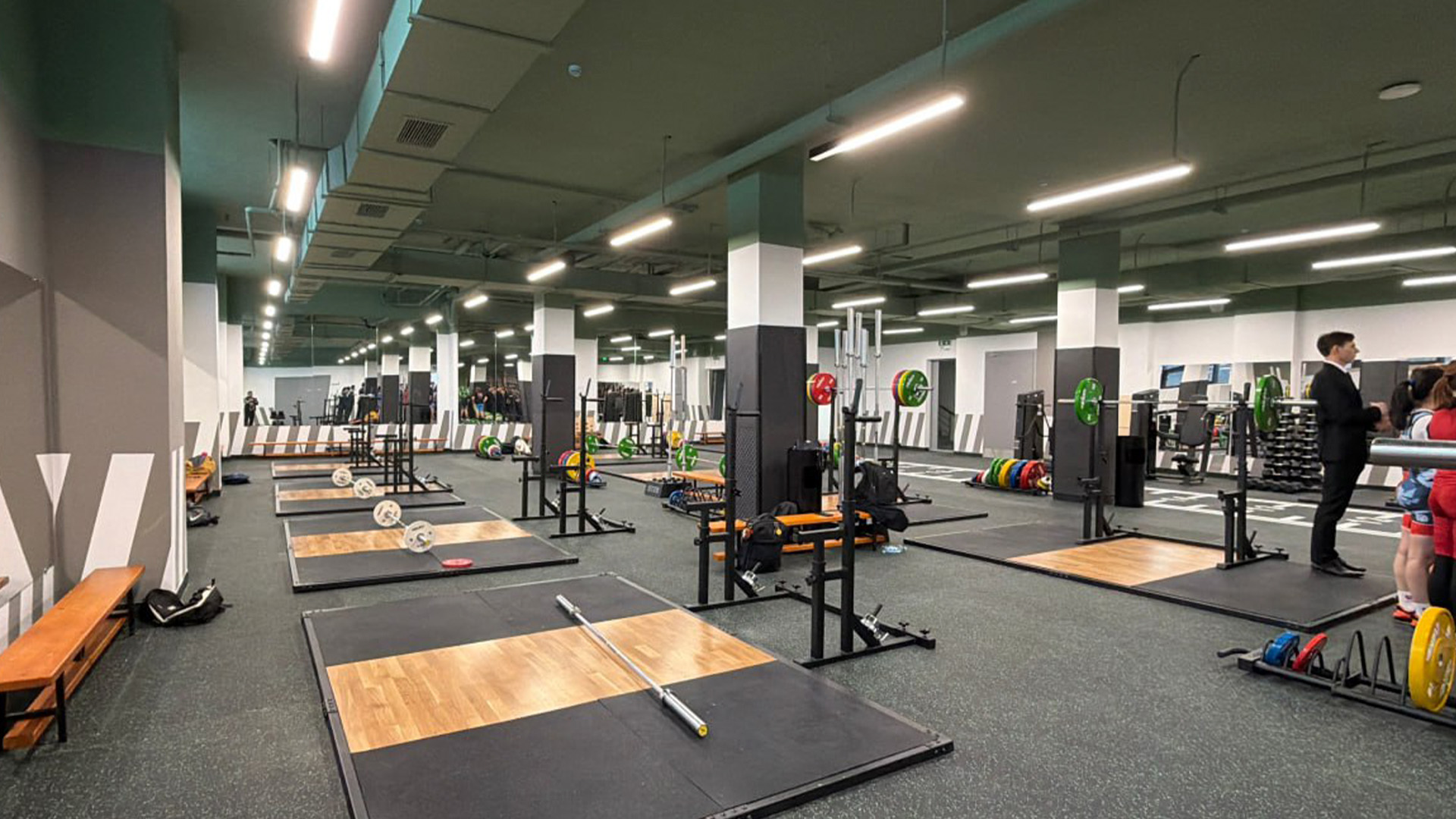
One of the already completed facilities is the multifunctional sports complex in the city of Kokshetau. The facility was built with returned assets and is intended for training processes and competitions at the regional and national levels. The complex is equipped with universal halls for martial arts and team sports, modern exercise equipment has been installed, and the necessary infrastructure for athletes and city residents is provided.
In addition, a physical culture and health complex has been commissioned in the village of Zerenda in the Akmola Region; after reconstruction, the stadium named after K. Munaitpasov has been opened in Astana; modernization of the capital’s Kazakhstan Sports Palace is ongoing.
Education, Energy and Industrial Infrastructure
Returned assets are also directed to the development of educational infrastructure. In this sphere, 17 projects totaling 64.4 billion tenge have been approved.
In the North Kazakhstan Region, a new school in Petropavlovsk and a kindergarten for 280 places have been opened. In Shymkent, a dormitory for 300 places for a special boarding school has been commissioned. New educational institutions have appeared in the Abai and Ulytau regions, as well as in the Zhambyl and Kostanay regions.
A separate project has been implemented for the Arkalyk Pedagogical Institute named after Y. Altynsarin — a building with a total area of 6,600 m² has been reconstructed with funds from the Special State Fund; it will house students of the Faculty of Natural Sciences and Informatization, as well as students of pedagogical and new educational programs. The additional building will expand the university’s capacity to train specialists.
“For us this is not just a new building, but additional opportunities for quality education and the further development of the university. Starting this year we plan to open new master’s programs in information technology, journalism and agriculture. An AI laboratory and specialized centers will also operate in the building. Joint projects with education departments, a clinical school, inclusive education and pedagogical research directions, as well as international programs will be developed here. All this will expand the educational and scientific capabilities of the university,” Zhaynagul Duysebayeva noted, Vice-Rector of the Arkalyk Pedagogical Institute named after Y. Altynsarin.
As part of the development of special economic zones, returned funds are directed to providing the necessary energy and engineering infrastructure for sites for the launch of new production facilities. In the North Kazakhstan Region, access roads, heat supply and telephone networks, as well as a main storm sewer system are being built to provide engineering infrastructure for new plants.
In the Zhambyl, Karaganda and Abai regions, projects are being implemented for the construction and modernization of boiler houses, gas pipelines and power transmission lines aimed at improving the reliability of energy supply to settlements and industrial facilities.
The joint work of the Government and the General Prosecutor’s Office on asset recovery ensures the financing of concrete social and infrastructure tasks. To date, more than 1.1 trillion tenge has been returned to the country and is being used for the construction and modernization of medical and educational facilities, water supply systems, airports, engineering networks and sports complexes.
This approach makes it possible to direct returned assets primarily to projects that have a direct impact on the quality of life of the population and the development of the regions.
#Civil aviation #Education #Healthcare #Infrastructural development #Reclamation Commission #Sports #Transport



Stay updated about the events of the Prime minister and the Government of Kazakhstan - subscribe to the official Telegram channel
Subscribe