18 August 2026, 08:05
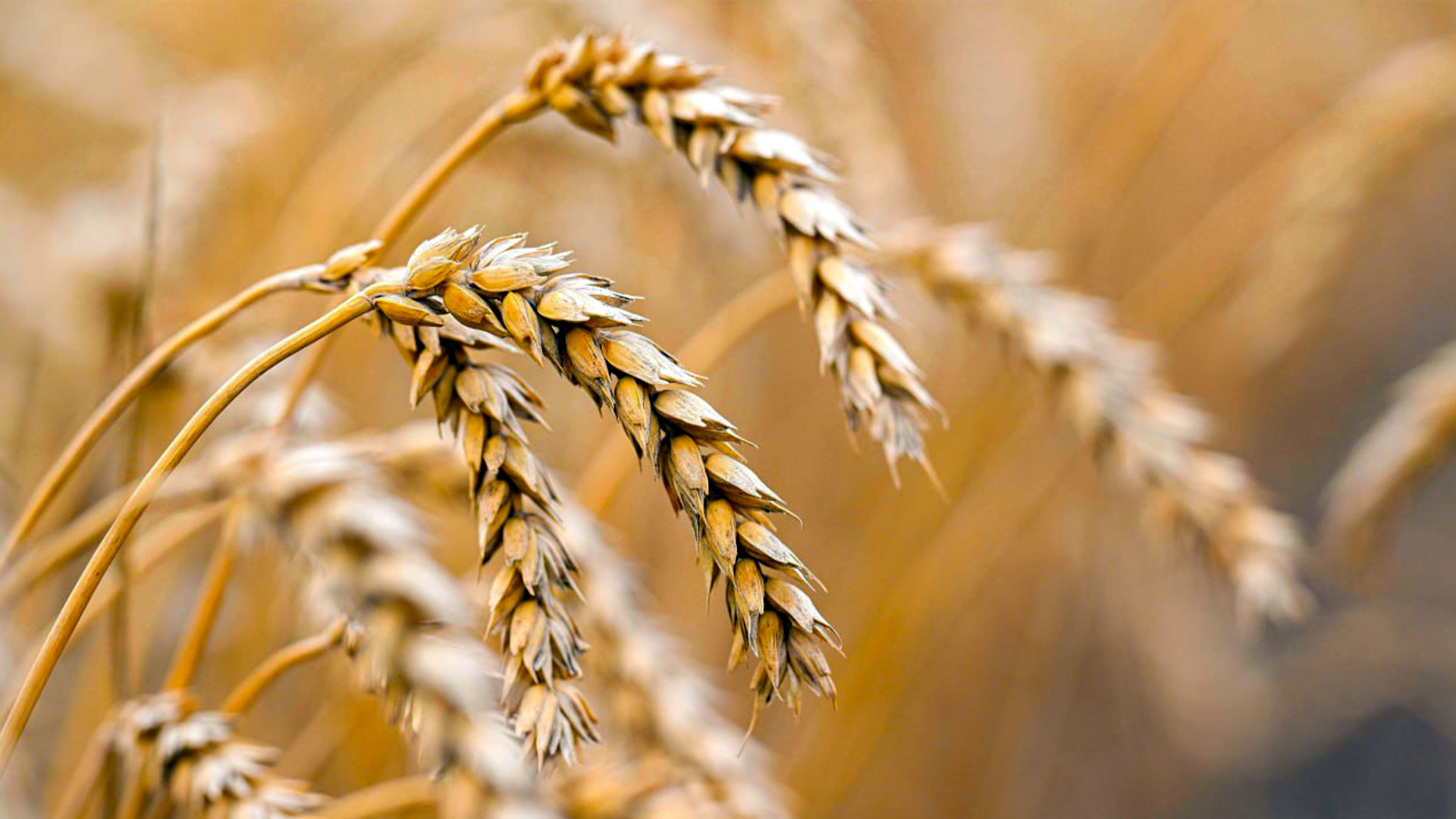
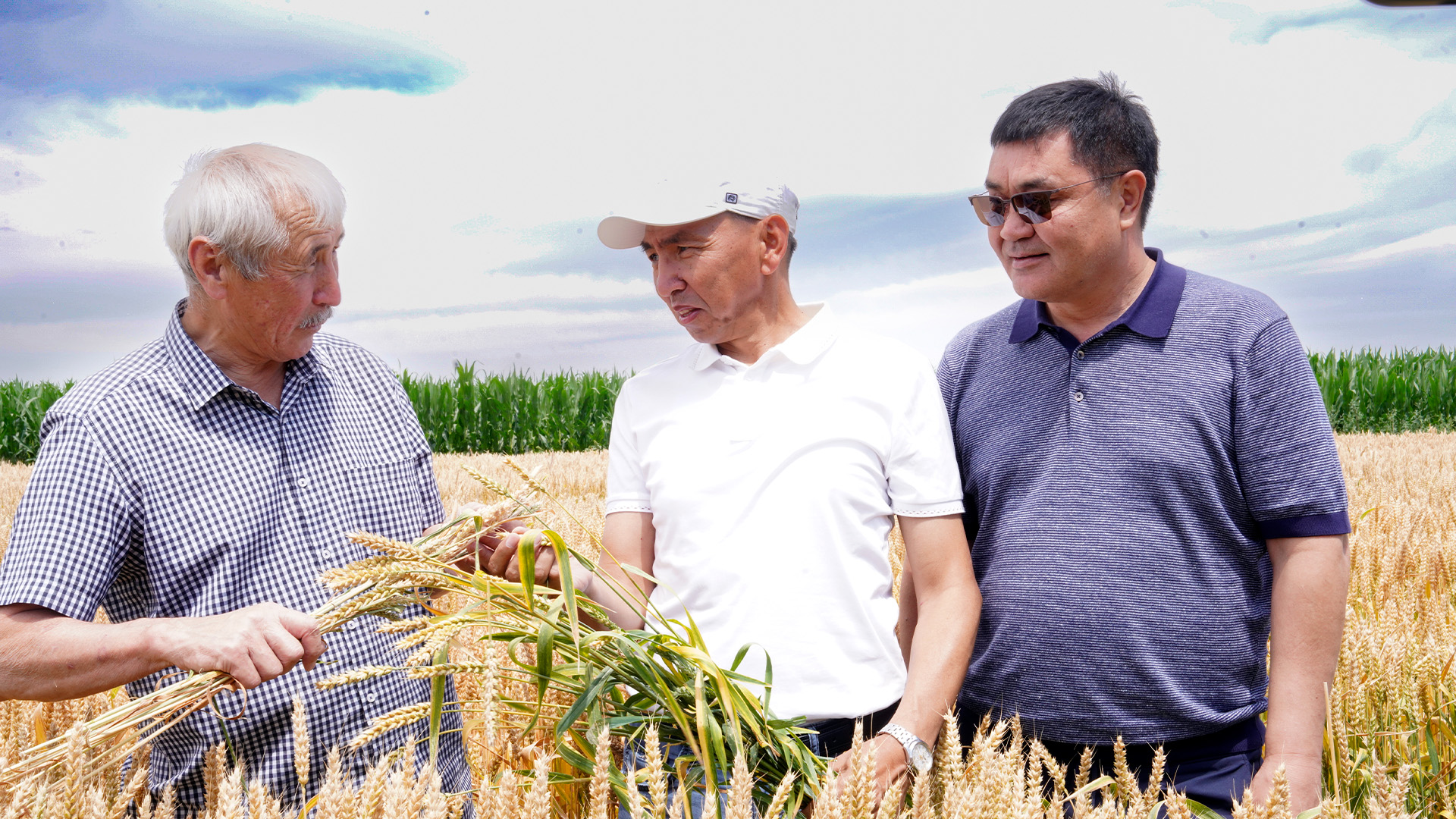
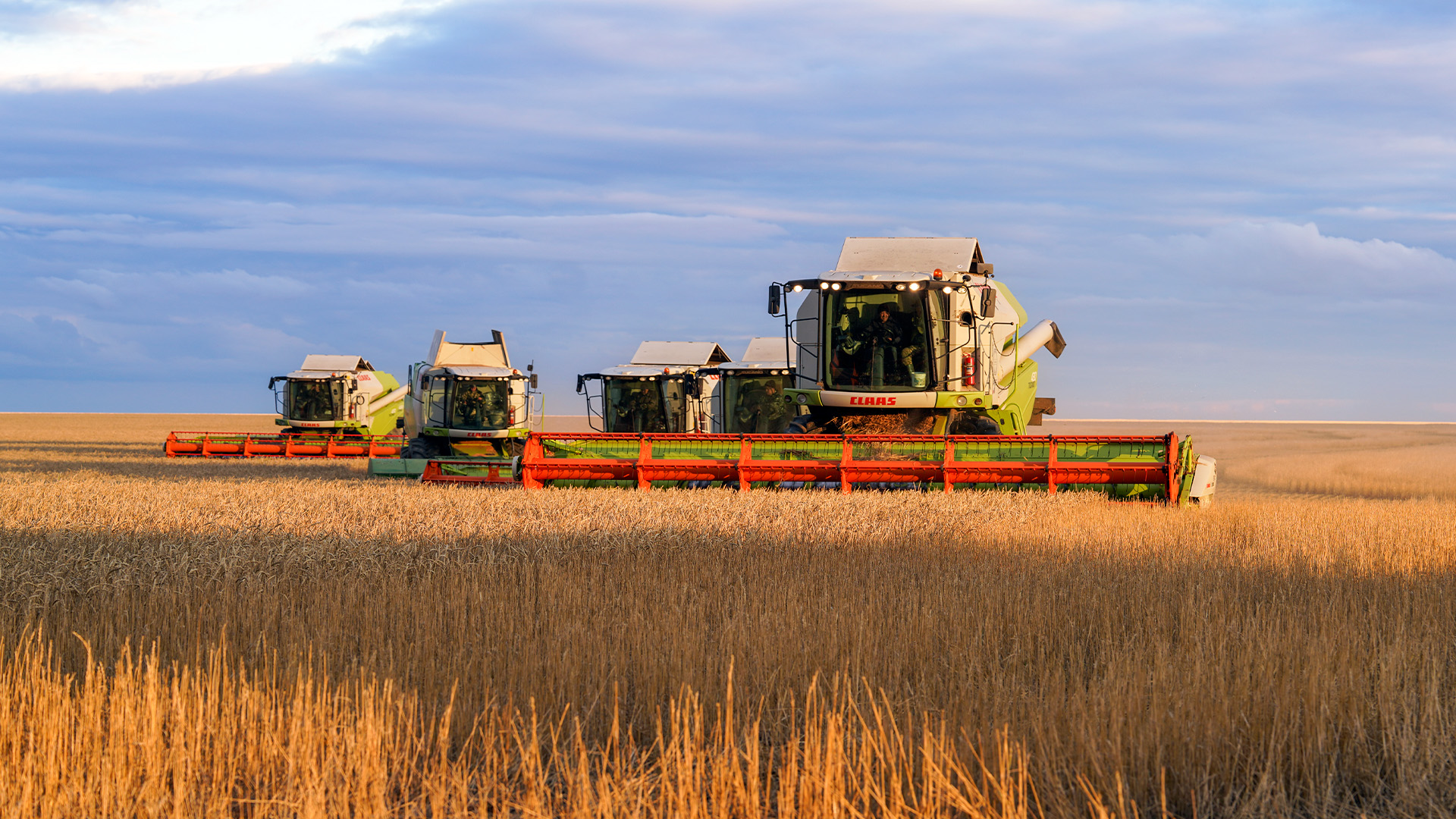 Within the framework of implementing the instructions of the Head of State Kassym-Jomart Tokayev, the Government is taking measures to ensure the stable conduct of the harvest campaign. Current indicators demonstrate growth in yields and the effectiveness of the measures being taken in the sector.
A key instrument in recent years has been the change in the approach to state support for the agro-industrial complex — from financing individual measures to comprehensive support for the entire production cycle.
Advance financing, access to preferential resources, renewal of agricultural machinery, increased volumes of fertilizer and high-quality seed application, as well as the introduction of modern agricultural technologies have enabled farmers to prepare for the season in a timely manner and ensure a high pace of harvesting operations.
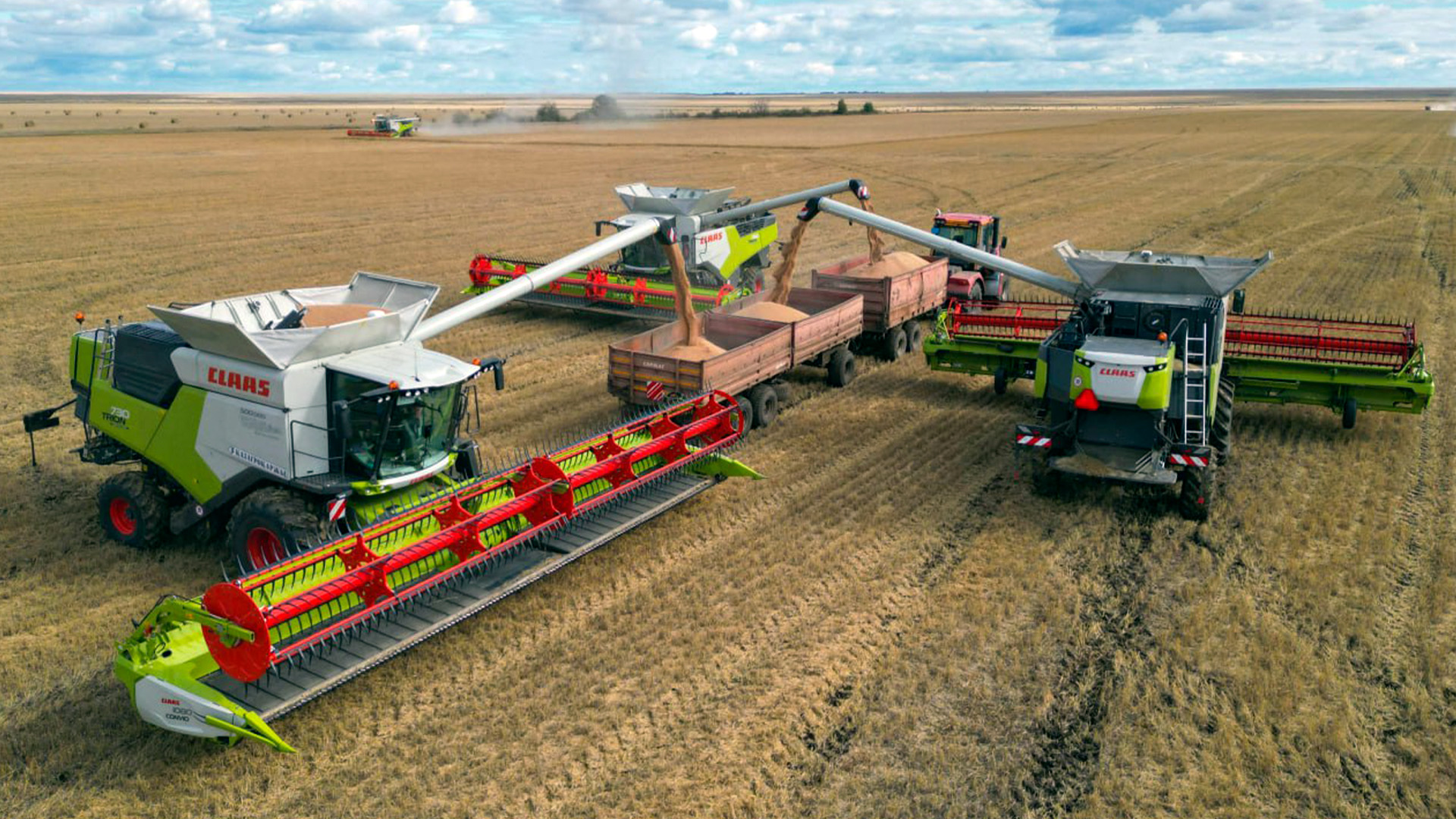
Harvesting rates are twice as high as last year, with an average yield of 14.6 c/ha
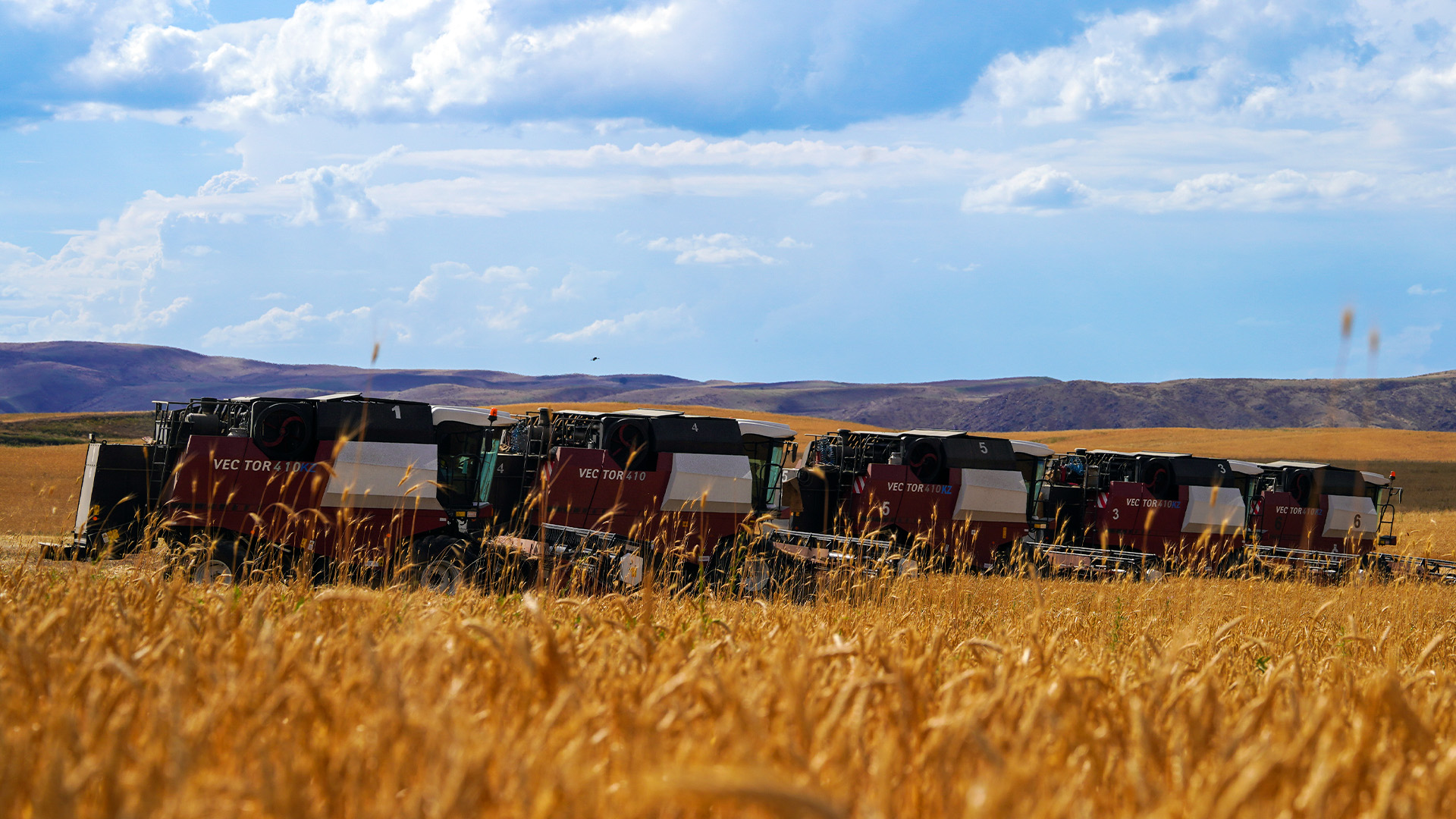
The mass harvesting campaign started in all major agricultural regions of the country on 15 August 2026. According to the Ministry of Agriculture, 2.6 million hectares of grain crops have been harvested to date. For comparison, 1.3 million hectares were harvested during the same period last year. The average yield as of 17 August stood at 14.6 c/ha. Positive dynamics are observed for the main types of agricultural crops.
As part of diversification, wheat sowing areas have been reduced by 875 thousand hectares. At the same time, gross harvest continues to grow. For other major crops, 1.6 million tonnes of cucurbit crops, 1.1 million tonnes of vegetables, and 513 thousand tonnes of potatoes have been harvested to date.
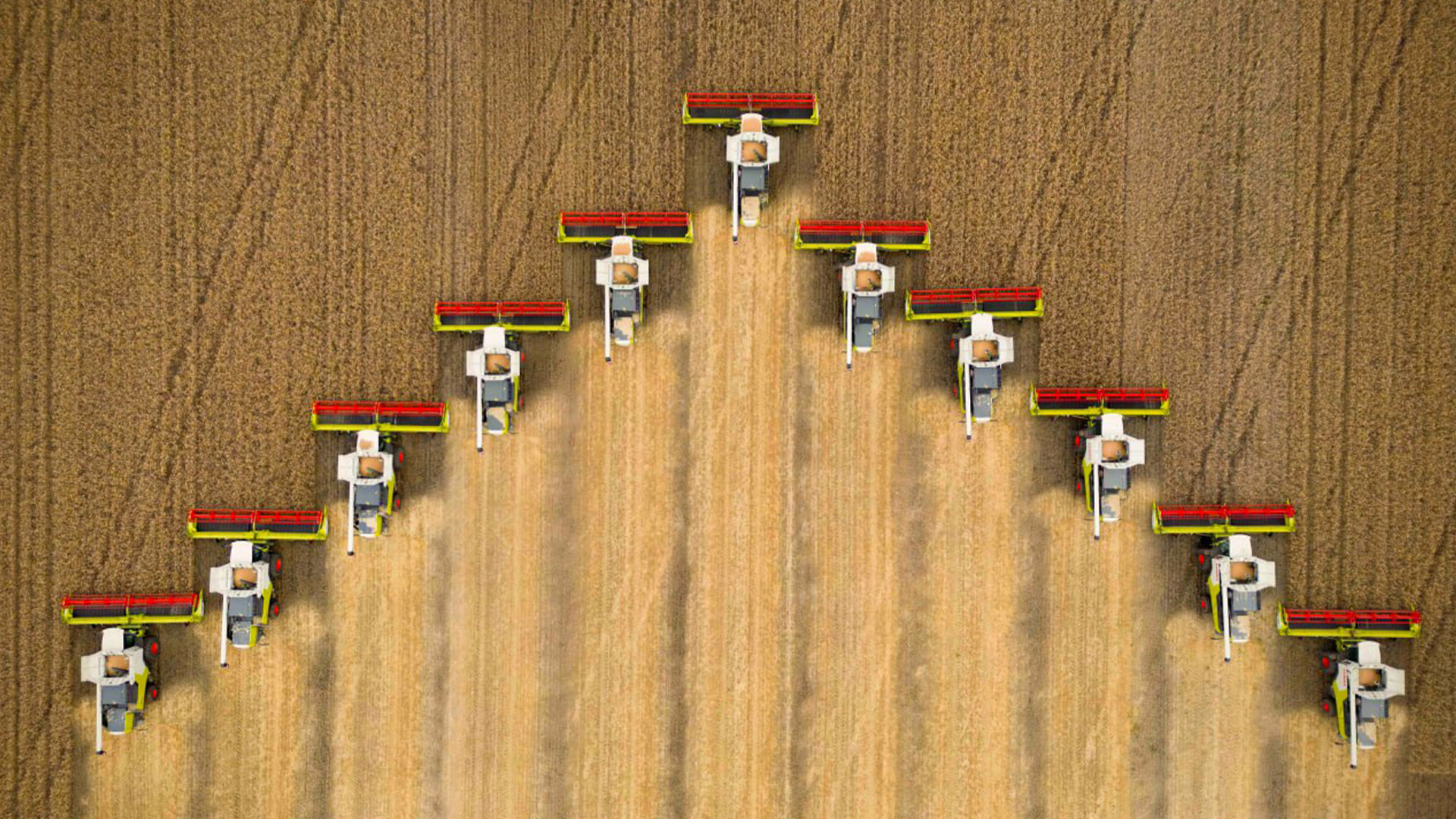
Financing of the agro-industrial complex has increased more than sevenfold over three years
The results achieved are the outcome of consistent strengthening of state support for the agricultural sector. Over two years, the volume of financing for the agro-industrial complex grew from 140 billion tenge in 2023 to 1 trillion tenge in 2025. Special attention has been paid to increasing the accessibility of financial resources at the early stages of the production cycle.
An important support instrument has been the preferential lending programme “Keñ dala”, aimed at the timely financing of spring field and harvesting work. This year, approximately 750 billion tenge was planned for these purposes. To date, 657.7 billion tenge has already been issued. Financing was received by 5.6 thousand agricultural producers, covering 7.7 million hectares of sown areas. Farmers were able to plan their work in advance and purchase the necessary resources in a timely manner — seeds, fertilizers, plant protection products, fuels and lubricants, and machinery. This made it possible to conduct the sowing campaign within optimal agrotechnical timeframes and ensure the full range of necessary technological operations.
Today, adherence to technology is becoming one of the key reserves for increasing the productivity of the sector. Over the past two years, the volume of mineral fertilizer application has tripled — to 1.8 million tonnes. This year, the figure is planned to reach 2.3 million tonnes. To date, contracts have already been concluded for the supply of 2 million tonnes of fertilizers, of which 1.9 million tonnes, or 83% of the annual plan, have been shipped to agricultural producers. Work continues to improve the quality of the seed fund. The share of elite seed use has increased from 7.1% in 2023 to 11.6% at present.
At the same time, technical re-equipment of the sector is accelerating. Under the preferential leasing programme, the volume of financing increased 10-fold and reached 350 billion tenge in 2026. Since the beginning of the year, 6,790 applications totaling 256.3 billion tenge have been financed under the programme for the purchase of 7,718 units of agricultural machinery. Overall, last year farmers acquired about 25 thousand units of modern machinery, and the rate of renewal of the machine and tractor fleet accelerated: from 6% in 2024 the indicator rose to 6.5% in 2025, and this year it is expected to increase to 8%.
An analysis conducted in the main grain-growing regions shows a stable link between the level of technological provision of farms and final yields. The higher the adherence to agricultural technologies and the availability of necessary resources, the higher the production efficiency. In this regard, the further development of the sector is focused on increasing productivity per hectare, rational use of resources, and the consistent introduction of modern technologies.
Grain storage capacity of 30.7 million tonnes: infrastructure is ready for the new harvest
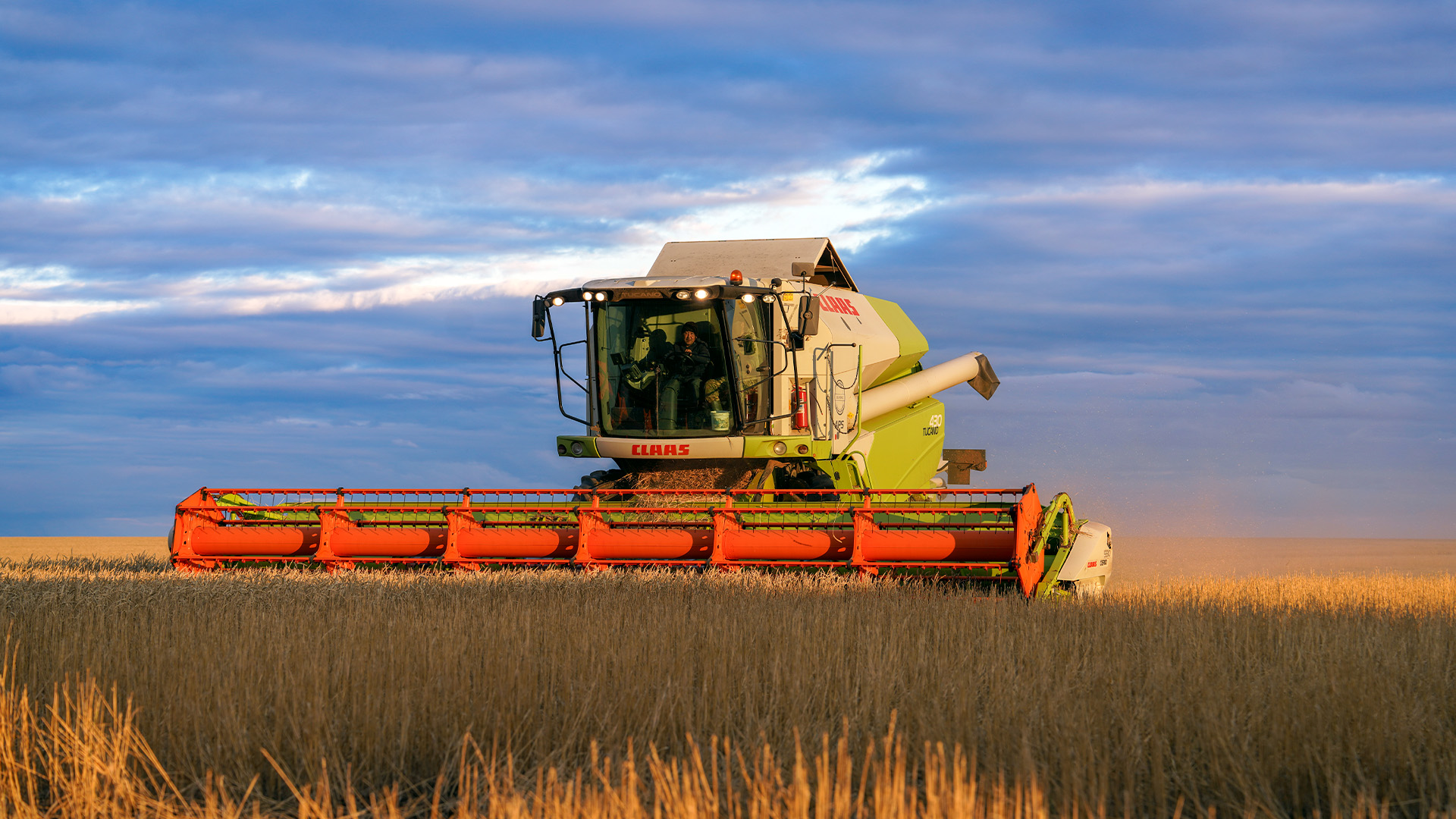
The readiness of infrastructure for receiving the new harvest has been ensured in advance. According to regional akimats, the total grain storage capacity in the republic is 30.6 million tonnes. Of this, 13.2 million tonnes are accounted for by operating licensed grain-receiving enterprises, and another 17.4 million tonnes by the capacities of agricultural producers. There are currently 189 operating grain-receiving enterprises in the republic.
According to the Qoldau.kz portal, the occupancy of licensed grain storage facilities stands at 2.5 million tonnes, or 18%. The free storage volume is 10.7 million tonnes. To support agro-industrial complex entities, state support is provided in the form of investment subsidies. The reimbursement rate under project passport No. 21 “Construction and expansion of grain storage facilities” is 25%. The quality of incoming wheat also remains high.
In total, 469.5 thousand tonnes of grain from the new harvest have been delivered to licensed grain-receiving enterprises. This is almost four times higher than the figure for the same period last year, when the volume of grain received was 120.5 thousand tonnes. Of the soft wheat from the new harvest delivered for storage, 70% is classified as third class, 18% as fourth class, and 12% as fifth class and non-class wheat.
Uninterrupted harvesting is ensured by stable supplies of diesel fuel to farmers
One of the key conditions for conducting the harvest campaign remains the timely provision of diesel fuel to farmers. This year, a fuel supply schedule for agricultural producers was formed jointly with the Ministry of Energy. The total volume of diesel fuel allocated for the agricultural sector in 2026 amounted to 803 thousand tonnes. Of this, 402 thousand tonnes were allocated for spring field work and 401 thousand tonnes for autumn work.
Taking into account operators’ costs (including transport), the final cost for agricultural producers in the main grain-growing regions is 305–310 tenge per litre, which is 10% cheaper than the market price (the price at filling stations is 335–340 tenge/litre as of August of the current year). To date, 71 thousand tonnes of fuel have been shipped. The issue of providing farmers with fuel is under the constant control of the Government.
Yield rather than expansion of areas is becoming the main growth factor
The current harvest campaign reflects the transition of the agricultural sector to a more productive model, in which growth in production volumes is ensured primarily through increased efficiency and yields.
Changes in the structure of crops are accompanied by technological renewal of the sector. The application of fertilizers and high-quality seed material is expanding, agricultural machinery is being renewed, and water-saving technologies are being introduced. State support covers the main stages of the production cycle — from early financing and resource provision to the modernization of farms and the development of the necessary infrastructure.
The consistency of the measures taken by the Government makes it possible to consolidate the results achieved and form a sustainable basis for further growth in the productivity of the agro-industrial complex. Further work will be aimed at increasing the productivity of the agricultural sector, introducing modern technologies, rational use of land and water resources, as well as reducing costs and increasing the economic return of agricultural production. This corresponds to the strategic task of the Head of State to form a competitive, technological, and sustainable agro-industrial complex capable of supplying the domestic market with high-quality products and consistently increasing Kazakhstan’s export potential.



Stay updated about the events of the Prime minister and the Government of Kazakhstan - subscribe to the official Telegram channel
Subscribe