10 September 2026, 08:40
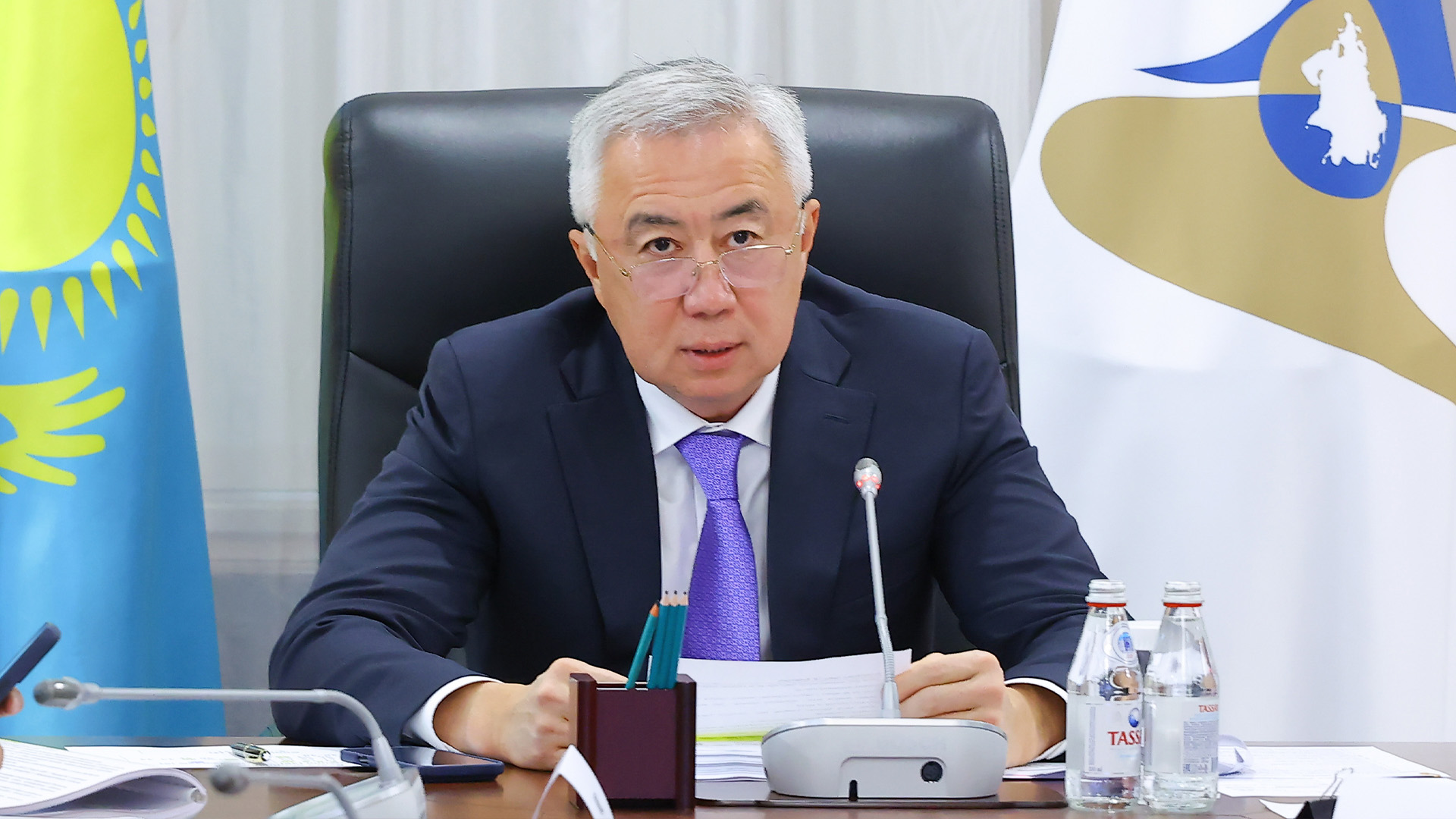
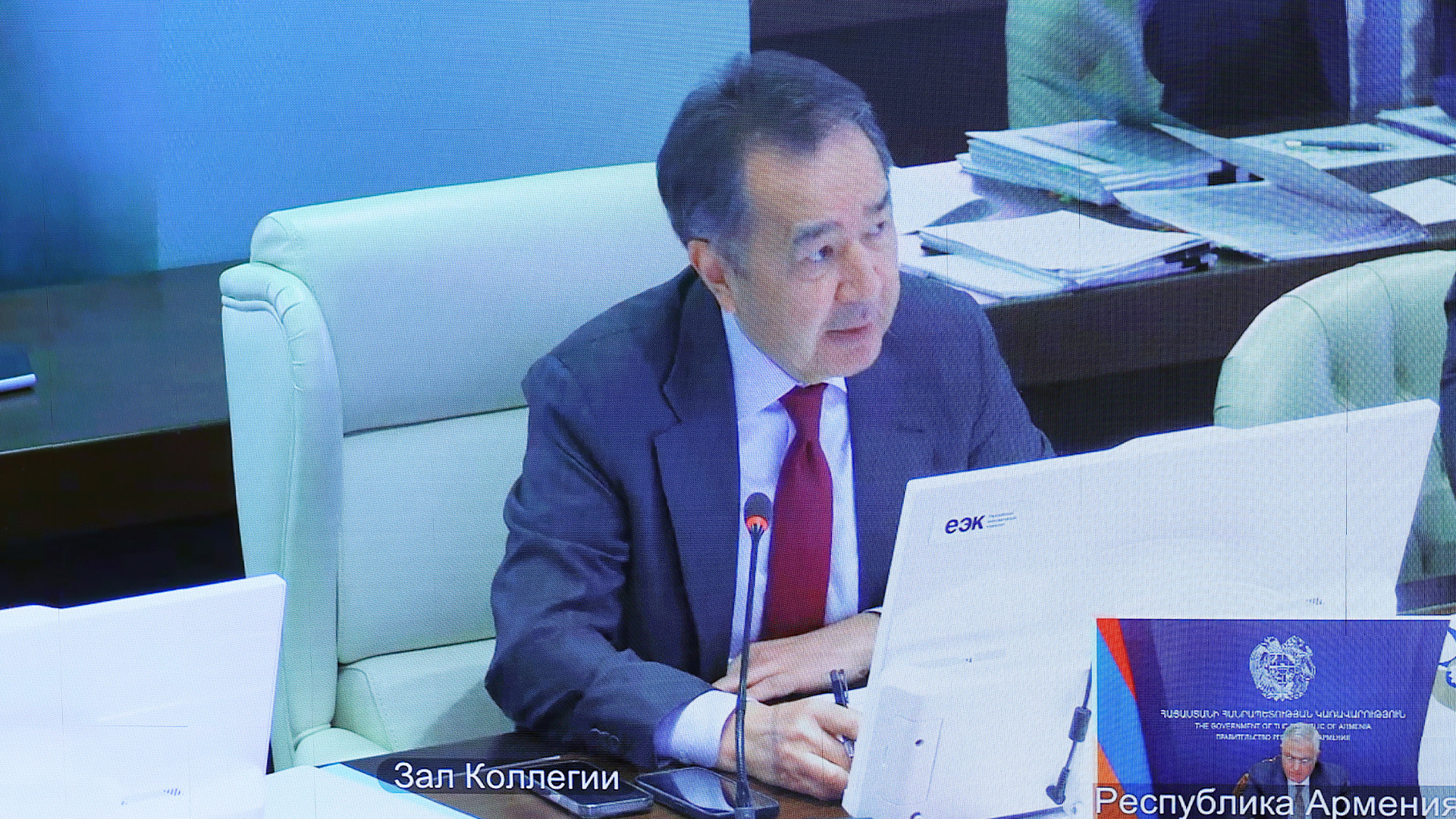
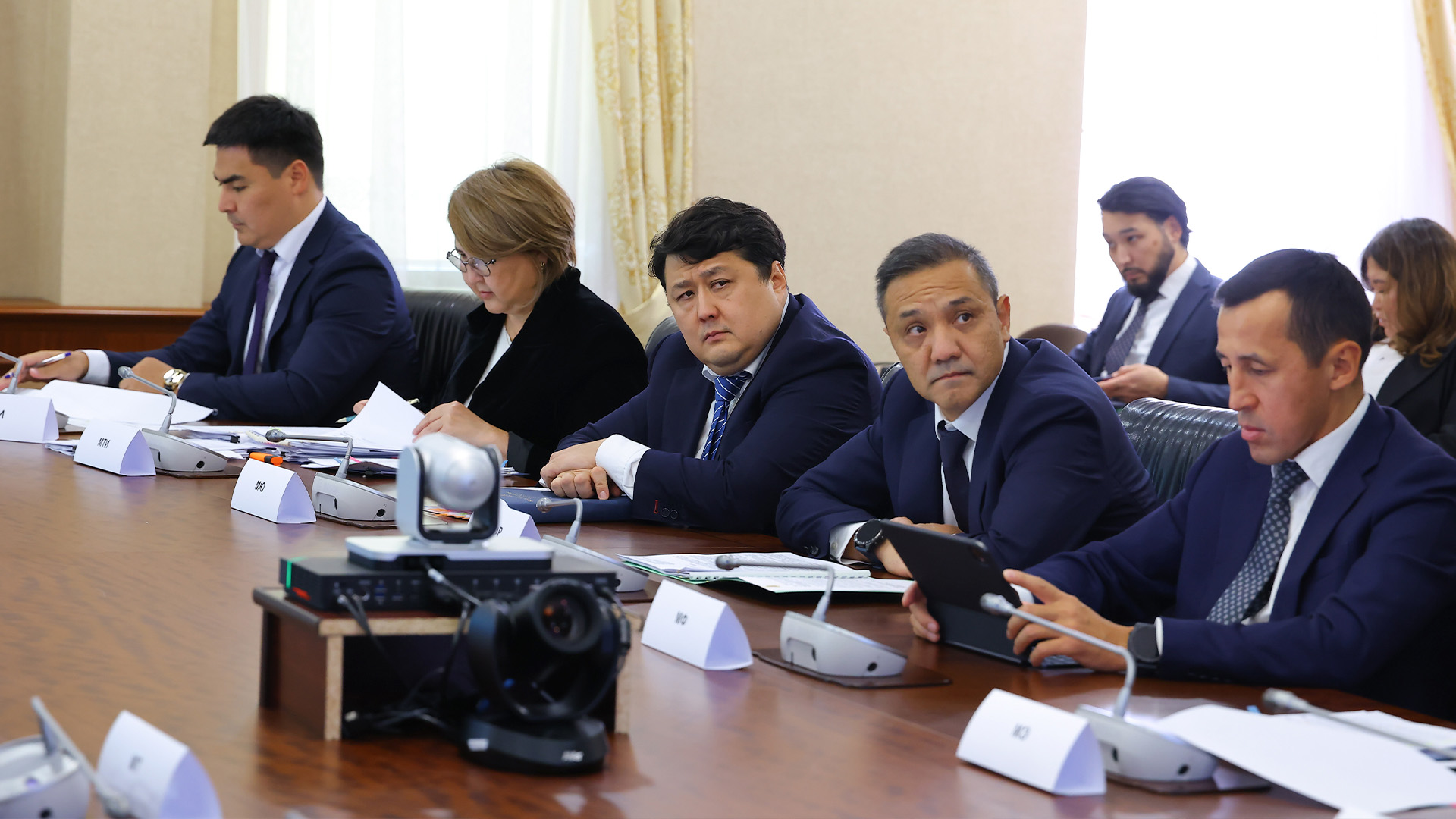
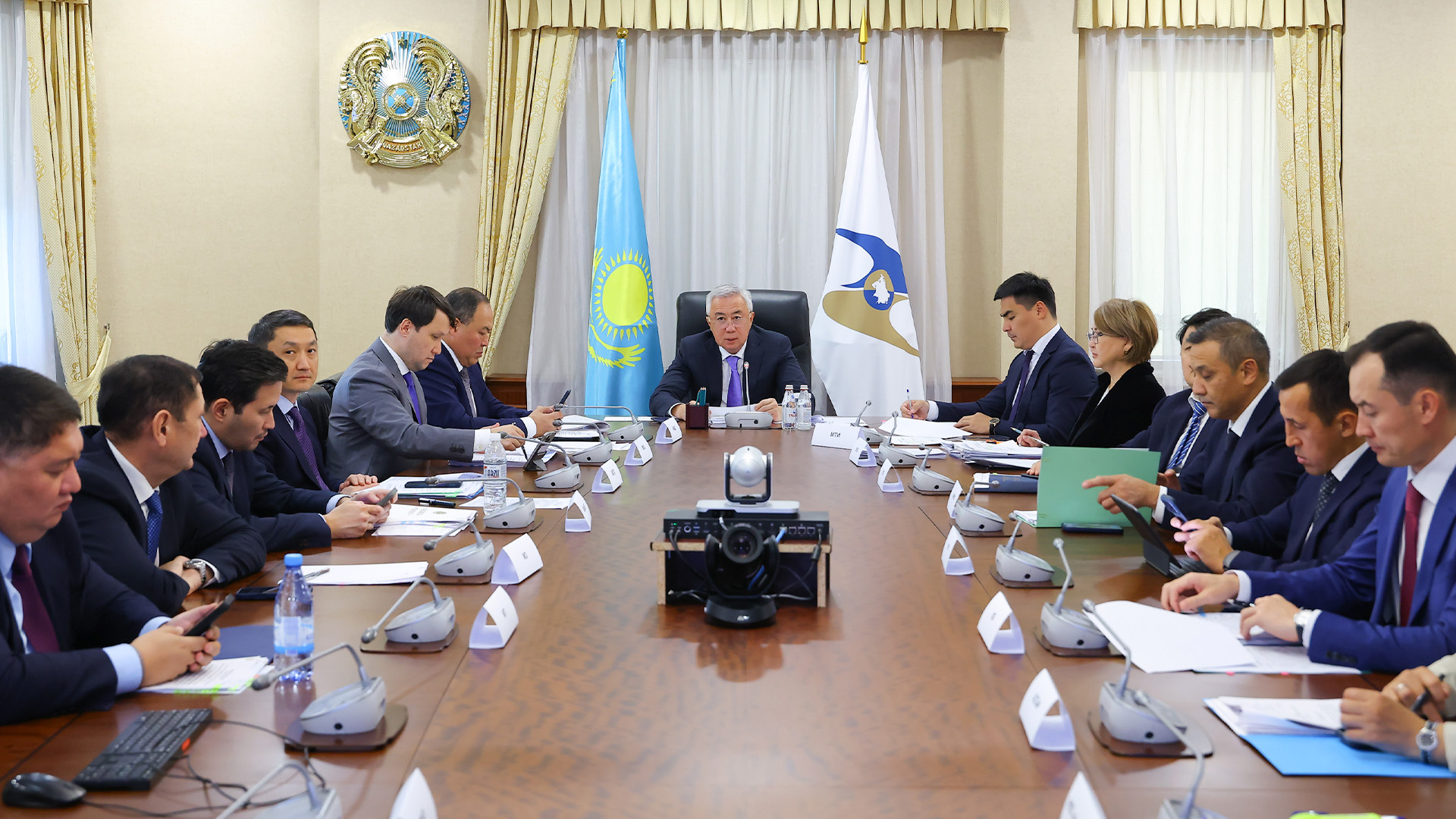 These decisions were made at a regular online meeting of the EEC Council. The Kazakh delegation was led by Deputy Prime Minister and Minister of National Economy Serik Zhumangarin.
Specifically, one of the initiatives involves a cooperative project to construct the AKRUS paint and varnish manufacturing plant in the Moscow region. The facility will produce coatings with superior anti-corrosion and fire-retardant properties compared to existing market alternatives. Designed as a five-year initiative, implementation begins this year.
Project participants include Belarus’s Orion-VK NPP, Kazakhstan’s Asyl Construction LLP—which will supply part of the materials and technological equipment—and Russia’s AKZ Coatings LLC.
Another new cooperative venture entails constructing a new mixing line at the Samara Gypsum Plant. The project aims to boost the output of dry construction and specialized mixtures by 75,500 tonnes annually. Kazakhstan’s Elita LLP will provide engineering and construction services, alongside Belarus’s Remeza CJSC. The projected economic return for Kazakhstan’s budget through tax revenues is estimated at around 180 million tenge.
As a reminder, a cooperative project for agricultural machinery manufacturing in Akmola Region was approved in 2025.
Cooperative projects within the EAEU benefit from preferential financing at reduced rates through interest rate subsidies on loans. These initiatives are designed to foster technological advancement, establish new production models, and expand trade and economic ties across member states of the economic union.
The Council also adopted amendments to several agricultural documents, including updates to the field inspection methodology for crop varieties.
Additionally, members agreed to revise the Unified Quarantine Phytosanitary Requirements for regulated products and objects at the EAEU border and territory. The changes optimize phytosanitary measures regarding the pepino mosaic virus, which affects tomatoes, peppers, and eggplants. Specifically, the requirement for the absence of this virus in such produce will be waived, provided the importing country maintains adequate phytosanitary safety standards.
The Council further amended the list of regulated products subject to phytosanitary control at the EAEU border and territory. Mandatory phytosanitary certificates for wooden packaging and dunnage will no longer be required if the materials bear the marking mandated by the Unified Requirements.
These updates aim to create more favorable conditions for producing and trading relevant goods across EAEU member states.
Furthermore, amendments were made to the Customs Union's technical regulation "On the Safety of Toys." The updates establish mandatory safety requirements for toys designed for children under 14, aimed at protecting consumers from misleading product information and preventing non-compliant toys from entering the market.
The parties also deliberated and reached decisions on several procedural matters regarding other sectors and the work of the Commission.



Stay updated about the events of the Prime minister and the Government of Kazakhstan - subscribe to the official Telegram channel
Subscribe