05 June 2026, 15:35
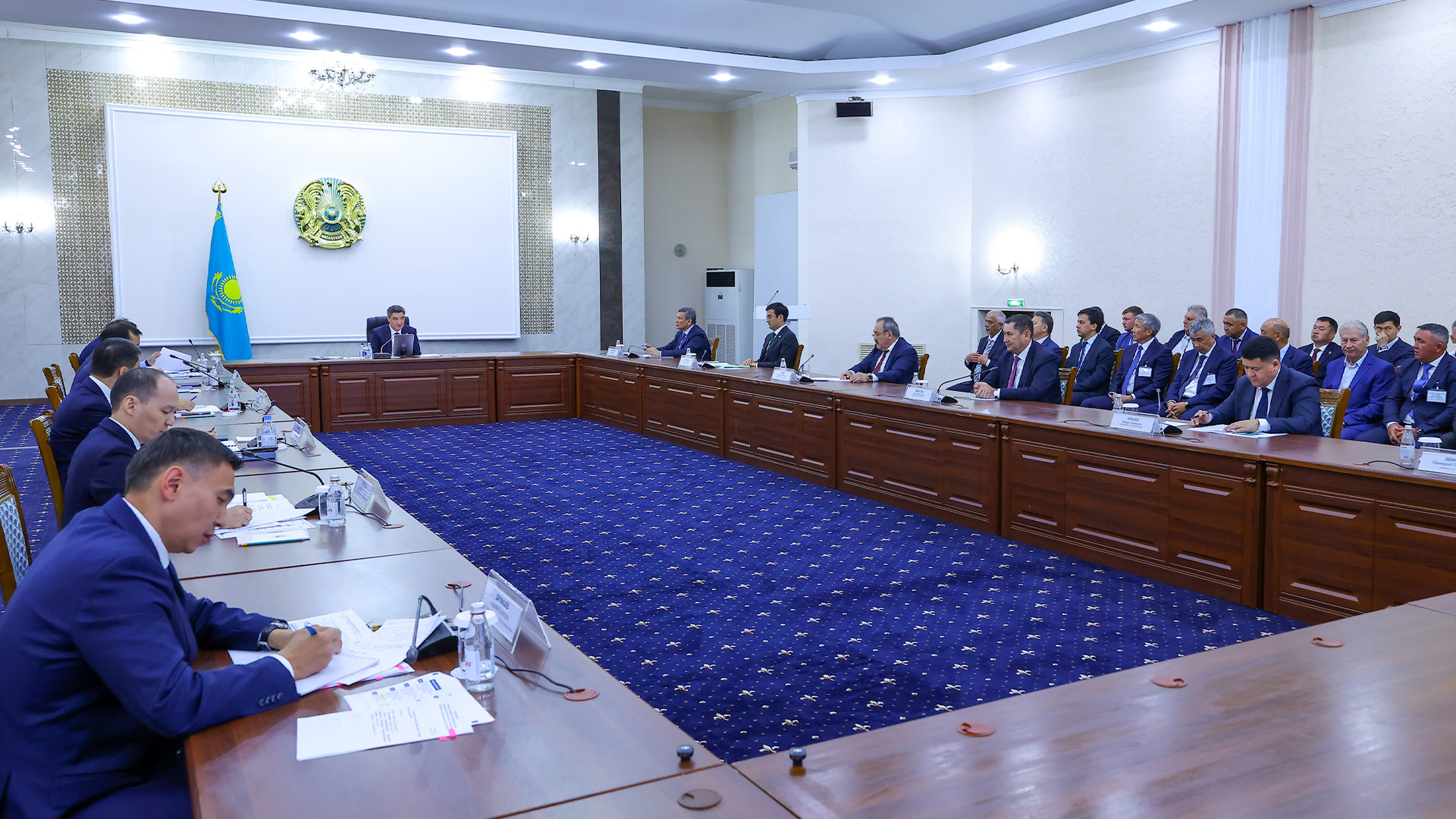
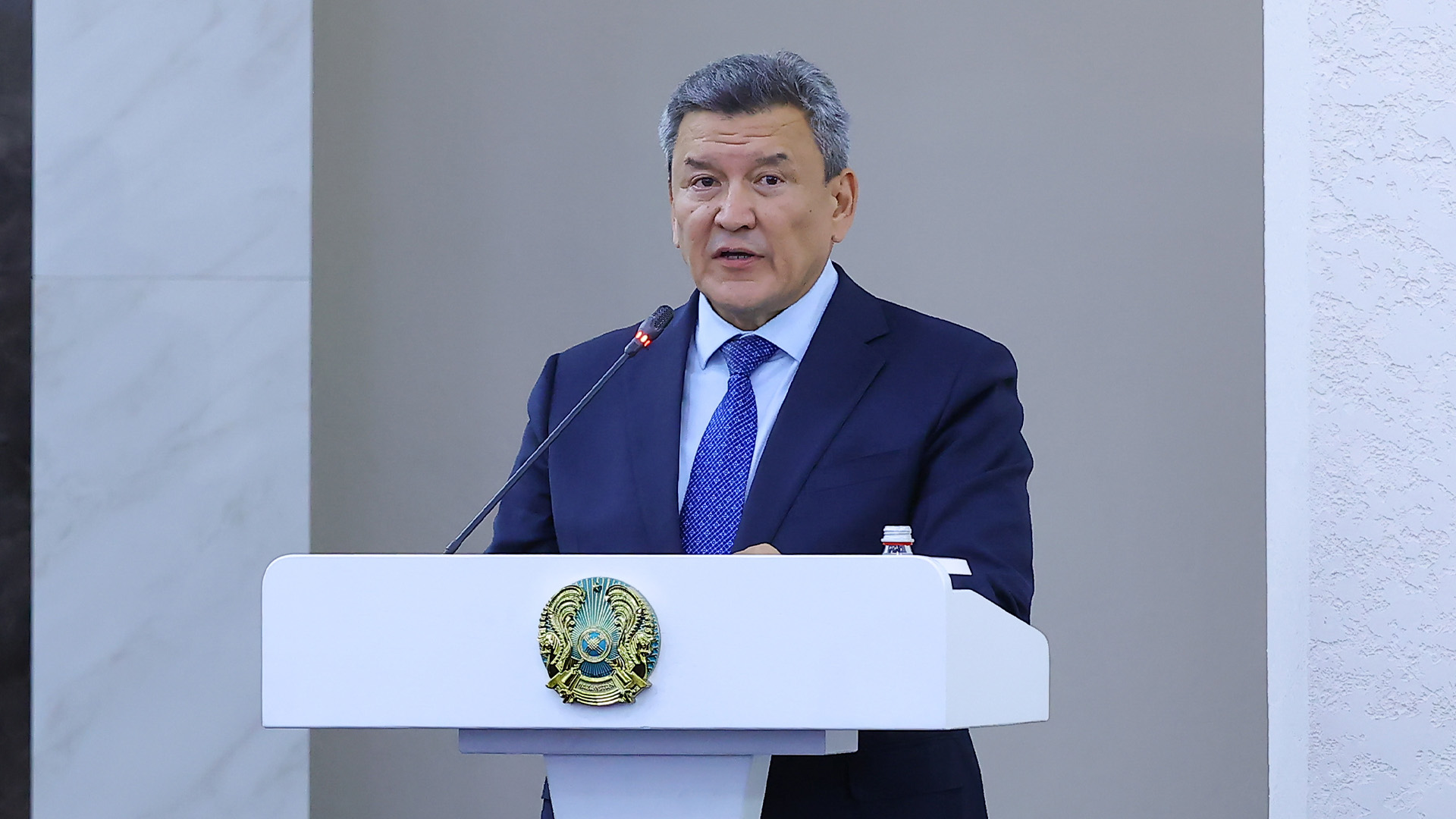
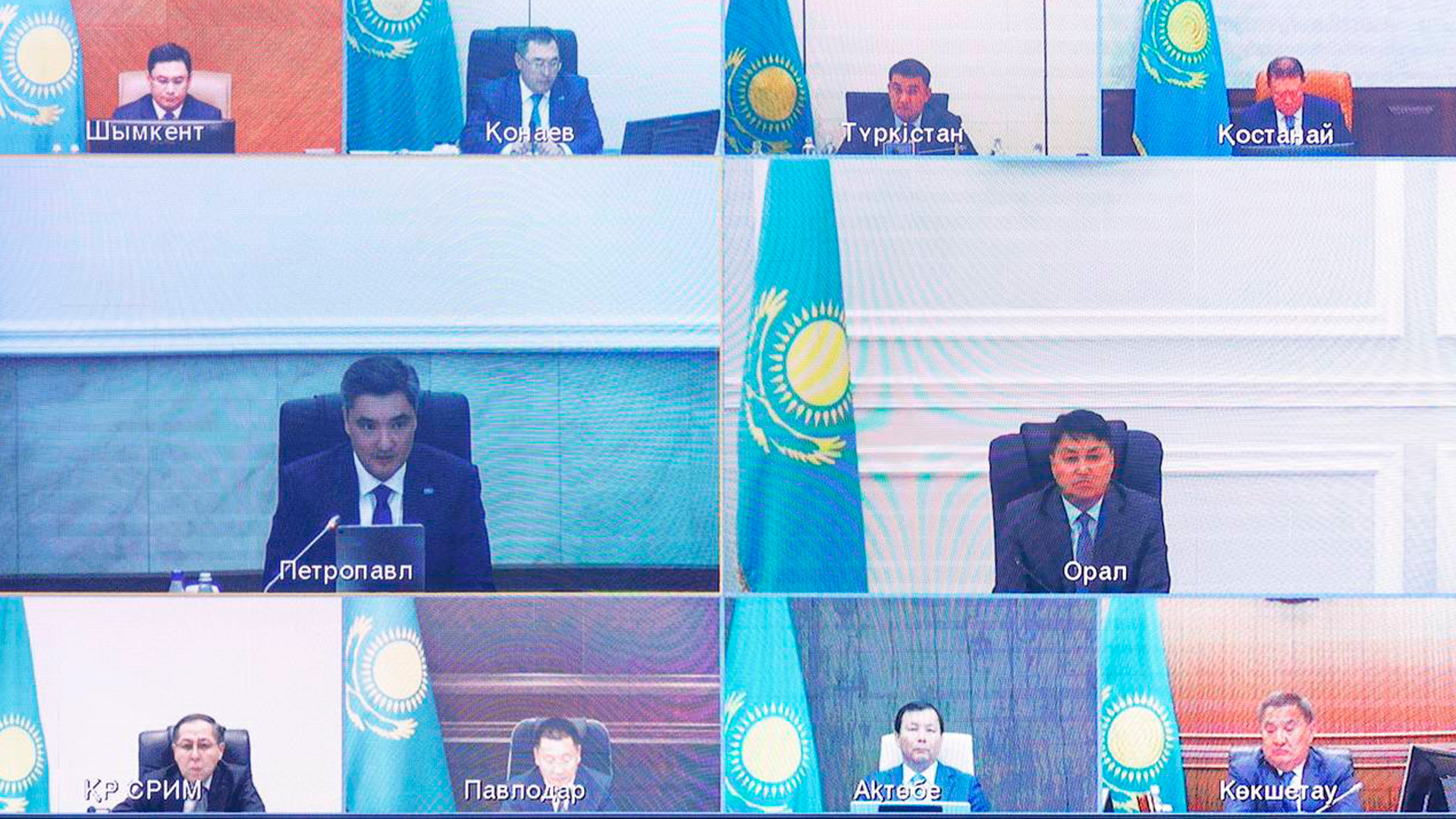
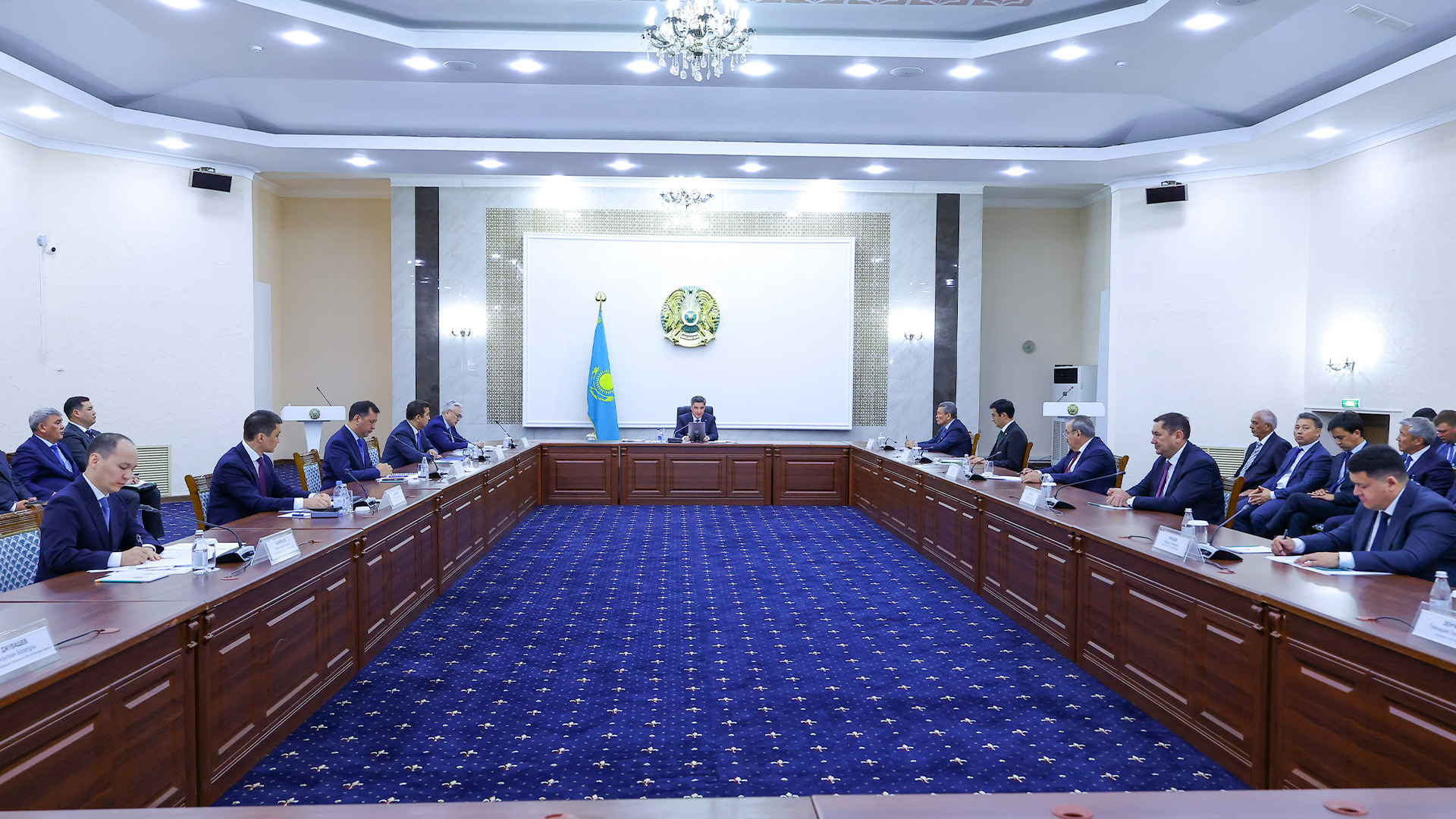 During his working visit to North Kazakhstan Region, Prime Minister of the Republic of Kazakhstan Olzhas Bektenov held a meeting on the completion of spring field works and the development of the agro-industrial complex. Reports were delivered by Minister of Agriculture Aidarbek Saparov, Deputy Minister of Ecology and Natural Resources Zhomart Aliyev, Chairman of the Board of “Baiterek” Holding Rustam Karagoyishin, as well as akims of Akmola, North Kazakhstan, Kostanay, Turkistan, and West Kazakhstan regions. On behalf of farmers, the director of the peasant farm “Zenchenko and K” Gennady Zenchenko also spoke.
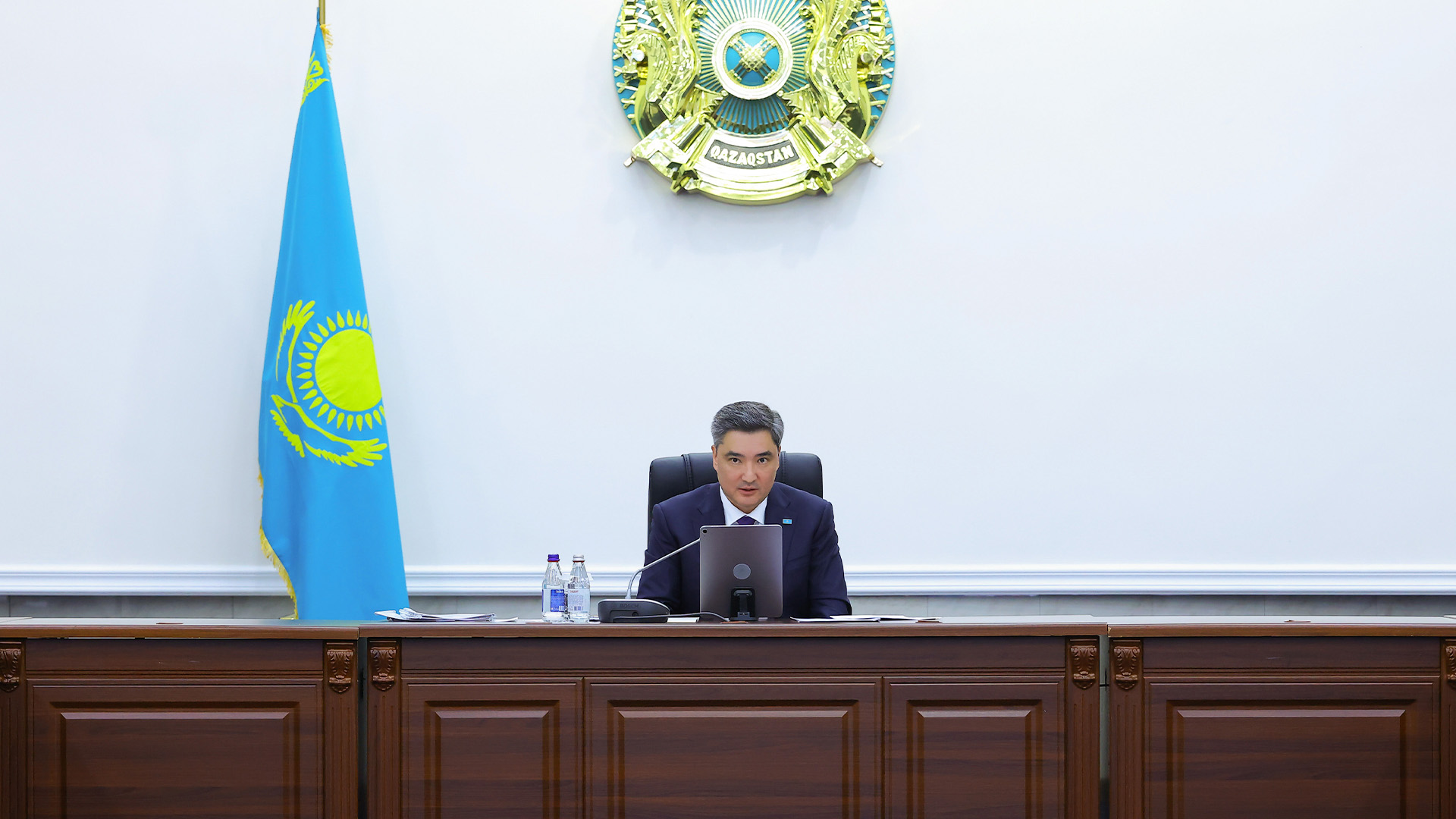
“Agriculture is a priority sector of the country’s economy. President Kassym-Jomart Tokayev pays special attention to the dynamic development of the industry and emphasizes its importance for improving the quality of life of rural residents, as well as its role in food security and ensuring sustainable economic growth,” Olzhas Bektenov noted.
Minister of Agriculture Aidarbek Saparov reported on the completion of the sowing campaign. This year, agricultural crops were placed on an area of 23.8 million hectares, which is 180 thousand hectares more than last year. On the instruction of the President, work is underway to diversify the structure of sown areas by increasing the acreage under high-margin and socially significant crops. Thus, the sown area of grain and leguminous crops amounted to 15.8 million hectares, oilseeds — 4.3 million hectares, and fodder crops — 3.3 million hectares. As part of the fight against locusts, 2.2 million hectares will be treated this year; to date, protective measures have been completed on approximately 665 thousand hectares. The state has taken the necessary support measures for spring field works: farmers were provided with 402 thousand tons of discounted diesel fuel, the need for seeds was fully met at 2.3 million tons, and the application of 2.3 million tons of mineral fertilizers is planned.
In four months, 338 thousand tons of meat of all types were produced (+3.4%). Beef production amounted to 112.9 thousand tons (+6.1%), lamb — 34.7 thousand tons (+8.1%), and horse meat — 41.2 thousand tons (+3.8%). By the end of the year, the Ministry of Agriculture forecasts meat production of 1.2 million tons in slaughter weight, including 445 thousand tons of beef, 156 thousand tons of lamb, 182 thousand tons of horse meat, and 380 thousand tons of poultry meat. An increase in milk and chicken egg production is expected.
The effectiveness of livestock development directly depends on veterinary safety. In this regard, the Government is implementing systemic measures aimed at strengthening the veterinary service, modernizing infrastructure, and improving working conditions.
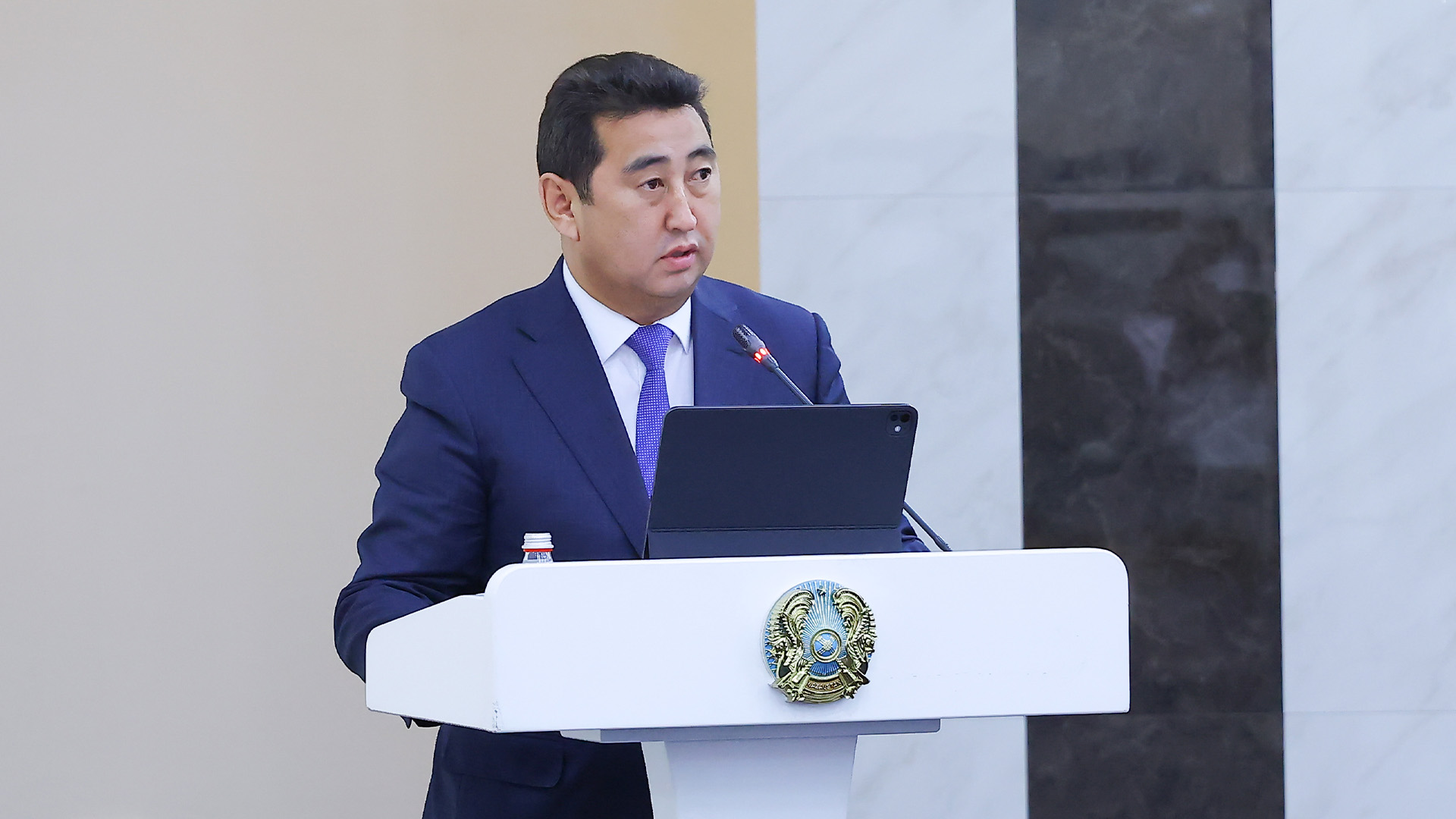
“Over the past two years, local executive bodies have built about 600 veterinary facilities worth 9.1 billion tenge. The equipping of state veterinary laboratories continues. 66.2 billion tenge has been allocated from the republican budget for infrastructure development under general transfers. The efforts made have already yielded a significant result — Kazakhstan has officially received the status of a country free from foot-and-mouth disease. This status contributes to strengthening the export potential of domestic livestock products,” Aidarbek Saparov reported.
Today, the share of processing in the total volume of agricultural exports has exceeded 51%, which indicates the industry’s transition to the production of high value-added products.
Overall, investment in fixed capital in the agro-industrial complex reached 1.6 trillion tenge, which is higher than last year. Over the past two years, 540 new production facilities have been commissioned — from modern livestock complexes to deep processing enterprises. This includes 89 livestock complexes, 70 dairy farms, 35 grain storage facilities, 35 vegetable storage facilities, 16 poultry farms, 11 greenhouses, and 12 projects for vegetable oil production and deep processing, among others. In 2026, the rate of machinery fleet renewal is expected to reach 8%, while depreciation will decrease to 65%.
The Prime Minister noted the need for more active involvement of large agricultural enterprises in livestock development.
“I draw the attention of business and agricultural representatives: large farms must ensure year-round employment. This is one of the main requirements for you. The state provides the necessary support but expects reciprocal obligations, primarily from large businesses, to ensure year-round employment. I say openly that if this is not done, we will deal with the seizure of land from such owners,” Olzhas Bektenov emphasized.
Special attention was paid to the rational use of water. Last year, some farms’ failure to comply with the structure of sown areas led to increased water consumption, especially in Turkistan and Kyzylorda regions. In this regard, the Prime Minister instructed the Ministry of Water Resources and Irrigation, together with the akimats, to keep the issue under control, ensure compliance with the approved structure of sown areas for water-intensive crops, and strengthen explanatory work with farmers.
Regions are optimizing the structure of sown areas taking into account water resources. In accordance with established water use limits, the area under rice was reduced by 20.6 thousand hectares and now stands at 79.9 thousand hectares. In cotton growing, the focus is on the introduction of water-saving technologies: the area under cotton with drip irrigation was increased by 29.8 thousand hectares and reached 79.8 thousand hectares, while areas with traditional irrigation were reduced by 12 thousand hectares.
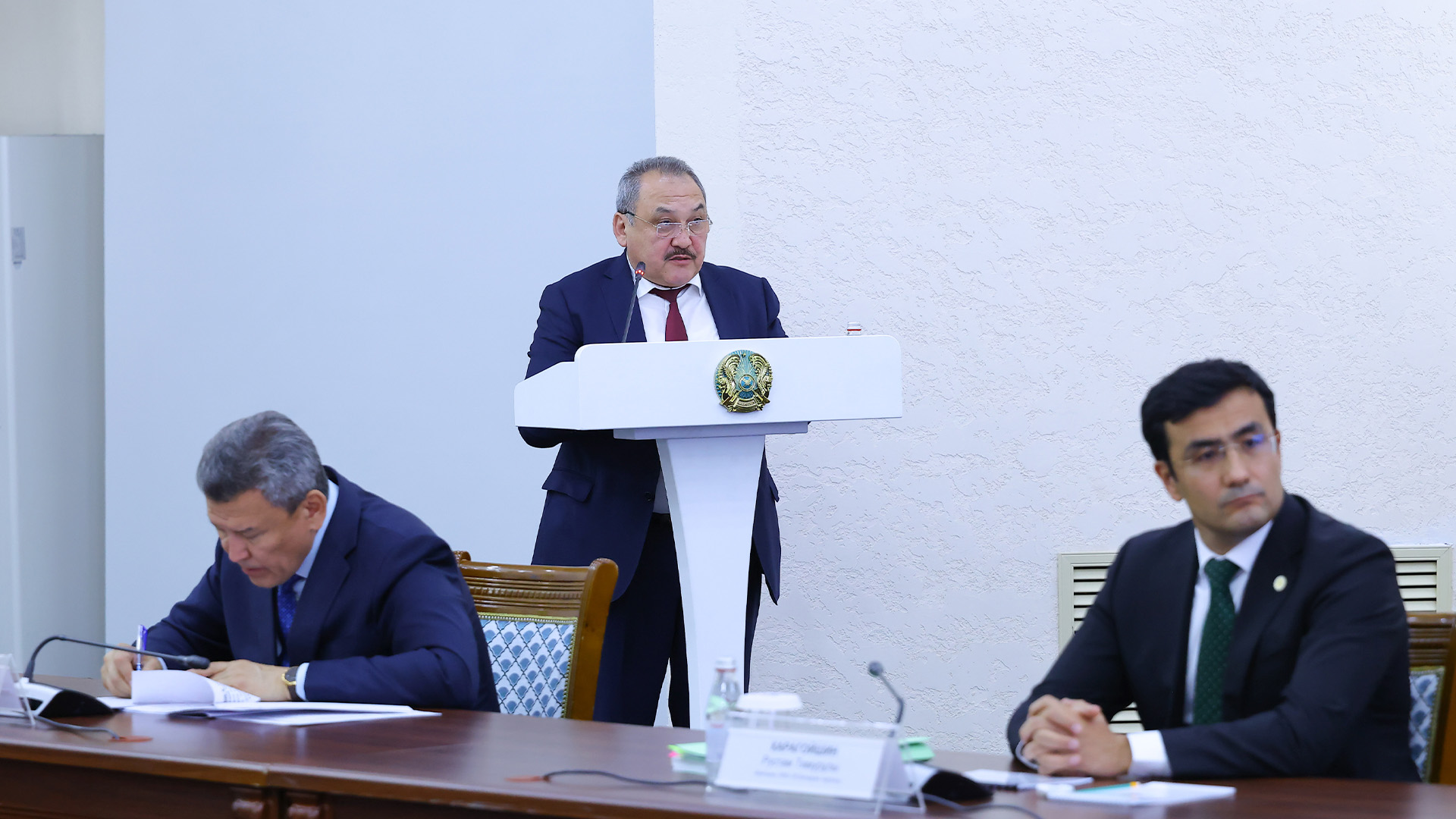 Deputy Minister of Ecology and Natural Resources Zhomart Aliyev reported on the weather forecast for the vegetation period. According to “Kazhydromet”, the weather in this period is expected to have elevated temperatures and uneven precipitation distribution. Overall, the beginning of the vegetation season is assessed as favorable. However, risks of moisture deficiency remain in certain regions in July–September. Precipitation in September is expected to be below normal in most of Kazakhstan, near normal in North Kazakhstan, East Kazakhstan, most of West Kazakhstan, Kostanay, Akmola, Pavlodar regions, Abai Region, and the far north of Aktobe Region.
At the same time, it was noted that the preliminary forecast for the vegetation season will be clarified and supplemented with monthly forecasts and brought to the attention of all interested state bodies and the population.
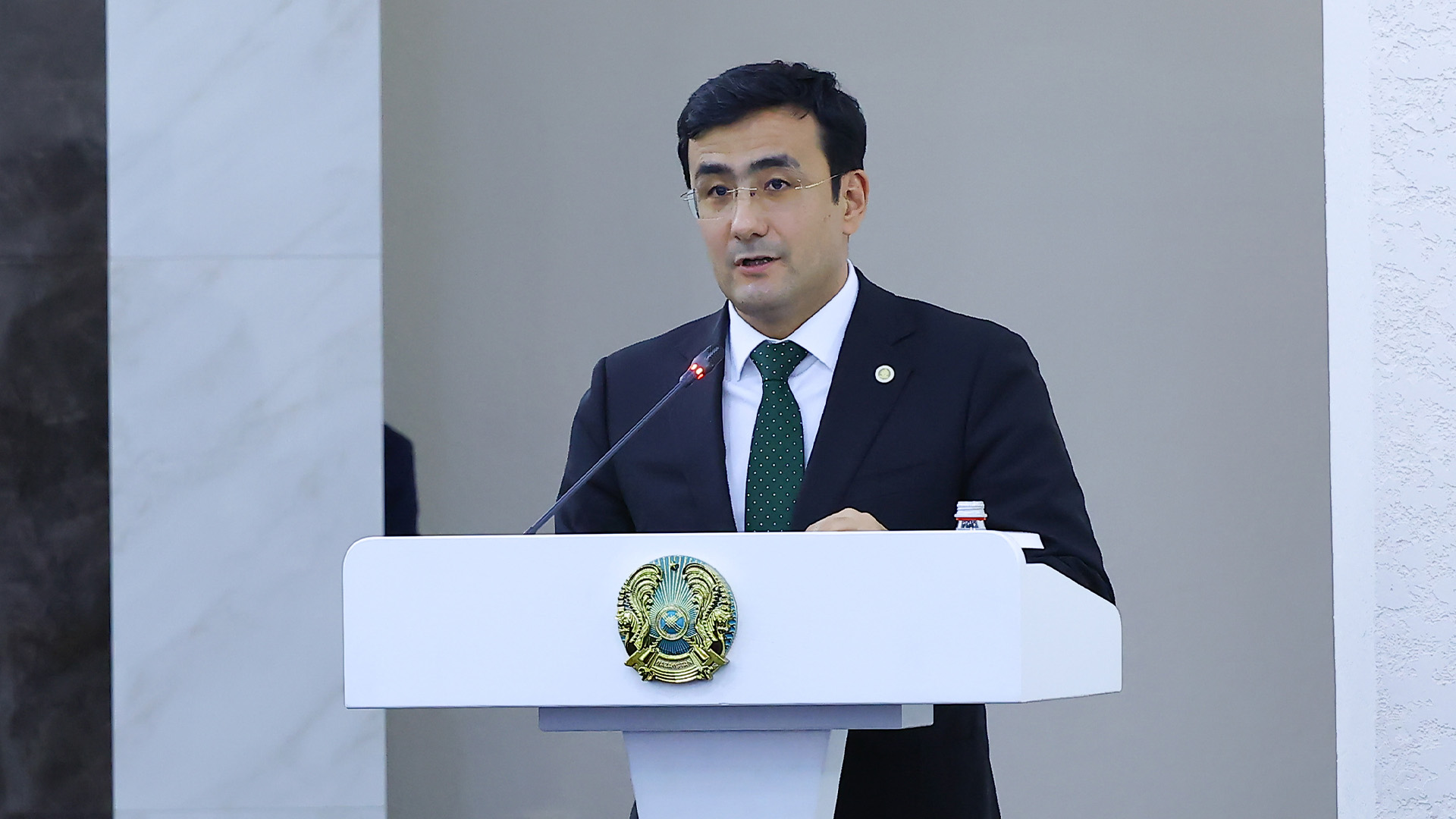 Chairman of the Board of “Baiterek” National Investment Holding Rustam Karagoyishin reported on measures of financial support for farmers. This year, over 1.2 trillion tenge has been allocated for the development of the agro-industrial complex, of which up to 750 billion tenge is planned to be directed to sowing and harvesting works. To date, farmers have already received loans amounting to 573 billion tenge, covering about 6.8 million hectares of sown areas. Additionally, the “Damu” Fund issued 1,700 guarantees for 232 billion tenge, thanks to which farmers attracted loans worth 273 billion tenge.
Director of the peasant farm “Zenchenko and K” Gennady Zenchenko noted that the farming community positively evaluates the work being done by the state to support agricultural producers. According to him, current decisions find a positive response among agricultural producers and are transformed into new investment projects, modern production facilities, and jobs in rural areas.
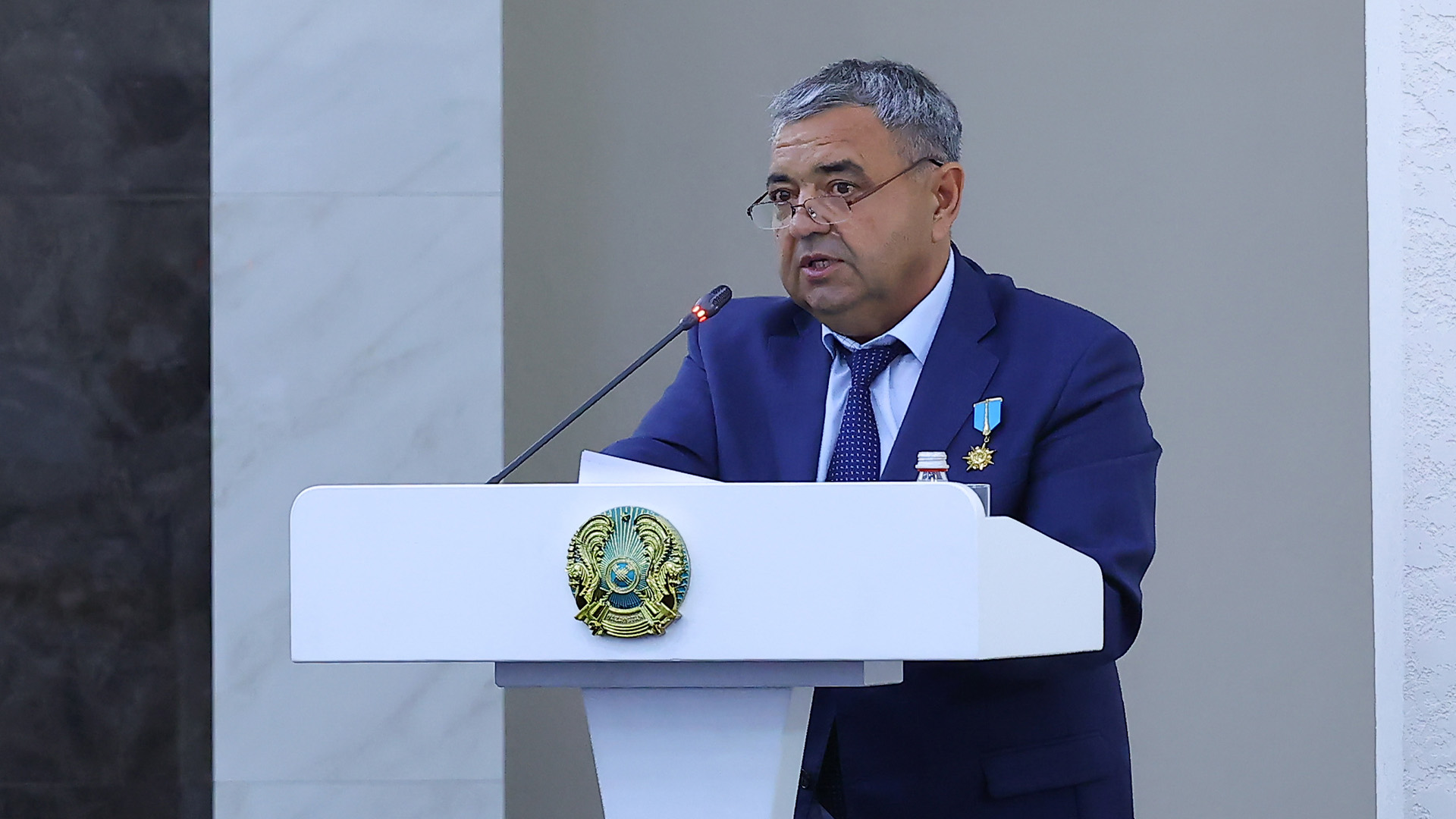
“On behalf of the agricultural community, I would like to express gratitude to the Head of State for the attention currently being paid to the development of the agro-industrial complex. The created support mechanisms allow businesses to confidently invest in long-term projects, introduce modern technologies, and contribute to ensuring the country’s food security. Today, all necessary conditions and tools have been created for farmers for further development. At the same time, state support also implies high responsibility on the part of business for the effective use of the opportunities provided,” Gennady Zenchenko said.
The director of the peasant farm also raised issues regarding the importance of introducing artificial intelligence, digitalization of the agro-industrial complex, development of livestock farming, improving the quality of agricultural education, training personnel for rural areas, and producing competitive high value-added products.
Following the meeting, the Prime Minister noted that all necessary conditions are being created to implement the task set by the Head of State to strengthen food security and transform the agro-industrial complex into a high-tech export-oriented industry.
“The crop production sector is showing steady growth, and our task is to maintain and increase these rates. The Ministries of Agriculture, Water Resources, and Ecology, together with regional akimats, must keep the situation regarding water supply to crops under constant control, especially in regions at risk of precipitation shortages. If necessary, promptly take measures to support agricultural producers and preserve the harvest. All agrotechnological requirements must be strictly followed in accordance with established scientific standards. Timely application of mineral fertilizers must be ensured. Special attention should be paid to plant protection measures,” Olzhas Bektenov emphasized.
The great potential of the livestock sector as one of the key areas of agriculture was noted. For its systematic development, a five-year Comprehensive Plan was approved this year, providing preferential financing across the entire production chain. 220 billion tenge will be allocated to all sub-sectors and categories of livestock farms. New credit products “Igilik” and “Bereke” have been launched for the purchase of breeding cattle and small ruminants at a fixed rate of no more than 6%. To stimulate grazing livestock farming, a single credit product “Zhailyau” is being launched, aimed at developing pasture infrastructure. A preferential lending program for replenishing working capital at a rate of 5% is available. In this direction, akimats were instructed to strengthen work and fully utilize the capabilities of large farms that have significant land resources.
Special attention was paid to the implementation of the Head of State’s instructions on further improving veterinary infrastructure, given at the extended Government meeting in February this year. The Ministry of Agriculture, together with the akimats, was instructed to ensure timely and effective veterinary measures and strengthen explanatory work among agricultural producers.
“As the Minister noted, Kazakhstan has received the status of a country free from foot-and-mouth disease. We must continue to comply with this status. In addition, the sustainable development of livestock farming directly depends on the level of veterinary safety. Without an effective system of disease prevention and control, it is impossible to ensure an increase in livestock numbers, higher productivity, and product quality. In this regard, it is extremely important to ensure epizootic stability in the domestic market,” the Prime Minister emphasized.
Akimats were instructed to strengthen veterinary and phytosanitary control at markets, including traceability and compliance with veterinary and sanitary requirements. Tasks were set for the construction and modernization of veterinary infrastructure in the regions.
“The state policy in the agricultural sector is formed on the principles of efficiency and integrity of farmers. At the same time, akimats must ensure constant control over the targeted use of allocated funds. In the year of digitalization and artificial intelligence declared by the Head of State, it is necessary to introduce digital tools at all stages of agricultural production — from field to counter. It is important to create comfortable living conditions in rural areas as well. There are many examples across the country, such as the villages of the farms of Zenchenko, Yeraliyev, Sauer, and Kurmankulov, but their number should grow. The state will fully support and stimulate their growth,” the Prime Minister noted.
In addition, a number of instructions were given to solve current problematic issues:
“The risk of steppe and forest fires has increased. The Ministry for Emergency Situations, together with the Ministry of Ecology and regional akimats, must ensure that civil protection forces and means are put on heightened alert. Check the readiness of fire-fighting equipment and communication systems, and fuel reserves. Also, for preventive purposes, territories of forest and steppe areas should be cleared of dry vegetation, especially near settlements and fields,” Olzhas Bektenov instructed.
Control over the high-quality implementation of all designated instructions has been assigned to the Ministry of Agriculture together with regional akimats.



Stay updated about the events of the Prime minister and the Government of Kazakhstan - subscribe to the official Telegram channel
Subscribe