08 June 2026, 13:40
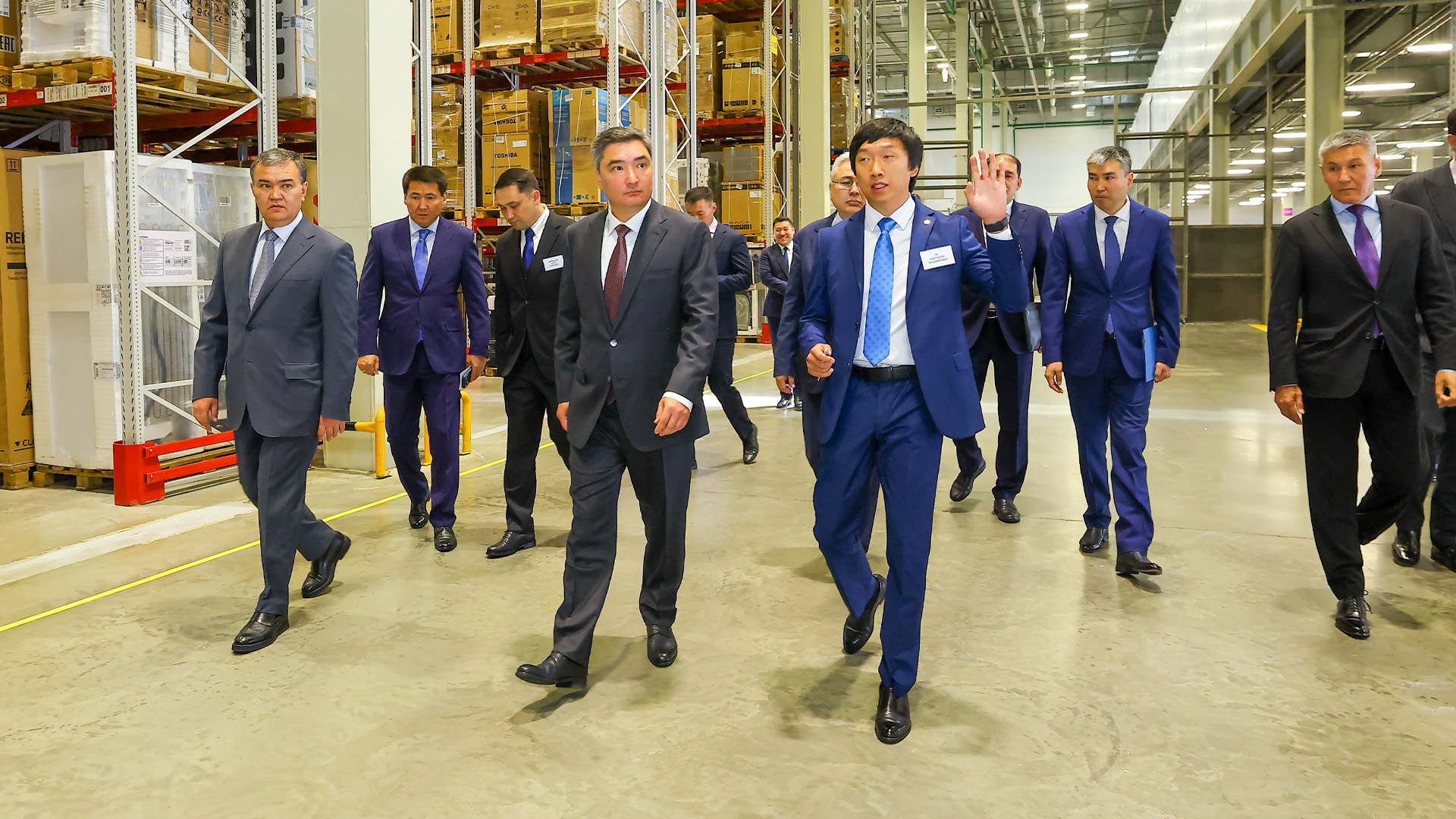 Prime Minister Olzhas Bektenov inspected the implementation of the President’s instructions on industrial development, infrastructure strengthening, and deepening processing in the agro-industrial complex during a working trip around Astana. He visited a logistics center, a medical products manufacturing plant, and enterprises producing bakery, dairy, and meat products.
Akim of Astana Zhenis Kassymbek reported that the city maintains high rates of economic development and strengthens its role as one of the country’s key business centers. Last year, the gross regional product of the capital reached 18.9 trillion tenge. Astana ranks first in the republic in terms of investments in fixed capital: 587 billion tenge were attracted in four months, almost 80% of which are private investments. There are 246 thousand small and medium-sized business entities operating here, providing employment for about 560 thousand people. The contribution of SMEs to the city’s economy reached a record 66%. In 2026, the launch of 26 industrial projects is planned, of which 8 projects worth 32 billion tenge with the creation of about 500 jobs have already been commissioned. Another 18 projects worth 36 billion tenge with the creation of about one thousand jobs are planned to be commissioned by the end of the year.
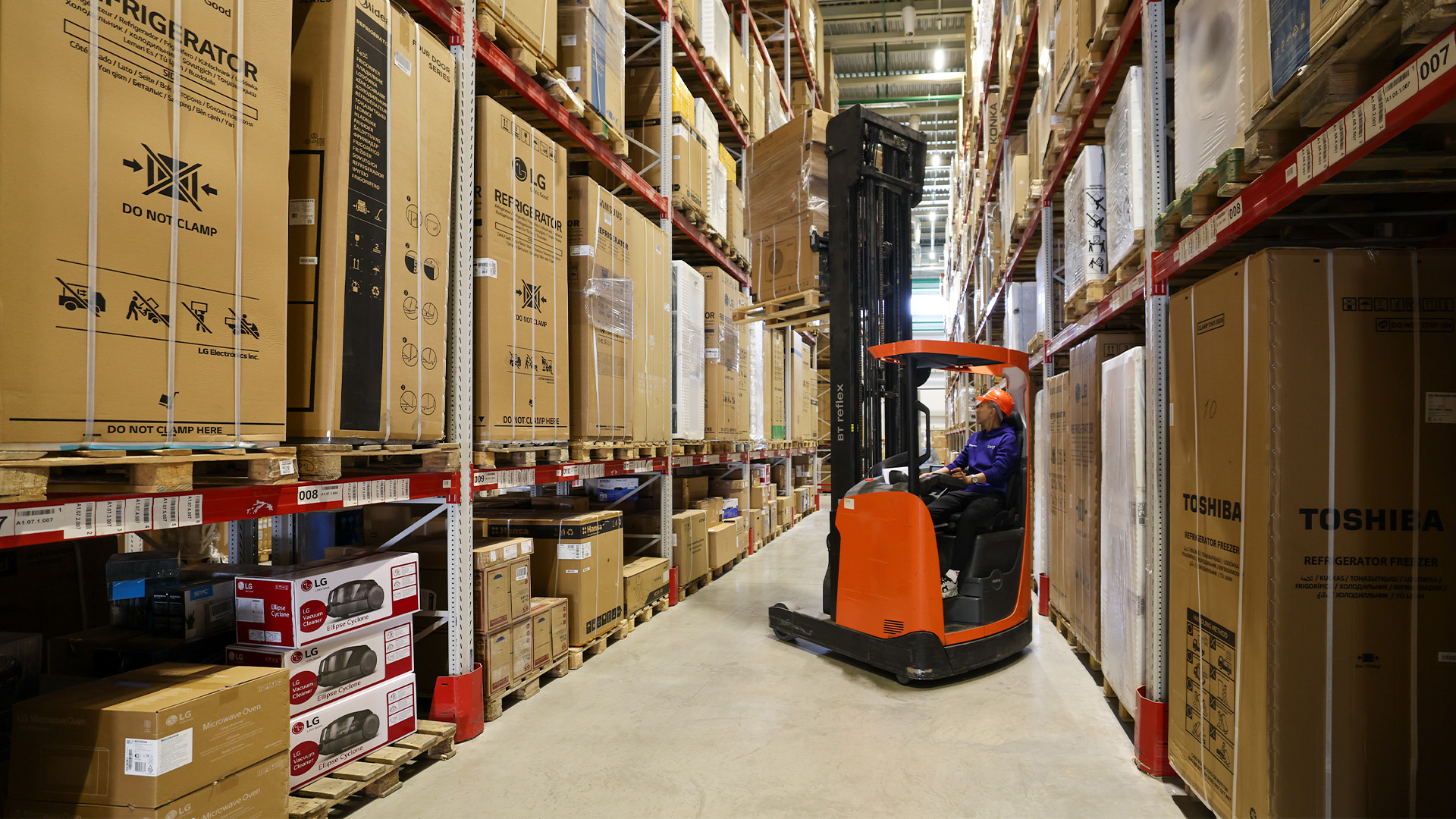
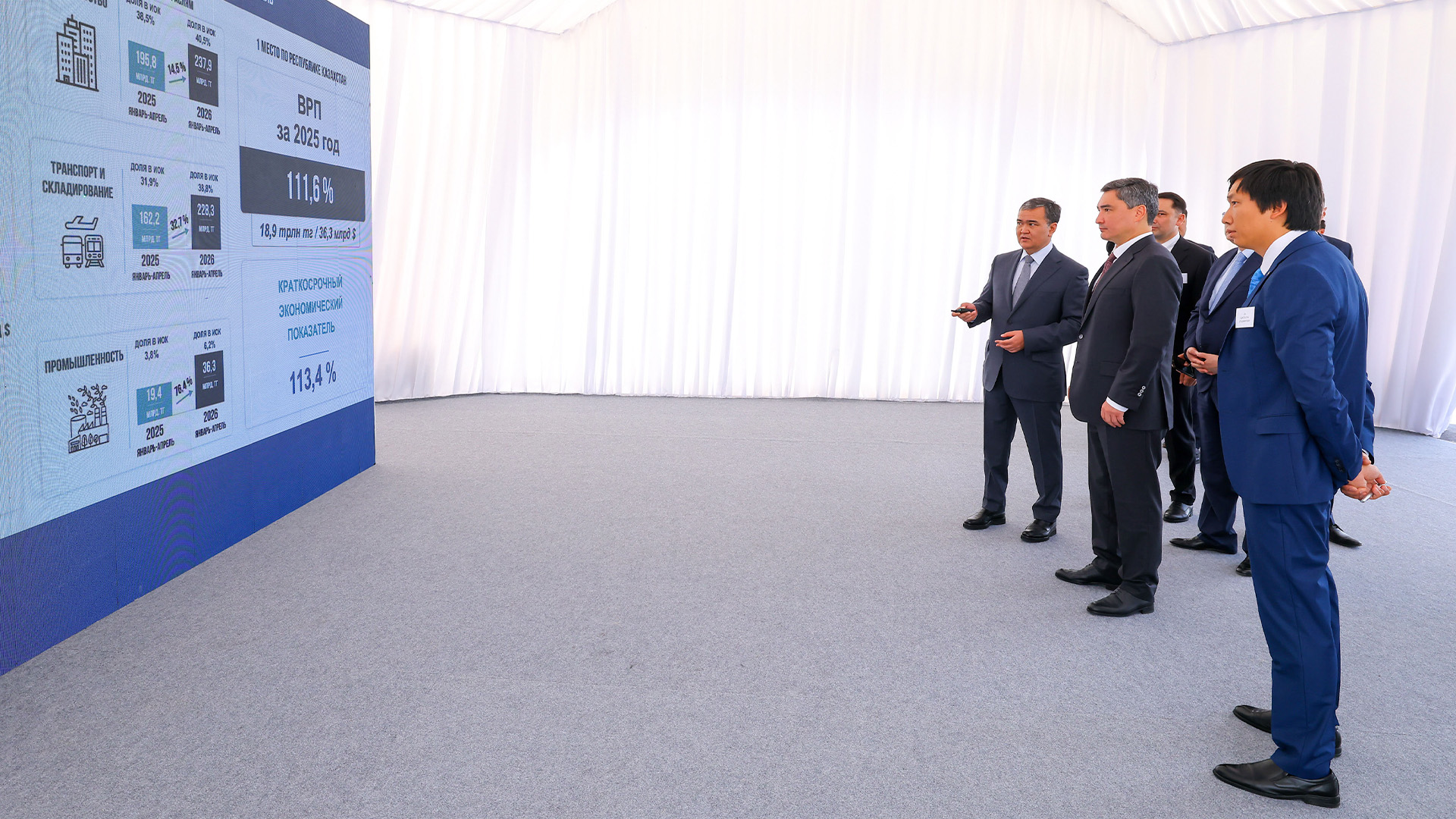 At the modern logistics center of JSC “Wholesale-Retail Trading Enterprise” Technodom, the Prime Minister was presented with the operations of the complex and the project for further development of the capital’s transport and warehouse infrastructure.
The logistics center with an area of over 22,000 m² is designed for 11,000 pallet positions and includes temperature-controlled premises with an area of 3,500 m ². The enterprise operates 24/7 and provides a full cycle of services — from acceptance and storage to order picking and shipment of goods. The center is equipped with automated warehouse management systems and performance control tools. Currently, the occupancy rate of the logistics complex is 100%. The services of the center are used by Wildberries, Ascona, Gold Service Logistic, and others. More than 200 jobs have been created at the facility.
In addition, the Prime Minister was presented with the project of a Logistics Park with an area of 223.1 hectares and private investments of over $300 million. Among potential participants are YXE Trading Service Group, S Sistem Lojistik Hizmetler, “Kazpost”, and Rhino Logistic.
He was also briefed on the construction progress of the large Wildberries Kazakhstan logistics hub in Astana with an area of 160,000 m² and the creation of 6,000 jobs. The project completion deadline is the first quarter of 2027. The investment volume will amount to 47.7 billion tenge.
Olzhas Bektenov emphasized that the development of logistics infrastructure is an important condition for increasing the competitiveness of the economy and further enhancing Kazakhstan’s transit potential. Taking into account the Year of Digitalization and Artificial Intelligence declared by the President, special attention should be paid to the introduction of digital solutions and process automation.
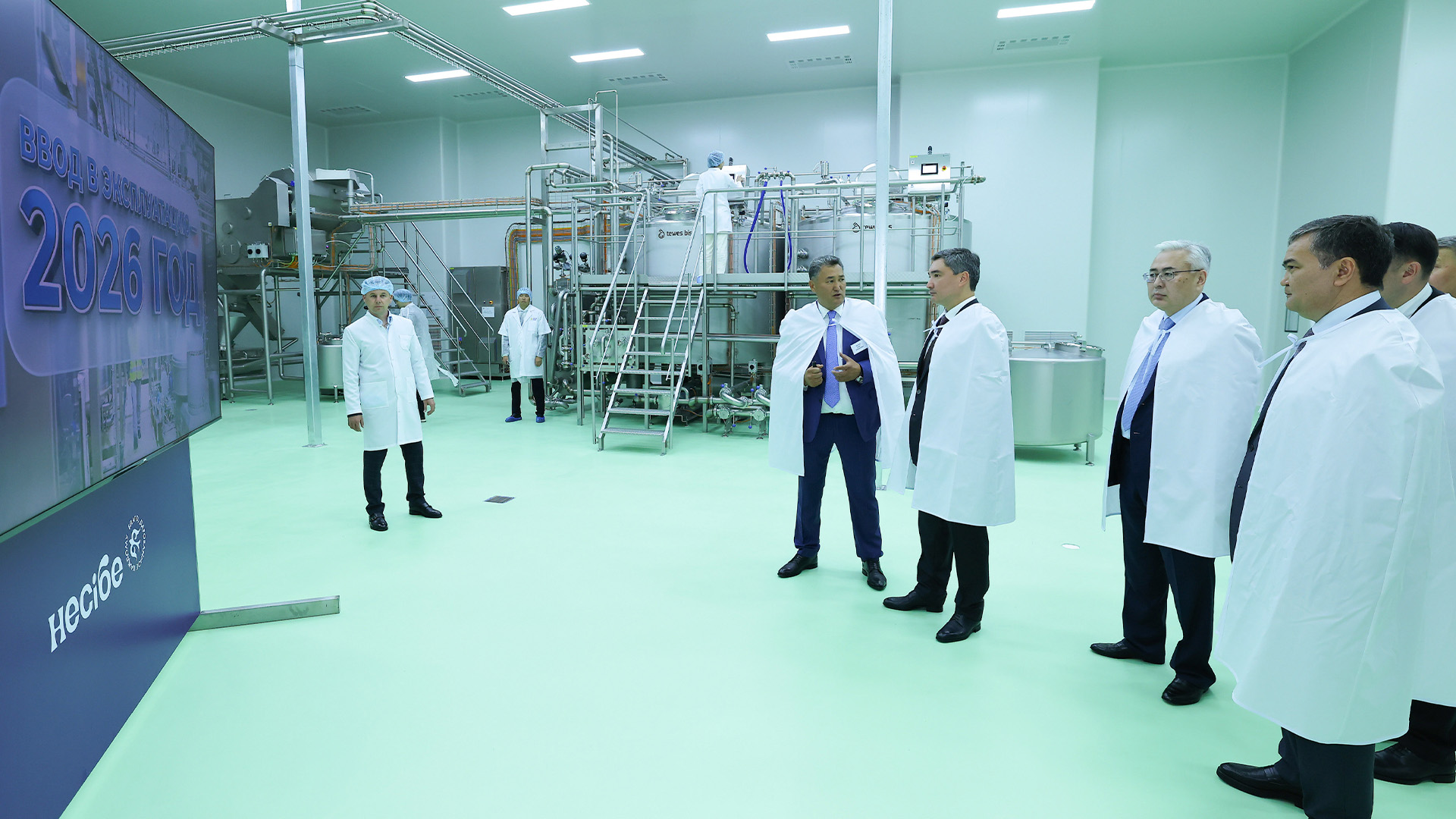
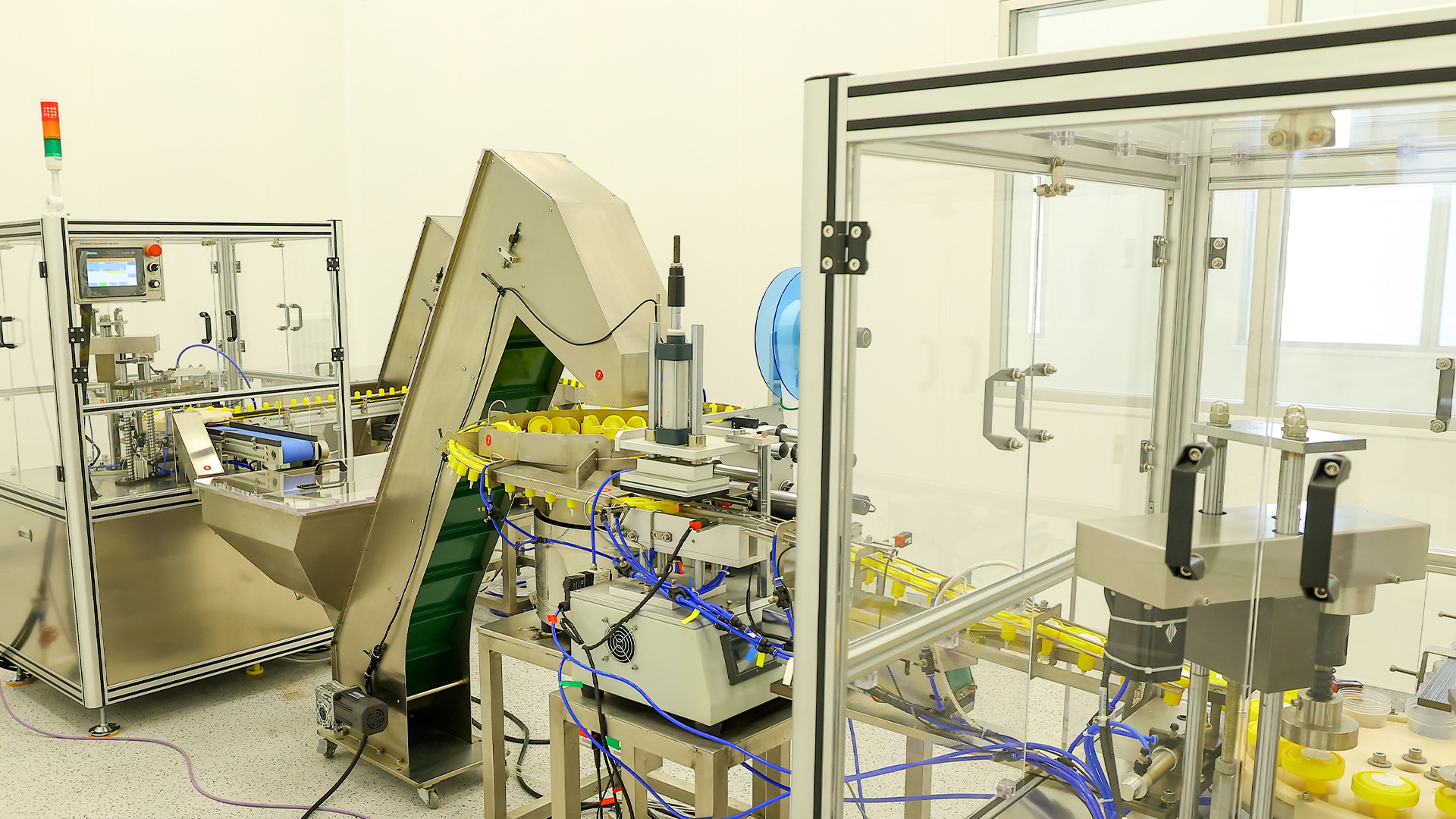
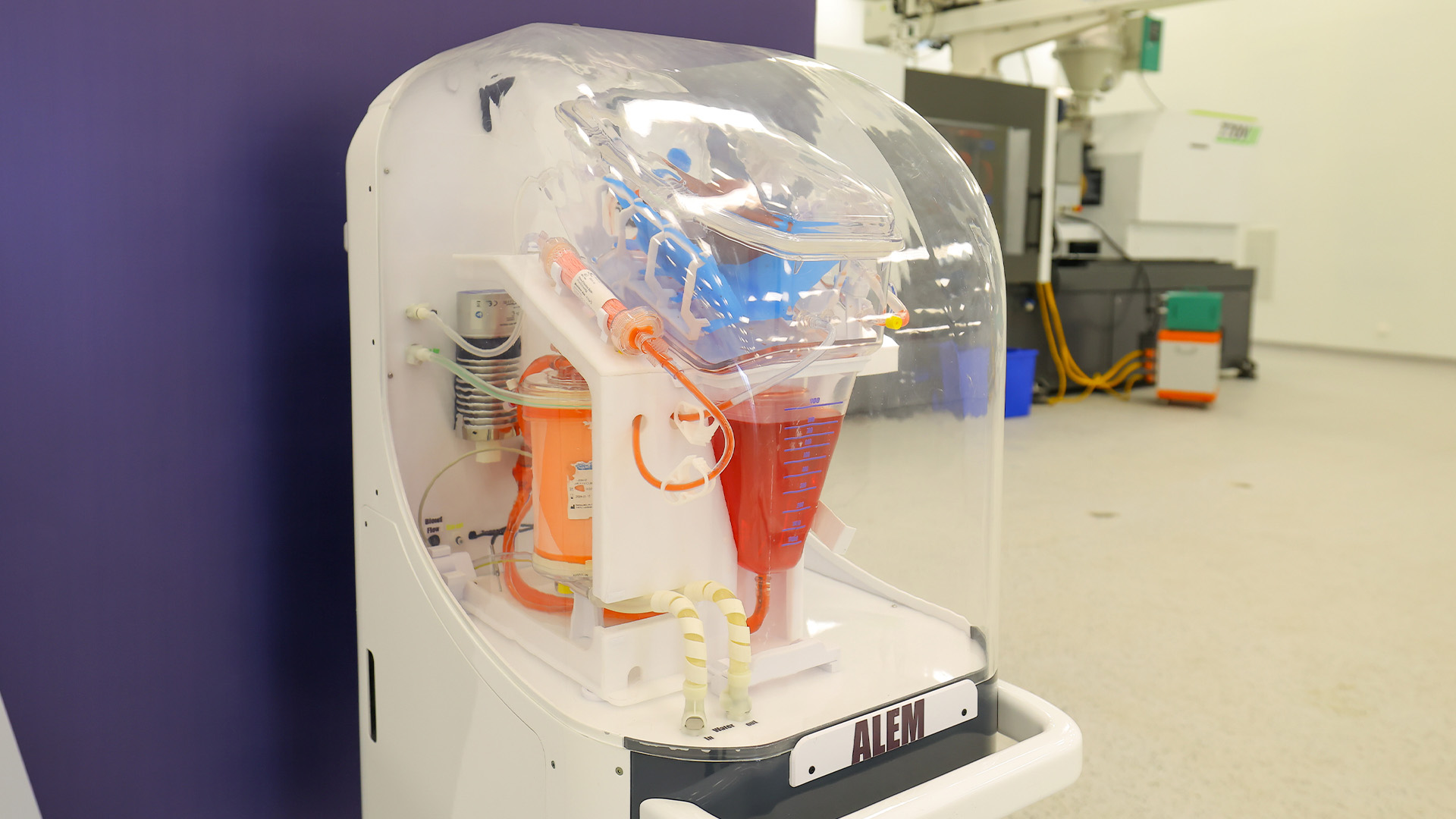
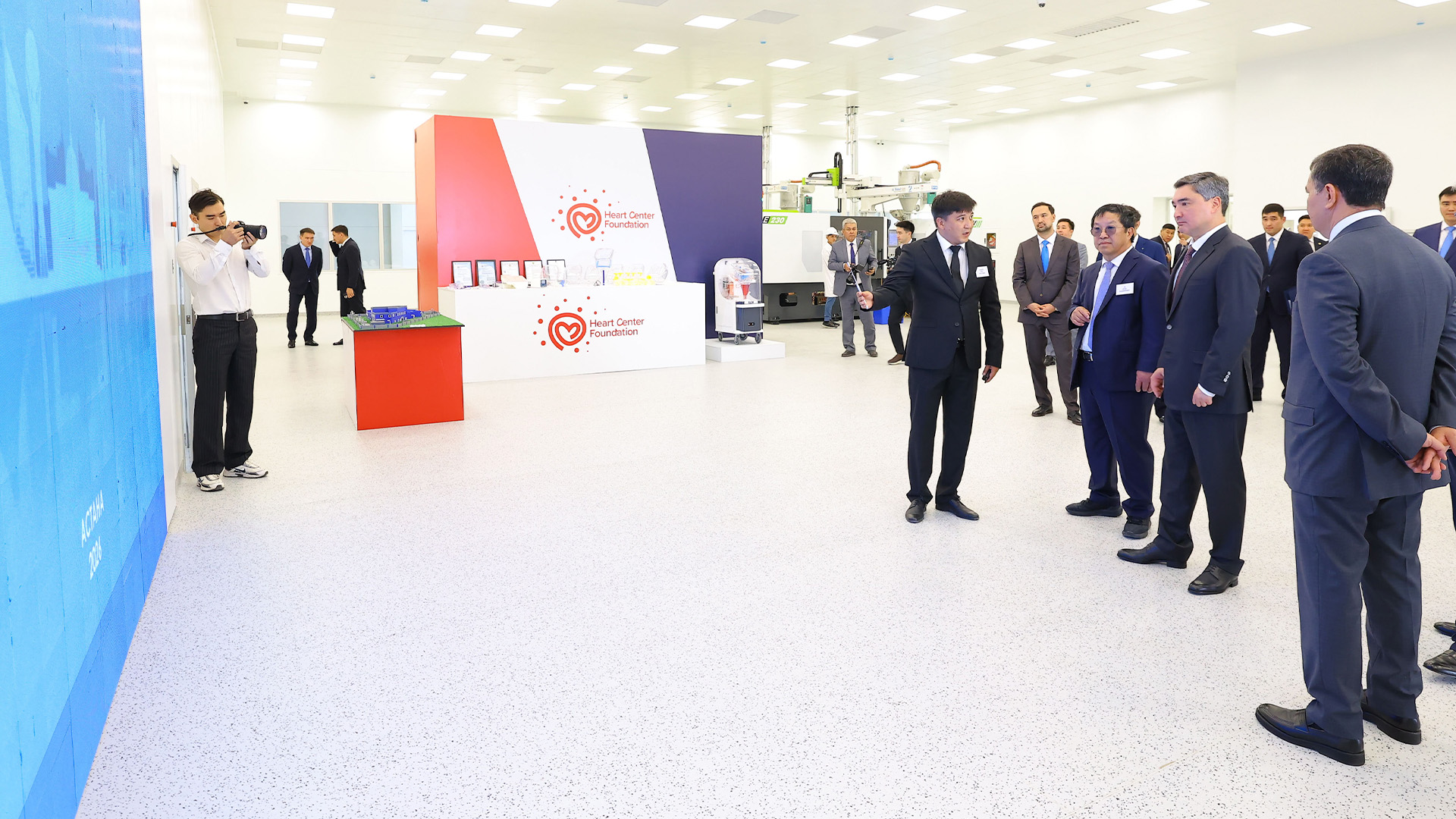 At the “Heart Center Foundation” plant, Olzhas Bektenov familiarized himself with the launch of plastic medical product manufacturing and the technological equipment of the enterprise. The project is at the final stage. The plant was commissioned in May 2026, and in August the full product line will begin production, with full capacity to be reached in September this year.
The project is being implemented on the territory of Industrial Park No. 1 with the support of LLP “Corporation Kazakhmys”. The total investment volume is about 5.1 billion tenge. The key product of the enterprise will be ALEM – Astana Life Ex-situ Machine. This is a unique development by Kazakh engineers and doctors for the preservation, restoration, and transportation of donor organs. The technology allows increasing the preservation period of a donor organ from several hours to a day or more, opening new opportunities for domestic transplantology. Domestic raw materials — plastic granules from the KPI plant in Atyrau — will be used in production, which will increase the localization level of medical product manufacturing. The plant’s design capacity is 15–20 units of ALEM equipment, about 6 million containers for biomaterial collection, and 45 thousand drainage devices per year.
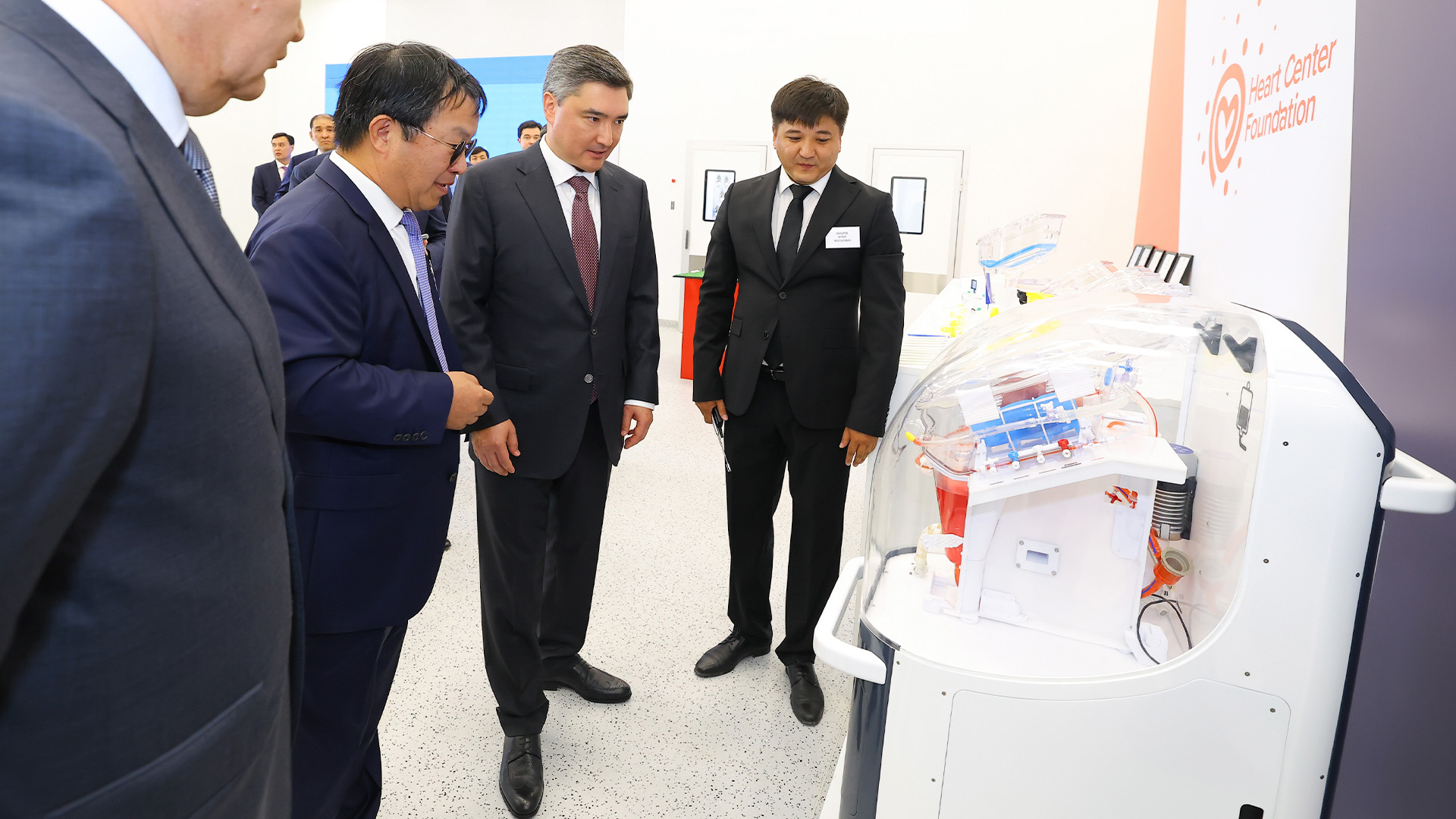 Chairman of the Board of the UMC Foundation Yuri Pya noted that the launch of such production will reduce dependence on imported medical consumables.
“Many consumables for medicine, especially those related to cardiology and cardiac surgery, we purchase abroad. After COVID, we became dependent on many supplies and decided to start production first for cardiology and cardiac surgery, implement our idea, and create a device for preserving donor organs. Today we have already created a prototype of such a device and decided to start production in Kazakhstan. We plan to produce the first sample at the plant by the end of this year,” Yuri Pya reported.
Olzhas Bektenov emphasized the importance of developing domestic medical industry based on scientific developments and their implementation in practical healthcare. Currently, Kazakhstan has approached the life expectancy indicator of 76 years. It is necessary to continue this dynamic by expanding access to modern medical care.
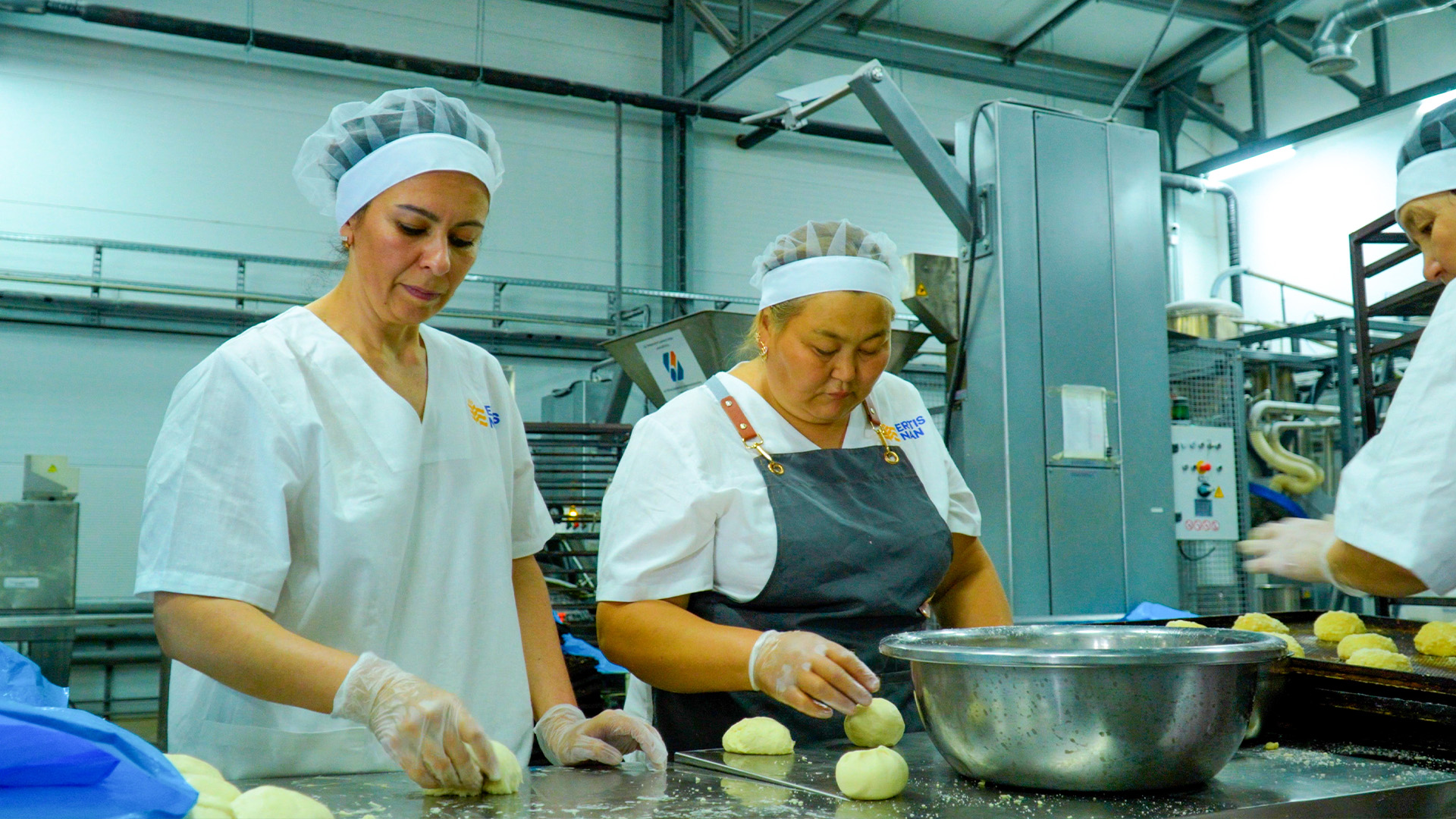
At the RnR Group plants producing bakery and dairy products, Olzhas Bektenov inspected the production capacities and working conditions of the enterprises.
The Prime Minister was informed that projects with a total value of 8.8 billion tenge are aimed at developing processing, expanding the production of domestic food products, and strengthening the capital’s food security. The production capacity is up to 25 tons of flour products and up to 100 tons of dairy products per day. The enterprises use their own raw material base. The products are supplied to retail outlets, social facilities, and retail chains in the capital.
 Head of the Department for Investment and Entrepreneurship Development of the city, Khalel Akimzhanov, reported on the work being carried out to strengthen the capital’s food security. In 2025–2026, 2 vegetable storage facilities with a capacity of 12 thousand tons and 3 processing plants with a capacity of 53 thousand tons of products per year were opened in Astana. 18 thousand tons of vegetables have been contracted. In the next two years, it is planned to launch another 7 investment projects in the agro-industrial complex worth 180 billion tenge, creating 1,600 jobs.
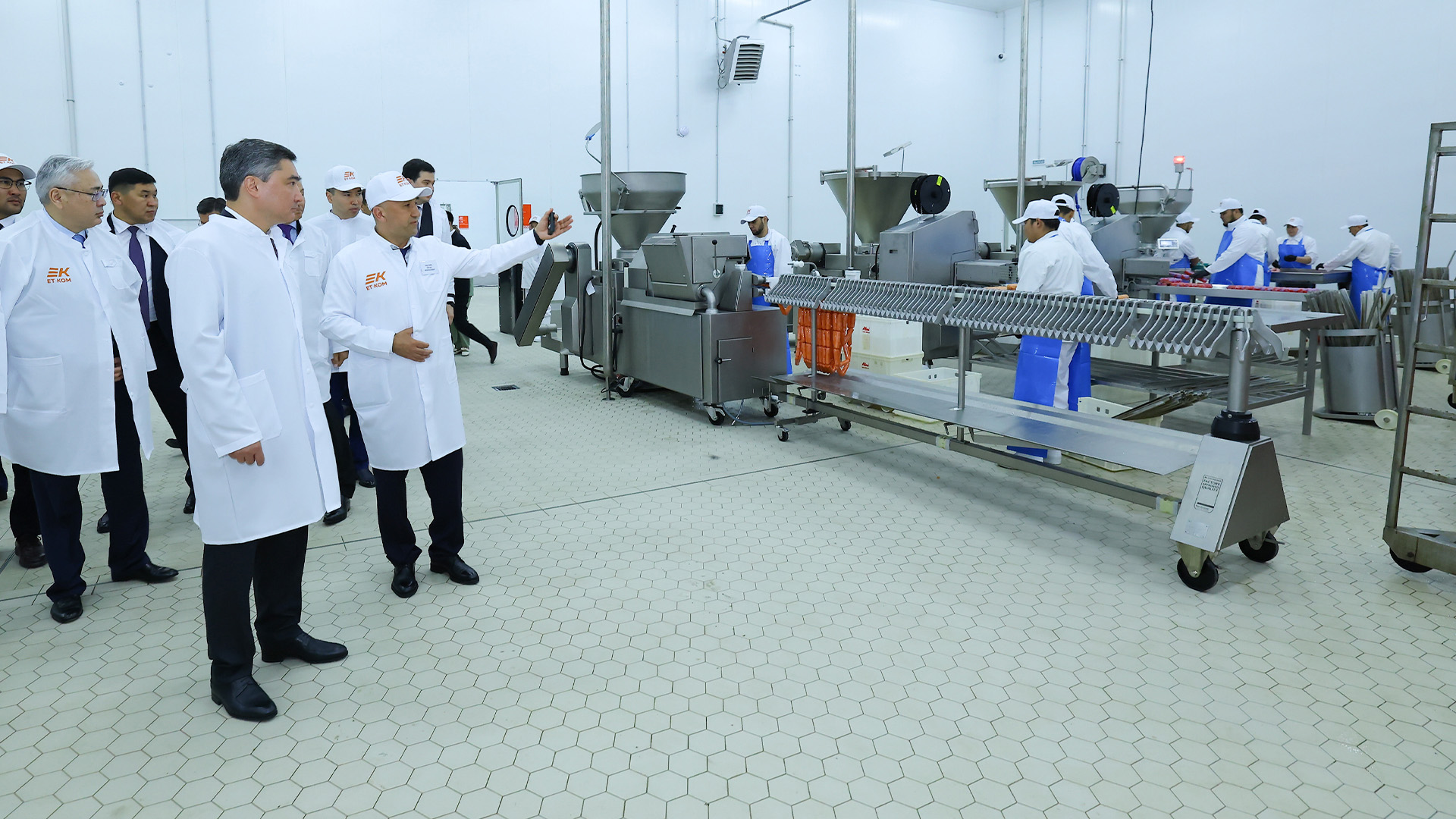
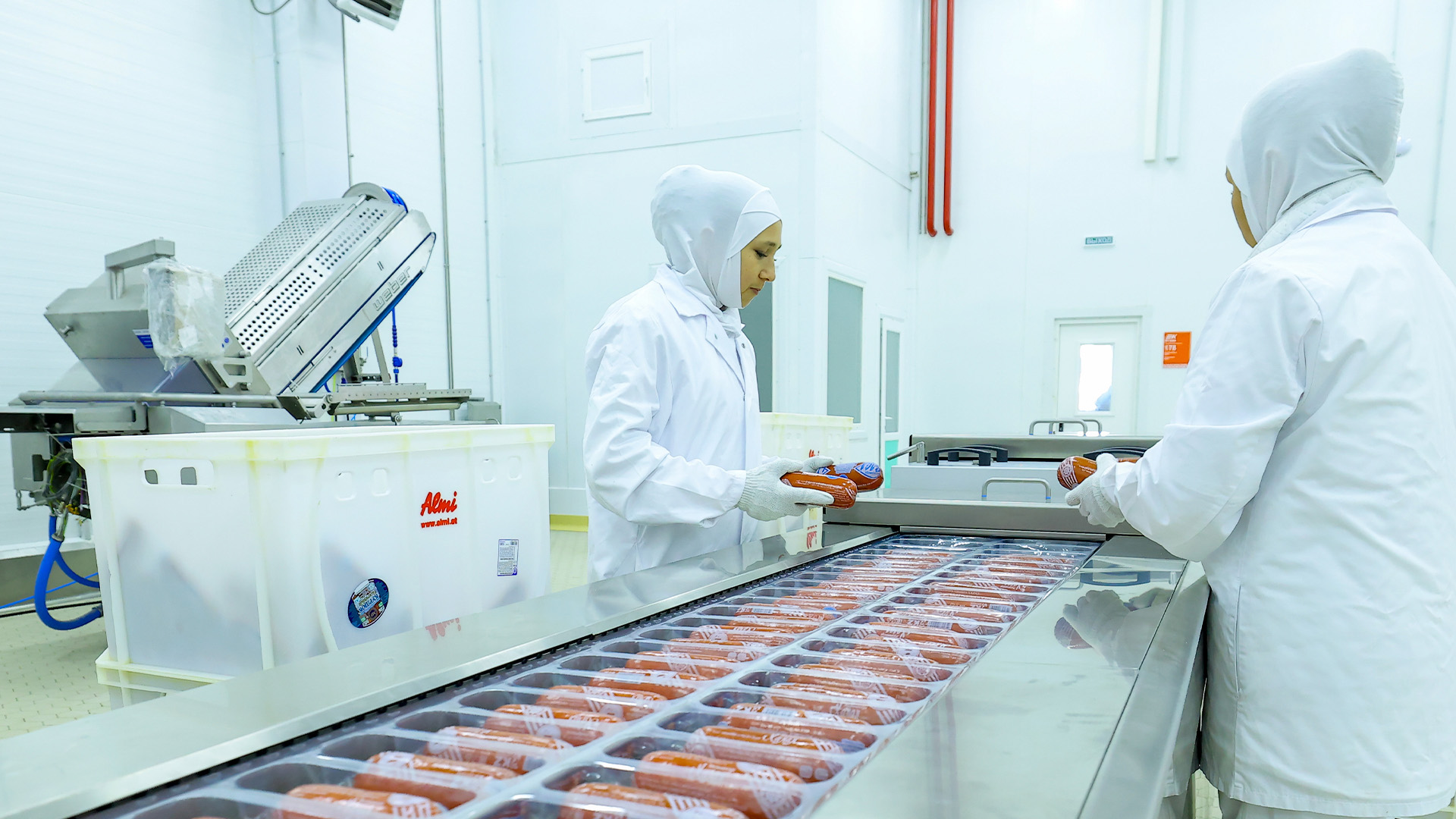
At the site of the meat processing plant LLP “Astana ETKOM”, the Prime Minister familiarized himself with the technological process and the range of products manufactured.
The founder of the enterprise, Farkhad Madaliyev, reported that the design capacity is up to 50 tons of finished products per day, or over 18 thousand tons per year. Raw materials are planned to be purchased from domestic producers, including JSC “Aitas”, LLP “KazBeef”, as well as farms in the regions. At the first stage, up to 100 jobs will be created, and after reaching full capacity — up to 300. To train personnel, the enterprise has organized training for college students and other educational institutions with the possibility of subsequent employment.
 Olzhas Bektenov noted that deep processing remains one of the key priorities for the development of the agro-industrial complex. On the instruction of the President, the Government is strengthening support for the agricultural sector, including the development of infrastructure and the veterinary industry as the basis of biological safety, and control modernization. Kazakhstan obtaining the status of a country free from foot-and-mouth disease opens additional opportunities for livestock development and export expansion. Together with a stable raw material base and good harvests in recent years, this creates conditions for increasing processing, producing finished products, and promoting domestic goods in domestic and foreign markets.
“The President sets special tasks for the capital: Astana must always be at the forefront of large-scale initiatives and serve as an example for all regions. The capital needs to set a high pace in the development of infrastructure, industry, logistics, digital solutions, and the social sphere. It is important that every project strengthens the city’s economy, creates jobs, improves the quality of life of citizens, and opens new opportunities for business. Therefore, the task of the akimat and relevant ministries is to ensure project support and timely commissioning of enterprises, as well as to create conditions for sustainable production loading,” Olzhas Bektenov emphasized.




Stay updated about the events of the Prime minister and the Government of Kazakhstan - subscribe to the official Telegram channel
Subscribe