08 October 2026, 13:33
Head of Government visits the Karatas deposit and the Kazakhmys Smelting plant
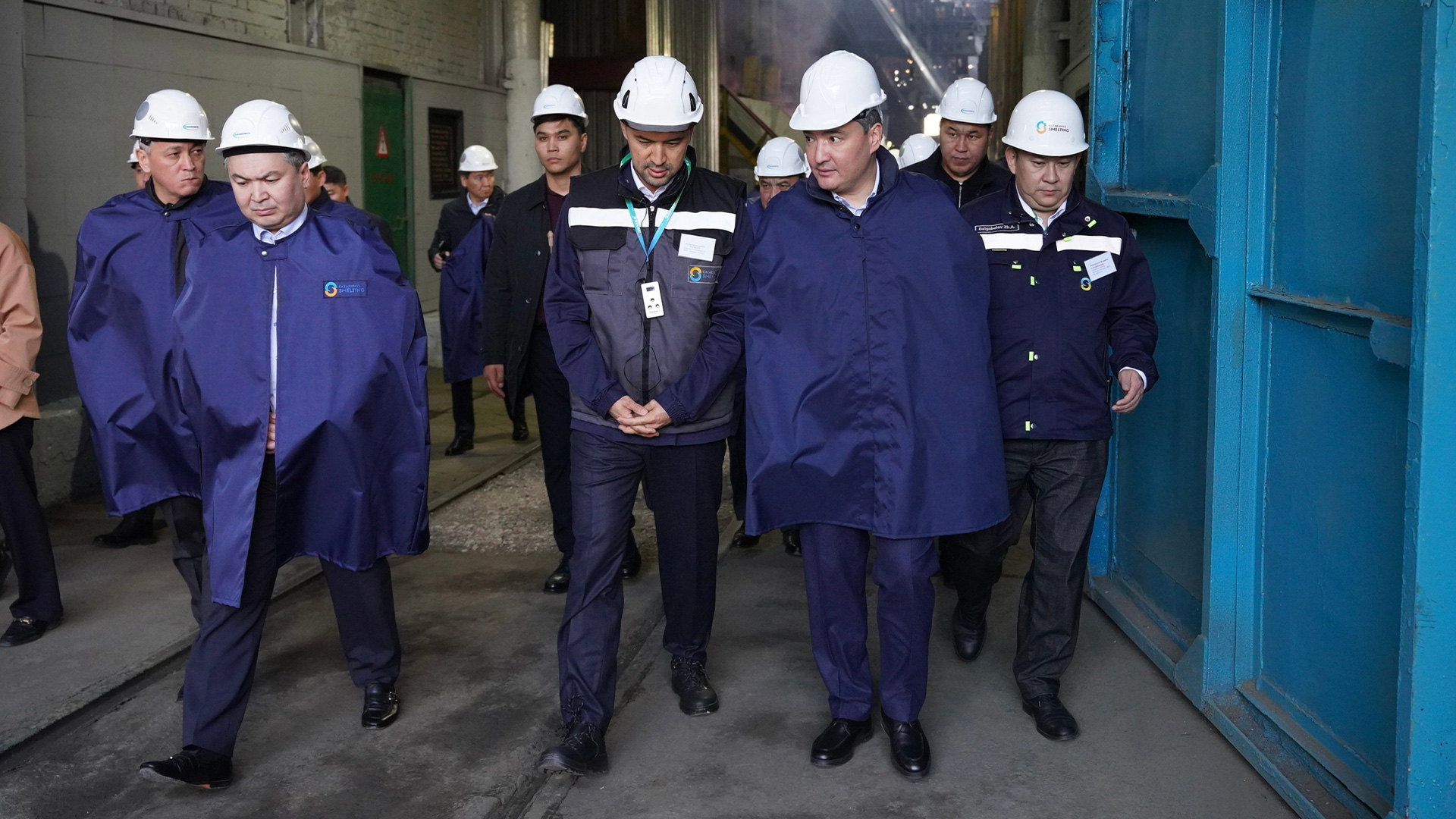 The Prime Minister reviewed the activities of Balkhash's town-forming enterprises, the progress of modernizing the mining-metallurgical and copper-smelting complex, the implementation of new industrial facilities, and current results from geological exploration projects.
The Karaganda region maintains positive momentum in industrial development, with a strong focus on the manufacturing sector. From January to August 2026, industrial output reached 3.7 trillion tenge, representing a 4.7% increase compared to the same period last year. The region ranks second in Kazakhstan by manufacturing output.
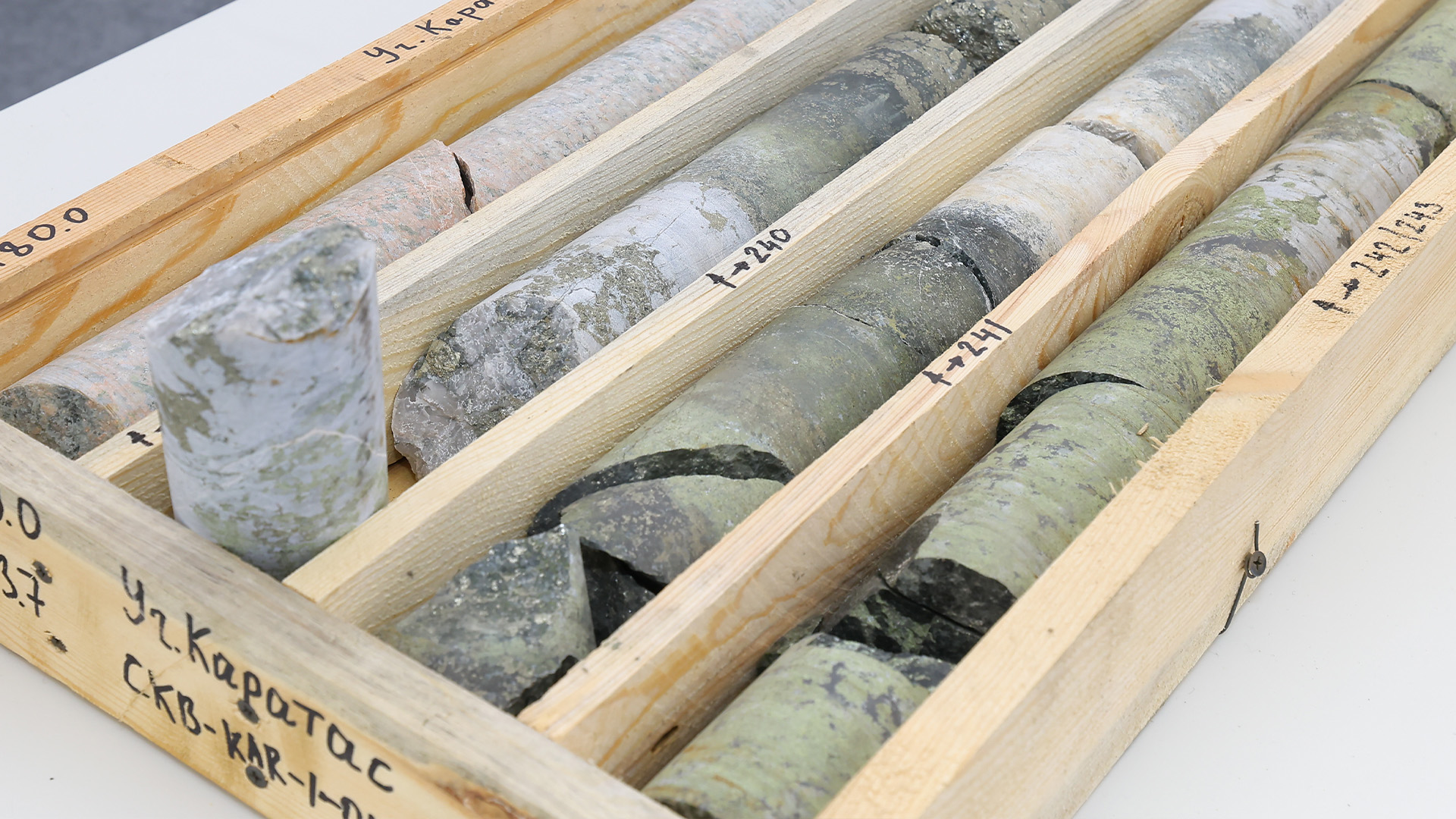
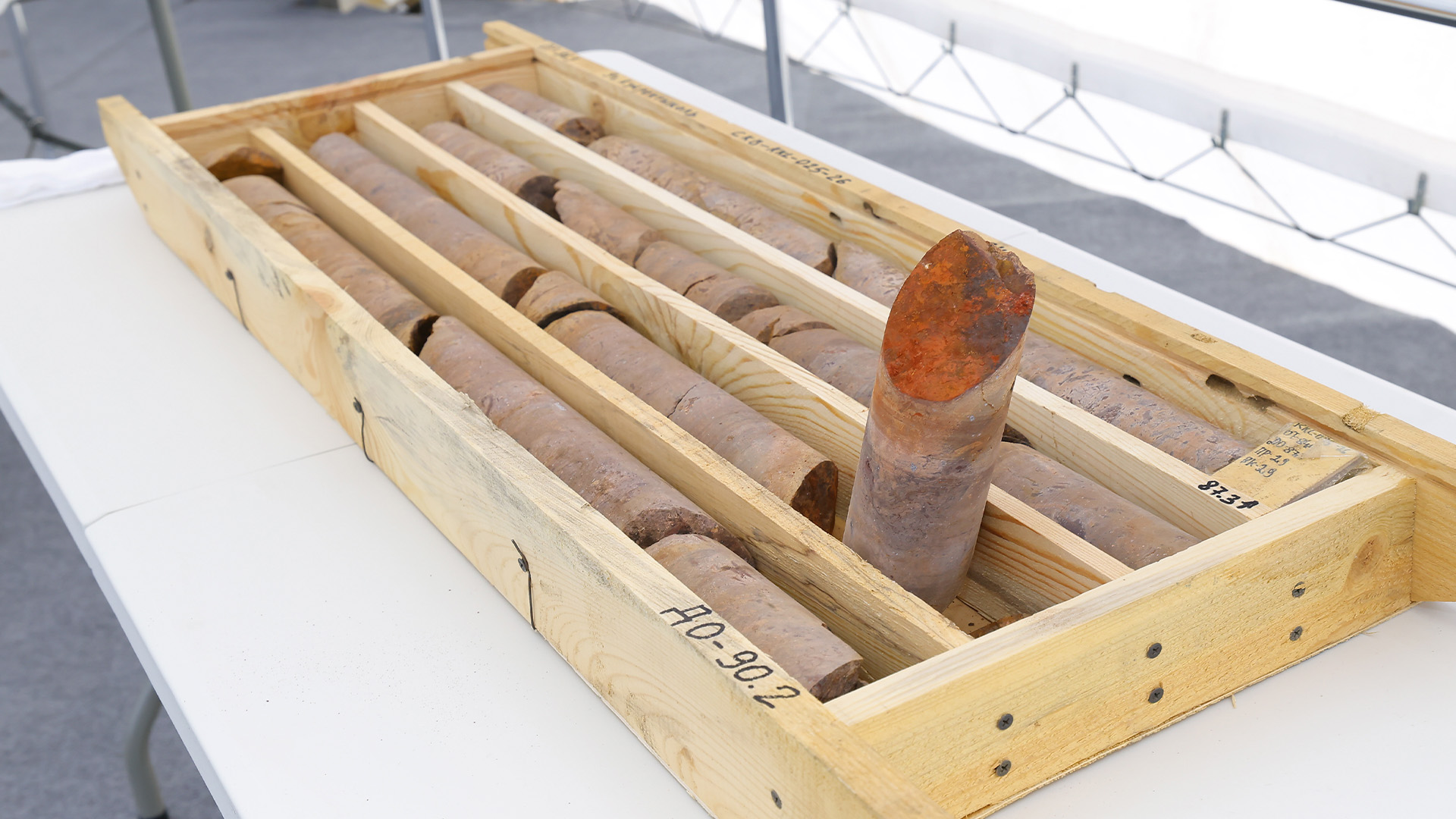
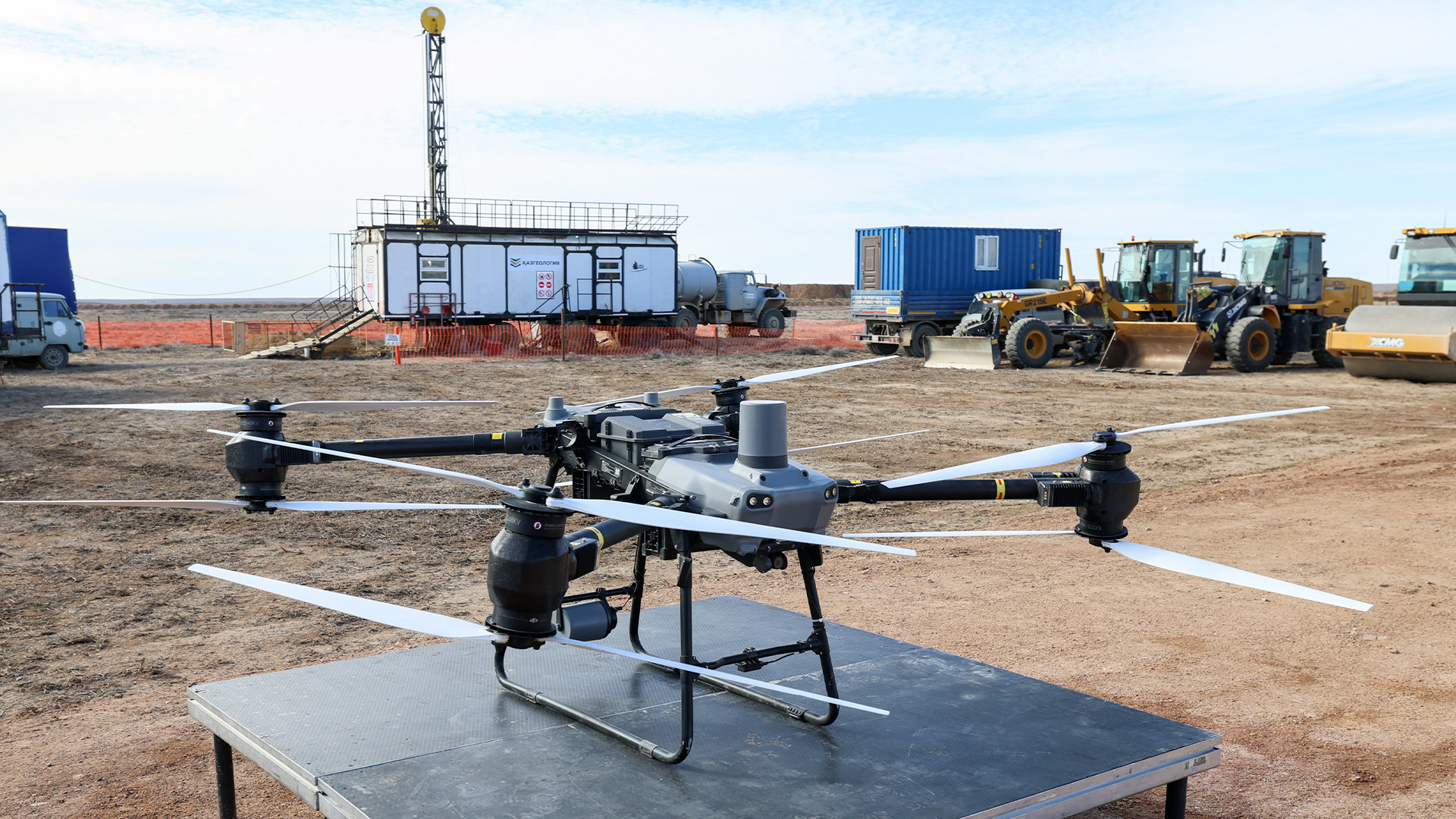
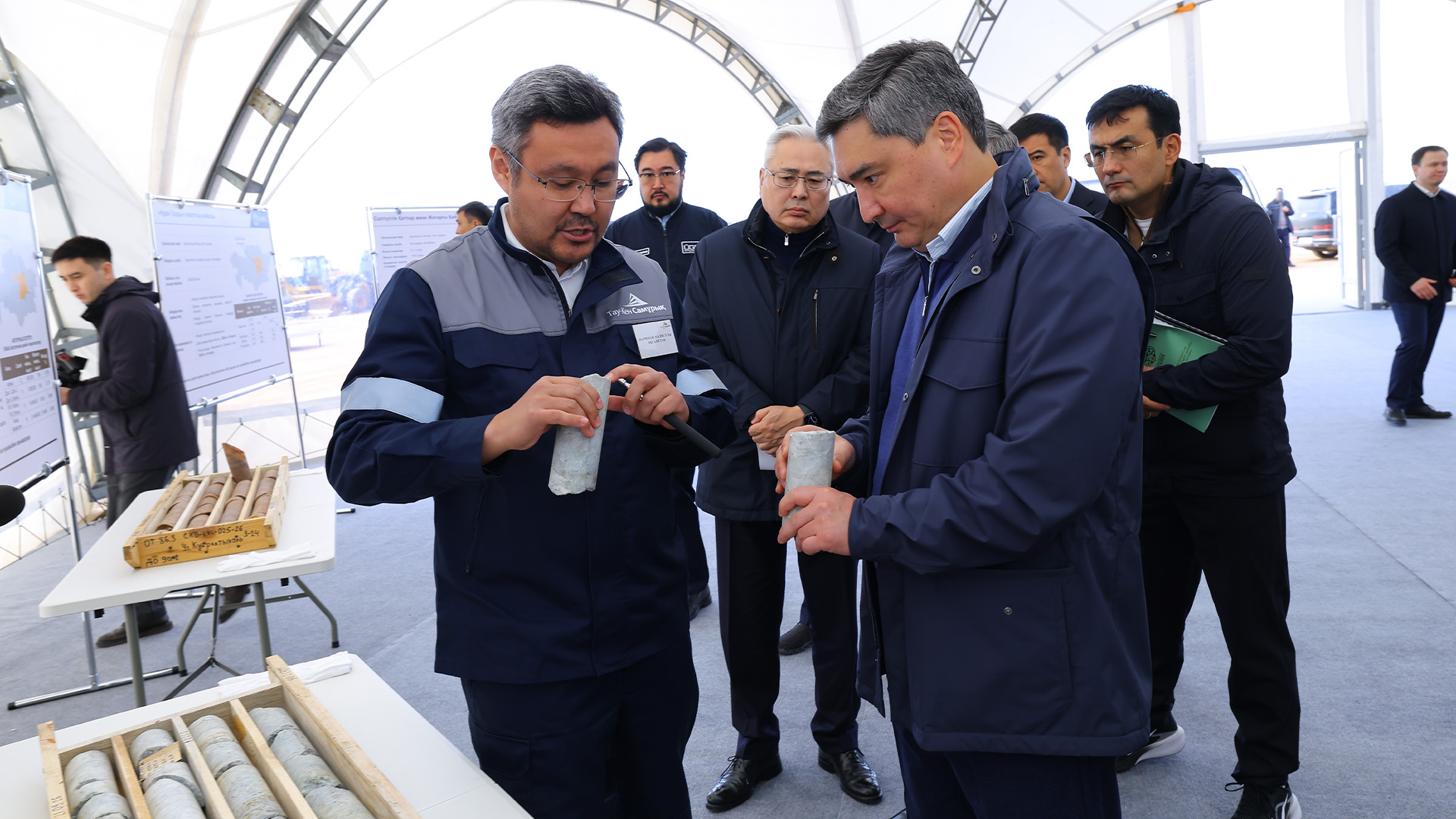 At the Karatas copper ore deposit site operated by National Mining Company Tau-Ken Samruk JSC, the Head of Government was presented with the status of geological exploration work and the modern subsurface exploration technologies being applied.
Kazgeology JSC is conducting operations across seven regions of the country covering 55,000 km², including drilling as well as ground and airborne geophysical surveys. Detailed high-precision mapping at a 1:50,000 scale has commenced on 20 key sites with a total area of 100,000 km².
In accordance with instructions issued at a Government meeting, a new approach to geological exploration projects has been established. Under this framework, Tau-Ken Samruk secures licenses, conducts exploration, registers confirmed reserves on the state balance sheet, and subsequently attracts foreign partners at a higher stage of project readiness. This mechanism enhances project value and secures more favorable terms for the state.
Nariman Absametov, Chairman of the Management Board of Tau-Ken Samruk, reported that over the past year, the company secured three licenses and initiated geological exploration for gold, copper, and rare earth metal deposits. Confirmed reserves already exceed 8 tons of gold and 150,000 tons of copper. Specifically, under the Karatas project, the average copper content increased from 0.35% to 0.46%. Bulk technological sampling is currently underway, followed by hydrogeological and geotechnical studies.
The initial results of geological core analysis using AI were also presented, demonstrating increased operational productivity and reduced documentation timelines. The system is currently trained on the Zhosabay deposit, achieving an accuracy rate of 80%, with plans to raise this to 95% by the end of this year.
Following the visit, the Prime Minister emphasized a significant expansion of support measures for the geological sector: state funding alone has been increased tenfold, totaling approximately $500 million over the next three years. State agencies and organizations were instructed to focus on the most promising areas with high potential for growing reserves of critical minerals, ensure the digitalization of geological data, intensify efforts to attract investors, and promptly resolve emerging land, infrastructure, and organizational issues. The Head of Government instructed Tau-Ken Samruk JSC to scale the experience of the Karatas project to the Zhosabay project and other prospective sites, ensuring a timely transition from exploration to registering reserves on the state balance sheet and subsequent commercial development.
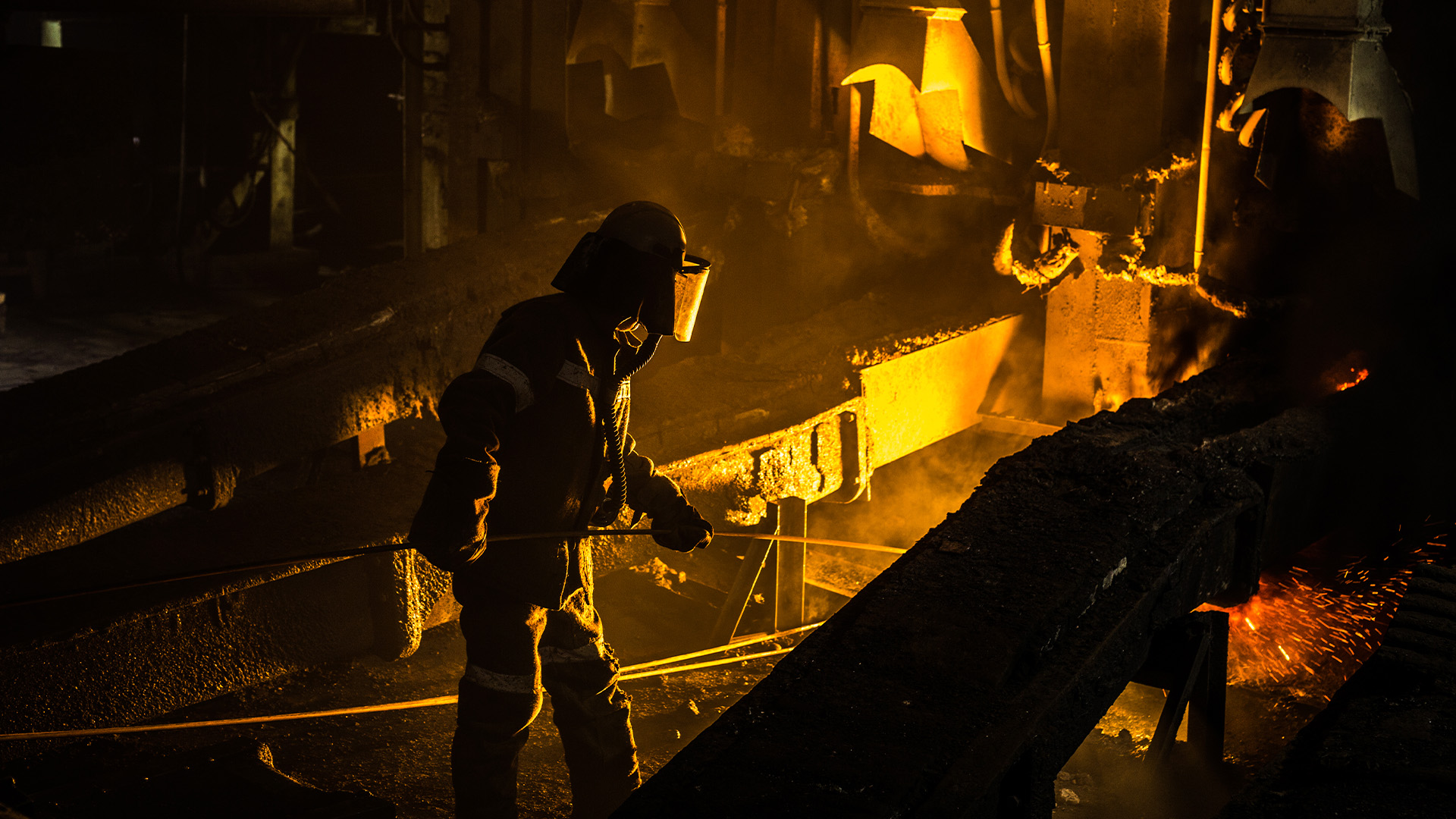
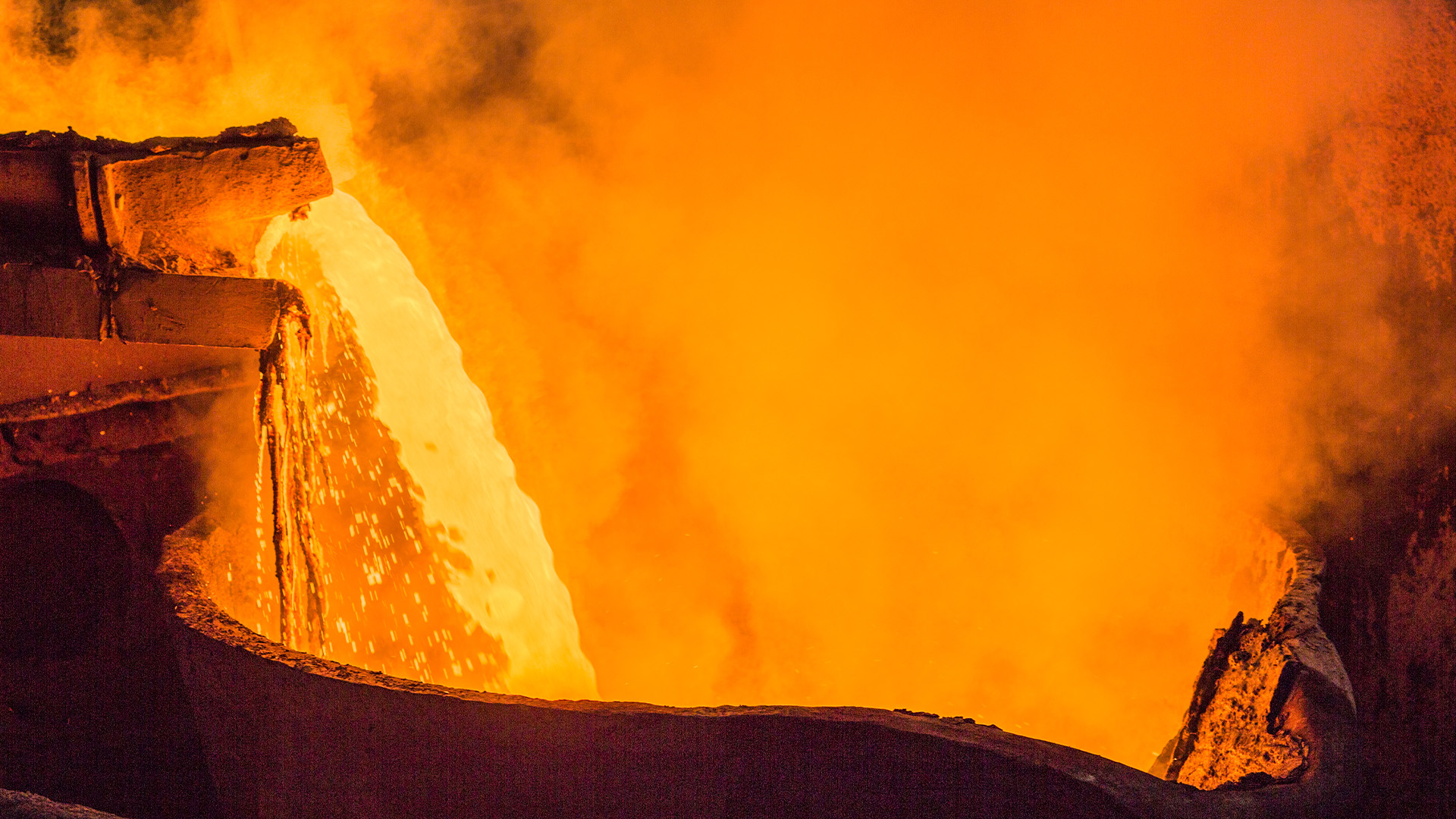
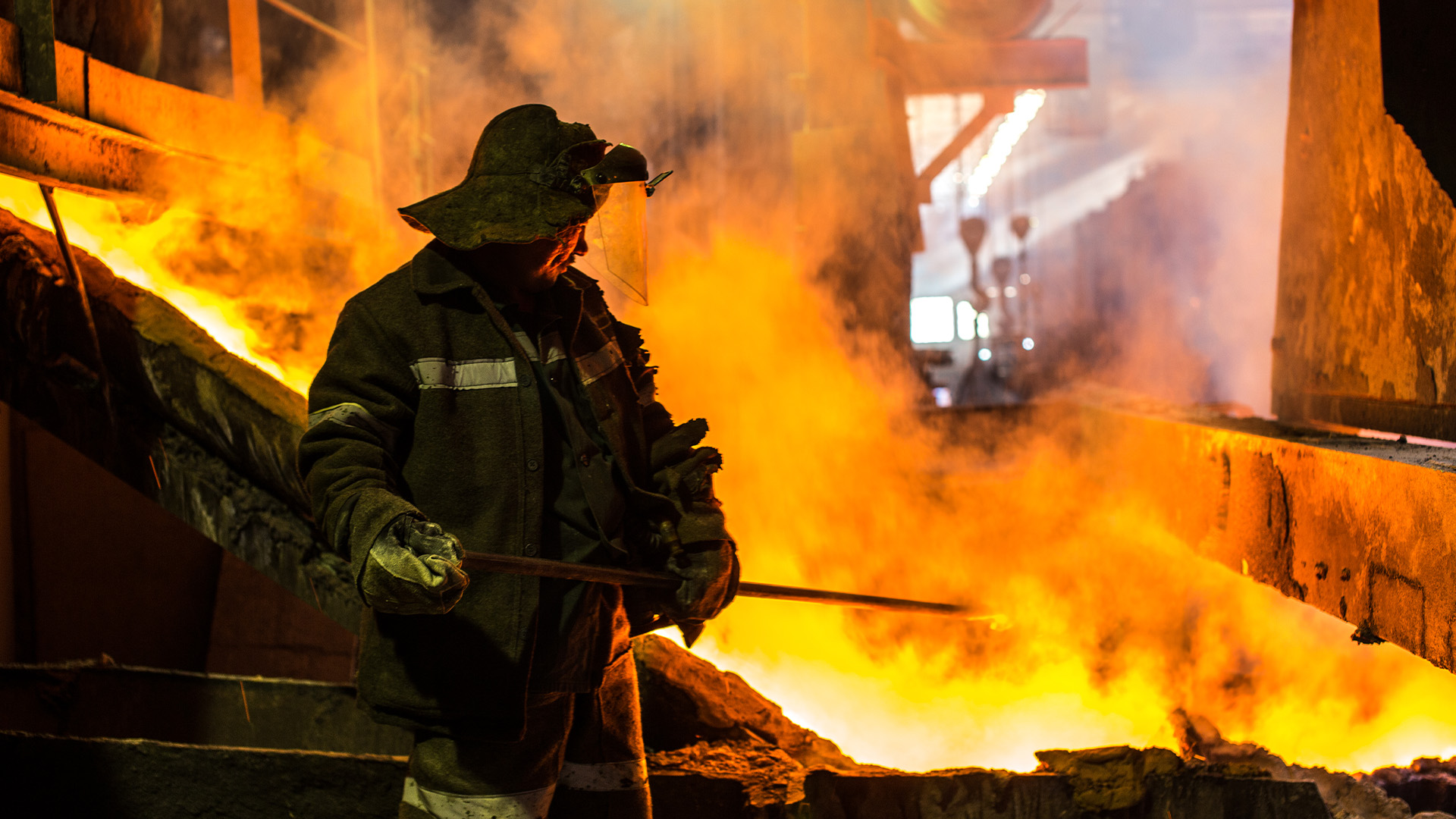 Olzhas Bektenov also inspected the operations of the Balkhash Copper Smelter (Kazakhmys Smelting LLC) and reviewed plans to build a new copper smelting enterprise in Balkhash.
Ruslan Oskenali, Chairman of the Management Board of Kazakhmys LLC, reported on the plant's operational performance, modernization program, and development plans. Operating since 1938, the metallurgical complex accounts for approximately 51% of all refined copper cathode production in Kazakhstan. The plant's design capacity stands at 220,000 tons of copper cathodes, 1.1 million tons of sulfuric acid, 10 tons of gold, and 400 tons of silver annually.
This year, Kazakhmys is implementing a large-scale plant modernization program valued at 21.8 billion tenge, encompassing major overhauls of metallurgical equipment, upgrading production infrastructure, and improving process reliability. Zhanibek Baigabelov, General Director of Kazakhmys Smelting LLC, reported that major repairs on Vanyukov Furnace No. 1, costing over 5 billion tenge, have been completed. A major overhaul of Vanyukov Furnace No. 2, valued at over 5.4 billion tenge, is scheduled for 2027. Upgrades are also underway for anode furnaces, converters, sulfuric acid shop equipment, and utility infrastructure.
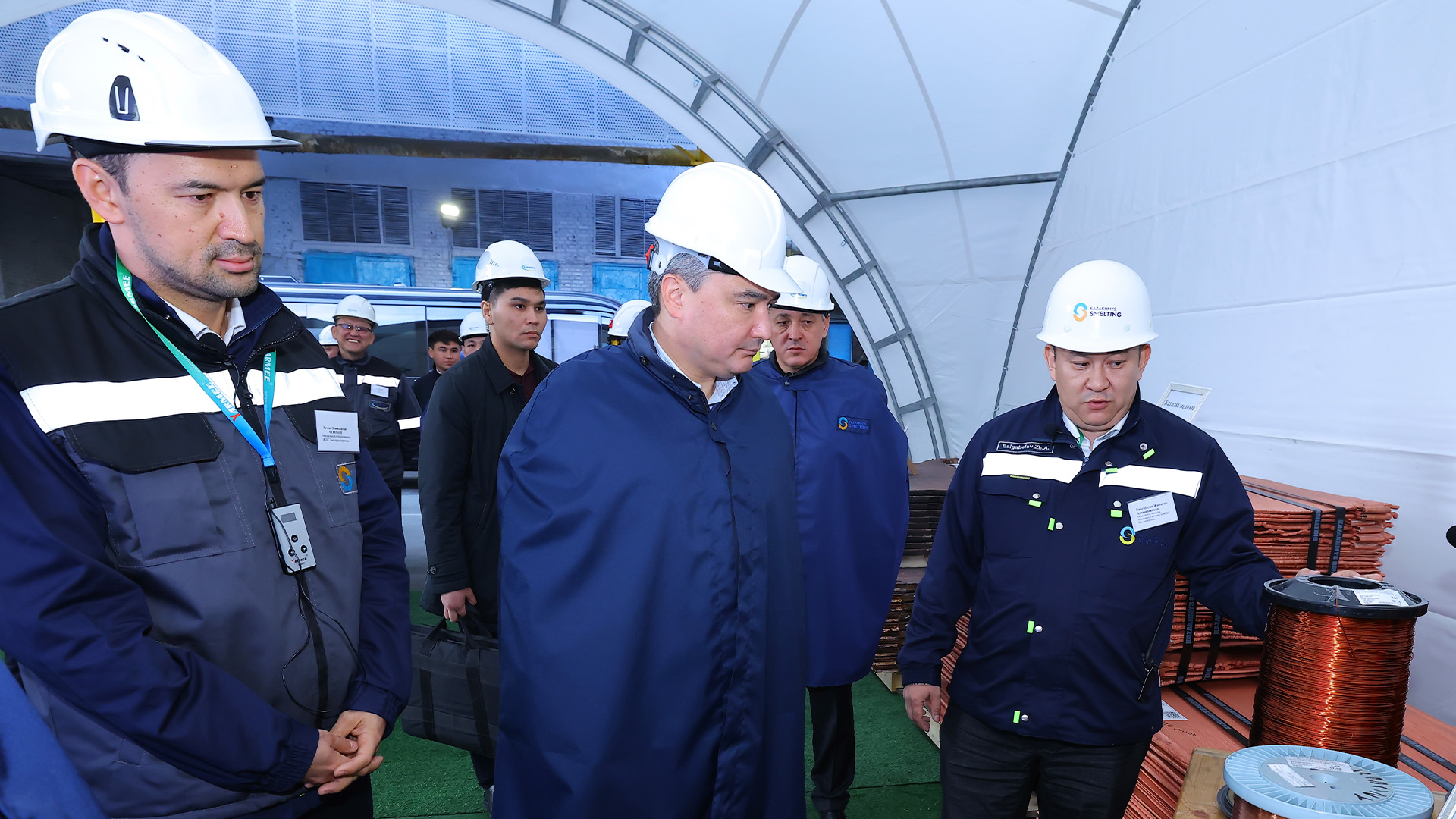 During the visit, a project to build a new copper smelter in Balkhash was presented to the Prime Minister. The facility will increase Kazakhstan's total copper production to over 800,000 tons per year, directly fulfilling the President's directives to expand deep processing and boost high-value-added output.
The project is being implemented under a government-approved investment agreement between the Ministry of Industry and Construction and Qazaq Smelter LLC. Private investments will total 750 billion tenge. Design capacity is set at 300,000 tons of copper cathodes, 10 tons of gold, and 1.5 million tons of sulfuric acid annually. Construction is scheduled to begin in 2027, with commissioning set for 2030. The project will create 1,200 permanent jobs, with domestic specialists accounting for 90% of the workforce at launch and increasing further over time.
According to the presentation, the project entails building a next-generation plant equipped with modern smelting units, a new electrolysis and precious metals shop, and a dedicated slag processing section. The technology will achieve copper recovery rates of up to 98%. Simultaneously, emissions will be drastically reduced compared to the existing Balkhash smelter—dropping from 60,000 tons down to 5,000 tons annually.
The Prime Minister instructed government bodies to provide all necessary support to ensure the timely commissioning of the new copper smelter.
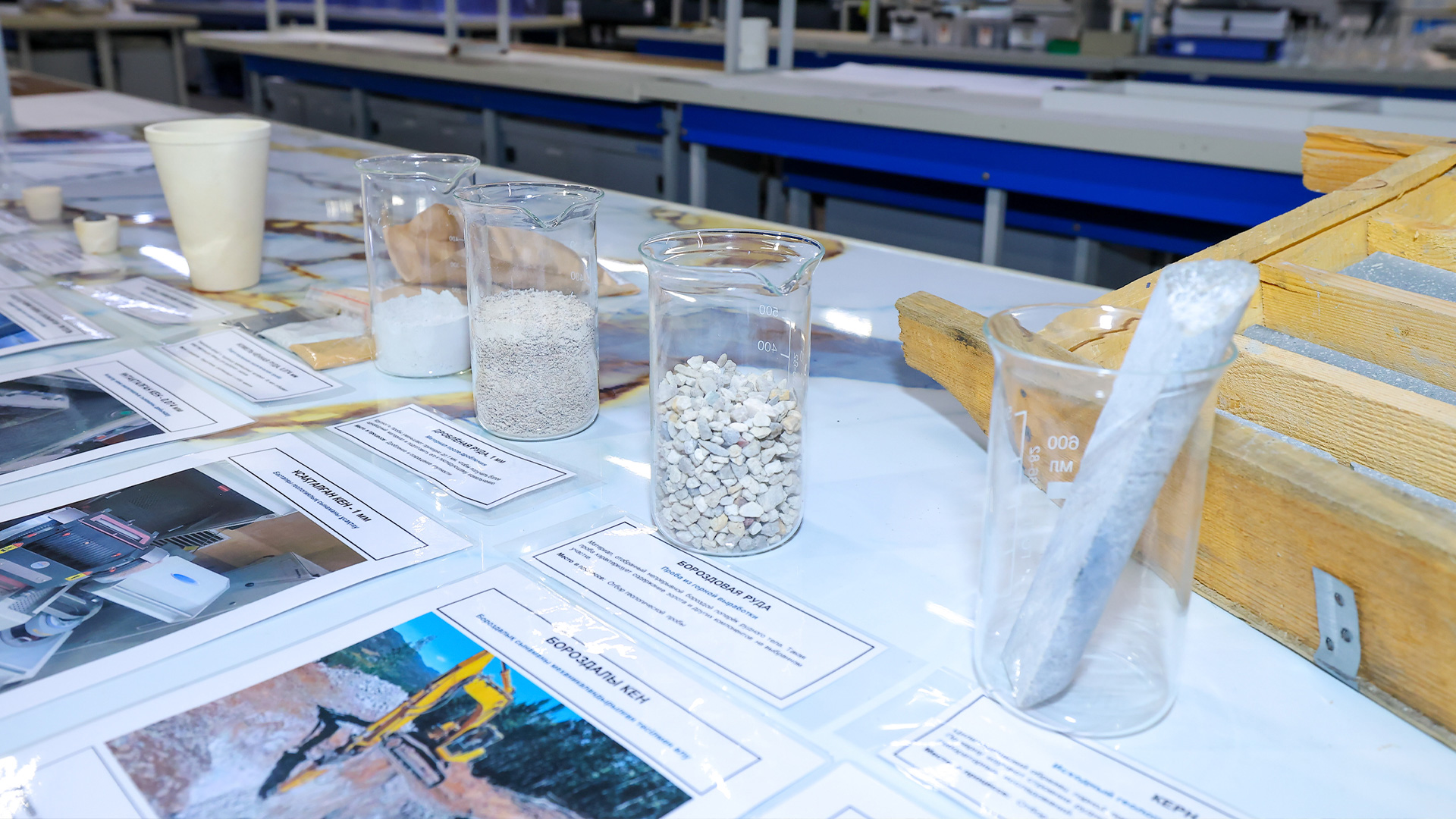
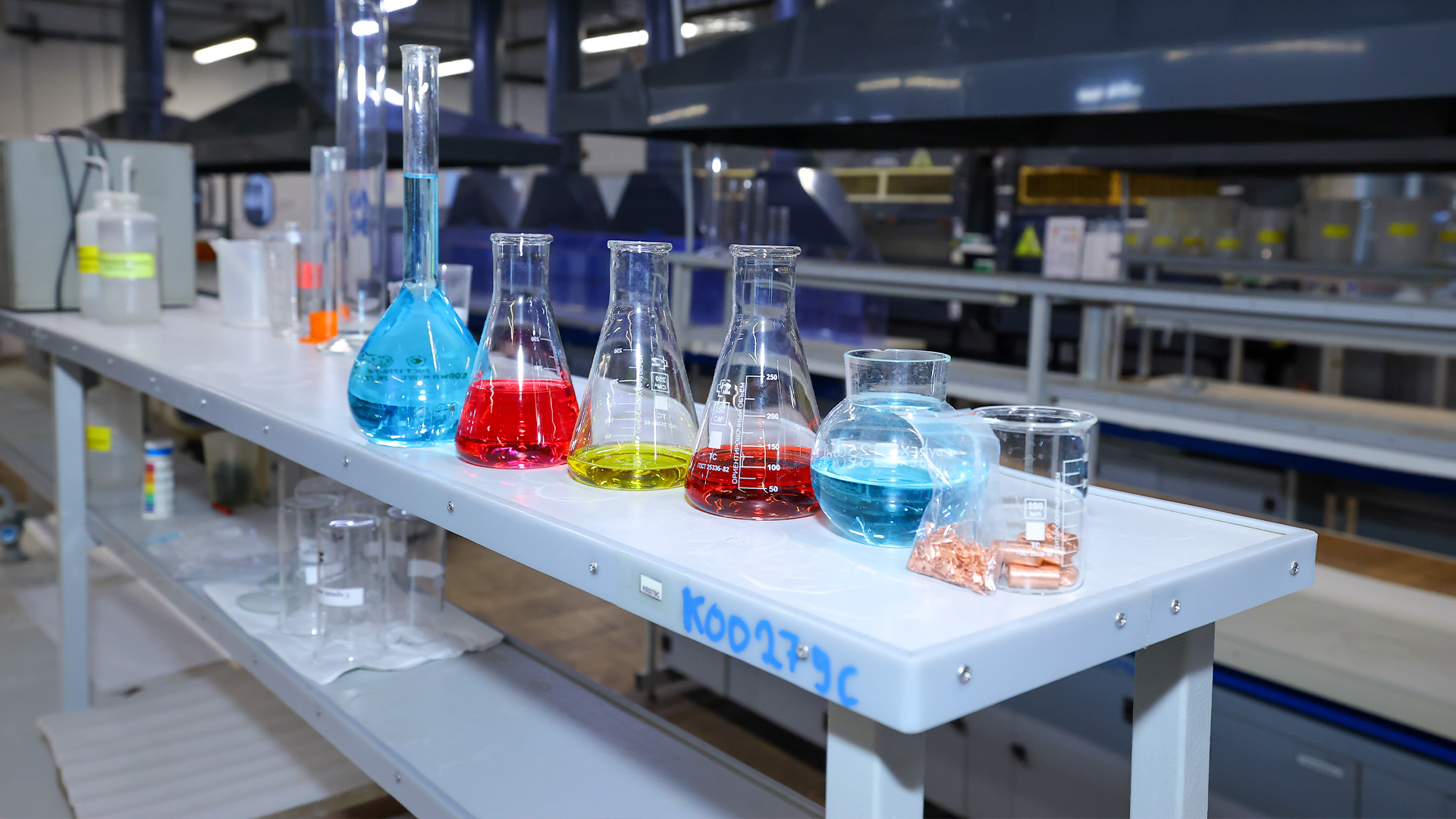
Additionally, the capabilities of the international analytical laboratory SGS Kazakhstan Ltd were demonstrated, showcasing a full-cycle testing facility for geological and technological samples. Plans call for expanding the laboratory's capacity to 350,000 samples per year, fully meeting the region's demands for high-precision chemical analytics. SGS's operations in Balkhash support the adoption of international analytical standards and enhance quality control reliability for raw mineral inputs and finished products.



Stay updated about the events of the Prime minister and the Government of Kazakhstan - subscribe to the official Telegram channel
Subscribe