21 July 2026, 17:19
 As part of the implementation of the instruction of the Head of State to increase the efficiency of the agro-industrial complex, expand export potential, and strengthen the country’s food security, the Government, represented by the Ministry of Agriculture, is taking a set of systemic measures to improve phytosanitary safety. Modern methods of plant monitoring and protection are being introduced, and work is underway to increase the efficiency of state control in this area.
As part of the implementation of these measures, Kazakhstan has completed protective measures against gregarious locust pests. Over the past two years, the consistent renewal of the phytosanitary service, the development of monitoring tools, and the improvement of the organization of protective work have made it possible to reduce the area of chemical treatments from 3.1 million to 1.8 million hectares, or by 42%. At the same time, no damage to agricultural crops was allowed.
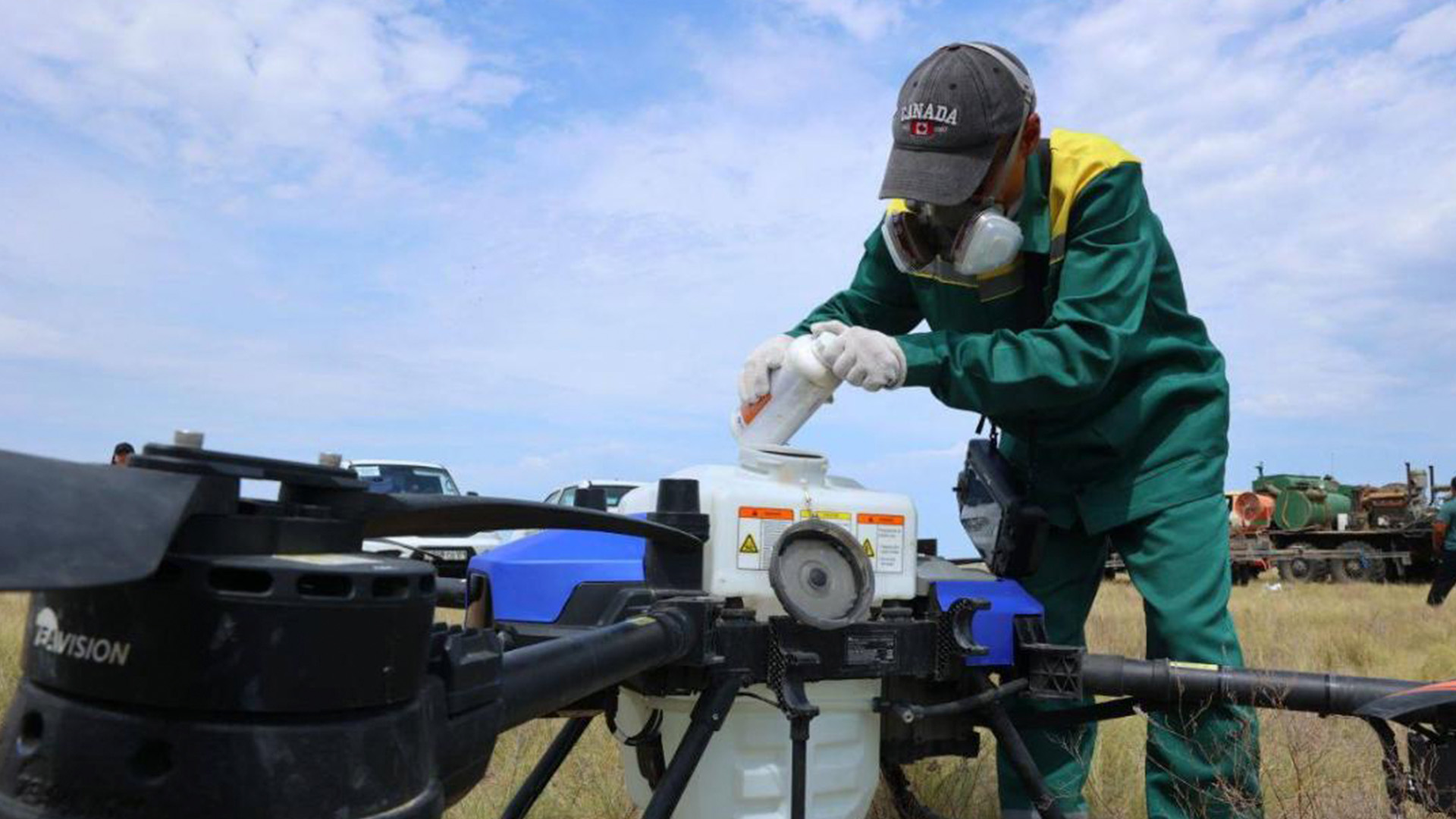
The transformations carried out have ensured a transition from responding to mass pest outbreaks to early detection of threats, prompt localization of foci, and preventive management of phytosanitary risks. Chemical treatment of areas was carried out within optimal agrotechnical deadlines as part of the implementation of the Government’s instructions to ensure phytosanitary safety and protect agricultural lands.
One of the key decisions was the introduction of a single comprehensive procurement format covering the entire work cycle — from the supply of plant protection products to the conduct of chemical treatments. This approach has secured responsibility for the final result with one contractor, improved the quality of organization, and ensured the timely implementation of measures. At the same time, a significant economic effect has been achieved. In 2026, budget expenditures decreased by almost 2 billion tenge, or by 25% compared to 2024.
An important area of modernization was the digital transformation of the industry. The Ministry of Agriculture has developed and implemented the geoinformation system FITOCENTRE, which ensures real-time monitoring of the phytosanitary situation, digital recording of survey results, control of pest outbreak foci, and prompt decision-making.
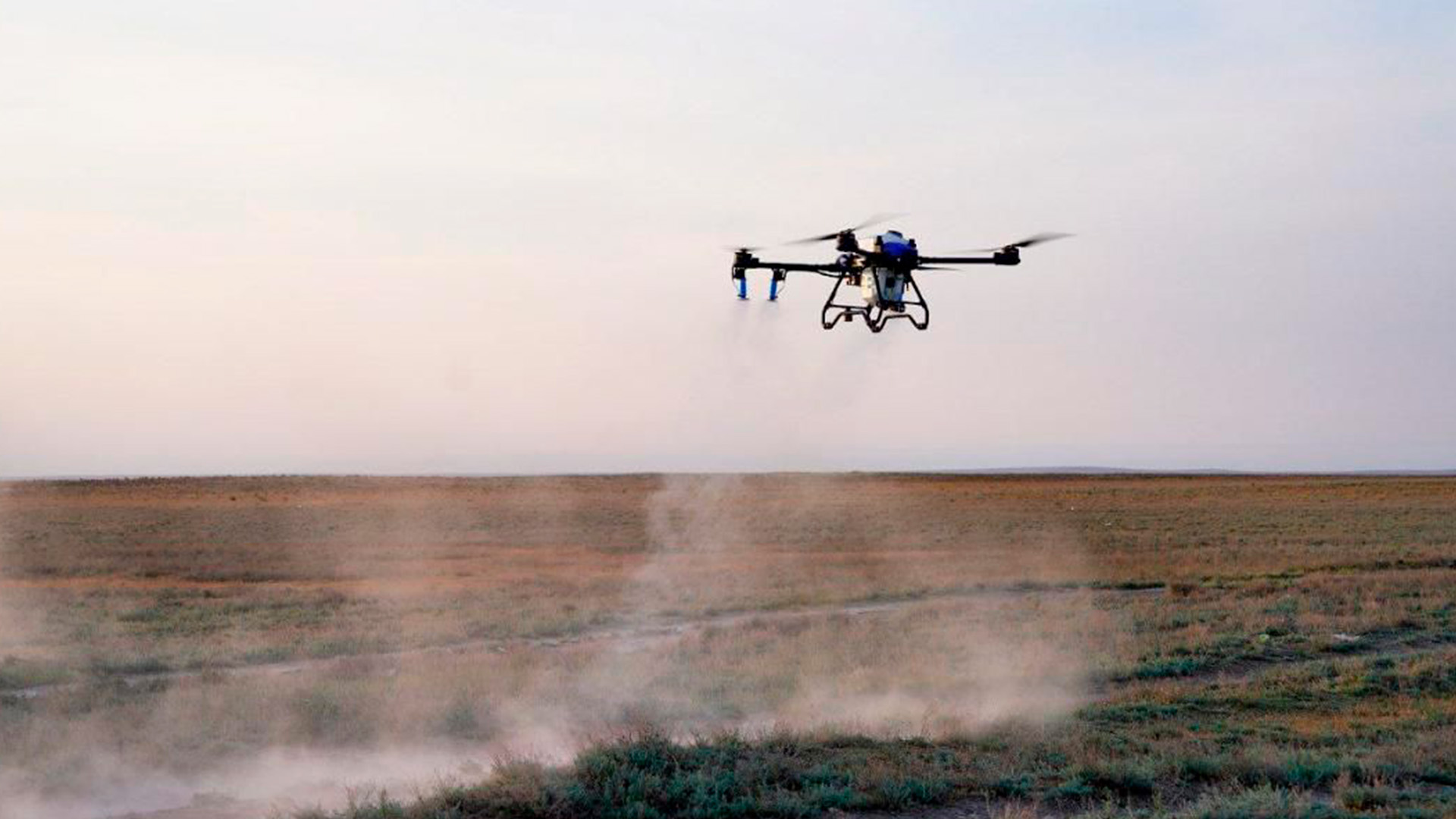
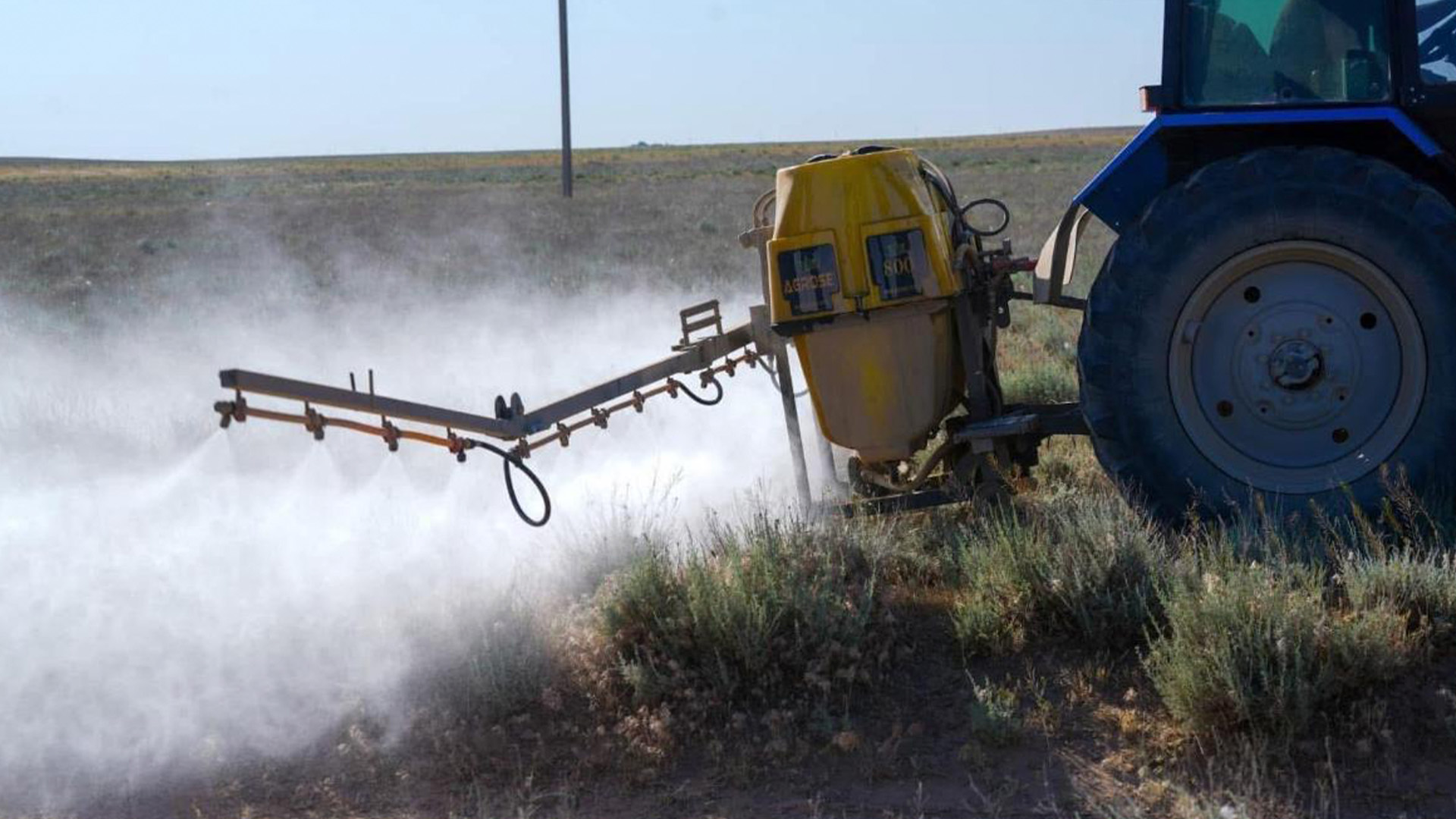
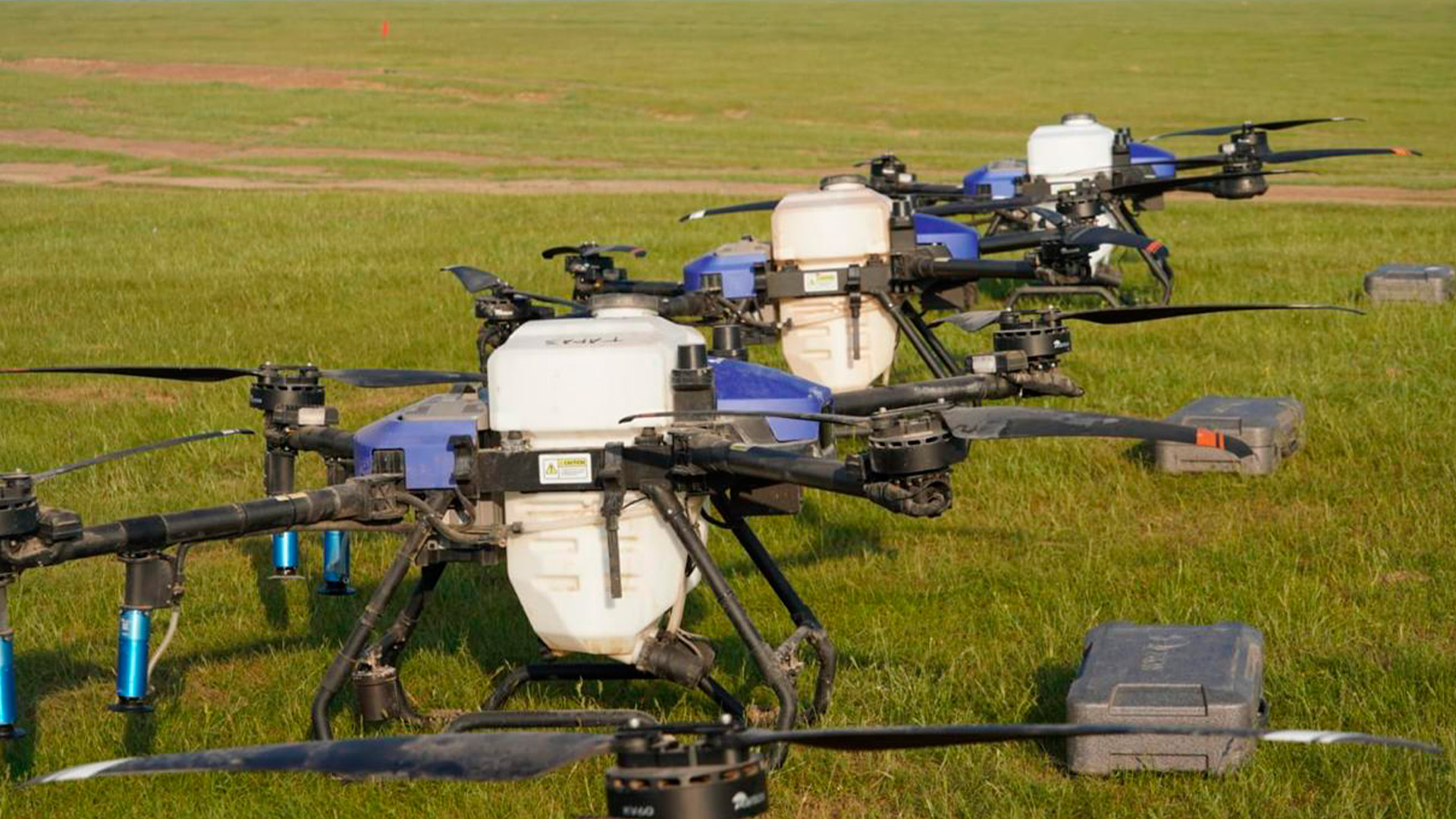
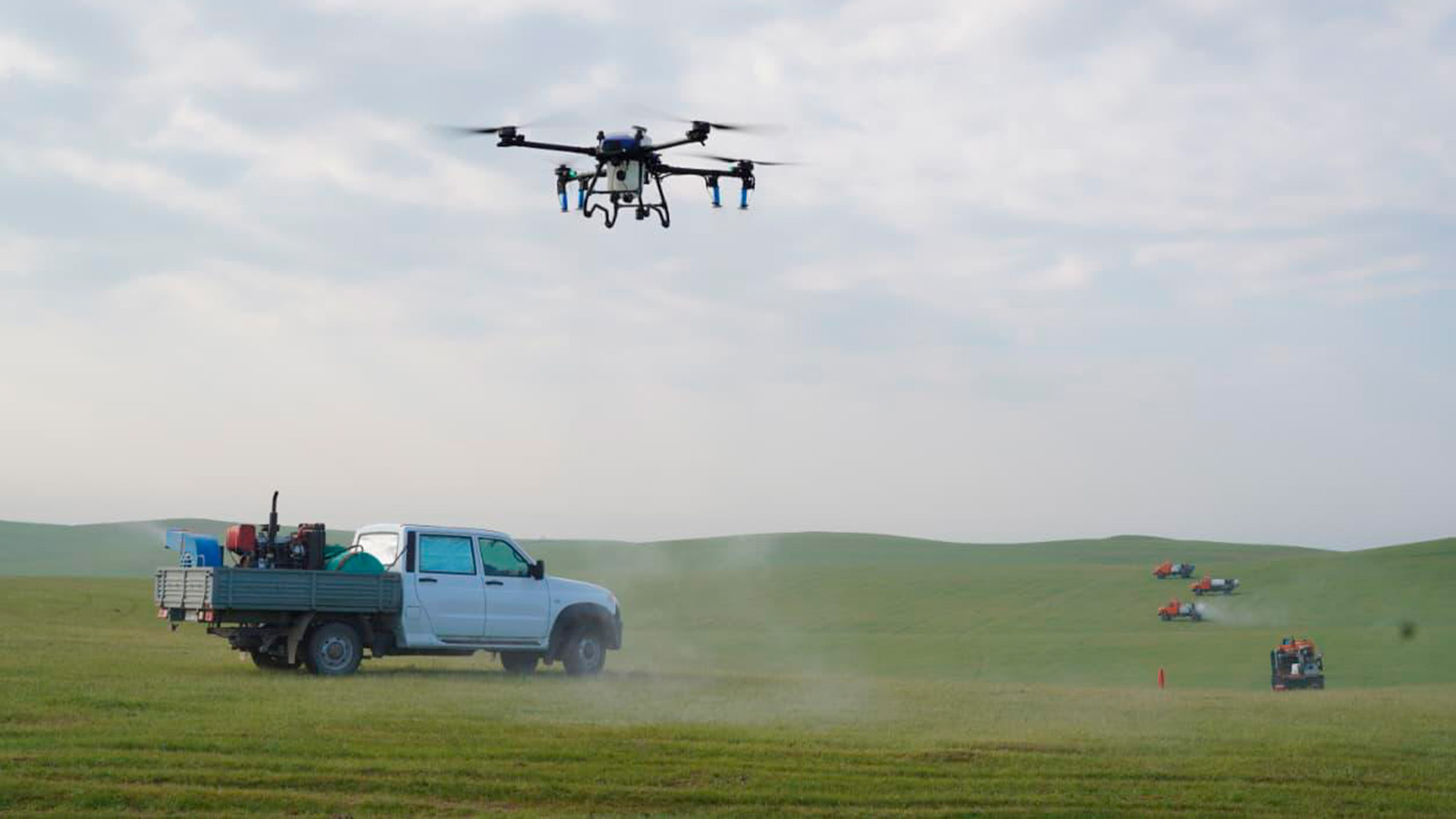
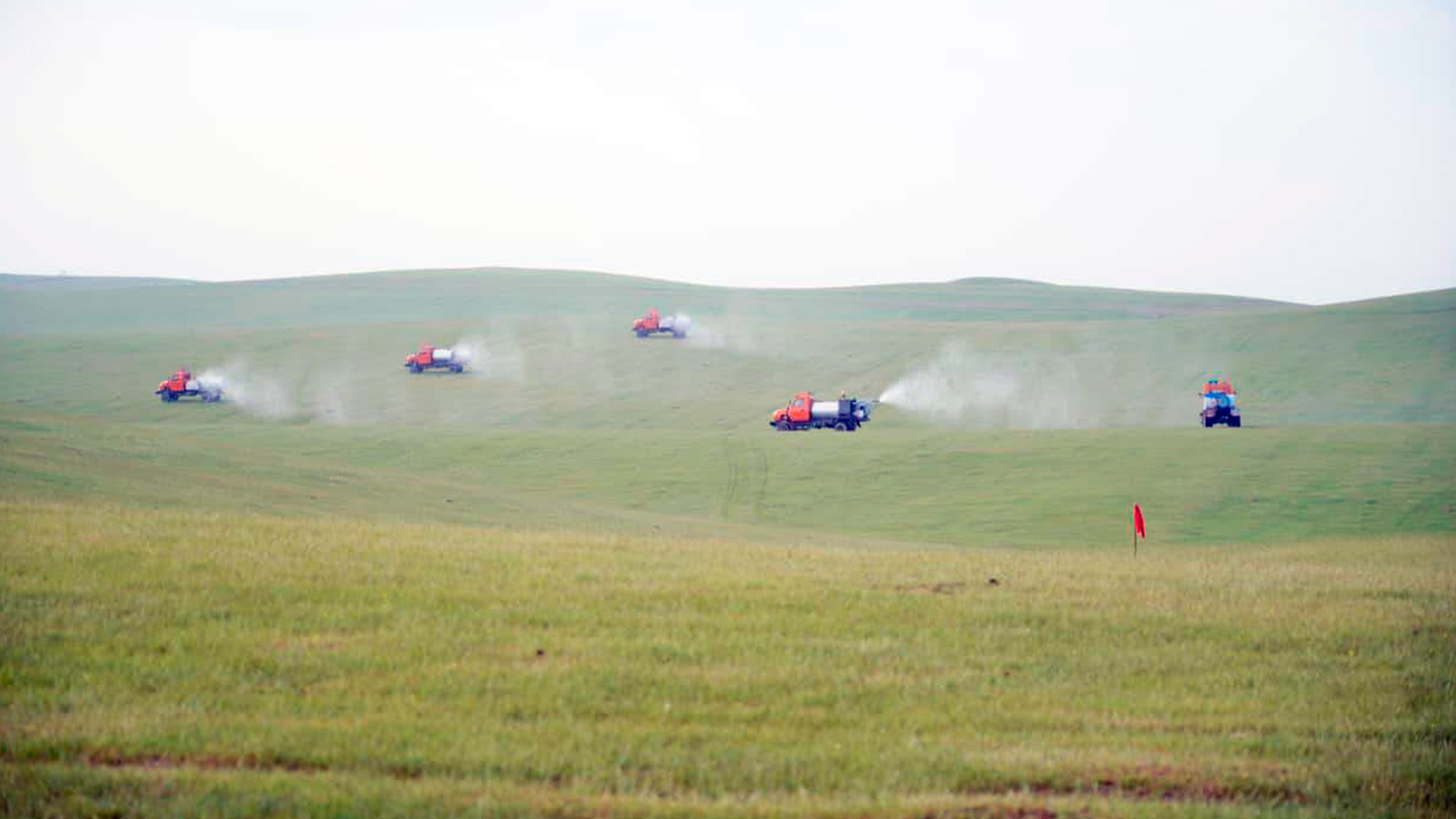
As part of technical renewal, 103 unmanned aerial vehicles have been purchased, used for monitoring and conducting chemical treatments, including in hard-to-reach areas. The number of spraying equipment involved has been increased from 427 to 556 units, which has significantly increased the promptness of protective measures.
As a result of the measures taken, pest outbreak foci are detected and localized at early stages, which allows protective actions to be implemented more targetedly, reduce costs, and increase the efficiency of the use of state resources.
Work to further strengthen phytosanitary safety continues. Currently, the phytosanitary situation in border areas remains stable. No cases of migration of gregarious locust pests have been registered. All necessary equipment is concentrated in border areas and is in constant readiness for the prompt conduct of protective measures.
The Ministry of Agriculture is carrying out continuous monitoring of the phytosanitary situation and keeps the situation under special control.



Stay updated about the events of the Prime minister and the Government of Kazakhstan - subscribe to the official Telegram channel
Subscribe