04 June 2026, 08:00
 In execution of the instructions of the Head of State Kassym-Jomart Tokayev on building a Just and socially oriented Kazakhstan, the Government is carrying out large-scale work to implement support measures for the population. The principles of a social state enshrined in the new Constitution are finding practical embodiment in concrete decisions covering all categories of citizens — families with children, youth, people with disabilities, pensioners, social sector workers, and low-income citizens.
The scale of social support today is measured in millions of citizens and hundreds of billions of tenge. Pension payments are received by more than 2.5 million people, over 630 thousand large families are covered by benefits, more than 544 thousand citizens receive disability support, about one million rural residents have gained access to new medical infrastructure, and the number of educational grants over five years has increased to more than 93 thousand.
Today, the country operates a multi-level system of social support that includes free medical care, state benefits, pension provision, support for education, science, motherhood and childhood, as well as special programs for the social protection of the most vulnerable categories of the population.
Many of these measures have become unprecedented both in terms of funding volumes and the number of citizens they cover.
Accessible Healthcare for All
 One of the main achievements of social policy is the preservation of the guaranteed volume of free medical care and the further development of the compulsory social health insurance system. On the instruction of the Head of State, the Government is carrying out consistent modernization of the healthcare system aimed at improving the accessibility and quality of medical services regardless of place of residence.
Today, Kazakhstanis receive a wide range of medical care at the expense of the state — from doctor consultations and preventive examinations to high-tech operations, the cost of which can reach tens of millions of tenge. Cardiothoracic surgeries, neurosurgical interventions, organ transplants, cancer treatment, care for patients with rare pathologies, and other expensive types of treatment are financed, which without state support would be inaccessible to many families.
Oncological screenings have been transferred to the guaranteed volume of free medical care, thanks to which an additional 300 thousand people gained access to diagnostics.
The result of the work carried out has been a steady improvement in demographic indicators: life expectancy has reached a historic high of 75.97 years. Kazakhstan has also reached the World Health Organization’s target for reducing premature mortality from non-communicable diseases ahead of schedule. At the same time, preventive medicine is developing, screening programs are expanding, new methods of early diagnostics are being introduced, and the system of dispensary observation is being improved.
High-Tech Medical Care at the Expense of the State
A significant area remains ensuring citizens’ access to expensive and high-tech medical care at the expense of the state. Thanks to the system of the Guaranteed Volume of Free Medical Care and Compulsory Social Health Insurance, Kazakhstanis receive access to modern diagnostic and treatment methods and the most complex surgical interventions regardless of income level.
Special attention is paid to children with severe congenital diseases and pathologies. Annually, about 1,500 newborns with congenital malformations receive surgical treatment, with about 40% of operations performed using minimally invasive endovideosurgical technologies.
At the same time, pediatric cardiac surgery is developing. Annually, about 2,000 open-heart surgeries are performed in Kazakhstan on children with congenital cardiovascular defects.
The introduction of modern medical technologies has increased the survival rate of infants after operations from 88% to 93%. In addition, the implementation of 19 innovative medical technologies has halved the number of referrals of children for treatment abroad, ensuring the availability of high-tech medical care within the country.
At the same time, access to expensive treatment and drug provision is expanding. If in 2018 free medicines covered 1.9 million people, by 2025 this figure had increased to 3.4 million citizens. Funding for outpatient drug provision over this period has grown more than threefold — from 87.2 billion to 337.4 billion tenge.
Large-Scale Modernization of Medical Infrastructure
The development of medical infrastructure has become one of the largest areas of healthcare renewal. Over the past seven years, more than 1,250 healthcare facilities have been built in the country, with more than 800 of them commissioned in the last three years alone.
Special attention is paid to the development of rural medicine. Under the National Project for the Modernization of Rural Healthcare, 655 primary health care facilities have been built. More than 200 rural settlements have received their own medical institutions for the first time, and about one million rural residents now have the opportunity to receive medical care near their place of residence without having to travel to district or regional centers.
At the same time, existing hospitals and polyclinics are being modernized, medical equipment is being updated, digital technologies and telemedicine are being introduced, and opportunities for consultative and diagnostic care are expanding.
Special Support for Motherhood
To support motherhood and protect women’s health, the Government is carrying out comprehensive work covering all stages — from pregnancy planning to childbirth and postnatal observation.
Over the years of independence, the maternal mortality rate in Kazakhstan has decreased sixfold. In the last five years alone, it has decreased by another 35%. More than 90% of pregnant women are now registered before 12 weeks of pregnancy, which allows for timely identification of risks and provision of necessary medical support.
Since August 2025, the “Analar Saulygy” program has been implemented, providing 15 free examinations for women at the primary healthcare level. At the same time, the “One-Day Clinic” project is being developed, allowing pregnant women to undergo a full range of necessary examinations and specialist consultations in one day. Since 2024, fetal medicine has been introduced in Kazakhstan — a modern area of intrauterine treatment of fetal pathologies.
The infrastructure for obstetric care continues to develop. The country operates 273 urban and 152 rural women’s consultations, as well as 24 consultations at regional perinatal centers. New facilities are also being opened to improve access to medical care for expectant mothers.
Care for Children’s Health
Alongside this, the system of child healthcare protection is consistently being strengthened. In recent years, funding for medical care for children has more than doubled — from 264 billion to 585 billion tenge. Today, about a quarter of all healthcare system expenditures are directed specifically toward child healthcare.
Over the years of independence, infant mortality has decreased 7.5 times. The country has a multi-level system of medical care for children, including polyclinics, multidisciplinary children’s hospitals, perinatal centers, and specialized medical organizations.
Special attention is paid to the development of medical rehabilitation. Today, Kazakhstan has 81 children’s medical rehabilitation centers, where hundreds of thousands of young patients receive various types of assistance. New rehabilitation centers continue to open, and early intervention services are being developed to identify developmental disorders in a timely manner and provide necessary assistance.
State Support for Families with Children
The country has also built a comprehensive system of support for families, which begins from the birth of a child and accompanies the family throughout the entire period of child-rearing. Today, there are five main types of benefits for families with children.
A one-time benefit is paid upon the birth of a child:
For working women, a social payment is provided in case of loss of income due to pregnancy and childbirth or adoption of a newborn child(ren), the amount of which depends on the woman’s average monthly income for the last 12 months. The average amount as of May 1, 2026, is 1.2 million tenge.
A social payment is also provided in case of loss of income due to childcare until the child reaches 1.5 years of age in the amount of 40% of the average monthly income for the last 2 years for working women. As of early May, the amount of this payment reached 86,062 tenge.
Separate support is provided to families raising children with disabilities — the benefit amount is 81,871 tenge per month.
Special attention is paid to large families. Regardless of income level, a monthly benefit is paid:
Additionally, state support is provided to mothers awarded the “Altyn Alka” and “Kumis Alka” pendants.
Only through benefits are more than 630 thousand large families across the country covered, making this measure one of the largest social support programs for the population.
Support for People with Disabilities
The system of support for people with disabilities continues to be improved. In recent years, procedures for receiving state services have been significantly simplified. Since 2022, an absentee proactive format for establishing disability has been introduced, allowing the necessary procedures to be completed without visiting medical and social expertise units. Today, more than 45% of examinations are conducted online.
From 2026, the amounts of state disability benefits have been increased by 10%. The payment amounts are:
More than 544 thousand people are recipients of these benefits.
Through the Social Services Portal, citizens can independently choose technical rehabilitation means, individual assistant services, sign language interpreters, and sanatorium-resort treatment. Currently provided:
Thus, the work being carried out is aimed not only at improving social protection mechanisms but also at creating conditions for the full integration of people with disabilities into public life and expanding their opportunities for self-realization.
Support for Low-Income Citizens
Kazakhstan operates a multi-level system of social support for citizens aimed at improving the quality of life of families and ensuring social stability. One of its tools is targeted social assistance, which is provided taking into account income level and family composition, allowing support to be provided specifically to those citizens who need it.
For able-bodied citizens, support measures are combined with participation in employment promotion, vocational training, and job placement programs. If there are no able-bodied members in the family or they cannot work for objective reasons, support is provided without additional conditions.
As of May 1, 2026, targeted social assistance has been assigned to:
At the same time, measures are being implemented to promote employment, vocational training, support for entrepreneurial initiatives, and increase labor mobility. This approach allows not only to provide financial assistance but also to create conditions for increasing family incomes and improving the quality of life of citizens.
Special Social Services for Citizens in Difficult Life Situations
Along with cash payments, a system of special social services is being developed for citizens who need special support. Assistance is provided to children with disabilities, persons with disabilities over 18 years of age, elderly citizens unable to care for themselves, persons without a fixed place of residence, victims of domestic violence and human trafficking, as well as citizens under probation control.
Within the guaranteed volume of special social services, comprehensive support is provided, including:
As of June 1, 2026, special social services are provided by 649 licensed organizations. Support covers 103,973 people, including:
To improve the quality of assistance provided, licensing of organizations providing special social services was introduced in 2025. New requirements include qualified personnel, necessary material and technical base, compliance with sanitary standards, fire safety requirements, and the creation of accessibility conditions for people with limited mobility.
The set of measures being implemented is aimed at improving the quality of life of citizens in difficult life situations, their social adaptation, and integration into society.
From Elimination of Three-Shift Schools to Personal Vouchers
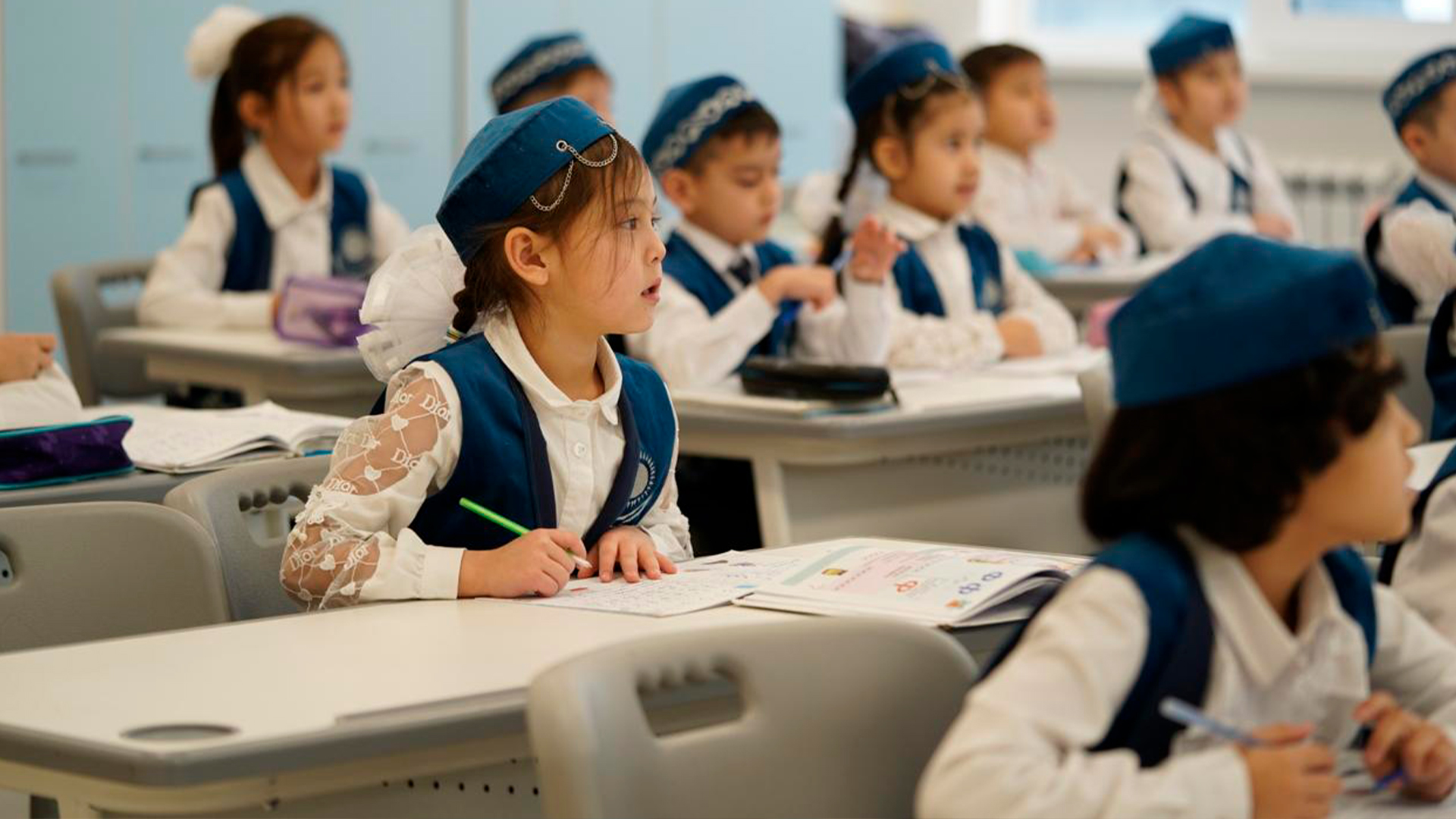
In recent years, large-scale work has been carried out to expand access to quality education at all levels — from preschool education. Special attention is paid to creating modern educational infrastructure, reducing the gap between urban and rural schools, and introducing new mechanisms to support children and parents.
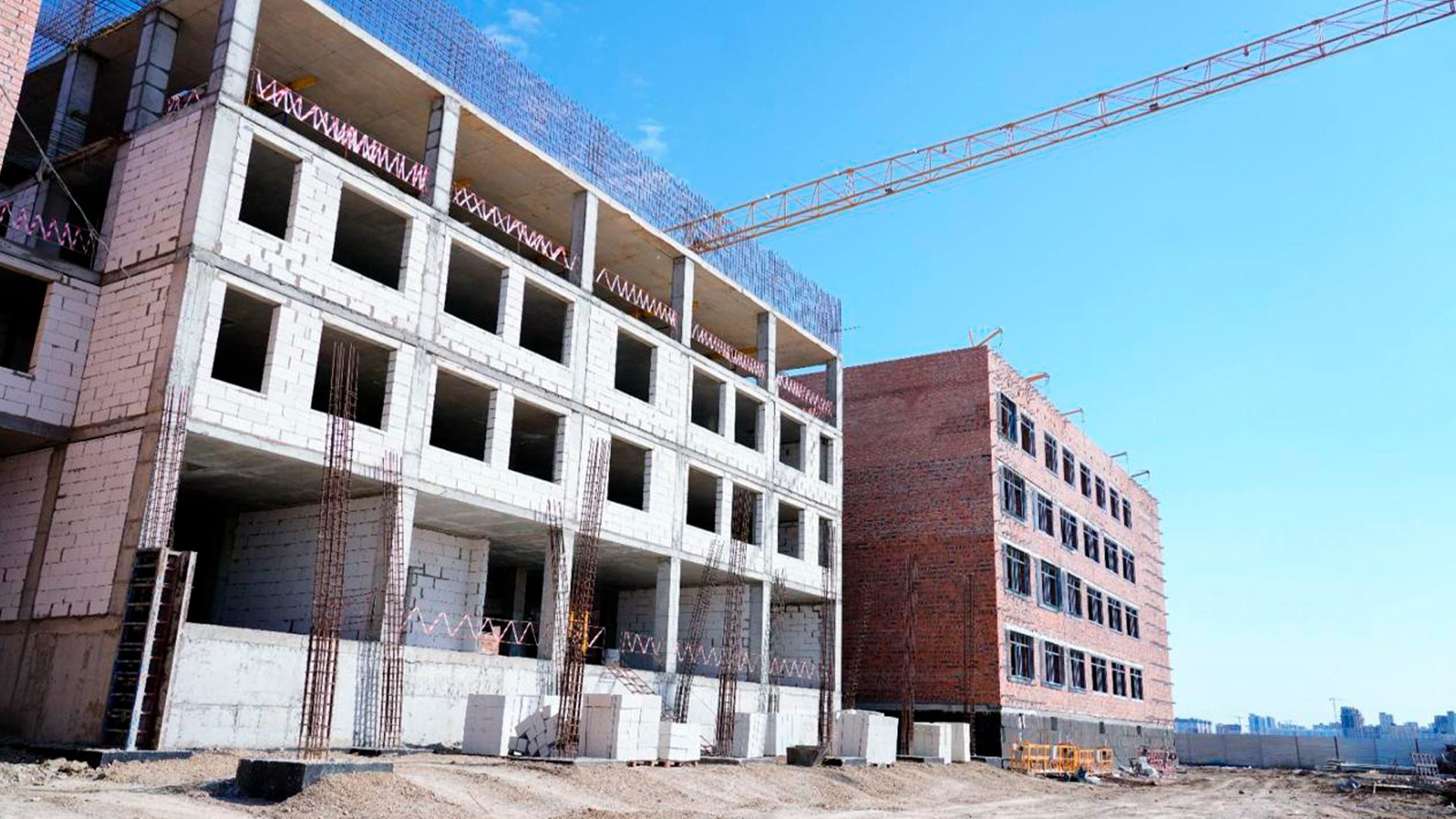
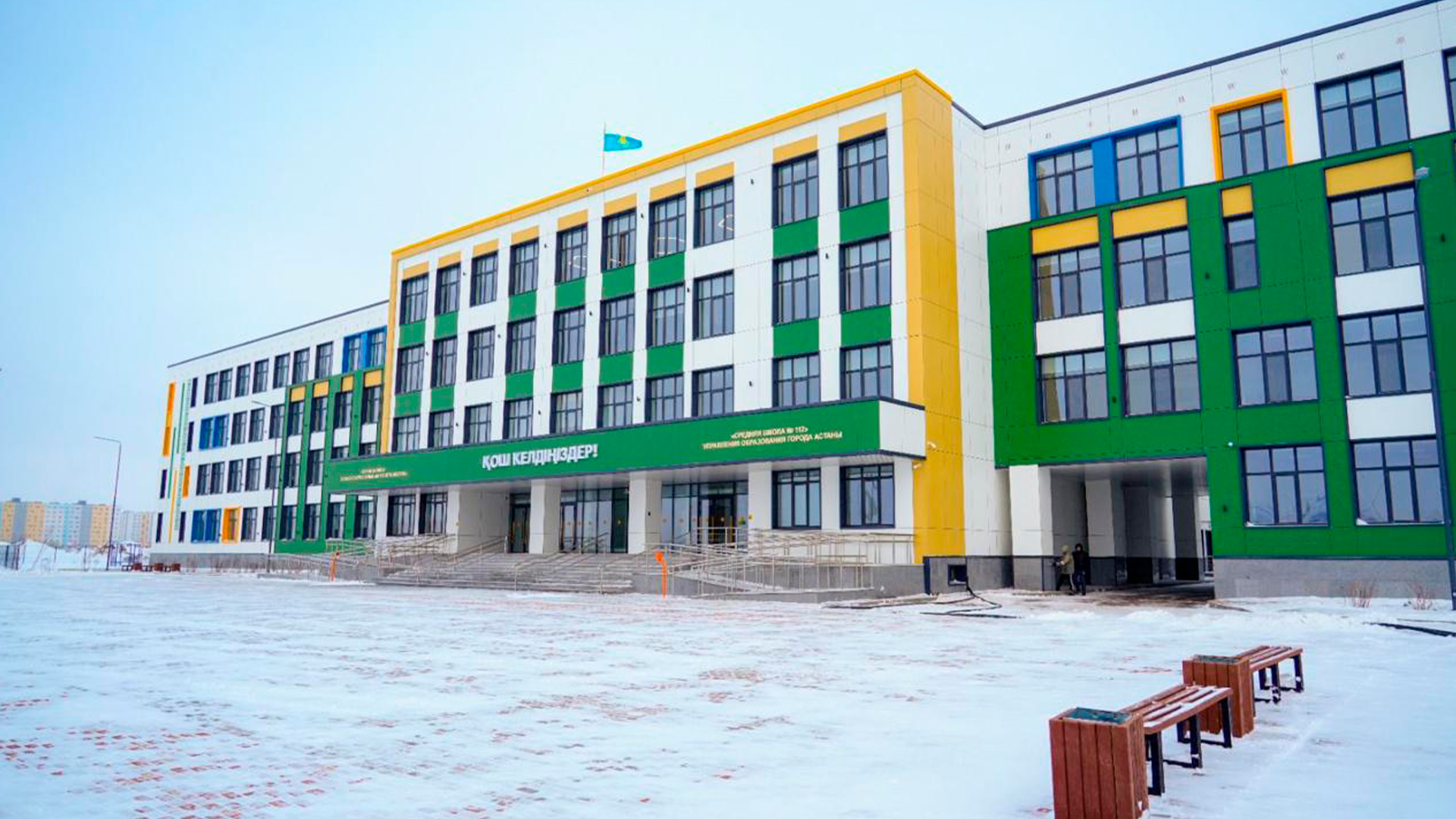
In recent years, the pace of construction of educational facilities in the country has increased significantly. Since 2020, more than 1,200 schools have been built, creating over 1 million new student places. This has reduced the number of three-shift schools by four times. This year, it is planned to commission another 96 schools with 53 thousand places.
At the same time, the modernization of existing school infrastructure continues. Over three years, 1,300 schools are planned to be upgraded, 820 of which are in rural areas. Since 2025, 215 schools have already been modernized. The works include updating subject classrooms, canteens, sports halls, engineering communications, and security systems.
Along with infrastructure development, the content of education is being improved. Digital technologies are actively being introduced into the educational process, subject training is being strengthened, opportunities for teaching children with special educational needs are expanding, and teacher qualifications are being improved, which contributes to creating a modern and comfortable educational environment for every child.
Preschool education is given special importance in the education system, as it is in early childhood that basic learning, socialization, and personality development skills are formed. Therefore, the state is consistently expanding access to preschool education and pre-school preparation.
Today, more than 12,000 preschool organizations operate in Kazakhstan, including 5,300 public and 6,600 private kindergartens. Their services cover over 1 million children. The coverage rate of preschool education for children aged 2 to 6 has reached 70.9%, and among children on the waiting list, the availability of places is 96%.
To increase the accessibility of preschool education, modern financing mechanisms are being introduced. In 20 cities and 23 districts of the country, a pilot project of voucher financing is being implemented, involving about 6,000 organizations and issuing more than 936 thousand vouchers. The new mechanism has increased the transparency of budget fund distribution and significantly reduced the queue for kindergartens — almost nine times, from 160 thousand to 18 thousand children.
An additional factor in increasing the accessibility of preschool education remains the expansion of the network of institutions. Over the past three years, 223 thousand new preschool places have been created. By the end of 2027, it is planned to open another 76.5 thousand places.
Thus, the measures being implemented are aimed not only at expanding access to education but also at creating modern conditions for the education and development of children at all stages of growing up — from preschool preparation to receiving quality school education.
State Support for Private Schools
 Along with the development of the state school network, conditions are being created in Kazakhstan for the participation of the private sector in ensuring access to education.
One of the key tools is the state educational order, through which funding is directed to the education of children regardless of the form of ownership of the educational organization. This allows expanding access to quality education, creating additional student places, and attracting private investment in the development of educational infrastructure.
An important stage was the digitalization of the state educational order financing system. Since 2025, a pilot project has been implemented to transfer financing processes to a digital format. Its goal is to ensure transparency in the distribution of budget funds, increase the accuracy of student records, and strengthen control over the use of state financing.
To date, 6,325 schools have been digitized on the e-Qazyna platform as part of the project, of which 5,443 are public. Thus, the digital circuit covers not only public but also non-public educational organizations participating in the implementation of the state educational order.
The introduction of new mechanisms allows automating the recording of the student population, minimizing the human factor in data formation, and ensuring an objective distribution of budget financing between educational organizations. As a result, the efficiency of using state resources increases and additional conditions are created for the further development of both public and private educational infrastructure in the country.
Accessible Education for Youth
The Government is also implementing a set of measures to expand youth access to quality education. Over the past five years, the number of educational grants has been increased from 65.1 thousand to more than 93.2 thousand. Thus, thousands of young Kazakhstanis have received the opportunity to study free of charge at higher educational institutions.
Special support programs are also being implemented. Additional grants are allocated for youth from certain regions, educational opportunities are provided through local executive bodies, the “Kazakhstan Halkyna” fund, the business community, and the higher educational institutions themselves.
At the same time, work is underway to increase social support for students. In recent years, the amounts of state scholarships have been significantly increased: compared to 2020, scholarships for bachelor’s degree students have doubled — from 26.2 thousand to 52.4 thousand tenge, including for those studying in pedagogical specialties — from 42 thousand to 84 thousand tenge. Scholarships for master’s and doctoral students over this period have increased 1.75 times.
An important area remains the creation of comfortable conditions for student learning. In 2025 alone, 30 new dormitories with more than 10 thousand places were commissioned. In addition, the state compensates the cost of living in dormitories for orphan students and persons with Group I and II disabilities.
“Bolashak” and New Opportunities
The international “Bolashak” program occupies a special place in the system of youth support. Over the past three years, 994 scholarship holders have studied at leading universities around the world. Training is conducted in in-demand areas of the economy, including information technology, engineering specialties, mechanical engineering, medicine, finance, and law.
Additionally, 342 specialists have completed professional internships at leading foreign organizations. A new stage in the development of the program began in 2026, when the bachelor’s degree direction was opened for the first time for winners of international olympiads, scientific competitions, and creative contests.
Support for Science and Young Scientists
A comprehensive system of support for young scientists has also been formed in the country, covering the training of scientific personnel, funding of research, international internships, and the solution of social issues. The measures being taken are aimed at attracting youth to science, creating conditions for conducting research, and forming a new generation of highly qualified specialists.
To train scientific personnel, opportunities for postgraduate education are expanded annually. For the 2025–2026 academic year, 2,919 educational grants have been allocated for doctoral training. Additionally, 110 grants are provided under the industrial PhD mechanism for training specialists in priority areas of the economy.
The “Zhas Galym” grant funding program continues to operate, under which one thousand grants are allocated annually for the implementation of scientific projects by young researchers. At the legislative level, the annual “Best Young Scientist” award has been established, aimed at supporting promising researchers and popularizing science among young people.
Special attention is paid to international cooperation and improving the qualifications of scientists. Since 2021, the “250 Scientific Internships” program has been implemented, allowing training and internships at leading universities and scientific centers around the world. From 2021 to 2025, 1,543 Kazakhstani scientists were sent for foreign scientific internships. More than 62% of the program participants are young researchers.
At the same time, measures of social support for the scientific community are being strengthened. From September 1, 2023, the funding volume for the training of one doctoral student was increased by an average of 17%, which made it possible to expand opportunities for conducting research and training scientific personnel.
Support is provided in solving housing issues. To date, 722 young scientists have been provided with housing. Of these, 584 people were able to purchase their own housing thanks to the joint program of the Ministry of Science and Higher Education and JSC “Otбasy Bank”, and another 138 young scientists received apartments free of charge.
The set of measures being implemented is aimed at forming a modern scientific environment, developing the research potential of young people, strengthening the personnel potential of science, and increasing Kazakhstan’s competitiveness in the global scientific and technological space.
Pension Provision and Support for the Older Generation
One of the most important areas of social policy remains support for the older generation. On the instruction of the Head of State, the Government ensures the sustainable functioning of the pension system, which includes solidarity, basic, and accumulative pensions.
Today, more than 2.5 million Kazakhstanis receive pension payments. Annually, pension amounts are indexed and increased taking into account social indicators and inflation. In addition, special state benefits are received by 18 categories of citizens, including veterans, home front workers, persons affected by political repression, and other socially vulnerable categories of the population.
Thus, the social policy of Kazakhstan today is formed as a system of support for a person throughout their entire life. It includes medical care, protection of motherhood and childhood, support for families, targeted assistance to those in need, expansion of educational opportunities, development of science, and sustainable pension provision. This is the practical embodiment of the principles of a social state and the course of President Kassym-Jomart Tokayev towards building a Just Kazakhstan, where the main value is the person, their well-being, and quality of life.
#Healthcare #Infrastructural development #President's instruction #Social Security



Stay updated about the events of the Prime minister and the Government of Kazakhstan - subscribe to the official Telegram channel
Subscribe